You have already done the Mara game drives. You have watched a wildebeest crossing from a Land Cruiser roof hatch and ticked off lions from a respectful distance. A horseback riding safari in Laikipia, Kenya, puts you closer to the ground and closer to the animals than any game drive ever could.
This plateau north of Mount Kenya is one of the only places in Africa where you can trot past giraffe and canter alongside zebra, all from the saddle. It is not for everyone. But if it is for you, it might be the best few days of your Kenya trip.
What Makes a Horseback Riding Safari in Laikipia, Kenya, Different
Most of Kenya’s famous parks, the Mara, Amboseli, Tsavo, are set up for vehicles. Tracks, gates, and ranger rules assume you are inside a car. Laikipia is different. It is a patchwork of private and community conservancies, roughly 9,500 square kilometers of unfenced land shared by wildlife, cattle, and a small number of camps.
Because the land is unfenced and lightly used, horses can move freely across it. There are no game-viewing circuits here, just open country, acacia woodland, and volcanic hills. You can read more about how this system works in our piece on Laikipia’s private conservancies, which explains why conservancies operate so differently from national parks like the Mara or Amboseli.
Horses have another advantage over vehicles. Wild animals generally do not associate a horse and rider with a predator or a threat. A well-trained safari horse, ridden calmly, can often get closer to plains game than a vehicle ever could. That is the real draw of riding in Laikipia: proximity, quiet, and the feeling of moving through the bush rather than past it.
The Wildlife You Will See
Laikipia holds some of Kenya’s rarest species alongside the familiar favorites. On a good week of riding you might see:
- Reticulated giraffe, found almost nowhere outside northern Kenya
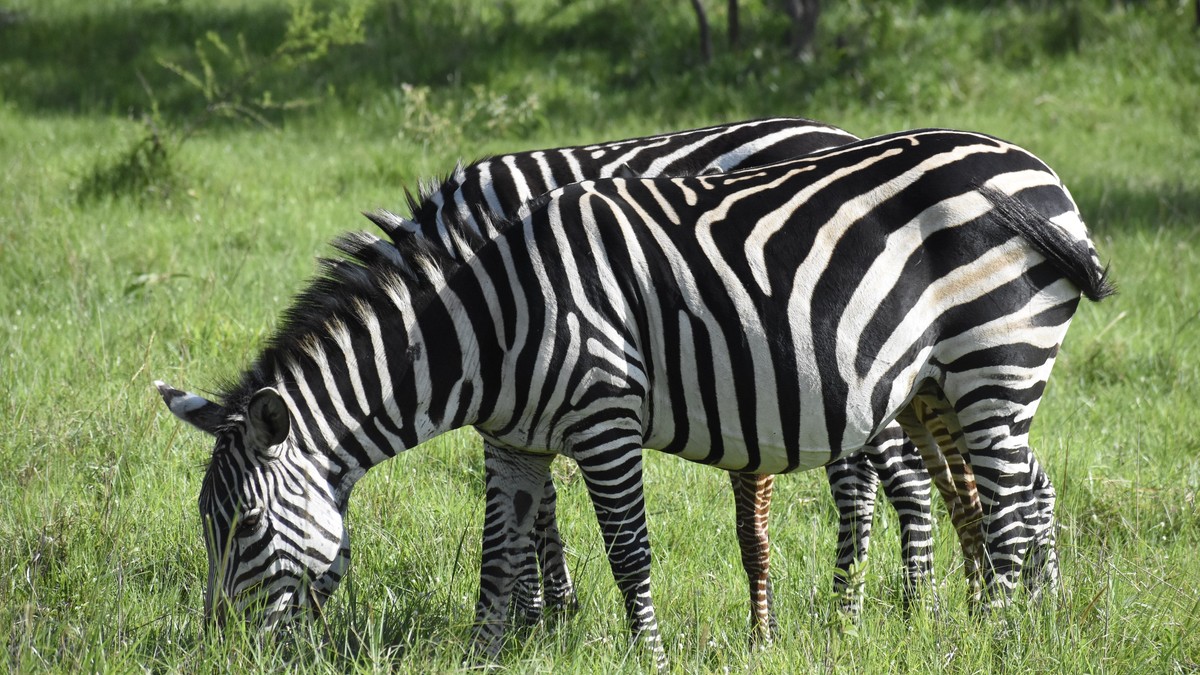
- Grevy’s zebra, the larger, narrow-striped cousin of the common zebra, with under 3,000 left in the wild
- Jackson’s hartebeest
- Elephant, buffalo, and occasionally black rhino on conservancies like Borana and Lewa
- Leopard, though sightings on horseback are rare and usually brief
Here is the honest trade-off nobody in the brochures tells you. Laikipia has fewer lions and fewer big cats generally than the Mara. Riding guides deliberately avoid areas with recent lion activity, and horses are far more skittish around cats than around herbivores. If lion sightings are your top priority, add a few nights in the Mara before or after. If you want proximity to plains game, elephant, and rare northern species, Laikipia delivers something the Mara cannot.
Named Camps and Conservancies
Several conservancies across Laikipia run dedicated riding programs, each with its own character.
Borana Conservancy borders Lewa and offers lodge-based riding with resident horses, strong for first-time riders in the region who still want an intermediate-plus experience.
Lewa Wilderness sits inside Lewa Wildlife Conservancy, a UNESCO World Heritage Site, and combines riding with the conservancy’s rhino population, viewed at a safe distance on foot or by vehicle rather than horseback.
El Karama, a working ranch on the Ewaso Nyiro River, runs some of the more affordable riding programs in the region and welcomes a wider range of rider abilities.
Loldaiga Hills offers mobile riding safaris that move camp every few nights, following game rather than staying fixed in one spot.
Suyian, part of the Ol Ari Nyiro ranch on Laikipia’s western edge, runs classic mobile riding safaris of 6 to 9 nights, considered among the most serious riding trips in East Africa.
Enasoit, near Nanyuki, offers shorter, more relaxed rides suited to families and less experienced riders.
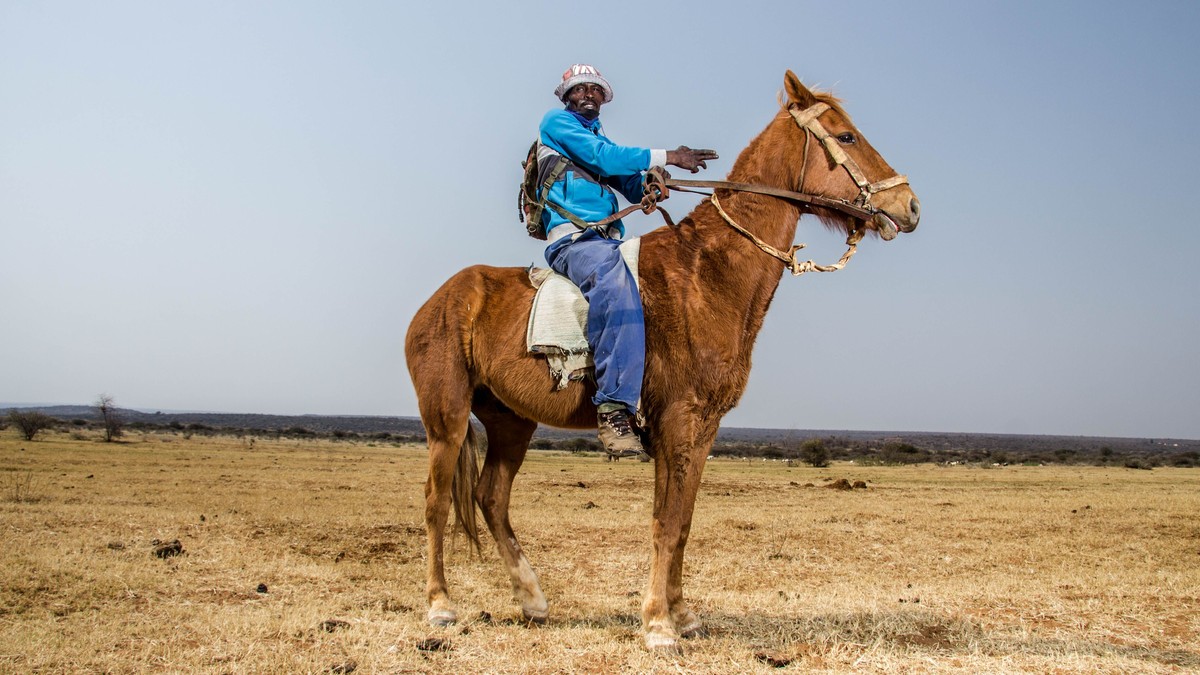
Horses and Tack
Safari horses in Laikipia are typically a mix of Kenyan-bred Thoroughbred, Boerperd, and part-Arab bloodlines, chosen for stamina, calm temperament, and the ability to stay steady around wildlife. Most camps use English saddles, and horses are trained over months, sometimes years, specifically to remain relaxed near buffalo, elephant, and predators.
Herd sizes at established camps usually run from 20 to 40 horses, matched to rider ability, weight, and experience level before you ever mount up.
Rider Requirements and Fitness
This is the part worth reading twice before you book. Most Laikipia riding camps require an intermediate-to-advanced rider: comfortable at a walk, trot, and canter, able to control a horse independently, and able to ride for 4 to 6 hours a day over several consecutive days.
Weight limits are common, usually between 90 and 95 kg, to protect the horses over long days in rough terrain. A handful of camps, including El Karama and Enasoit, offer gentler programs or leading options for beginners and children, but the mobile, multi-day safaris are not beginner territory.
A Typical Day in the Saddle
On a mobile safari, mornings start early, often before 6:30am, to ride while it is cool and animals are active. You might ride 3 to 4 hours before a bush breakfast, rest through the heat of midday, then ride again for 1 to 2 hours before sundowners. Camp moves every 2 to 3 nights by vehicle, so tents and kitchen crew are waiting when you arrive.
Lodge-based programs, like Borana or Lewa Wilderness, follow a similar rhythm but return to the same rooms each night, useful if you would rather unpack once.
Accommodation
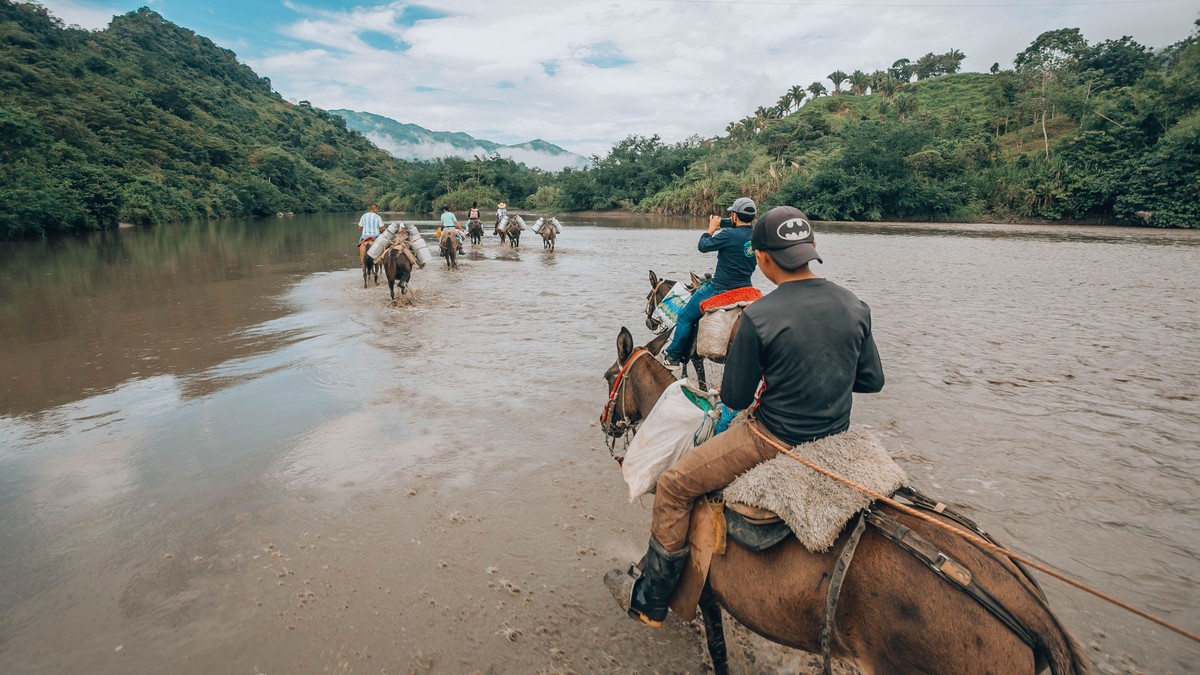
Expect canvas tents with proper beds, hot bucket showers, and simple but good food, usually stews, grilled meats, and fresh vegetables from nearby farms. Camps are deliberately unfenced, part of the appeal and the reason Valley Safaris always briefs guests on our unfenced tented camps in the bush before arrival. Lodge options, like Lewa Wilderness’s hillside cottages, add hot showers with a view and a bit more comfort at the end of a long ride.
Non-Riders and Mixed Groups
Nearly every camp welcomes non-riders. Days can include game drives, walking safaris with an armed ranger, fishing on the Ewaso Nyiro River, or simply reading by the pool at camps like Borana. Mixed groups of riders and non-riders are common and well handled by most operators.
Cost Comparison
Prices vary widely by camp, riding style, and season. These are indicative ranges based on current published rates, not fixed quotes.
| Camp / Conservancy | Distance from Nairobi | Drive Time | Riding Style | Indicative Price (per person, per night) |
|---|---|---|---|---|
| Borana Conservancy | ~200 km | 4-5 hrs | Lodge-based | $850-$1,100 |
| Lewa Wilderness | ~230 km | 5 hrs | Lodge-based | $900-$1,200 |
| El Karama | ~260 km | 5-6 hrs | Ranch-based | $450-$650 |
| Loldaiga Hills | ~220 km | 4.5-5 hrs | Mobile, moves every 2-3 nights | $700-$900 |
| Suyian (Ol Ari Nyiro) | ~280 km | 6 hrs | Mobile, 6-9 night package | $12,000-$15,000 total |
| Enasoit | ~210 km | 4.5 hrs | Lodge-based, family friendly | $500-$700 |
Most camps also fly guests in from Wilson Airport in Nairobi to Nanyuki or Lewa airstrip, roughly 45 minutes, for an additional $150-$300 per person each way. Shorter day rides, where available, run closer to $100-$400 for a half or full day, without accommodation.
Best Time of Year to Ride
June through October and January through February are the driest months, with shorter grass and better visibility for spotting game at a distance. The long rains, typically April and May, make trails muddy and grass tall enough to hide animals from a horse’s eye level, less ideal for riding, though camps do stay open. If you want to avoid the Mara’s July migration crowds while still riding under clear skies, September is a strong off-peak choice.
Safety Around Wildlife
Guides ride ahead and read the wind, the light, and animal behavior constantly. Horses are trained to stay calm, but every reputable operator carries a firearm for emergencies and maintains strict distance rules around elephant, buffalo, and any sign of predators. Riders are briefed daily on what to do if you meet dangerous game at close range, usually to stay still, stay grouped, and follow the guide’s lead exactly.
The Valley Safaris Difference
We do not sell one camp or one horse. We match you to the right conservancy based on your riding level, your group’s mix of riders and non-riders, and your appetite for mobile camp life versus a fixed lodge. If you are an intermediate rider chasing rare game, we might point you to Loldaiga. If you are traveling with a non-riding partner and want comfort at the end of the day, Lewa Wilderness or Borana may fit better. We are also upfront when a horseback safari is not the right call for your group, better to know that before you fly to Nanyuki than after. Before signing with any operator, it is worth reading our guide to questions to ask before booking a safari operator, riding-specific or otherwise.
Plan Your Laikipia Ride With Us
A horseback safari in Laikipia rewards a bit of planning: the right camp, the right season, and an honest look at your riding level. If this sounds like the trip you have been waiting to take, get in touch through our contact page and we will help you build it, conservancy by conservancy, saddle by saddle.