I once picked up a solo traveler from Nairobi’s Ronald Ngala bus stage in late April, soaked from a downpour, grinning because she had just booked four nights in the Mara for less than the cost of one peak season night. That is green season safari discounts Kenya in a nutshell.
If you can handle wet roads and a few overcast afternoons, April, May, and November are when Kenya gets genuinely cheaper, not just “10% off” cheaper, but sometimes half price.
When Kenya’s Green Season Actually Falls
Kenya has three rough seasons. Peak season runs July through October, when the wildebeest migration crosses the Mara River and every camp fills up. Shoulder season covers June and late December through March, when the weather is dry but the migration crowds have thinned. Green season is the rest: mid-March through May, and November through mid-December.
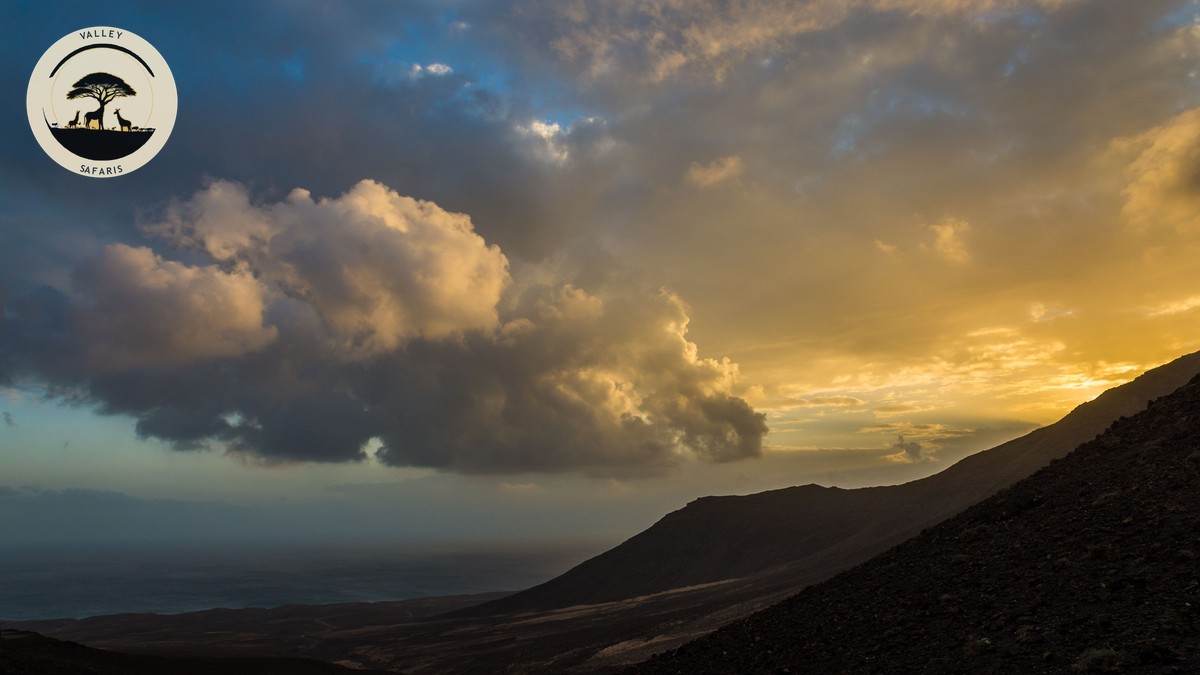
The long rains hit hardest in April and May, with afternoon downpours most days and occasional multi-day soaks. The short rains in November are lighter and shorter, often just an hour of rain before the sun comes back out. That difference matters for planning. It also explains why November discounts are usually smaller than April and May discounts.
Why the Rates Actually Drop
This is simple occupancy math. A camp with 12 tents needs bodies in beds to cover staff wages, generator fuel, and food costs, whether it is July or April. In green season, international demand falls because people assume, correctly, that the migration is not in the Mara and the roads are harder going. Camps would rather sell a bed at half price than let it sit empty, so rates come down fast, sometimes by 40 to 60 percent off peak rack rates.
Group joining safaris become genuinely cheap in this window too, since operators consolidate smaller groups into shared vehicles to keep costs down, and there are simply fewer travelers competing for those seats.
Green Season Safari Discounts Kenya: What You Actually Pay
Rack rates change often, so treat the figures below as an indicative range per person per night, sharing, based on typical 2025 to 2026 published rates. Always confirm current pricing directly with the camp or operator before booking.
| Camp / Lodge | Location | Peak season (Jul-Oct), USD pp/night | Green season (Apr-May), USD pp/night | Approx. discount |
|---|---|---|---|---|
| Governors’ Camp | Masai Mara National Reserve | 650-750 | 350-420 | ~45% |
| Kicheche Mara Camp | Mara North Conservancy | 700-800 | 380-450 | ~45% |
| Porini Lion Camp | Olare Motorogi Conservancy | 550-620 | 300-350 | ~40% |
| Tortilis Camp | Amboseli National Park | 600-700 | 320-380 | ~45% |
| Elephant Bedroom Camp | Samburu National Reserve | 450-520 | 250-300 | ~40% |
| Finch Hattons | Tsavo West National Park | 400-480 | 220-270 | ~45% |
Park and conservancy fees, on the other hand, barely move. The Kenya Wildlife Service charges non-resident adults roughly USD 60 to 70 a day to enter Amboseli, Tsavo East, and Tsavo West. The Narok County Government charges much more for the Masai Mara National Reserve, around USD 150 to 200 a day depending on season. That reserve fee rose sharply in recent years, so budget more here than for the national parks. Conservancy fees in places like Mara North and Naboisho run about USD 100 to 120 a night on top of accommodation. Those fees stay flat year round, so the real savings come from the accommodation rate, not the entry cost. This matters when you compare green season pricing against our guide to Kenya safari cost for a couple. Fixed park fees make up a bigger share of the bill once camp rates fall.
What Actually Closes, and What Just Gets Quiet
Here is the part most guides skip. Not every camp stays open in green season, and a few become hard to reach even if they do.
Some Mara North and Naboisho conservancy camps close entirely for parts of April and May because the black cotton soil access roads turn to thick mud that even 4×4 vehicles struggle with. Several Naboisho camps typically shut for two to four weeks in the heaviest rain window, usually mid-April to mid-May, and the steep escarpment road up to Angama Mara on the Mara Triangle side can also become treacherous in heavy downpours, though exact dates shift year to year with the weather.
Amboseli and Tsavo West rarely close outright since much of their road network sits on better-draining soil, but expect some interior tracks to be impassable after heavy rain, and morning game drives sometimes get rerouted. Samburu’s river-adjacent camps can face access delays if the Ewaso Nyiro River rises fast, though this is short-lived, usually a day or two.
The practical rule: conservancies with heavy black cotton soil (much of the Mara) are the highest closure risk. National parks with rockier or sandier terrain, like Tsavo West and Amboseli, stay open more reliably. Always ask your operator directly about closure dates for your exact travel window before you pay a deposit.
Best Parks for a Green Season Trip
If avoiding closures matters more than seeing the migration, aim for parks with reliable access. Tsavo West is one of the best-value parks to visit in green season, since the volcanic soil around Mzima Springs drains fast, roads stay usable, and the park turns green and dramatic with wildflowers after rain. Amboseli is a close second, especially for elephant sightings, since herds stay put around the swamps whether it is raining or not.
Samburu and Buffalo Springs are good picks too. The landscape is drier scrubland to begin with, so a few weeks of rain just makes it lush rather than muddy.
Budget and Group Options for the Rains
For backpackers, green season is when public transport and camping options make the most financial sense. A public bus from Nairobi’s Machakos Country Bus Station to Voi, near Tsavo, costs around KES 800 to 1,200 and takes about four to five hours. From Voi, shared matatus or a pre-arranged pickup cover the last stretch to the park gate.
Public campsites inside or bordering the parks, like those near Kimana Gate at Amboseli or Kamboyo in Tsavo West, run roughly KES 1,000 to 2,000 per person a night for a basic pitch with shared ablution blocks. Bring your own tent or rent one locally in Voi or Loitokitok.
Group joining safaris, where you share a vehicle and guide with other travelers booked separately, drop significantly in price during green season because operators need fewer paying seats to break even. A 3-day joining safari to the Mara that costs USD 550 to 650 per person in September can run closer to USD 320 to 400 in late April.
How Far Ahead to Book
Green season rates are usually published 6 to 9 months out, but the real bargains show up 4 to 8 weeks before travel, when camps start discounting further to fill remaining beds. If your dates are flexible, waiting until 6 weeks out often gets you the lowest published rate plus a last-minute reduction. If you need specific camps or exact dates, book 3 to 4 months ahead instead, since even in green season, well-known camps like Governors’ Camp and Tortilis do sell out on weekends.
Is Green Season Worth It?
For a budget backpacker who does not mind rain jackets and muddy boots, yes. You get 40 to 50 percent lower accommodation costs, quieter parks, and dramatic skies for photos. You trade away migration river crossings and a small chance of a rained-out game drive. Considering whether a Kenya safari is worth the cost at these discounted rates usually comes down to one thing. Green season removes the biggest cost driver, camp accommodation, while keeping the wildlife itself largely intact outside the migration months.
Couples and honeymooners do well here too. Several camps, including Porini Lion Camp and Elephant Bedroom Camp, run dedicated green season honeymoon rates with private dining thrown in, since fewer guests means more staff attention per couple.
The Valley Safaris Difference
We have been sending travelers into the Mara, Amboseli, Tsavo, and Samburu long enough to know which camps genuinely stay open in the rains and which quietly shut their gates. We check road conditions with our driver-guides directly before we confirm any green season booking, not from a brochure written in Nairobi.
We also build joining safaris specifically for backpackers and small groups, matching you with other travelers heading the same direction so the shared vehicle cost stays low. And we tell you honestly when a camp is worth the discount and when it is better to spend one more night in a park that will not leave you stuck in the mud.
Plan Your Green Season Trip
Ready to catch Kenya at its cheapest without the guesswork? Get in touch through our contact page or browse our Kenya safari tours to start planning a green season trip that fits your budget and your dates.