The first time a guest sees the words “bucket shower” on a camp info sheet, the questions start. Will there be enough water? Is it actually warm? What happens if you run out halfway through, covered in soap?
We get asked this more than almost anything else when guests are choosing a first camp, so consider this your bucket shower safari camp explained guide: the honest, detailed answer, not the two-line version most operator blogs give you.
Bucket shower safari camp explained: what it actually is
A bucket shower is a gravity-fed shower system used at tented and mobile camps that are not connected to a municipal water line or a pumped plumbing network. Staff heat water, pour it into a canvas bag or bucket, and hoist it above your head using a rope and pulley. Gravity does the rest.
It is not a bucket you tip over yourself. Once it is filled and hung, it works almost exactly like a normal shower: a tap or lever controls the flow through a showerhead at the bottom of the bag.
How the delivery system actually works
Most camps use a canvas or heavy rubber bag, roughly the size of a large duffel, with a metal ring at the top and a short hose and showerhead at the bottom. Here is the sequence:
- A camp attendant heats water over a wood fire, in a solar coil, or on a gas burner, depending on the camp.
- The water goes into the bag through a funnel or wide neck.
- The bag is hoisted on a pulley, usually mounted on a pole or tree branch above the canvas shower stall, until it hangs about 2 meters up.
- A tap or shut-off valve at the base of the hose lets you start and stop the flow, so you are not paying for water you are not using while you soap up.
Some camps, particularly smaller mobile setups in conservancies like Ol Kinyei and Naboisho in the Maasai Mara, use a simple metal bucket with a shower rose fitted to a hole in the base instead of a canvas bag. The mechanism is the same idea, just simpler hardware.
Water capacity and temperature
Expect roughly 10 to 15 liters per shower as a typical range. That is a working estimate, since exact volumes vary by camp and by bag size, not a fixed industry standard. For comparison, a standard home shower head in the US uses about 9 liters per minute, so a bucket shower gives you the equivalent of one to two minutes of home shower flow, spread out and controlled by your own tap.
The water is almost always heated before it goes into the bag, not cold. Camps time the heating so it arrives around 40 to 45 degrees Celsius, warm enough that it is still comfortable by the time you reach the last few liters. Wood-fired boilers, sometimes called donkey boilers, are common at classic tented camps. Solar water heating is increasingly common at camps built or renovated in the last five years, since it needs no fuel and no staff time standing over a fire.
Which camps use bucket showers, and why
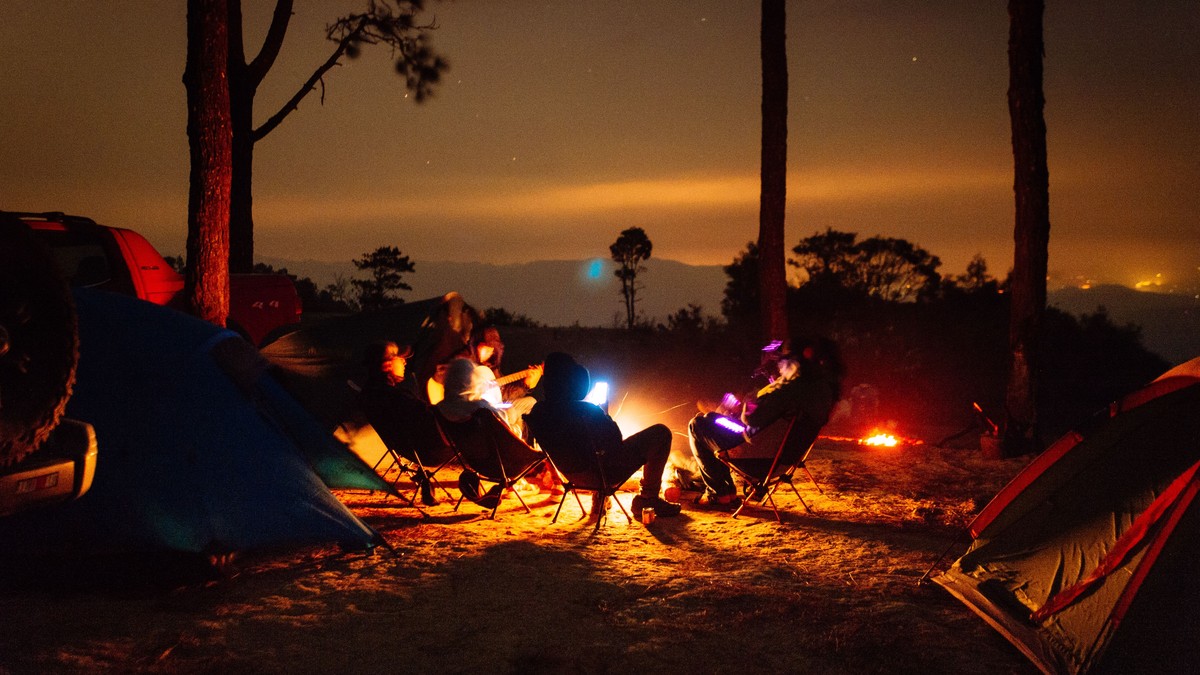
Bucket showers show up almost exclusively at camps without piped water infrastructure: seasonal mobile camps, fly-camps used for sleeping out under the stars at a mobile camp, and smaller tented camps built to leave a light footprint on conservancy land. Permanent lodges with borehole pumps and generator-backed plumbing usually run standard pressurized showers instead.
The trade-off is deliberate. A bucket shower system needs no trenching and no fixed plumbing. Camps can dismantle it at the end of a season with almost no trace left on the land. That matters in conservancies where camps operate under strict environmental agreements with the Maasai landowners who lease the ground.
| Camp / Conservancy | Shower type | Heating method | Typical capacity per shower | Approx. distance from Nairobi | Indicative rate (per person/night, high season) |
|---|---|---|---|---|---|
| Porini Lion Camp, Olare Motorogi Conservancy | Bucket shower | Wood-fired boiler | 10-15 liters | ~270 km, 45-min flight to Mara North airstrip | USD 450-650 |
| Elephant Pepper Camp, Mara North Conservancy | Bucket shower | Wood-fired boiler | 10-15 liters | ~270 km, 45-min flight | USD 400-600 |
| Kicheche Valley Camp, Mara Naboisho Conservancy | Bucket shower | Solar-heated tank | ~15 liters | ~275 km, 45-min flight | USD 500-750 |
| Angama Mara, Oloololo Escarpment | Plumbed hot shower | Gas geyser, generator-backed | Unlimited | ~270 km, 1-hr flight to Kichwa Tembo | USD 900-1400 |
Rates above are indicative 2026 high-season ranges based on typical published pricing. Confirm exact rates directly with each camp when booking, since operators adjust seasonally.
Practical tips for using a bucket shower well
A few things nobody tells first-timers:
- Wash your hair last, and use a small amount of shampoo. Because volume is fixed, most experienced safari travelers rinse quickly rather than lingering under the flow.
- If you are in a group tent or a family unit, ask your camp to fill a second bag if you want to shower right after someone else. Most camps will do this without complaint if you ask ahead.
- Camps usually ask you to request your shower time an hour or two in advance, often at the end of a game drive, so staff can time the heating correctly. This is worth building into your day, especially if you want a shower right before dinner.
- If you run low on water partway through, call out. Attendants are almost always within earshot and will bring a top-up bag quickly.
- Bucket showers are just as hygienic as any other shower. The water is heated fresh for each use and the canvas stall is cleaned between guests.
Water conservation and the bigger picture
The limited-volume design is not only about logistics. Water in the Maasai Mara ecosystem and in Laikipia’s dryland conservancies is a genuinely scarce resource, especially outside the rainy months of April to May and November. Camps that run on bucket systems use a fraction of the water a plumbed lodge does per guest per night, and many route their greywater into filtration pits rather than back into the ground untreated.
This ties directly into the conservation fees every guest pays on entry. If you want the fuller picture of what that money funds, including borehole maintenance and water access for community herds, we cover it in our piece on where your park and conservation fees actually go.
Is a real shower an option instead?
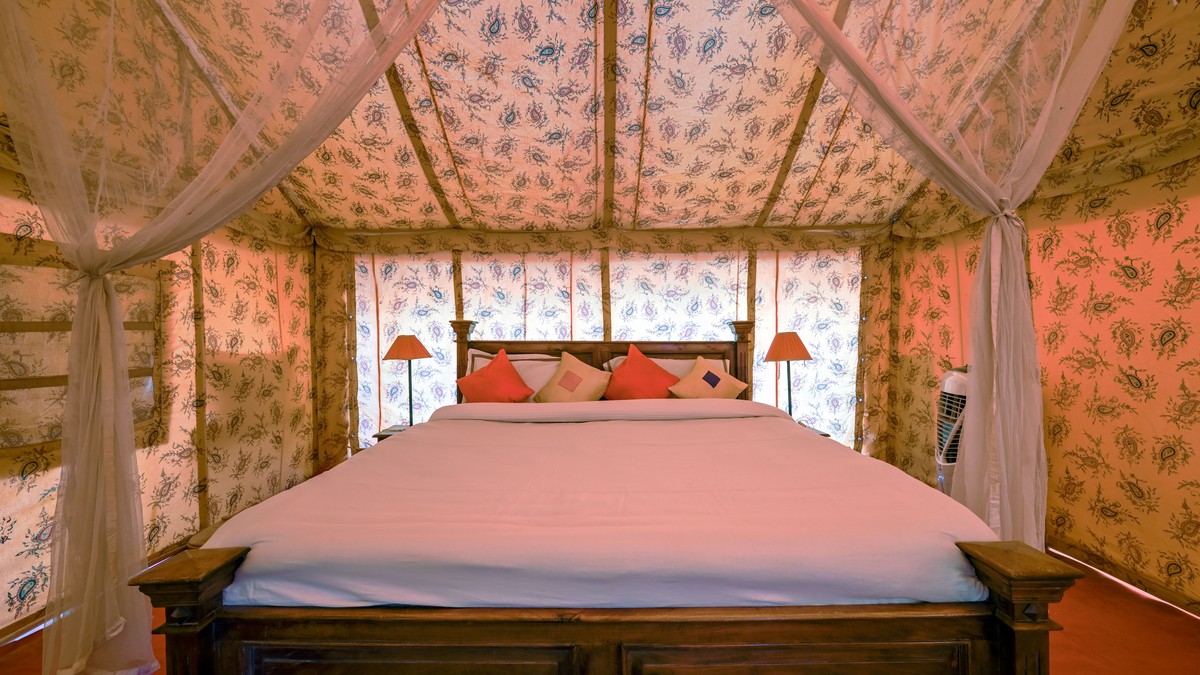
Yes, if that matters to you. Larger permanent lodges, including Angama Mara and most properties inside the Mara Triangle, run plumbed hot showers with steady pressure. Some higher-end tented camps offer a hybrid, a bucket-fed shower for the safety of low water use, but with a proper showerhead and larger bag volume that feels closer to a normal shower.
If comfort matters more to you than the classic mobile-camp feel, say so when you are choosing a safari conservancy. It is one of the easiest things to filter for, and it changes which camps make sense for your trip.
The Valley Safaris Difference
We do not sell bucket showers as an adventure novelty, and we do not hide them either. When we build your itinerary, we tell you exactly which nights involve a bucket shower, what time the camp will ask you to request one, and roughly how many liters you will get. If hot, unlimited water matters more to you on night three than night one, we will plan around that.
We have stayed in most of the camps we recommend, so when we say Elephant Pepper Camp’s wood-fired water tends to arrive properly hot by 6pm and Kicheche Valley’s solar system runs cooler on overcast days, that comes from experience, not a brochure. First-time travelers get the plain, practical version of what to expect, not the polished version.
Plan your trip with us
If you are weighing mobile camps against permanent lodges, or just want to know which nights on your itinerary involve a bucket shower and which do not, we are happy to walk through it with you. Take a look at our Maasai Mara safari tours or reach out through our contact page to start planning.