Our guide Joseph tells a story about a family at Samburu who left a bag of oranges zipped inside their tent for twenty minutes. When they came back, the zipper was open, the bag was gone, and a young baboon was eating breakfast on the veranda roof. Nobody was hurt. The kids thought it was the best part of the trip. But it is a good example of how fast baboons and monkeys go about raiding tents, and why a little planning goes a long way.
If you are traveling with kids and picturing lazy afternoons at a tented camp, this is the practical stuff nobody tells you before you go. Not to scare you off unfenced camps, which are some of the best in Kenya, but to help you enjoy them without losing your snacks, your sunglasses, or a piece of skin.
Why Baboons and Monkeys Raid Camps
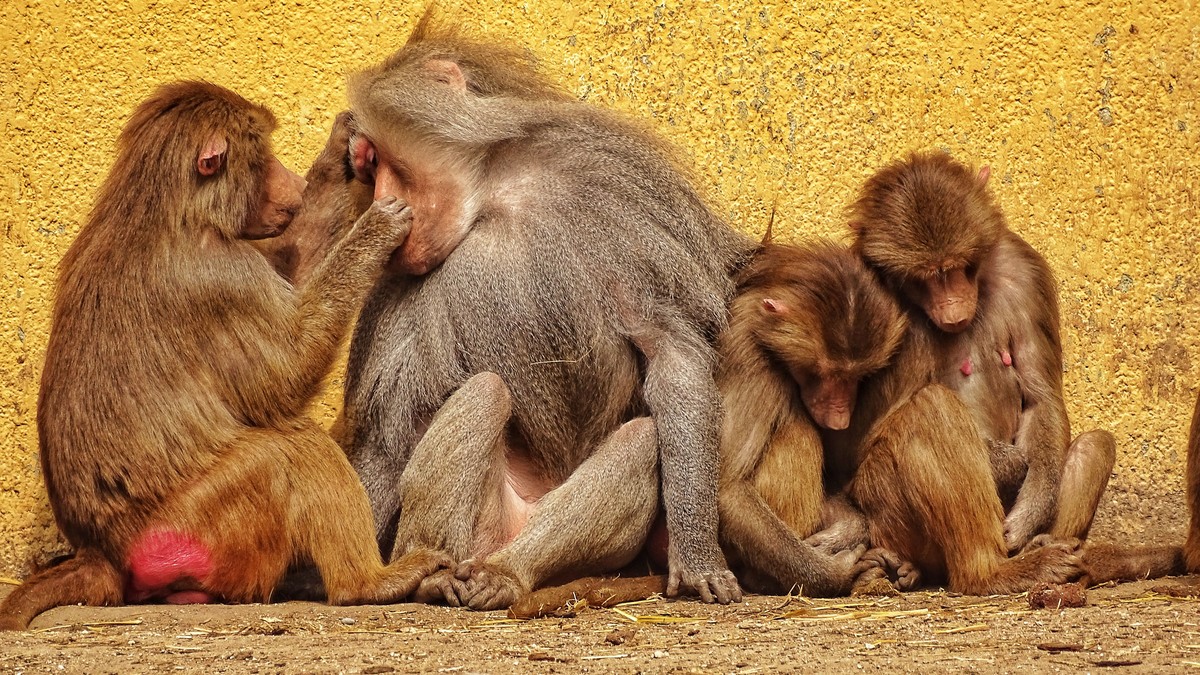
Baboons and vervet monkeys are not hunting you. They are opportunists looking for an easy meal. Camps sit inside their home range, and a tent full of fruit, biscuits, or a half-finished juice box is much less work than foraging in the bush.
Olive baboons, the ones you will mostly see around Samburu, Amboseli, and the Mara, are strong, confident, and used to camp routines. Vervet monkeys are smaller and quicker, and they tend to work in troops, which means one distracts you while another slips in the back of the tent. Both learn camp layouts fast. If a troop has successfully raided a tent before, they will try the same trick again on the next guest.
This is normal wildlife behavior, not aggression. It becomes a problem only when animals get used to human food, which is exactly what good camps try to prevent.
Tent Security Weak Points
Most safari tents are built for airflow and views, not for keeping out an animal with hands. Baboons in particular have been seen working zip pulls with real patience. A few spots to watch:
- Zippers left half open. A baboon can hook a finger through a small gap and pull. Fully close every zipper, top to bottom, every time you leave.
- Velcro seams on tent flaps and duffel covers. Monkeys figure out velcro quickly, especially if they have watched staff open it.
- Mesh windows without a solid outer flap. Mesh keeps out mosquitoes, not primates. If your tent has a canvas or zip cover over the mesh, use it when you are out.
- Open verandas and daybeds. Anything left on an open deck, sunscreen, snacks, even a shiny water bottle, is fair game.
Before your trip, it is worth reading our dangerous animals safari safety rules guide, since tent security is really one part of a bigger set of camp habits that keep everyone safe.
Food Storage and Camp Discipline
The single biggest factor in whether baboons and monkeys bother your tent is food discipline, yours and the camp’s. A few habits matter more than any lock:
- Never store snacks, fruit, or drinks in your tent, even zipped in a bag. Smell gets through fabric.
- Keep toiletries out of sight too. Toothpaste and some sunscreens smell sweet enough to interest a monkey.
- Ask camp staff where to store day packs during game drives. Most camps have a dining tent or lockbox for this.
- Put rubbish in the bins provided, not loose in your tent bin, and definitely not outside your tent flap overnight.
- If room service or a picnic delivers extra food, ask staff to clear plates promptly rather than leaving them for later.
Tented camps like Elephant Watch Camp in Samburu, which sit right in baboon and vervet territory with no fence at all, run on exactly this kind of discipline. Guests who follow the same rules rarely have a problem.
Never Feed Wildlife
This one seems obvious until a five-year-old wants to toss a biscuit to a monkey on the fence line. Do not do it, even once. Feeding primates teaches them that humans equal food, which is how a shy troop becomes a bold one that pushes into tents, dining areas, and vehicles.
Camps near popular stops, including some lodges around Lake Nakuru and parts of the Mara, have had to deal with habituated troops that lost their natural caution because past guests fed them. It takes months of camp management to undo that, and in the meantime it makes every guest’s stay riskier.
Daytime vs Nighttime Raiding Patterns
Baboons are daytime raiders. Troops are most active in the early morning, around breakfast, and again in the late afternoon when camp is quiet and tents are unattended. They rarely enter tents after dark, since baboons sleep in trees or on cliffs at night and are genuinely nervous of moving around camp once the light drops.
Vervet monkeys follow a similar daytime pattern but are bolder around midday, especially at camps near water or fruiting trees. Nighttime tent visitors are far more likely to be genets, mongooses, or the odd hyena checking a bin, not primates. That said, always zip your tent fully before you sleep and before every game drive, no matter the time of day.
Fenced vs Unfenced Camps
Both types have their charm, but the raiding risk is genuinely different. Here is how it breaks down at real camps and parks, with rough distances and costs for planning:
| Camp / Park area | Distance from Nairobi | Drive time | Fencing | Baboon/monkey risk | Park or conservancy fee (per adult, per day, indicative) |
|---|---|---|---|---|---|
| Elephant Watch Camp, Samburu | 345 km | 6-7 hrs by road, about 1 hr by air | Unfenced | High, daily vervet and baboon activity | USD 70-100, Samburu National Reserve |
| Ol Pejeta Bush Camp, Laikipia | 220 km | 4 hrs by road | Partially fenced | Moderate, olive baboons in the area | USD 90-100, Ol Pejeta Conservancy |
| Mara Serena and similar tented camps, Maasai Mara | 270 km | 5-6 hrs by road, about 45 min by air | Unfenced | High, both species raid regularly | USD 80, Maasai Mara National Reserve, high season |
| Lodges around Lake Nakuru National Park | 160 km | 2.5-3 hrs by road | Fenced | Low, occasional vervet visits | USD 60, Lake Nakuru National Park |
Fees change with the season and Kenya Wildlife Service updates, so treat these as a planning range and confirm current rates when you book. Unfenced camps like Elephant Watch put you closer to the wild feel families remember most, but they do ask a bit more tent discipline from you.
What To Do When Baboons or Monkeys Are Raiding Your Tent
Stay calm and give the animal an exit. Most raids are over in seconds once the animal has what it wants.
- Do not corner it or block the tent entrance. A trapped baboon can act defensively.
- Do not try to grab food back from its hands.
- Step back, open the tent fully, and let it leave the way it came in.
- Call for camp staff. Askaris, the camp guards found at most tented properties, deal with this often and know how to move a troop along without drama.
- Once it is gone, check the tent for torn mesh or broken zips and report it so staff can fix it before dark.
If it happens during the day with kids nearby, keep them a few steps back and let an adult or staff member handle it. Baboons rarely chase people who are not chasing them.
Bite and Scratch Risk, and When to Get Help
Direct bites are rare if you follow the rules above, but they do happen, usually when someone tries to take food back or corners an animal by accident. Any bite or scratch from a baboon or monkey needs proper attention. Wash the wound with soap and clean water for a full five minutes, then get it looked at by camp medical staff or a doctor as soon as possible.
Rabies exposure is the real concern with any primate bite in Kenya, and post-exposure treatment works best when started quickly. Most camps carry a first-aid kit and know the nearest clinic, but a deeper bite, especially far from town, may call for medical evacuation if a bite needs urgent care rather than waiting it out. Do not treat a bite as minor just because it looks small.
Staff and Camp Protocols
Good camps take this seriously. Expect to see askaris walking guests to and from tents after dark, padlocks on tent zips or lockboxes for valuables, and staff who ask you directly to keep tents zipped when you are out. These are not formalities. They come from years of camps learning what actually stops raids.
If a camp does not mention any of this at check-in, ask. A quick two-minute briefing on food storage and tent security is standard at well-run properties and worth requesting if you were not offered one.
The Valley Safaris Difference
We brief every family before check-in on exactly what their specific camp does about baboons and monkeys, because Elephant Watch Camp and a fenced lodge near Nakuru need different habits from their guests. We also pick camps to match how much wild edge a family actually wants. Some parents love an unfenced camp with monkeys on the deck at breakfast. Others prefer a fenced property so the kids can run between tents without a chaperone. Both are good trips. We just make sure you know which one you are booking, and we build in the malaria zone advice, family room options, and pacing that come with traveling with kids, not just the wildlife notes.
Plan Your Trip With Us
If you are picturing a family safari with the right mix of adventure and easy nights, we would love to help you plan it. Have a look at our safari tours or get in touch through our contact page and we will match you with camps, and camp rules, that fit your family.