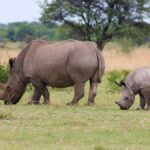
Every backpacker blog will tell you Kenya is doable on a budget. Fewer will tell you the Masai Mara entrance fee jumped from $80 to $200 per person, per day, in 2024. That single change rewrites the math on almost every “cheap safari” itinerary still floating around online.
This guide gives you the real numbers for 2026, honest trade-offs, and shows you the best Kenya safari for gap year students who have three weeks and a tight wallet.
Why Kenya is the best Kenya safari for gap year students
Kenya packs more accessible wildlife per kilometer than almost anywhere else in Africa. The Masai Mara sits about 270 km from Nairobi, roughly a five to six hour drive on the B3 and C12 roads. Amboseli, with Mount Kilimanjaro as a backdrop, is about 240 km south. Lake Naivasha is barely 90 minutes from the capital, an easy first stop to adjust before the longer drives.
You do not need a car, a guide, or a big group to see lions, elephants, and wildebeest herds. You need a plan that matches your budget to the right kind of safari.
Best time to go without paying peak prices
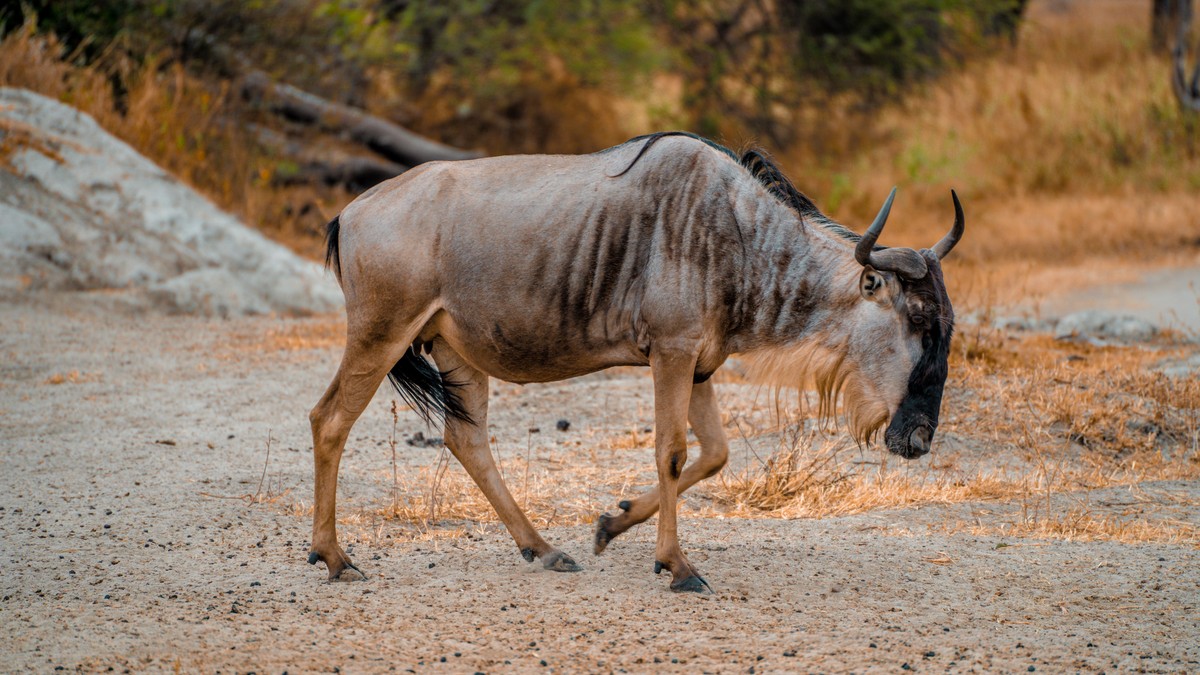
July through October is the dry season and also the Great Migration window, when wildebeest cross the Mara River. It is beautiful and it is expensive, with camps often full weeks ahead.
The shoulder months, November and March, offer good value. Rain is light, grass is greener, and camp prices often drop 15 to 25 percent. April and May are the low season. Roads can get muddy and some camps close, but prices fall further and you will share sightings with far fewer vehicles.
For a gap year traveler working around a term calendar, late November or early March usually hits the sweet spot of good weather and lower cost.
What a safari actually costs per day
This is where most budget guides mislead readers, because they quote old park fees. Here is a realistic comparison for 2026, per person, based on a shared group vehicle:
| Safari style | Accommodation | Masai Mara park fee (per day) | Typical all-in cost per day | Group size |
|---|---|---|---|---|
| Budget camping (shared) | Public campsite, own or shared tent | $200 non-resident adult | $110 to $160 | 4 to 7 travelers |
| Mid-range camp | Semi-permanent tented camp, full board | $200 non-resident adult | $180 to $260 | 2 to 6 travelers |
| Private/luxury | Lodge or luxury tented camp | $200 non-resident adult | $350 and up | 1 to 4 travelers |
The park fee no longer scales much with your budget tier. A student on a shared camping trip and someone on a $400-a-night lodge stay pay the same $200 gate fee. That fee alone can be 40 percent or more of a camping safari’s daily cost, which is exactly why group safaris matter so much for students. Splitting a vehicle and guide across six people, rather than two, is what keeps the per-person total livable. Always check the current Masai Mara park fees before you book, since county rates do shift.
Getting from Nairobi to the Mara without an expensive tour
The DIY route works, but be honest with yourself about the trade-offs first.
By matatu and shared transport: Take a matatu from Nairobi’s Ronald Ngala Street area to Narok town, about 2.5 to 3 hours for roughly KES 400 to 600. From Narok, shared taxis or occasional matatus continue toward Sekenani Gate or Talek Gate, another 2 to 3 hours over rougher road. Total cost can run KES 1,500 to 2,500 one way, a fraction of a private transfer.
The catch: onward transport from Narok to the gate is irregular, especially outside peak season, and the last stretch is unpaved and slow after rain. Budget a full travel day each direction, and do not plan a same-day game drive on arrival.
By shared shuttle or tour vehicle: Most budget operators run a shared Land Cruiser or minibus straight from Nairobi to camp for $50 to $90 per person one way, arriving in four to five hours on decent road. It costs more than the matatu route but saves a full day and removes most of the breakdown and scam risk.
For a two to three week gap year trip, the shared shuttle is usually worth the extra $30 to $40. It buys back a travel day you can spend in the park instead.
What’s included in a budget camping safari
Read the fine print before you book. A genuine budget package should include:
- Transport in a safari vehicle with a pop-up roof
- A driver-guide
- Camping fees and tent (sometimes shared)
- Game drives as listed, usually two per day
- Some or all meals, often breakfast and dinner only
It usually does NOT include the park entrance fee, drinks, tips, sleeping bag rental, or lunch on driving days. Ask for a full breakdown before you pay a deposit, and compare it against advice on how to avoid a fake safari operator, since underpriced quotes that hide the park fee are the most common trick.
Where to sleep: camps and hostels
Public campsites at Masai Mara gates, like those near Talek, run about $15 to $25 per person per night for a basic pitch with shared toilets and cold showers. Budget tented camps such as Miti Mingi Eco Camp near Sekenani Gate offer beds, mosquito nets, and simple full board from roughly $60 to $90 per person per night, a solid middle ground for students who want a bit more comfort without lodge prices.
Before you head out, spend a night or two in budget hostels in Nairobi before your safari to sort logistics, buy last-minute gear, and meet other travelers to join a group vehicle. Splitting a safari with people you met at a hostel is one of the most common ways students cut costs in Kenya.
A sample 5-day budget itinerary
- Day 1: Arrive Nairobi, hostel night, sort gear and group.
- Day 2: Shared shuttle to Masai Mara camp near Sekenani Gate, afternoon game drive.
- Day 3: Full day in the Mara, morning and evening game drives, picnic lunch in the park.
- Day 4: Morning drive, transfer toward Lake Naivasha, afternoon boat ride or walk near Hell’s Gate.
- Day 5: Return to Nairobi, free afternoon, evening flight or onward travel.
Rough total for this route, camping tier, including the $200 daily park fee: $650 to $850 per person, split across a group of five or six.
Safety, visas, and packing basics
Kenya is generally safe for solo and first-time student travelers who stick to known routes and reputable camps. Stay alert around bus stations in Nairobi and Narok, keep valuables in a money belt, and avoid arriving anywhere after dark on your first trip.
Most nationalities need an eTA (electronic travel authorization) to enter Kenya, applied for online before departure. Apply at least a week ahead, since processing can take a few days.
Pack light neutral clothing, a warm layer for early morning drives, a headtorch, a reusable water bottle, insect repellent, and a basic first aid kit. If you are camping, ask whether a sleeping bag is included or needs renting locally, since renting in Nairobi is cheaper than checking one in on a flight.
The Valley Safaris Difference
Generic budget guides give you a range and hope it works out. We give you named camps, current fees, and a group vehicle already full of other students, so you are not the one stuck negotiating with a stranger at a bus stage in Narok. Our guides also know which conservancies, like Ol Kinyei near the Mara, offer quieter sightings when the main reserve gets crowded during migration months.
We build every gap year itinerary around your actual dates and budget, not a template, and we tell you upfront what the park fees will really cost this year.
Plan it with us
If you want a Kenya safari that fits a gap year budget without the guesswork, we can help you build it properly. Have a look at our Masai Mara safari packages or reach out through our contact page to start planning your dates.