Most first-time travelers pack for heat. Shorts, sandals, sunscreen. Then the 5:30am wake-up knock comes, and they step outside in the dark shivering. Kenya sits on the equator, so cold safari nights catch people off guard every single week.
Here is the honest answer to how cold are safari nights in Kenya. It depends heavily on where you sleep, not just what month you travel. A camp in Laikipia can be 8°C colder at night than a camp in Tsavo, even on the same date. Altitude, not latitude, runs the show.
How Cold Are Safari Nights Despite the Equator?
Kenya’s equator location controls daytime sun angle, not night temperature. Night temperature comes down to altitude and clear skies.
Most safari camps sit between 800 and 2,100 meters above sea level. Nairobi itself sits close to 1,700 meters, so many camps start at city altitude before you even factor in open plains and clear night skies. Thin, dry air at altitude cannot hold onto daytime heat once the sun sets. Add the clear skies typical of Kenya’s dry months, and heat radiates straight up into space with nothing to trap it. By 4am, a camp that hit 30°C at lunch can sit at 9°C.
Coastal or low-lying parks stay warmer because thicker, more humid air holds heat longer. That single fact explains most of the temperature gap between Kenya’s safari regions.
Day vs. Night: The Swing Is Bigger Than You Think
This daily swing, called the diurnal range, is one of the most underestimated parts of trip planning. On a dry-season day in the Mara, you might sweat through a 29°C afternoon game drive, then need a fleece and gloves for the 9°C predawn drive twelve hours later. A swing of 15 to 20°C in a single day is normal, not unusual.
Green season months narrow that swing. Cloud cover and humidity trap more heat overnight, so nights stay milder, usually only 5 to 10°C cooler than the day.
Month by Month: When Nights Bite Hardest
The coldest nights fall in the heart of the dry season, from June through September, with July and August as the sharpest. Skies are clearest then, which is great for game viewing and terrible for staying warm at 5am.
- June to August: coldest nights of the year, especially at higher-altitude camps. Frost is rare but not unheard of in Laikipia.
- September to October: still dry and clear, nights start warming slightly.
- November: short rains bring cloud cover back, nights get milder but wetter.
- December to March: hot, dry-ish season, warmest nights of the year.
- April to May: long rains, humid air keeps nights mild despite heavy downpours.
Park by Park: Altitude Drives the Difference
This is the table other guides skip. Kenya’s parks sit at very different elevations, and that gap matters more than the calendar. Figures below are indicative ranges based on typical dry-season and hot-season lows, since exact nightly temperatures vary year to year.
| Region | Approx. Elevation | Typical Night Low (Jul-Aug) | Typical Night Low (Dec-Feb) | Drive Time from Nairobi | Park Fee (non-resident, per day) |
|---|---|---|---|---|---|
| Masai Mara National Reserve | 1,500-2,170m | 8-12°C | 14-17°C | 5-6 hrs (270km) or 45 min flight | around USD 100 (peak season) |
| Amboseli National Park | 1,100-1,200m | 10-14°C | 16-19°C | 4 hrs (240km) | around USD 60 |
| Samburu National Reserve | 800-1,000m | 14-17°C | 18-21°C | 5-6 hrs (325km) | around USD 70 |
| Laikipia Plateau (Ol Pejeta, Lewa) | 1,800-2,000m | 5-9°C | 12-15°C | 3-4 hrs (200km, via Nanyuki) | around USD 90 (conservancy fee) |
| Tsavo West/East National Parks | 200-700m | 16-19°C | 20-23°C | 4 hrs (230km) | around USD 52 |
Notice Laikipia and Tsavo. They can sit under 400km apart, yet nights differ by close to 10°C because of altitude alone. If a first-time traveler asks us to compare Ngorongoro Crater cold to Kenya, we point them here instead. Ngorongoro is in Tanzania, but Kenya’s own Laikipia highlands get just as cold, sometimes colder, without crossing a border.
What to Pack for Cold Mornings and Nights
Layering wins over one heavy jacket. Temperatures on a single game drive can swing 15°C between the 6am start and 9am sun. We always recommend what to pack for chilly game drives before a Kenya trip, but the short version is:
- A base layer (merino or synthetic, not cotton)
- A warm mid-layer fleece
- A windproof outer shell, since open vehicles create real wind chill
- A wool beanie and gloves, especially for Laikipia or Mara camps above 1,500m
- Wool socks, closed shoes, and a scarf or buff for dust and cold together
Pack these even for a July or August trip in the “hot” equatorial country. That instinct to leave warm layers home is the single most common packing mistake we see.
What Camps Actually Provide
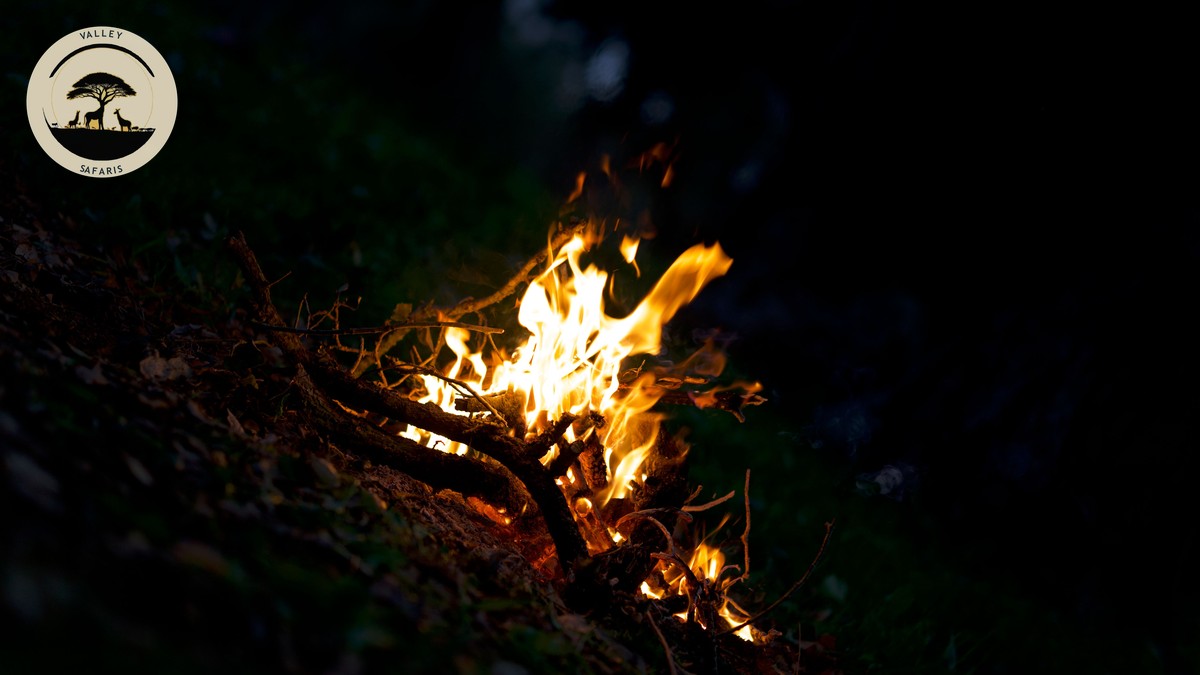
Most established camps in Kenya know their own microclimate well and plan for it. Hot water bottles tucked into your bed before dinner are standard at most tented camps in the Mara and Laikipia during dry-season nights. Wool blankets are usually stacked on the bed already. Many camps hand out fleece ponchos or blankets for the vehicle before early drives, and some light a campfire at the mess tent for guests to warm up before or after dinner.
Do not assume every camp supplies everything, though. Budget mobile camps and smaller conservancy campsites may only offer a blanket, not a poncho or hot water bottle. We flag this camp by camp when we build an itinerary, so nobody arrives at a chilly Laikipia tent expecting central heating that was never part of the package.
Early Morning Game Drives and Wind Chill
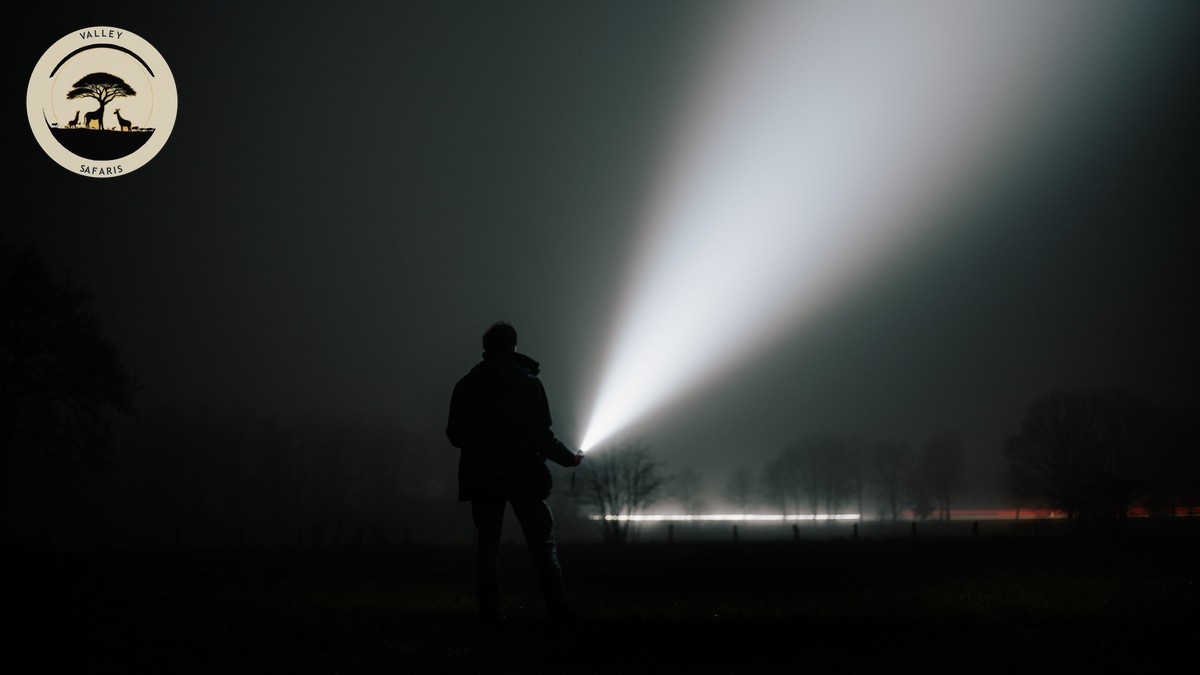
The coldest fifteen minutes of any safari happen just before sunrise, in an open-sided vehicle moving at speed. Wind chill can drop the felt temperature another 3 to 5°C below the still-air reading. A 9°C morning in the Mara can feel closer to 4°C once the vehicle gets moving.
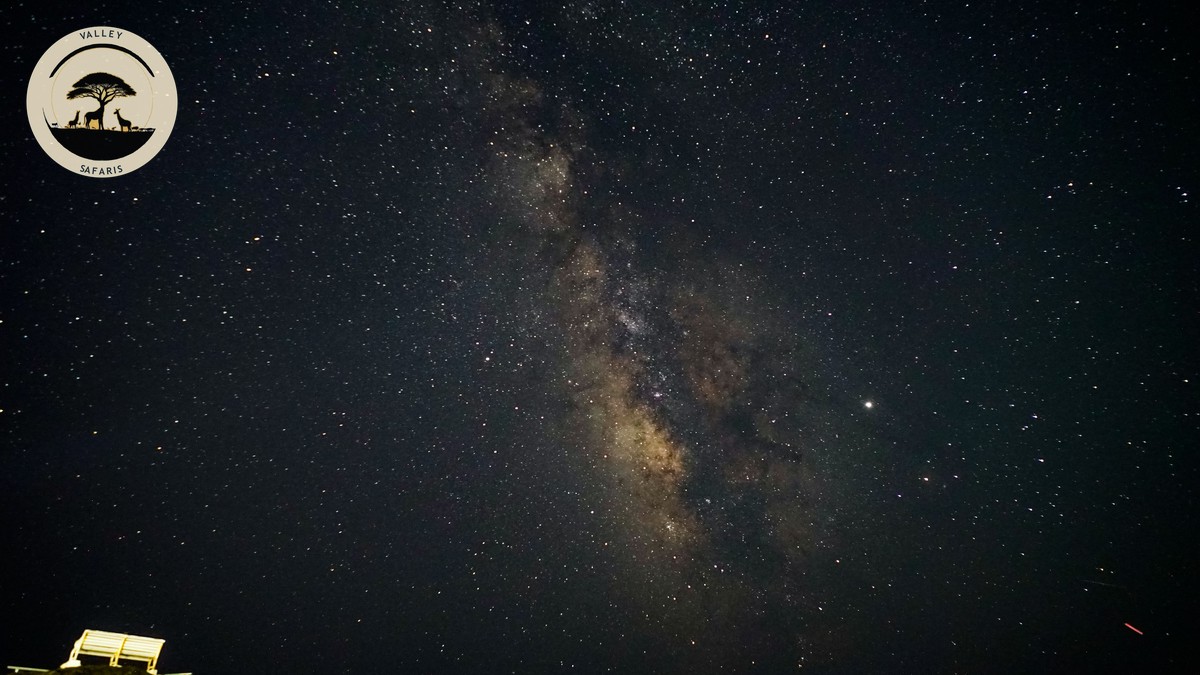
This is also the payoff. Those same clear, cold nights are perfect for stargazing, and dawn light on a cold morning tends to bring out the best animal activity, since predators move while the air is cool. Guides usually carry extra blankets in the vehicle, but a personal balaclava or neck gaiter makes a real difference on a 45-minute drive to find lions before breakfast.
Dry Season vs. Green Season: The Honest Trade-off
Most guides skip this part, so here it is straight. Dry-season nights, June through October, are the coldest of the year. They are also when game viewing peaks, since animals gather at shrinking water sources and grass is short enough to spot cats easily.
Green-season nights, April, May, and November, run milder and the days feel softer too. Rates drop as well. Travelers who choose milder green-season nights at lower prices often trade a slightly wetter itinerary and shorter grass views for real savings, sometimes 20 to 40 percent off peak dry-season rates.
Neither season is wrong. It comes down to whether you would rather bundle up for the best wildlife odds, or save money and pack one less fleece.
The Valley Safaris Difference
We have sent first-time travelers to every region in that table above, and we build trip-specific packing notes for each one, not a generic list. If your itinerary includes a night at 2,000m in Laikipia followed by two nights at 1,100m in Amboseli, we tell you exactly where to expect the cold snap and where you can pack lighter.
We also choose camps based on more than photos. We know which ones stock hot water bottles as standard, which ones light a fire every night, and which smaller camps need you to bring your own extra layer. That local knowledge comes from guides and camp managers we have worked with directly, not from a spreadsheet of average temperatures.
Ready to Plan Around It?
Cold nights should never be a surprise on your Kenya trip, and with the right camp and the right layers, they become one of the best parts of it. Quiet, starlit, and worth the extra fleece.
If you want a Kenya itinerary built around real temperatures, not guesswork, explore our Masai Mara safari tours or get in touch through our contact page and we will help you plan it properly.