Your kids will ask this question before you even reach the airstrip. Why don’t the lions just attack the car? It is a fair question, and the answer lies in the dangerous animals safari safety rules that guide every game drive.
The short version: a safari vehicle is not invisible, but it reads as one large, unfamiliar shape rather than a group of small, edible ones. Break that shape, and the rules change fast. This guide walks through exactly what keeps families safe on game drives across Kenya, from Maasai Mara to Samburu, and what your guide is actually doing when an elephant turns to face you.
Why You Must Stay Inside the Vehicle
Lions, elephants, and buffalo have grown up around vehicles for decades in places like the Mara and Amboseli. They have learned to treat a Land Cruiser as one big, slow-moving, non-threatening object. It does not smell like prey. It does not move like a person.
The moment someone stands up, leans out, or steps down, that single silhouette breaks apart. A human shape appears, and animals react to humans very differently than they react to vehicles. This is the single most important reason to stay seated and inside the car, always, even for a photo.
Core Dangerous Animals Safari Safety Rules
Every reputable operator briefs guests on the same basics before the first game drive. They matter more than they sound.
- Stay seated when the vehicle is moving, and only stand through the roof hatch when your guide says it is safe.
- Keep arms, legs, and cameras inside the vehicle at all times near dangerous animals.
- Speak quietly. Loud voices carry and can startle animals or push them off a natural path.
- Never feed wildlife, even birds or vervet monkeys at a picnic stop.
- No sudden movements during a close sighting. Slow is the rule.
These rules feel small until you are twelve meters from a pride of lions on a kill in Naboisho Conservancy. Then they make complete sense.
Following Your Guide During a Sighting or Charge
Your guide has probably logged thousands of hours behind the wheel in places like the Mara Triangle or Ol Pejeta in Laikipia. When they say “sit down” or “window up,” they mean it immediately, not in a moment.
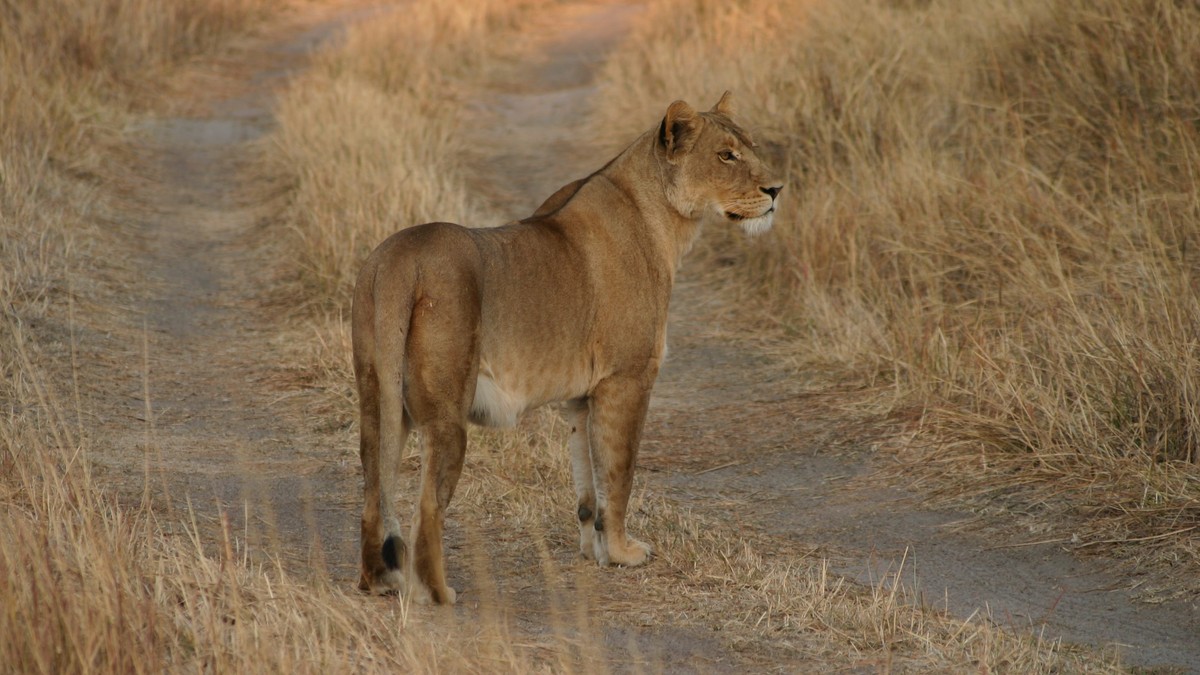
Guides read body language most guests never notice: a matriarch elephant’s ears going stiff, a buffalo bull turning to square its shoulders, a lioness flattening into the grass. They reposition the vehicle early, often before guests even realize something has shifted. Trust that quiet correction over your own instinct to lean in for a better view.
Species-Specific Vehicle Protocols
Not every animal deserves the same response, and good guides adjust for each one.
Elephants, especially bulls in musth, need the widest berth. A bull in musth is producing far more testosterone than usual and can be unpredictable. Guides in Samburu and Amboseli will often reverse away slowly rather than wait for a mock charge to resolve.
Buffalo are considered by many Kenyan guides to be among the most dangerous animals to encounter on foot, and they demand real respect from a vehicle too. A lone bull, sometimes called a “dagga boy,” can charge with little warning. Guides keep the engine running and an exit route open whenever buffalo are nearby.
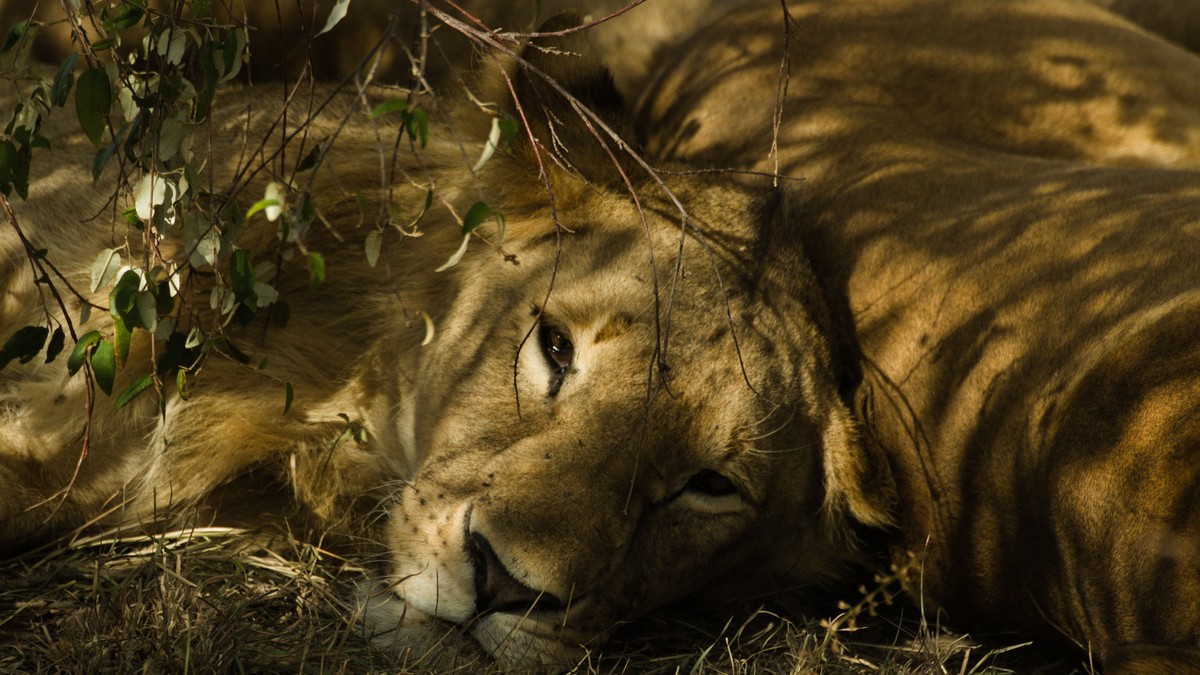
Lions on a kill are usually calm around vehicles because they are focused on feeding, but guides still keep a set distance and avoid blocking their path to shade or water.
Hippos and crocodiles near river crossings, like the Mara River, are handled differently again. Hippos are responsible for a large share of wildlife-related deaths in Kenya, mostly on land at night, so vehicles never park between a hippo and open water.
Mock Charges and Close Encounters
A mock charge, ears out, dust flying, a short run that stops well short of the vehicle, is unsettling but usually not the start of a real attack. Guides recognize the difference by watching the animal’s ears, tail, and how far the charge actually travels.
The vehicle response is almost always the same: stay still, stay quiet, and let the guide decide whether to hold position or reverse calmly. Sudden acceleration or panic can turn a warning into a chase.
Night Game Drives and Vehicle Rules After Dark
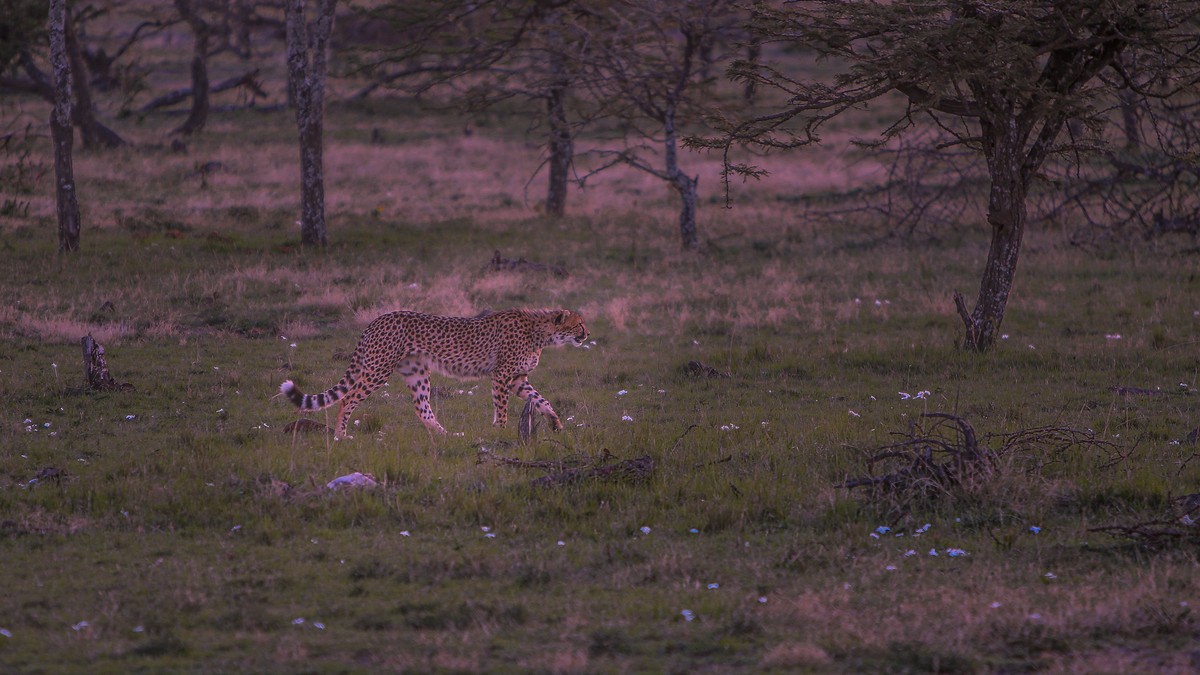
Night drives are only permitted on private conservancies such as Naboisho and Ol Pejeta, not inside government-run reserves like the main Maasai Mara National Reserve or Samburu National Reserve. After dark, guides use low-beam spotlights, keep speeds down, and give predators like leopards extra space since night is their natural hunting window.
Open-Sided vs Closed-Roof Vehicles
Families often ask which is safer, and the honest answer is that both are safe when the rules are followed. The difference is more about comfort and visibility than danger.
| Feature | Open-sided Land Cruiser | Closed-roof safari van |
|---|---|---|
| Typical use | Private conservancies (Mara, Laikipia) | Budget group tours, some national parks |
| Photo visibility | Excellent, near 360 degrees | Good through pop-up roof only |
| Protection from dust and rain | Limited | Better |
| Guest exposure during a close pass | Requires stricter rule discipline | Slightly more physical barrier |
| Typical cost per day (indicative) | USD 350 to 700 for a private vehicle and guide | USD 120 to 250 shared group rate |
Neither option removes the need to follow the core rules. A closed roof is not a reason to relax them.
Kenya’s Minimum Distance Rules
Kenya Wildlife Service guidelines generally call for vehicles to keep an indicative minimum distance of 20 to 25 meters from dangerous animals such as lions, elephants, and rhinos, with tighter restrictions around off-roading inside national parks and reserves. Off-road driving is generally not permitted inside reserves like the main Maasai Mara block, while many private conservancies allow limited off-roading for genuine sightings, at the guide’s discretion.
| Location | Distance from Nairobi | Drive time | Night drives | Off-roading |
|---|---|---|---|---|
| Maasai Mara National Reserve | 270 km | 5 to 6 hours by road | No | No |
| Naboisho Conservancy (Mara) | 275 km | 5 to 6 hours by road | Yes | Yes, with guide |
| Ol Pejeta Conservancy (Laikipia) | 200 km | 3.5 to 4 hours by road | Yes | Limited |
| Samburu National Reserve | 325 km | 6 hours by road | No | No |
Park fees vary and change often, but as an indicative range, expect roughly USD 80 to 100 per adult per day for non-residents at Maasai Mara and Samburu, with conservancy fees in Laikipia often bundled into lodge rates instead.
Guide Training and Licensing
Guides working in the Mara and Laikipia typically hold certification through bodies like the Kenya Professional Safari Guides Association, which tests wildlife behavior, first aid, and vehicle handling before awarding a bronze, silver, or gold badge. Ask your operator about their guides’ qualifications. It is one of the questions to ask your safari operator before you book.
Camp and Walking Safety, in Contrast
Vehicle rules exist because a car is a controlled, well-understood space for wildlife. Camps and walking safaris work differently, relying on trained scouts, fire, and careful site placement rather than a moving silhouette. If you are curious how open camps stay safe overnight, we cover that separately in why safari camps have no fences.
If Something Goes Wrong
Serious incidents are rare when rules are followed, but any responsible operator should carry a satellite phone or radio, know the nearest airstrip, and have a clear plan for emergency medical evacuation on safari through providers like AMREF Flying Doctors. Ask about this plan before you travel, especially with children in the vehicle.
The Valley Safaris Difference
Every Valley Safaris guide sits down with families before the first game drive, not just to list rules, but to explain the reasons behind them, in language kids actually understand. We brief on the silhouette effect, the specific animals we expect to see that week, and exactly what happens if a guide asks for quiet or stillness.
Our vehicles run on set maintenance schedules, our guides carry radios and know each conservancy’s specific off-roading rules, and we choose camps with easy access to evacuation support. We also pace our itineraries around family needs, shorter drives, flexible stops, and lodges with proper family rooms in places like Naboisho and Ol Pejeta.
Plan Your Safari With Us
If you are weighing an open-sided Land Cruiser in the Mara against a family week in Laikipia, we would love to help you choose. Have a look at our family safari tours or reach out through our contact page to start planning.