Are walking safaris safe in Kenya? You have probably read a dozen blogs that all say yes, guides carry rifles, and everyone walks in single file, end of story. That answer is true, but it is not the whole story. If you are planning your first trip to Kenya, you deserve the whole story, not just the reassuring part.
So let’s talk about it honestly, including the part most operators skip.
Are Walking Safaris Safe Kenya? Let’s Talk About the Real Risk First
Walking safaris in Kenya carry real risk, and any honest operator will tell you that upfront. The risk is low and well managed, but it is not zero, and pretending otherwise does not help you plan.
If safety is the first thing you searched for before booking, you are not being paranoid. You are being sensible.
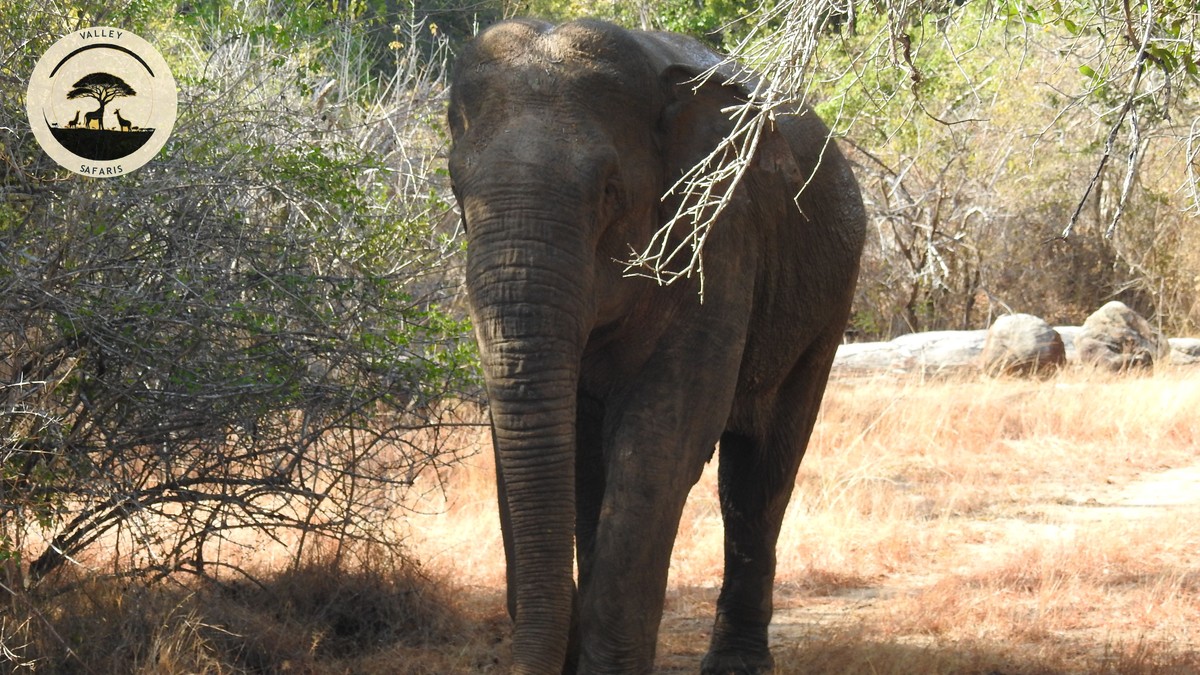
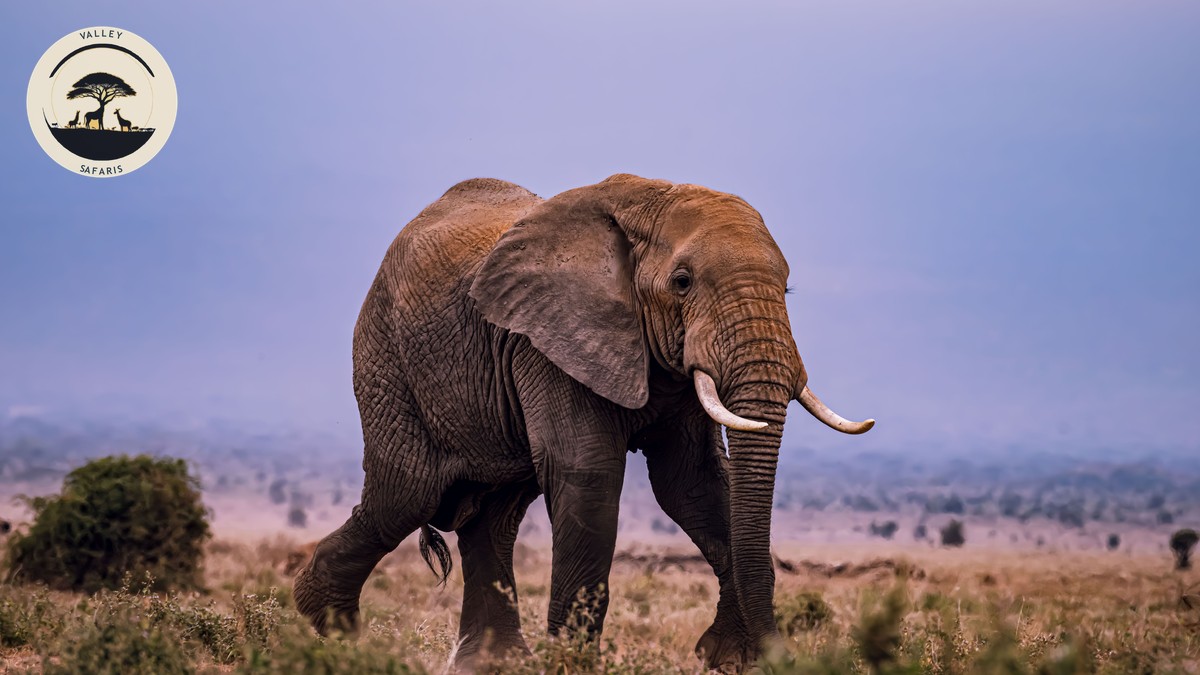
Here is what usually goes wrong when a walk gets tense. Elephants have poor eyesight and rely mostly on scent and sound. A herd that feels startled, especially a matriarch with calves nearby, can charge before a guide has time to read the situation. It is not aggression in the way a lion stalking prey is aggression. It is closer to a panic reaction from an animal that outweighs a small car.
This is exactly why Kenya’s walking safari protocols exist. An armed, licensed guide reads wind direction before choosing a route. The guide keeps the group upwind of grazing elephants where possible, and picks an approach angle that leaves an obvious retreat path. None of that makes the risk zero. It makes it low and managed rather than unknown. Reputable outfits in Laikipia and the Mara conservancies keep walking teams in constant radio contact with vehicle backup.
We would rather tell you that than pretend walking safaris carry zero risk. They don’t. Driving on the Nairobi to Narok road probably carries more real statistical risk per hour than a guided bush walk. That is not the comparison your gut makes at 6 a.m. with a guide 30 meters from a buffalo.
Armed Rangers and What KPSGA Actually Means
Kenya requires an armed escort for walking safaris in most protected areas. That escort is usually a Kenya Wildlife Service (KWS) ranger or a licensed conservancy ranger. They carry a .375 or similar caliber rifle and walk behind or beside the lead guide.
The guide in front talks to you about track, dung, and wind. That guide should be graded by the Kenya Professional Safari Guides Association, or KPSGA. This matters more than most travelers realize. Ask any operator quoting you a walking safari which grade your guide holds:
- Bronze: entry-level certification, solid bush knowledge, typically not yet leading unaccompanied walks with guests.
- Silver: several years of field experience, tested on tracking, animal behavior, and client safety, generally the minimum you want leading a walk.
- Gold: the top tier, held by a small number of guides in the country, often with decades in the bush.
If an operator cannot tell you their walking guide’s KPSGA grade, that is a fair question to push on before you book.
What a Briefing and Formation Actually Look Like
Before any walk starts, expect a briefing that covers single-file walking order, hand signals, and what to do if told to stop or move. Your guide walks first. The armed ranger typically brings up the rear or flanks the group, and guests stay in the middle in a tight line, not spread out.
Distances are kept deliberately generous. Guides commonly hold 100 meters or more from elephants and buffalo, and considerably more from anything showing signs of stress. If an animal is agitated, tail up, ears out, head shaking, the walk simply reroutes. You will rarely notice how many times a good guide changes the plan to avoid a close call, because avoiding it quietly is the entire point.
The Animals That Actually Cause Trouble
Lions get the headlines, but guides in Kenya will tell you the animals that demand the most caution on foot are hippos, buffalo, and elephants.
Hippos kill more people in Africa annually than any other large mammal. That is mostly because people surprise them near water at dawn or dusk, not because hippos hunt anyone. Buffalo, especially old solitary bulls pushed out of a herd, are unpredictable and can charge with little warning. Elephants, as covered above, are usually reacting to fear rather than attacking with intent.
Lions and leopards, by contrast, tend to avoid upright walking humans entirely if they have any choice. A group of people on foot does not look like prey to a cat that has evolved to read silhouettes.
Where Walking Safaris Are Actually Allowed
This is where a lot of blogs get vague, so let’s be specific. Walking safaris are banned inside the Maasai Mara National Reserve itself. The reserve is vehicle-only. If you want to walk, you need to be staying in one of the private conservancies bordering it.
| Area | Walking safaris allowed | Guide setup | Approx. conservancy fee (per person, per day, indicative) |
|---|---|---|---|
| Maasai Mara National Reserve | No | Vehicle only | USD 80 (peak season) |
| Naboisho Conservancy, Mara | Yes | KPSGA guide + armed ranger | USD 70-100 |
| Mara North Conservancy | Yes | KPSGA guide + armed ranger | USD 70-100 |
| Olare Motorogi Conservancy, Mara | Yes | KPSGA guide + armed ranger | USD 80-110 |
| Ol Pejeta Conservancy, Laikipia | Yes | KPSGA guide + armed KWS/conservancy ranger | USD 90-100 |
| Lewa Wildlife Conservancy, Laikipia | Yes | KPSGA guide + armed ranger | USD 100-120 |
Fees shift with season and exchange rates, so treat these as an indicative range and confirm current rates when you book. For a broader look at which regions suit a walking-focused itinerary, we’ve written about conservancies where walking safaris are permitted. It pairs well with this post if you’re still choosing a route.
What to Wear and Bring
Neutral colors matter more than most first-timers expect. Khaki, olive, and muted brown blend into dry bush. Avoid white, which stands out, and dark blue or black, which can attract tsetse flies in some areas like parts of the Mara and Amboseli.
Skip perfume and strongly scented sunscreen or deodorant. Animals track scent long before they see you, and you do not want to smell interesting. Wear closed, sturdy shoes, not sandals, since the ground is often stony and littered with thorns from acacia trees. A hat, sunglasses, and a light long-sleeved layer round out a sensible kit.
Health and Insurance, Not Just Wildlife Risk
The animal encounter is the dramatic risk. The statistically bigger one is getting sick or injured somewhere remote and not having proper evacuation cover. Most conservancies in Laikipia and the Mara are served by AMREF Flying Doctors or similar air evacuation services. That only helps if your travel insurance actually includes medical evacuation, not just trip cancellation.
Before you fly, it is worth sorting out health precautions to sort out before you go. Malaria prophylaxis matters most, since most walking safari areas sit in malaria zones.
Can Children Go on a Walking Safari?
Most conservancies and lodges set a minimum age for walking safaris somewhere between 12 and 16. The activity requires guests to stay quiet, follow instructions instantly, and keep pace over uneven ground. Younger children are usually welcome on vehicle game drives instead, where a sudden noise or a fidget does not carry the same risk.
If you are traveling with a toddler or infant, it is worth reading about age limits for younger children on safari. That will help before you build an itinerary around walking activities they simply cannot join.
Walking Safari vs Game Drive: A Fair Comparison
| Factor | Walking safari | Game drive |
|---|---|---|
| Guide type | KPSGA guide plus armed ranger | KPSGA or lodge-trained driver-guide |
| Typical distance covered | 3-6 km on foot | 20-40 km by vehicle |
| Animal proximity | Closer, on foot, more caution needed | Closer to predators often possible, protected by vehicle |
| Best for | Tracks, dung, birds, plants, small detail | Big cats, long distances, tired legs |
| Minimum age (typical) | 12-16 | Usually none |
| Cost add-on | Often included or USD 30-60 extra | Usually included in the stay |
Neither option is inherently more dangerous in a way that should change your decision. Choose based on what you want to experience, then let your guide’s briefing set your comfort level on the day.
The Valley Safaris Difference
We have been arranging walking safaris in Laikipia and the Mara conservancies for years. We know which camps take safety seriously and which ones treat it as a formality. We only book walks with KPSGA Silver or Gold guides. We ask every partner camp directly about their ranger backup and radio protocol before we recommend them to a first-time traveler.
We also tell you plainly if a walking safari is not the right call for your group. That might be because of a child’s age, a guest’s mobility, or simply because the conservancy you want does not offer walks that week. You will not get a sales pitch dressed up as reassurance from us. You will get what we would tell a friend.
Frequently Asked Questions
Are walking safaris safe in Kenya? Yes, with a properly licensed guide and armed ranger. Risk is low but not zero, which is true of most outdoor activities in wild places.
Has anyone died on a walking safari in Kenya? Fatal incidents are extremely rare given how many walks happen each year. Kenya’s parks authorities do not publish a running total, so exact numbers are hard to verify.
Do you need an armed ranger on a walking safari? In most protected areas, yes, it is required by regulation and by good practice.
What happens if you encounter a lion or elephant on foot? Your guide will typically have you stop, stay silent, and follow hand signals, often retreating slowly rather than running.
What qualifications do walking safari guides need in Kenya? Look for KPSGA Silver or Gold grading, paired with an armed KWS or conservancy ranger.
Can children go on a walking safari in Kenya? Usually only above a minimum age set by the camp, commonly between 12 and 16.
Which is more dangerous, a game drive or a walking safari? Both carry low, well-managed risk. Walking puts you closer to smaller details but requires more discipline.
What should you wear on a walking safari? Neutral colors, closed shoes, no strong scents, and a hat.
Plan Your Walking Safari With Us
If you are weighing a walking safari against a classic game drive, we would rather talk it through with you. The same goes for figuring out which conservancy fits your family. Guessing from a blog post only gets you so far. Have a look at our walking safari itineraries or get in touch through our contact page. We will help you build a trip that matches your comfort level and your budget.