Everyone who plans a Kenya safari asks about Ol Pejeta first. It has the name recognition, the chimpanzee sanctuary, and every tour operator’s brochure. Fewer people ask about Solio Ranch, tucked between Nyeri and Nyahururu at the foot of the Aberdares, and that is exactly why photographers who find it tend to fall for it.
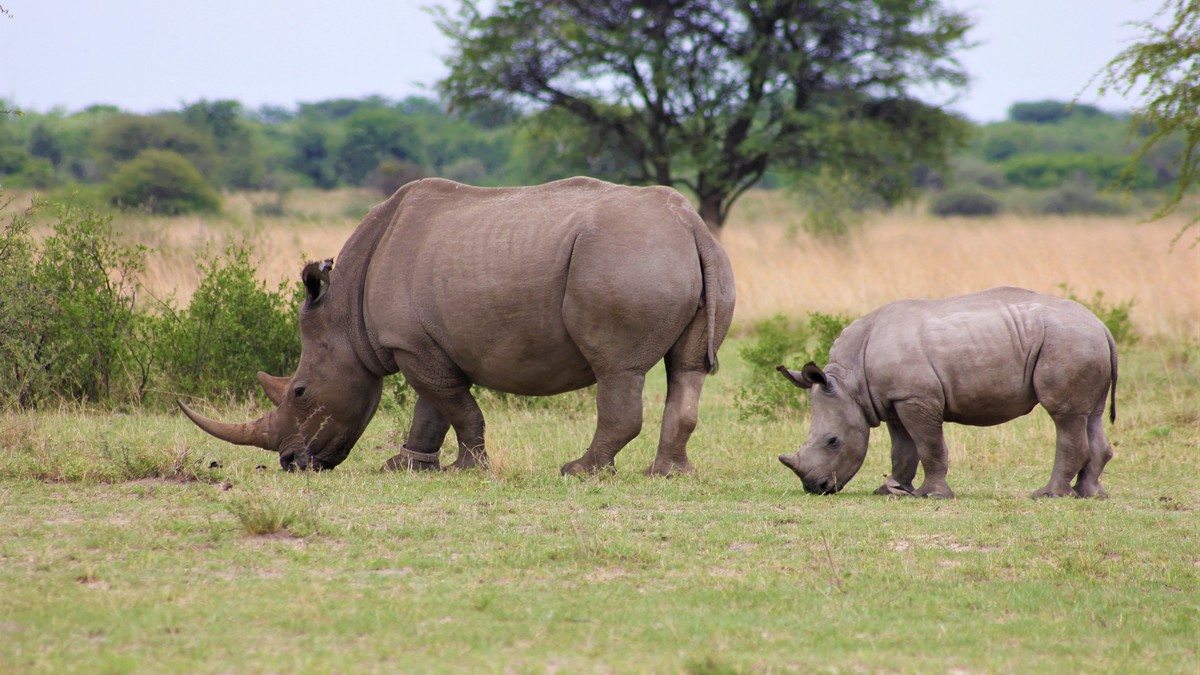
Solio Ranch rhino sanctuary Laikipia has one of the highest rhino densities anywhere in Africa, and on a good morning you can watch a dozen rhinos without another vehicle in sight. If you want quiet light, patient sightings, and space to work a scene instead of jostling for position, this is worth the extra hour on the road.
What Is Solio Ranch Rhino Sanctuary Laikipia
Solio began life as a cattle ranch owned by the Courtney Parfet family. In 1970, the family fenced off a section of the property to protect black rhino from poaching. That move is widely credited as Africa’s first private rhino sanctuary. Today Solio covers roughly 17,500 acres of savanna and acacia woodland, still privately owned and managed as both a working ranch and a conservation area.
That early decision paid off. Decades of protection, careful fencing, and low tourist pressure turned Solio into a breeding powerhouse for both black and white rhino. It has supplied founder animals to reserves across Kenya, including Ol Pejeta itself.
Location and How to Get There
Solio sits in Laikipia County, about 20 km north of Nyeri town, just off the C77 road toward Nyahururu. It is genuinely part of the greater Laikipia plateau, even though most maps place it closer to the Aberdares than to Nanyuki.
From Nairobi, the drive covers roughly 190 km and takes 3.5 to 4.5 hours, depending on traffic through Thika and Karatina. The route runs Nairobi to Thika, Thika to Karatina, Karatina to Nyeri, then onto the C77 toward the ranch gate. Roads are tarmac almost the whole way, with the final stretch on graded dirt.
You do not strictly need a 4×4 in dry season, but we recommend one anyway. Inside the sanctuary, tracks turn slick fast after rain. A 4×4 gives you the ground clearance to reposition quietly for a shot instead of gunning through mud.
Flying is an option too. Charter flights land at Nanyuki airstrip, about 90 minutes further by road from there. That only makes sense if you are combining Solio with a stay near Nanyuki or Ol Pejeta on the same trip.
Entry Fees and Pricing
Search online and you will find Solio’s entry fee quoted as $80, $92, and $122, sometimes on the same page. Here is what is actually going on. The base non-resident park fee runs $80 to $92 depending on the season and which operator’s rate card you’re reading. The higher $122 figure usually bundles in a compulsory guide fee and a vehicle fee. Sometimes it adds a conservation levy the ranch charges on top of the gate fee.
Always ask your operator for an all-in quote before you go. Rates change without much public notice, since Solio is privately run rather than under Kenya Wildlife Service pricing.
| Category | Approximate rate |
|---|---|
| Non-resident adult | $80-$92 |
| Non-resident child (under 12) | $40-$46 |
| Kenyan resident adult | KES 1,000-1,500 |
| Kenyan resident child | KES 500 |
| Kenyan citizen adult | KES 500-1,000 |
| Vehicle entry fee | KES 300-500 |
| Compulsory ranch guide | Often included, sometimes $10-$20 extra |
These figures are indicative. Confirm exact current pricing when you book, since Solio adjusts rates independently of the national park fee schedule.
Wildlife and Rhino Numbers
Solio’s rhino population is usually cited in the range of 150 to 300 individuals across black and white rhino combined, making it one of the densest concentrations on the continent. Exact counts shift as animals are relocated to restock other reserves, so treat any single number as a snapshot rather than a fixed fact.
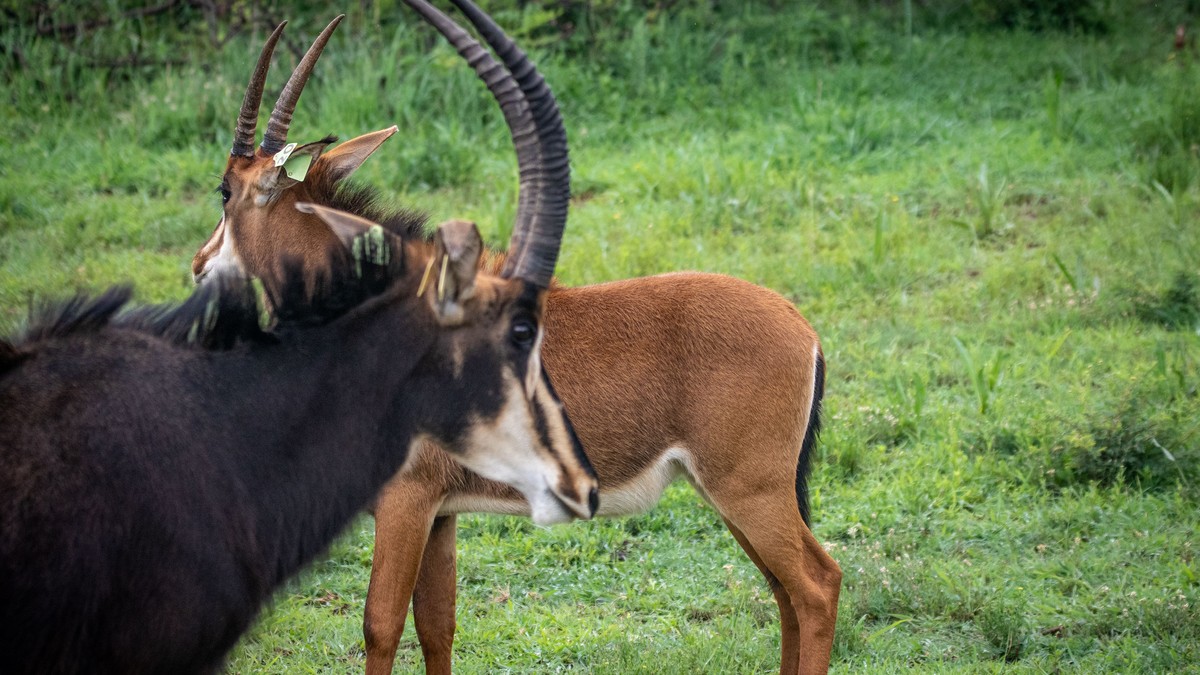
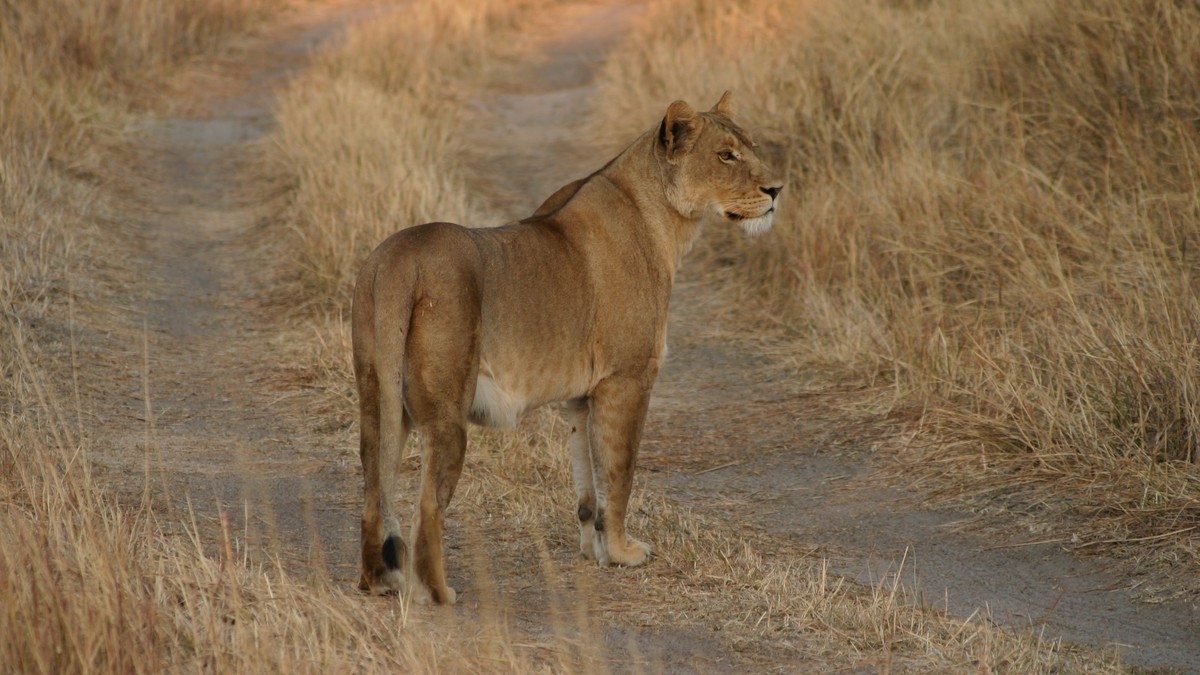
Beyond rhino, expect Cape buffalo, eland, zebra, giraffe, warthog, and healthy numbers of plains game. Predators are present but low-key. Leopard move through the woodland edges, and cheetah occasionally hunt the open grass. This is not a place to chase lion sightings. It is a place to sit still and watch rhino behave like rhino, undisturbed by a queue of vehicles.
Best Time to Visit
Dry seasons, from late June to October and again from January to February, give you the easiest driving and the clearest light for photography. Grass is short, visibility is excellent, and rhinos gather more predictably near water points.
The wetter months, March to May and November, bring greener scenery and dramatic cloud, which some photographers actually prefer for mood. Just budget extra time for the access roads, and lean on that 4×4 recommendation.
Early morning, from gate opening at 6:30am, gives you the softest light and the most active rhino behavior before the day heats up. If you want a deeper technical breakdown of timing your shots, our guide to golden hour game drive photography tips covers camera settings and positioning for exactly this kind of low, warm light.
Where to Stay
Accommodation near Solio is limited, and that scarcity is part of its charm. Solio Lodge, run by Asilia, sits inside the sanctuary itself with six suites and full rhino access from your doorstep. Expect rates from around $700 to $1,000 per person per night, all-inclusive.
Rhino Watch Lodge sits just outside the fence and offers a more moderate price point, roughly $250 to $400 per person per night, with similar access to game drives inside Solio.
For a different pace, Aberdare Country Club and The Ark, both inside Aberdare National Park about 30 to 45 minutes away, combine well with a Solio day visit. The Ark specializes in nighttime waterhole viewing, a nice contrast to Solio’s daytime rhino focus.
Activities
Game drives are the main activity, run in your own vehicle or the ranch’s guide vehicle, with a compulsory Solio guide joining you at the gate. Walking safaris are available in limited, supervised areas, a rare chance to approach rhino habitat on foot with proper precautions.
Birdwatchers do well here too. The mix of grassland, riverine woodland, and dam edges pulls in raptors, weavers, and waterbirds alongside the big game.
Day Trip vs Overnight
A day trip from Nairobi is possible but tight. You are looking at 7 to 9 hours of driving round trip, plus 3 to 4 hours inside the sanctuary, which makes for a very long day and rushed light for photography.
We usually recommend at least one night, either at Solio Lodge or Rhino Watch Lodge, so you get both a sunrise and a sunset session inside the fence. If you are combining destinations anyway, pairing Solio with a north Kenya safari circuit through Samburu turns one long day into a proper multi-day route worth the drive.
Solio vs Ol Pejeta
Both protect rhino, but the experience differs sharply.
| Solio Ranch | Ol Pejeta Conservancy | |
|---|---|---|
| Distance from Nairobi | ~190 km, 3.5-4.5 hrs | ~200 km, 3-4 hrs |
| Rhino density | Very high, 150-300 individuals | High, but more spread over 90,000+ acres |
| Crowds | Low, few vehicles | Higher, especially weekends |
| Non-resident entry fee | $80-$92 | ~$90-$100 |
| Accommodation options | Very limited, 2-3 properties | Extensive, dozens of lodges and camps |
| Extra draws | Quiet, dense rhino viewing | Chimpanzee sanctuary, more activities |
| Best for | Photographers wanting space and patience | First-timers wanting variety |
If you have already done Ol Pejeta, Solio is worth a second stop precisely because it feels so different, quieter, denser, less programmed. If you are choosing your first rhino stop, our page on how Ol Pejeta’s rhino sanctuary day trip compares walks through what you get for the extra lodge choices.
Is Solio Open to Independent Visitors
Yes. This is the question most listicles dodge. Solio Ranch is genuinely open to day visitors, not just lodge guests. Gates run 6:30am to 6pm daily, and you can drive in with your own vehicle and pay at the gate, though booking a guide in advance through an operator smooths the process and avoids confusion over which fee bundle applies.
The Valley Safaris Difference
We have driven the Thika to Nyeri route enough times to know exactly where it turns to mud after rain, and which lodge staff will hold a table for a sunset picnic if you ask a day ahead. We build Solio itineraries around light, not just logistics, timing your gate entry so you are inside for that first hour of soft sun rather than stuck in a queue at the gate.
We also tell clients honestly when Solio is not the right call. If you want variety over density, or if a tight two-day trip favors speed, Ol Pejeta is the smarter stop. That honesty is worth more than another lodge upsell.
FAQs
Is Solio Ranch better than Ol Pejeta for seeing rhinos? For sheer density and quiet viewing, yes. For variety of activities and accommodation, Ol Pejeta wins.
Is Solio Ranch open to day visitors or only lodge guests? Open to independent day visitors from 6:30am to 6pm, no lodge stay required.
How much does it cost to enter Solio Ranch? Roughly $80 to $92 for non-resident adults, sometimes quoted higher when guide and vehicle fees are bundled in.
Can you do a day trip to Solio Ranch from Nairobi? Yes, but it is a long day, around 7 to 9 hours of driving plus time inside the sanctuary.
How many rhinos live at Solio Ranch? Estimates range from 150 to 300 black and white rhino combined, a figure that shifts as animals relocate to other reserves.
Do you need a 4×4 to visit Solio Ranch? Not strictly in dry season, but it is strongly recommended, especially after rain.
What is the best time of year to visit Solio Ranch? June to October and January to February for dry roads and clear light.
Plan Your Solio Ranch Visit With Us
Solio rewards patience more than any other rhino sanctuary in Kenya. If you want to see it properly, with the right timing, the right vehicle, and a night at a lodge that puts you inside the fence, get in touch through our contact page and we will build the route around you.