Every week we talk to travelers planning their first Kenya safari, and the same worries come up. How many parks should I visit? What do I pack? Will I get sick, robbed, or stuck with a bad guide? Most of these fears come from planning mistakes, not from Kenya itself. Here are the ten first Kenya safari mistakes to avoid, based on what we see go wrong (and right) with real trips every season.
1. First Kenya safari mistakes to avoid: picking the wrong month for your priorities
Kenya does not have one “best” safari season, it has different seasons for different goals. The dry months, late June through October, give you easier game viewing because animals gather near rivers and waterholes. The Great Migration river crossings at the Mara River usually peak between late July and September. But the short rains in November and the long rains from March to May bring green scenery, fewer tourists, and lower prices, sometimes 20 to 30 percent off peak rates. If photography is your main goal, timing matters even more depending on where you go. Before you lock your dates, it is worth checking the best month to visit Samburu for wildlife photography, since Samburu’s light and wildlife patterns shift differently than the Mara’s.
2. Trying to fit three parks into seven days
This is the mistake that costs travelers the most game-drive time. Nairobi to Maasai Mara is about 270 km, a 5 to 6 hour drive on rough roads. Add Amboseli and Samburu to the same week and you are spending a day and a half in a vehicle instead of watching wildlife. Two parks, done properly with two or three nights each, almost always beats three parks rushed through in one night stays. If your heart is set on three destinations, fly between them instead of driving.
3. Packing the wrong colors and too much luggage
Bright white, black, and dark blue attract tsetse flies in certain areas, especially around Samburu and the Mara’s wooded edges. Stick to khaki, olive, and neutral tones. The bigger issue is luggage weight. Light aircraft carriers like Safarilink and AirKenya cap checked bags at 15 kg per person, packed in a soft duffel bag, not a hard suitcase. Overpack and you will pay excess fees or leave items behind at the airstrip counter.
4. Skipping malaria pills and basic vaccinations
Kenya requires a yellow fever certificate only if you are arriving from a country with yellow fever risk, but malaria prophylaxis is recommended for nearly every safari region, including the Mara, Amboseli, and Samburu. Talk to a travel clinic 4 to 6 weeks before departure. Bring repellent with at least 30 percent DEET and sleep under the netting your camp provides, even in “low risk” months.
5. Ignoring small cultural courtesies
Most Kenyans are warm and patient with visitors, but a few habits smooth things over fast. Always ask before photographing people, especially in Maasai and Samburu villages, and expect a small fee, often 1,000 to 2,000 KES per village visit, if you want to enter one. Greet with a handshake, use your right hand for giving and receiving, and dress modestly in towns outside the lodges.
6. Booking with an unlicensed or unverified operator
Kenya’s tourism board, the Kenya Tourism Regulatory Authority, licenses legitimate tour operators and safari vehicles. Ask for a license number, read reviews beyond the operator’s own website, and be wary of prices that sit far below market rate. A private 4×4 with a pop-up roof, professional driver-guide, park fees, and full board should not cost less than roughly 15,000 to 20,000 KES per person per day even at the budget end. Anything dramatically cheaper usually cuts corners on vehicle maintenance or guide training.
7. Expecting guaranteed wildlife sightings
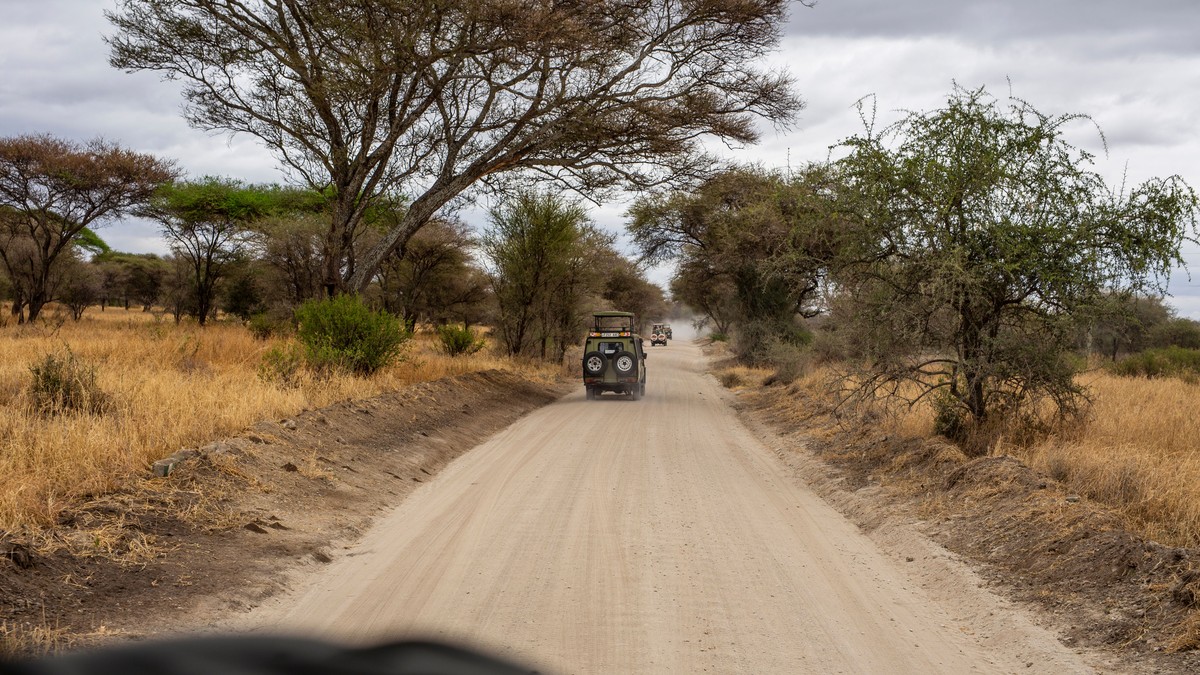
Wildlife is wild. Even in the Maasai Mara during peak migration season, there are mornings with quiet bush and no cats in sight. Good guides read tracks, radio other vehicles, and know territory, but nobody controls where a leopard sleeps. Go in with curiosity about the whole ecosystem, the birds, the smaller mammals, the landscape, not just a checklist of the Big Five.
8. Skipping travel insurance to save money
Medical evacuation from a remote conservancy can run into thousands of dollars if something goes wrong. Comprehensive travel insurance with medical evacuation coverage typically costs 4 to 8 percent of your total trip cost. Many camps in remote areas, including parts of Samburu and the Mara conservancies, rely on flying doctor services for emergencies, and insurance is what makes that call to the helicopter a formality instead of a financial disaster.
9. Underbudgeting for park fees, tips, and extras
Park fees are billed separately from most safari packages. Maasai Mara National Reserve runs around 80 USD per adult per day (Narok County side), Amboseli around 60 USD, and Samburu around 70 USD. Add tipping on top: a common guideline is 10 to 15 USD per day for your driver-guide and 5 to 10 USD per day split among camp staff. On a 7-day trip for two people, that is easily 200 to 350 USD in tips alone, money first-timers often forget to set aside.
10. Not following your guide’s instructions in the field
Staying inside the vehicle during game drives, keeping voices down near animals, and not standing up through the roof hatch when a guide says to sit are not suggestions, they are safety rules built from experience. Loud talking or sudden movement can spook animals or, worse, provoke one. Guides also know which tracks flood after rain and which routes to avoid near elephant herds with calves. Trust the person who does this every day.
Kenya Safari Logistics at a Glance
| Route | Distance | Road Drive Time | Flight Time (from Wilson Airport, Nairobi) | Approx. Non-Resident Park Fee |
|---|---|---|---|---|
| Nairobi to Maasai Mara | 270 km | 5 to 6 hours | 45 minutes | $80/day (Narok County) |
| Nairobi to Amboseli | 240 km | 4 hours | 30 minutes | $60/day |
| Nairobi to Samburu | 325 km | 5 to 6 hours | 1 hour | $70/day |
| Maasai Mara to Amboseli (direct) | approx. 400 km | 7 to 8 hours | approx. 1.5 hours via connection | n/a |
These numbers are why we tell first-timers to choose fewer parks and fly when hopping between regions far apart. A 5 to 6 hour drive on a game-viewing day is a full morning drive lost.
Budget, Mid-Range, and Luxury: What Changes
| Tier | Approx. Cost Per Person, Per Night | What You Get |
|---|---|---|
| Budget | $150 to $250 | Shared camping or basic lodge, group vehicle, set meals |
| Mid-Range | $300 to $500 | Tented camp with ensuite bathroom, smaller group sizes, varied menu |
| Luxury | $600 to $1,500+ | Private guide and vehicle, premium camps, extras like bush dinners |
None of these tiers is automatically “right.” A well-run budget camp with an experienced guide often beats an overpriced mid-range lodge with a rushed itinerary.
The Valley Safaris Difference
We plan trips the way we would plan one for family visiting from abroad. That means honest advice on how many parks actually fit your timeframe, real numbers before you commit, and itineraries built around driving distances, not just a map that looks good on paper. Our guides know which waterhole is quiet at 6 a.m. and which conservancy road avoids the worst of the rains. Past guests remember the surprise sunset picnic on a Mara ridge or a guide who quietly repositioned the vehicle because he knew, from years of tracking, exactly where the pride would move next. That kind of local knowledge is what turns a good safari into the trip people talk about for years.
Plan Your First Kenya Safari With Us
If you are ready to turn these lessons into an itinerary that actually works, we would love to help you build it. Have a look at our Kenya safari tours or reach out through our contact page to start planning a trip suited to your time, budget, and the season that fits you best.