Every photographer who emails us before a trip asks the same question: what’s the best telephoto lens for safari? Do I need a 600mm lens, or will something smaller do?
The honest answer is that most guests over-buy reach and under-value a lens they can actually hand-hold all day. We have watched guests wrestle 600mm primes on their laps in a bouncing Land Cruiser on the way to Naboisho, arms shaking, missing the shot because the lens was simply too much gear for the moment. Meanwhile a guest next to them with a 100-400mm zoom got the leopard in the tree, sharp, because she could swing and reframe in two seconds.
This guide is built from what actually happens in a Kenyan vehicle, not a studio test chart.
The best telephoto lens for safari: how much focal length do you actually need?
For most Kenya safaris, a zoom in the 100-400mm or 150-600mm range covers 90 percent of your shots. Here is the rough breakdown:
- 200-300mm: Good for wide scenes, elephants at a waterhole, a pride resting close to the track.
- 300-400mm: The sweet spot for most cat sightings, general plains game, and birds in flight if you are quick.
- 400-600mm: Useful for distant leopards, birds in trees, and cats across a river like the Mara.
- 600mm+: Only pays off for serious bird photography or animals you cannot approach, and it costs you speed and weight everywhere else.
Is 300mm enough for safari? For many guests, yes. A 70-200mm alone is usually too short for anything but very close encounters, though it earns its place as a second body for wide action shots when a lion charges past the vehicle.
Why the vehicle you’re in changes the answer
This is the part gear reviews miss. Kenya’s safari vehicles are not identical, and how your vehicle type changes the shot you can get matters more than the lens spec sheet.
In a pop-up roof Land Cruiser, common in the Maasai Mara National Reserve and around Amboseli, you shoot standing through the roof hatch. That gives you a stable brace point but limits how far you can swing a long lens before you hit the frame. In an open-sided vehicle, more common in private conservancies like Naboisho and Ol Kinyei, you have a wider arc of movement and can shoot from a bean bag on the door frame. Guides in the conservancies can also drive off-track, closing the distance so a shorter lens does the job a longer one would elsewhere.
Where extra reach genuinely matters
| Location | Typical distance to subject | Focal length that works well | Indicative park or conservancy fee (non-resident, per person per day) |
|---|---|---|---|
| Maasai Mara National Reserve (main reserve) | 20-50 meters, on-track only | 300-400mm | around USD 200 (raised from USD 100 in July 2026) |
| Mara conservancies (Naboisho, Ol Kinyei, Mara North) | 5-15 meters, off-track allowed | 100-300mm | around USD 100-150, indicative, often bundled with lodge rates |
| Samburu National Reserve | 15-40 meters, riverine bush | 300-500mm | around USD 100 |
| Amboseli National Park | 30-60 meters, open plains | 400-600mm | around USD 100 |
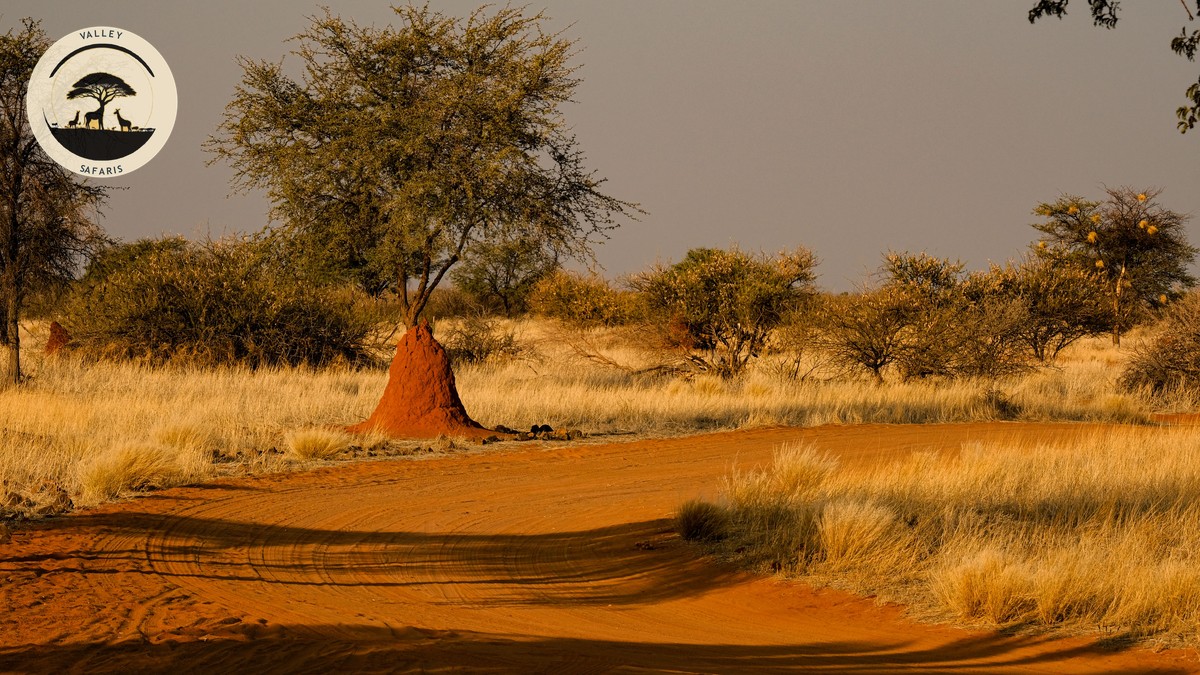
Amboseli and the main Mara reserve reward extra reach because vehicles must stay on marked tracks and animals often sit far off. The conservancies reward a lighter, faster zoom because your guide can simply drive closer. Samburu sits in between, with thicker riverine bush that hides animals until they are surprisingly close.
Bush flights change your packing math
Most multi-park itineraries in Kenya involve at least one small-plane hop, Nairobi to the Mara, or the Mara to Samburu. Carriers like Safarilink and AirKenya typically cap checked and hand luggage at a combined 15 kilograms on Cessna Caravans and similar aircraft. Read up on bush-flight luggage weight limits before you pack, because a 600mm f/4 prime alone can weigh 3 to 4.5 kilograms, before you add a body, a second lens, and clothes.
This is the real trade-off. A 600mm prime plus a wide zoom can eat half your weight allowance in glass. A 100-400mm zoom weighs roughly 1.1 to 1.6 kilograms depending on brand, leaving room for a second body, your binoculars, and actual clothing. If birding is not your main goal, the zoom wins on a bush-flight itinerary almost every time.
Zoom versus prime, plainly stated
A telephoto zoom, something like a 100-400mm or 200-600mm, gives you flexibility to reframe fast when a cheetah breaks into a run. A telephoto prime, like a 400mm f/2.8 or 600mm f/4, gives you a wider aperture, faster autofocus in low light, and sharper images at the pixel level. Primes also cost far more, often USD 8,000 to 13,000 new, against USD 700 to 2,600 for a good zoom.
For dawn starts in the Mara, when cats are most active in low light, a fast prime is genuinely better. For everything else, a zoom is the more practical choice for a two- or three-week trip.
Rent or buy
If you own a 100-400mm zoom already, bring it. If you are considering a 600mm prime purely for one trip, renting makes more financial sense. Rental houses in Nairobi and several international rental services will ship a lens to your first lodge or to Nairobi before departure. Expect to pay roughly USD 150 to 350 per week for a professional telephoto, a fraction of the purchase price, and you avoid checking a fragile, expensive lens through multiple airports.
Teleconverters, stabilization, and weather sealing
A 1.4x teleconverter is a reasonable addition if you already own a 300mm or 400mm prime and want occasional extra reach. A 2x converter costs you too much light and autofocus speed to be worth carrying on safari. Image stabilization matters more than raw focal length for hand-held shooting from a moving vehicle. Weather sealing matters too. The Mara turns to fine red dust in the dry season and mud in the long rains from March to May, and an unsealed lens will show it within days.
Don’t forget the wide angle
Your telephoto handles the animals, but a 16-35mm or 24-70mm earns its place for camp scenes, sunset silhouettes over the escarpment, and the wide plains shots that show scale. Pack both. And if you are choosing gear beyond lenses, our guide to the best binoculars for safari covers the other optic every vehicle needs.
FAQs
What focal length do I need for safari photography? A 300-400mm zoom covers most sightings. Add reach only if birding or distant cats are your priority.
Do I need a 600mm lens for safari? Only for serious bird photography or wide-open parks like Amboseli. For general game viewing, it is more weight than most guests want to manage.
Is a 70-200mm lens good enough for safari? On its own, rarely. It works well as a second, wider option alongside a longer zoom.
Can a superzoom point-and-shoot replace a DSLR telephoto? Cameras like the Nikon P950 or P1000 give huge reach in a light body, useful as a backup, but image quality in low light falls well short of a dedicated lens and body.
How heavy a lens can I hand-hold from a vehicle? Most guests manage up to about 2 kilograms comfortably for a full day. Beyond that, a bean bag on the door frame or roof becomes essential.
The Valley Safaris Difference
We plan every itinerary with your gear in mind, not just your wildlife list. When you book with us, we tell you honestly whether your route favors a conservancy’s close approach or a reserve’s longer sightlines, and we match your vehicle choice to that. Our guides know which trees the leopards favor near the Talek River, and they know how to position a vehicle so your lens, whatever length it is, gets the clean shot rather than a branch across the frame.
We also flag bush-flight weight limits before you pack, not after you arrive at Wilson Airport with an overweight bag.
Plan your photography safari with us
If you are weighing lens choices against a real Kenya itinerary, we can help you match the two. Have a look at our Maasai Mara photographic safaris or get in touch through our contact page to start planning.