Hell’s Gate is the one Kenyan park where you can leave the vehicle behind. No lions, no rule against stepping outside a car, just red cliffs, a warm wind, and a gorge that looks like something from a film set. It should, actually. Parts of “Lara Croft: Tomb Raider” and “The Lion King” drew inspiration from these cliffs.
This Hell’s Gate National Park guide gives you the numbers other sites skip: honest 2026 fee ranges, real bike rental prices, and a straight answer about the gorge’s flash flood risk. We built it for the budget traveler using matatus and camping, not a private 4×4.
Hell’s Gate National Park Guide: What Makes It Different
Hell’s Gate National Park sits just south of Lake Naivasha, about 90 km northwest of Nairobi. It covers roughly 68 square kilometers of volcanic scenery, named for the steep, narrow gorge early explorers thought looked like an entrance to the underworld.
The park’s signature features are Fischer’s Tower, a 25-meter volcanic plug near the main gate, and Central Tower, deeper inside. Below them runs Njorowa Gorge, a gash in the rock carved by an ancient river that once drained a much bigger Lake Naivasha. Steam vents from the Olkaria geothermal fields drift across the valley floor, a reminder that this ground is still active.
Because there are no resident lions or elephants, Hell’s Gate is one of the only parks in Kenya where walking and cycling among wildlife is officially allowed. That single fact drives almost everything about how people visit.
Getting There From Nairobi and Naivasha
Budget travelers usually go by matatu. From Nairobi’s Ronald Ngala Street or Railways bus station, matatus to Naivasha town run for roughly KES 200 to 350 and take about 1.5 to 2 hours, depending on traffic on the A104.
From Naivasha town, catch a matatu or tuk-tuk toward Moi South Lake Road and ask for Elsa Gate, the park’s main entrance. That leg costs around KES 100 to 200 and takes 20 to 30 minutes. Some travelers cycle this stretch instead, since it is flat and scenic along the lake.
Driving yourself from Nairobi takes about 1.5 hours in light traffic, longer if you hit the Nairobi-Naivasha highway during rush hour.
Entrance Fees and Permits in 2026
Kenya Wildlife Service fee tables change often, and most blog posts you’ll find are quoting 2023 or 2024 numbers. Treat the figures below as an indicative range and confirm at the gate, since KWS has flagged further adjustments as part of the 2026 KWS park fee changes.
| Category | Approximate Fee (2026) |
|---|---|
| Non-resident adult | USD 22 to 28 per day |
| Non-resident child (under 18) | USD 13 to 17 per day |
| Resident adult (Kenyan citizen) | KES 300 to 400 per day |
| Resident child | KES 150 to 215 per day |
| East African citizen | KES 500 to 650 per day |
| Vehicle (up to 6 seats) | KES 300 to 500 |
| Bicycle entry | KES 200 to 300 |
For a wider look at how these categories work across all Kenyan parks, our post on resident vs non-resident park fees breaks down the logic KWS uses. Most gates now take cards and mobile money, and paying park fees with M-Pesa is usually the fastest option if the card machine is offline that day, which does happen.
Cycling, Gorge Hikes, and Rock Climbing
Cycling is the classic Hell’s Gate activity. You can bring your own bike, but most visitors rent one from the stalls clustered near Elsa Gate or from Fisherman’s Camp on the lakeshore. Expect to pay KES 500 to 1,000 for a half day, a bit more for a full day with gears that actually work. Negotiate before you ride off, and check the brakes yourself.
The road from Elsa Gate to Fischer’s Tower is flat gravel, easy for beginners. Past that, the track toward Ol Karia gets hillier and rougher, better suited to riders with some stamina.
The gorge hike to Hell’s Kitchen is the other must-do. From the main track, a local guide leads you down into Njorowa Gorge, scrambling past hot springs and narrow rock walls barely a meter wide in places. The walk itself takes 1.5 to 2 hours round trip, guide fees run around KES 1,000 to 1,500 per group, and you’ll want closed shoes with grip.
Rock climbers head to Fischer’s Tower and Central Tower, both popular with Nairobi climbing clubs on weekends. If you want to try, arrange gear and a local climbing guide in advance rather than showing up hoping to borrow equipment.
Wildlife You’ll Actually See
Without predators, Hell’s Gate holds a different kind of wildlife list. Expect Burchell’s zebra, Rothschild’s giraffe, eland, buffalo, warthog, and Thomson’s and Grant’s gazelle grazing right beside the cycling track. Baboons hang around Baboon Cliff, and over 100 bird species use the gorge, including Verreaux’s eagles nesting on the towers.
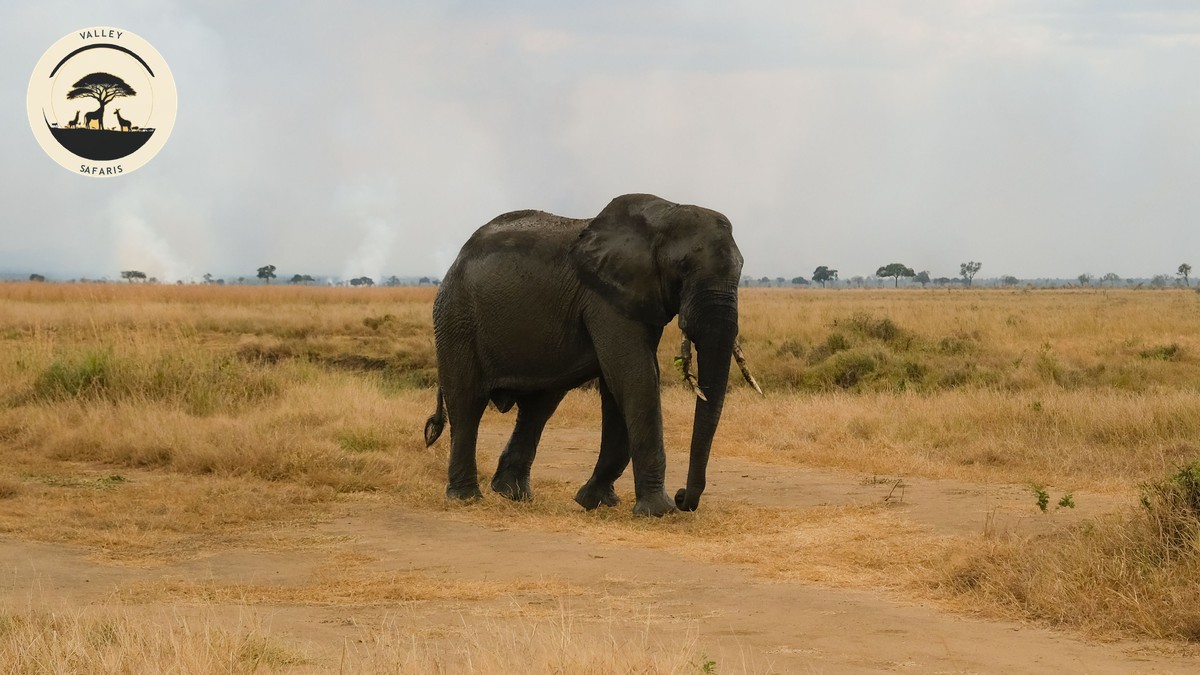
You won’t see lions or elephants here, and that’s the entire point. It’s the one park where getting close on foot doesn’t require a ranger with a rifle.
Best Time to Visit and Gorge Closures
The dry months, January to February and June to September, give the most reliable access to Njorowa Gorge. During the long rains (March to May) and shorter rains (October to December), flash floods are a genuine risk, not a theoretical one. Rangers have closed the gorge with little warning after storms upstream, even when it looks clear and sunny at the entrance.
If you’re visiting in the wet season, build in a backup plan. Cycle the main loop to Fischer’s Tower and Ol Karia instead, and treat the gorge walk as a bonus rather than the centerpiece of your day.
Camping and Budget Accommodation
Hell’s Gate has two campsites inside the park, Naiburta and Endachata, both basic with pit latrines and no electricity, running around KES 300 to 650 per person per night on top of the park entry fee. Bring your own tent and water.
Just outside the gate, Fisherman’s Camp on Lake Naivasha is the long-running budget favorite, with camping spots plus simple bandas, and it doubles as a bike rental point. Naivasha town itself has guesthouses from roughly KES 1,500 a night if you’d rather sleep with a proper bed and a hot shower.
| Option | Location | Approx. Price/Night |
|---|---|---|
| Naiburta Campsite | Inside park | KES 300-650 pp |
| Endachata Campsite | Inside park | KES 300-650 pp |
| Fisherman’s Camp | Lake Naivasha shore | KES 500-800 pp camping |
| Naivasha town guesthouse | Naivasha town | KES 1,500-3,000/room |
Safety Rules and a Realistic Itinerary
Cycling and walking without a ranger is allowed, but not without limits. Stick to marked tracks, avoid cycling alone at the edges near the gorge, and always take a guide into Njorowa Gorge itself, both for navigation and flood warnings. Solo gorge exploration has led to serious accidents in the past.
A realistic single day looks like this. Arrive at Elsa Gate by 8am. Cycle to Fischer’s Tower by 9am. Continue toward the gorge trailhead, then hike down to Hell’s Kitchen with a guide for around two hours. Cycle back and exit by early afternoon before the wind picks up. If the gorge is closed after rain, swap that block for the longer ride out to Ol Karia’s viewpoints instead.
What to Pack
Bring closed shoes with real grip, sunscreen, a hat, at least 2 liters of water, cash in small notes for guide fees and bike rental, and a light rain layer in wet season. Phone signal is patchy past Fischer’s Tower, so download offline maps before you go.
The Valley Safaris Difference
We’ve walked Njorowa Gorge in a downpour and had to turn back, so we plan around the weather instead of against it. Our Hell’s Gate day trips build in a flexible second option for the gorge closure and real negotiated bike rental rates instead of guesswork. We also bring a guide who knows which week the geothermal steam vents put on the best show. We keep groups small enough that a budget traveler joining solo still gets a proper conversation with the driver about where the wildlife has been hanging out that week.
Plan Your Trip
If you’d like help fitting Hell’s Gate into a longer Kenya route, or want to join a small group heading out from Nairobi, take a look at our Hell’s Gate and Lake Naivasha tour or get in touch through our contact page and we’ll help you plan the details.