The first time a guest asks me “what actually happens at the border,” they usually picture something dramatic. Long lines, confused officials, maybe a lost bag. This Namanga border crossing Kenya Tanzania safari guide covers what actually happens, and the truth is less exciting and more predictable, which is exactly what you want when you are moving between two countries in the middle of a safari.
Namanga sits on the Kenya-Tanzania boundary in Kajiado County, directly across from Namanga town on the Tanzanian side. Longido, a separate Tanzanian town, sits further down the road toward Arusha. Namanga is the busiest land crossing between the two countries. It is the one Valley Safaris uses most often for guests linking an Amboseli safari with the northern Tanzania circuit, Arusha, Tarangire, or the Serengeti. Nairobi is about 165 km away, roughly a two and a half hour drive on the A104. Arusha is closer, about 106 km, which takes 1.5 to 2 hours depending on the Tanzanian road works around Longido.
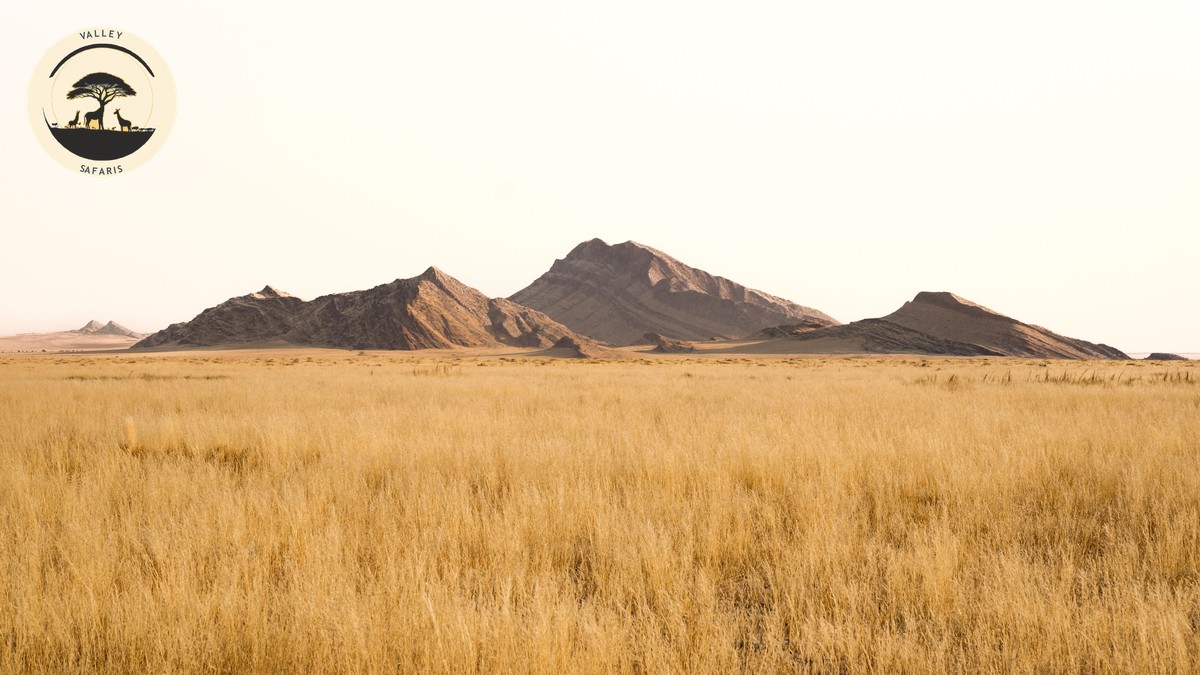
On a clear day, Namanga also gives you a last good look at Mount Kilimanjaro from the Kenyan side and a first look at Mount Meru rising over Arusha once you cross. It is not a place to linger, but it is not a place to dread either.
Visa Requirements and Costs
This is where most first-time travelers get anxious, so let’s get the numbers on the table.
Kenya moved to an Electronic Travel Authorization (ETA) system, so you apply online before you fly and pay in advance. Tanzania still runs a more traditional visa-on-arrival system for many nationalities, alongside an e-visa option you can arrange ahead of time.
| Item | Kenya | Tanzania |
|---|---|---|
| Entry document | Electronic Travel Authorization (ETA) | e-Visa or visa on arrival |
| Typical cost (single entry) | Indicative range: USD 30-35 | USD 50 (most nationalities); USD 100 for US citizens |
| Where to apply | Online, before departure | Online in advance, or at Namanga on arrival |
| Processing time | Usually 2-3 business days | e-visa: up to 10 business days; on arrival: same day |
| Payment at border | Not applicable | USD cash preferred, some card facilities |
Fees change, so always confirm current pricing before you travel. The safer route is applying for your Tanzania e-visa a few weeks ahead rather than gambling on the on-arrival queue at Namanga, especially in the July to September high season.
Documents You Actually Need
Besides your passport, valid for at least six months beyond your travel dates, you will want:
- Printed or digital ETA approval for Kenya
- Printed or digital e-visa approval for Tanzania, if you arranged one in advance
- Yellow fever vaccination certificate, required if you are arriving from or have transited through a country with risk of yellow fever transmission. Kenya and Tanzania both check this at land borders more consistently than at airports, so carry the physical card. Our full breakdown of yellow fever certificate rules for crossing into Tanzania covers which countries trigger the requirement.
- Vehicle logbook and cross-border insurance, if your own vehicle is crossing. Most safari transfers do not take the vehicle across; more on that below.
- A copy of your travel insurance and any pre-booked lodge confirmations, just in case an official asks
What Actually Happens at the Crossing
Here is the honest, step by step version, based on how we run guest transfers through Namanga most weeks.
- Kenyan exit. Your vehicle parks near the Kenya Revenue Authority and Immigration building. You walk in, hand over your passport, and an officer stamps you out of Kenya. This takes five to fifteen minutes if there is no crowd.
- The walk across. Namanga is a “walk the middle” crossing. You carry your hand luggage yourself across roughly 200 meters of no-man’s land between the two immigration buildings. Porters will offer to help for a small tip, usually 200-500 KES, entirely optional.
- Tanzanian entry. On the Tanzanian side, you queue at Immigration. If you already have an e-visa, this is a quick stamp. If you are buying a visa on arrival, you fill out a form, pay in USD cash, and wait for processing, which can take 30 to 60 minutes when several tour groups arrive together.
- Bag and vehicle checks. Luggage sometimes goes through a scanner or a visual check. Vehicles are inspected briefly, mostly a formality.
- Meeting your new vehicle and guide. This is the part nobody explains well elsewhere.
The Vehicle and Guide Swap Nobody Mentions
Most listicles about Kenya-Tanzania crossings skip this entirely, but it matters more than the visa paperwork.
Kenyan safari vehicles are licensed to operate in Kenya. Tanzanian safari vehicles are licensed to operate in Tanzania. Very few companies run cross-border fleets, so at Namanga, you say goodbye to your Kenyan vehicle and guide, and a Tanzanian vehicle and guide pick you up on the other side.
This means:
- Luggage transfer. Your bags move from one vehicle to another, usually a five to ten minute job your guides handle directly.
- New guide, new rapport. If you have spent three days in Amboseli building a good relationship with your Kenyan guide, that relationship ends at the border. Your Tanzanian guide is a different person with different local knowledge, even if the company culture is similar.
- Tipping resets. Tip your Kenyan guide and driver before the crossing, not after. Once you cross, you are with a new team who deserves their own tip at the end of the Tanzania leg.
- Speed versus continuity. The upside is real. This swap is why Namanga moves faster than crossings where the same vehicle has to clear customs on both sides. The trade-off is that you lose the guide who knows your preferences, your pace, and your inside jokes from the first half of the trip.
We tell every guest this in advance so it never feels like a surprise mid-safari. If you are planning an Amboseli safari that continues into Tanzania, building in this handover is part of getting the logistics right from day one.
Namanga Border Crossing Kenya Tanzania Safari: How Long It Takes
On an average day, budget 45 minutes to 1.5 hours door to door, from parking on the Kenyan side to driving off on the Tanzanian side. On a busy day, with tour groups arriving in convoy or a visa-on-arrival queue backed up, it can stretch to two and a half hours.
Early morning, before 9 AM, is usually the quietest. Midday, when several safari operators cluster their transfers, is the slowest. If your itinerary allows it, ask Valley Safaris to schedule your crossing for the early slot.
Money, Safety, and Common Sense
Namanga is safe for tourists, and Kenyan and Tanzanian officials at this crossing deal with visitors daily. That said, a few practical habits go a long way:
- Carry USD cash in small denominations for Tanzania visa fees and porter tips. Our guide on which currency to carry for border fees breaks down what to bring in USD versus Kenyan shillings.
- Avoid informal money changers who approach you in the parking area. Use a bank or your lodge for currency exchange instead.
- Keep your passport and visa documents in a small daypack you carry yourself, not buried in checked luggage.
- Stay near your guide during the walk across. It is not dangerous, but it is easy to get turned around among the crowds and vehicles.
Namanga vs Other Crossings
| Crossing | Best for | Distance from Nairobi/Arusha side | Typical wait |
|---|---|---|---|
| Namanga | Amboseli to Arusha, northern circuit | 165 km from Nairobi | 45 min-2.5 hrs |
| Isebania/Sirari | Maasai Mara to western Serengeti, Mwanza | 380 km from Nairobi | 1-3 hrs |
| Taveta/Holili | Tsavo to Moshi/Kilimanjaro region | 100 km from Voi | 30 min-1.5 hrs |
| Loitokitok/Illasit | Amboseli to Kilimanjaro side roads | 240 km from Nairobi | Indicative, lighter traffic |
Namanga wins on volume and predictability. Isebania makes more sense if your route runs through the Mara into the western Serengeti rather than Arusha. For a standard Amboseli-to-Arusha safari, Namanga is almost always the right call.
Something to Do While You Wait
If your crossing lands on a slower day, there is a small Maasai market right at the Namanga border. It sells beadwork and carvings, worth a browse while you wait on visa processing. On clear mornings, the view back toward Mount Kilimanjaro and Oldonyio Orok, the hills just north of the border, is worth stepping outside the vehicle for a few photos.
The Valley Safaris Difference
We have run this crossing enough times to know its rhythms. Our Kenyan guides brief every guest on the vehicle swap before you ever reach Namanga, so it never feels abrupt. We pre-arrange the handover with our Tanzanian partner team and confirm visa documents are in order before departure day. We also time crossings for the quieter early morning slot whenever the itinerary allows. Nothing about Namanga should feel like a mystery on the day, and we plan it that way from the start.
Plan Your Crossing With Us
If you are linking an Amboseli safari with Tanzania’s northern circuit and want the Namanga crossing handled without guesswork, we can build it into your itinerary from the first planning call. Have a look at our tour pages or reach out through our contact page to start mapping out the trip.