I have driven past the same cluster of manyattas near Sekenani Gate more times than I can count. Some mornings a bus pulls up, forty people pile out for twenty minutes, buy a beaded bracelet, and leave. Other times a small group spends two hours there, sits with a grandmother grinding maize, and leaves having actually learned something. Same village. Completely different visit.
That is the honest answer to the maasai village visit tourist trap question. It depends entirely on which one you pick and how you go. Let me walk you through what actually happens, what it costs, and how to tell the difference before you commit a slot on your itinerary.
Maasai Village Visit Tourist Trap: What It Actually Includes
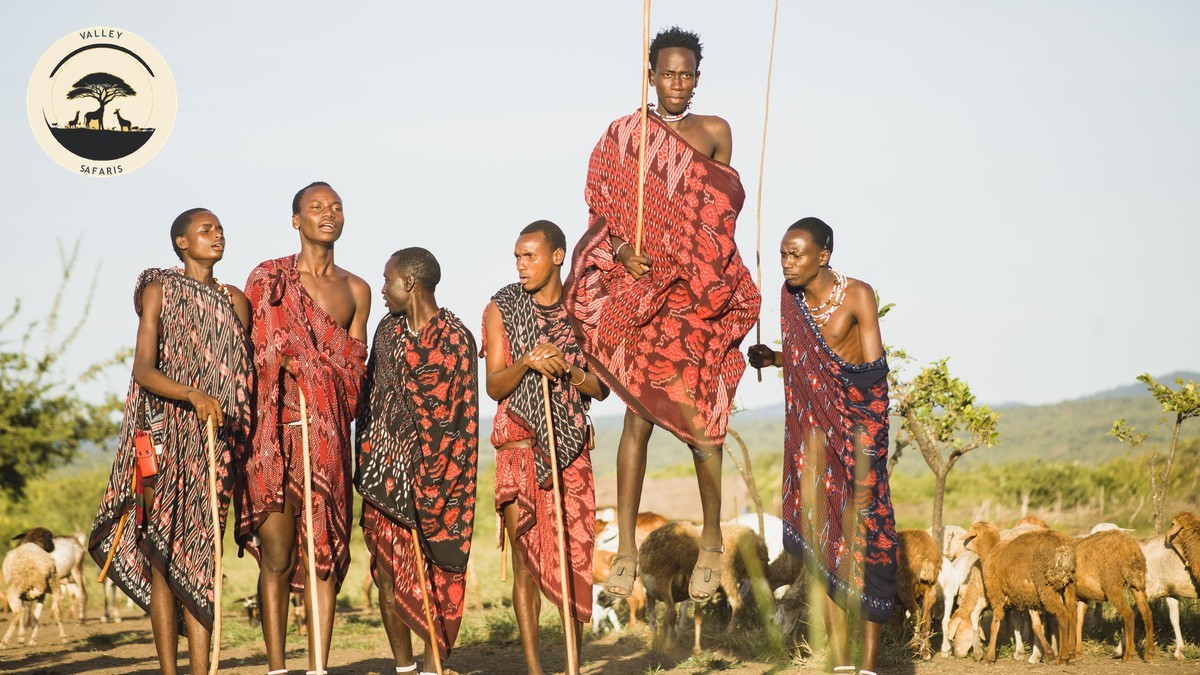
Most visits follow a similar pattern. You arrive by vehicle, usually after a morning game drive in the Masai Mara. A guide or village elder greets your group at the entrance. Warriors perform the adumu, the jumping dance you have probably seen in photos. You get a short walk through the manyatta, a look inside a mud-and-dung house, and a stop at the craft market on the way out.
A well-run visit adds real substance. You might watch someone start a fire with sticks, learn how the fence of thorn branches keeps lions out at night, or sit with women beading jewelry while they explain the meaning behind the colors. The difference between a shallow stop and a genuine encounter usually comes down to time. Twenty minutes gets you a show. Ninety minutes gets you a conversation.
Entrance Fees, Donations, and the Real Cost
Prices vary a lot depending on location and who runs the village. Here is what you should expect to budget, based on what we see across the Masai Mara area.
| Village Type | Typical Location | Distance from Sekenani Gate | Entrance Fee (per person) | What You Actually Get |
|---|---|---|---|---|
| Roadside tourist village | Along the Sekenani-Talek road | 0 to 5 km | $20 to $30 (indicative) | 20 to 30 minute stop, dance show, high pressure at craft stalls |
| Conservancy-partnered village | Ol Kinyei Conservancy | About 15 km | $30 to $50 (indicative) | Guided homestead visit, smaller groups, cooking demonstration |
| Community-run manyatta | Naboisho Conservancy area | About 20 km | $40 to $80, often bundled with conservancy fees (indicative) | Longer visit, profits go through a community trust, closer to daily life |
On top of the entrance fee, expect $5 to $15 in optional tips or donations, and small change in Kenyan shillings if you want to buy a bracelet or a small carving. Photos sometimes cost extra, more on that below. If you are not sure what currency to bring for village donations, small USD bills and a mix of KES notes cover almost every situation. For general guidance on tipping across your whole trip, our guide on how much to tip in Kenya breaks down guides, drivers, and camp staff too.
Staged Show or Real Life? The Honest Answer
Some village visits are what locals call show villages. They exist mainly for tourists, close to the main road, and the people living there may not actually reside full time in that spot. Others are genuine manyattas where families live year round, and the visit is simply a window into that life.
Both types can be worthwhile, but they are not the same thing, and operators rarely tell you which one you are booking. A show village is not automatically bad. The dancing is real, the beadwork is real, and the income matters to the people performing it. But if you want an authentic Maasai village experience rather than a performance, ask your operator directly whether the village is a residential manyatta or a display site built for visitors.
How to Tell an Ethical Visit from an Exploitative One
Look for these signals before you book.
Green flags: the operator names a specific village and community trust, fees are stated upfront with no bargaining at the gate, your guide explains what the money funds (often school fees or a water project), and the visit lasts at least an hour.
Red flags: the price gets negotiated on the spot, children surround the vehicle asking for sweets or money before you even step out, nobody can tell you where the entrance fee goes, and the stop feels rushed toward the souvenir stalls.
If you want to see how a different community handles cultural tourism well, our Turkana Tribe Cultural Visit Guide covers a region where the same principles apply, just with a different tribe and landscape.
Souvenir Stalls: Do You Have to Buy Anything?
No. You are never required to buy anything at the craft market. That said, the market is usually how a lot of the visit’s income actually reaches individual families, more than the entrance fee itself in some villages. A bracelet runs 300 to 800 KES, a carved figure more like 1,000 to 3,000 KES, depending on size and your negotiating skill. Bargaining is expected and normal, but do it with a smile. Starting an offer at half the asking price is reasonable. Walking away rudely is not.
Photography and Video Etiquette
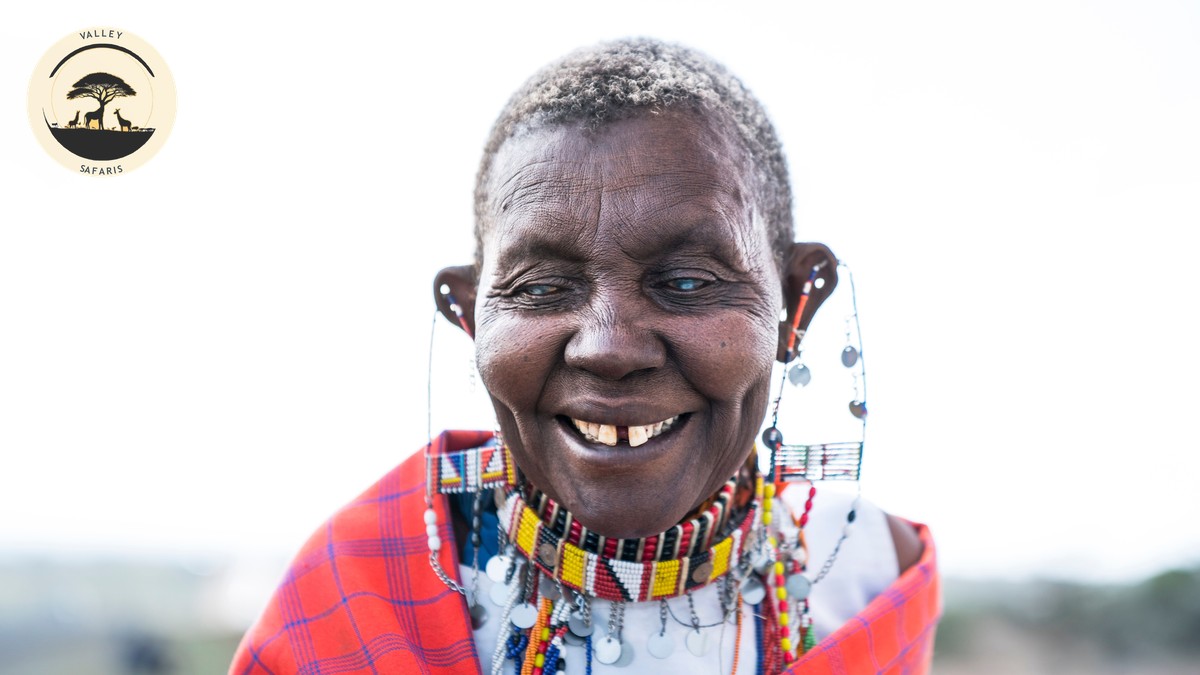
Always ask before photographing a person directly, even in villages that welcome tourists. Some villages include photography in the entrance fee. Others charge separately, often 100 to 200 KES per photo of an individual, sometimes more for video. Group shots of the dancing are usually fine without extra payment. Close-up portraits of individuals, especially elders, are where you should ask first and expect to pay.
Tipping and Gifts: Skip the Sweets and Pens
Please do not hand out candy or pens to children. It sounds generous, but it trains kids to approach every vehicle begging instead of going to school, and it has become a real problem along tourist routes in the Mara. If you want to give something useful, ask your guide about a school or clinic that accepts donations, or buy directly from the women’s craft cooperative instead. That money goes further and causes less harm.
Where and When to Visit
The Masai Mara region offers the most options, with villages near Sekenani, Talek, and the conservancies of Ol Kinyei and Naboisho. Amboseli, near Kilimanjaro, has its own Maasai villages with a similar setup and often smaller crowds. Roadside villages get busiest between 10am and 2pm, right after morning game drives end. If you want a quieter, less rushed visit, ask to go in the late afternoon instead.
The Valley Safaris Difference
We only book village visits through a short list of community trusts we have vetted ourselves, mostly around Naboisho and Ol Kinyei conservancies. We skip the roadside villages entirely, even though they are cheaper and faster to add to an itinerary. Our guides tell you upfront what the fee covers, and we build in enough time, usually 90 minutes to two hours, so the visit does not feel like a photo stop between game drives. If a village visit does not fit that standard, we would rather leave it off your itinerary than include it just to check a box.
Our Verdict: Skip It, or Visit This Way
A Maasai village visit is not automatically a tourist trap, but plenty of them are set up that way. Skip the rushed roadside stops where the fee gets negotiated at the gate and children beg for sweets. Choose a conservancy-partnered or community-run village instead, budget an hour or more, and go in with a few honest questions about where your money lands. Done that way, it becomes one of the more memorable parts of a Kenya trip, not a box you tick on the way to the next game drive.
Plan It With Us
If you want a Maasai village visit that actually gives back to the community hosting you, we can build it into your Masai Mara itinerary the right way. Have a look at our Masai Mara safari tours or reach out through our contact page to start planning.