If you have already done the Masai Mara, Laikipia feels like a different country. Fewer vehicles, private conservancies instead of open parks, and rhinos that outnumber the tourists at your camp. Search “Laikipia conservancies compared Ol Pejeta Lewa Borana” and you will find plenty of brochures, but rarely a straight answer. The hard part is picking between Ol Pejeta, Lewa, and Borana. They sit close together on the map but offer genuinely different trips.
I have sent guests to all three, sometimes on the same itinerary. Here is how they actually compare, not just what the brochures say.
Location, size, and the Lewa-Borana fence removal
Ol Pejeta Conservancy sits just south of Nanyuki, about 200 km and a three to four hour drive north of Nairobi. You can also fly into Nanyuki airstrip in around 45 minutes. It covers roughly 90,000 acres, fully fenced, and is the most accessible of the three.
Lewa Wildlife Conservancy lies further north and east, near Isiolo, reached by a 35 minute flight into Lewa Downs airstrip or a five hour drive. It covers about 62,000 acres and holds UNESCO World Heritage status as part of the Mount Kenya ecosystem.
Borana Conservancy sits directly against Lewa’s western boundary. In 2013 the two conservancies removed the fence between them, creating a combined wildlife area of roughly 93,000 acres. Wildlife now moves freely between Borana and Lewa, though each is still managed and booked separately. So yes, Borana is connected to Lewa, and that merger is the single biggest reason wildlife numbers on both properties have grown over the past decade.
Rhino and wildlife conservation focus
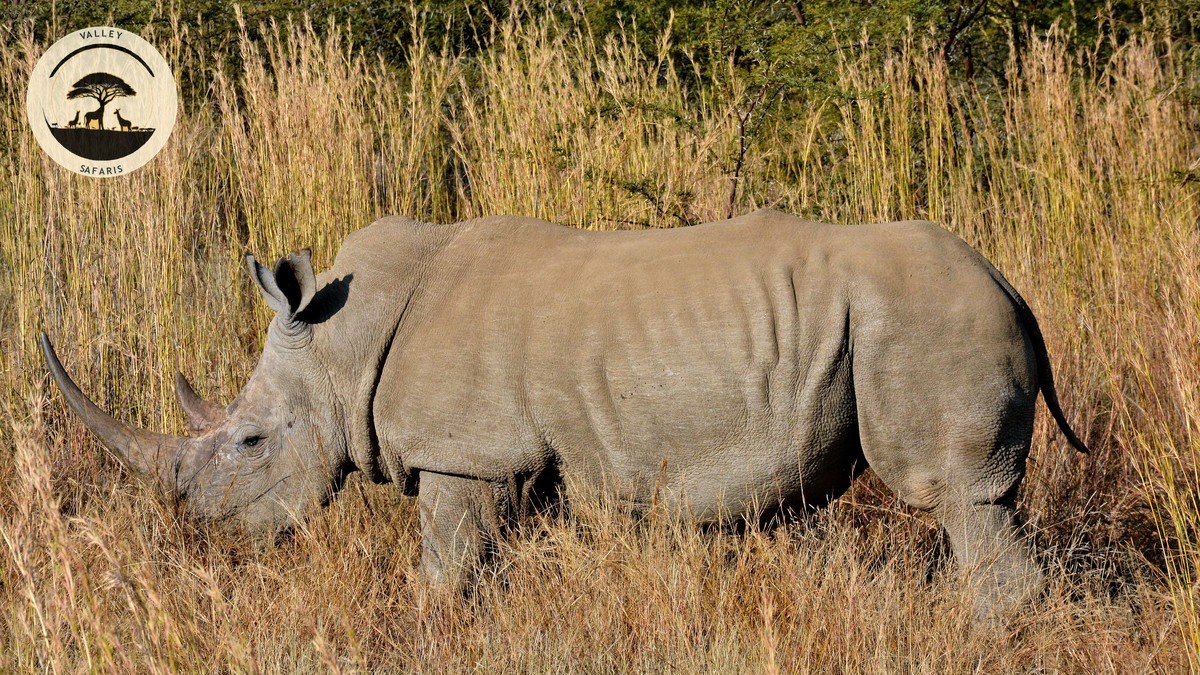
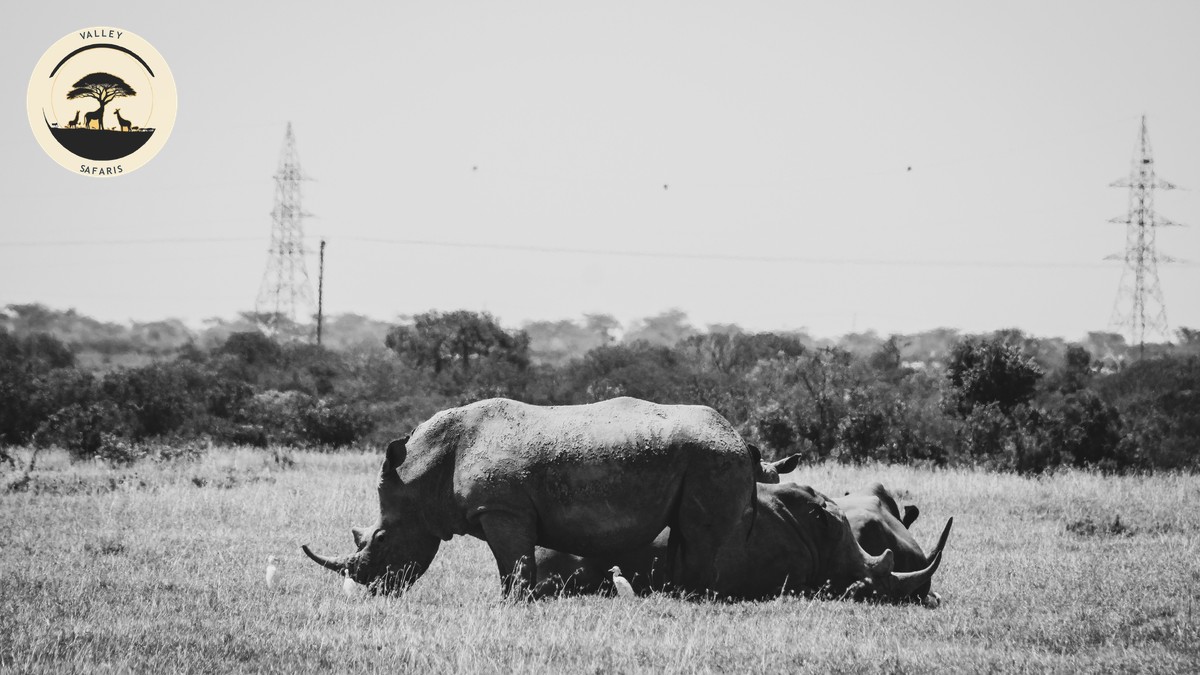
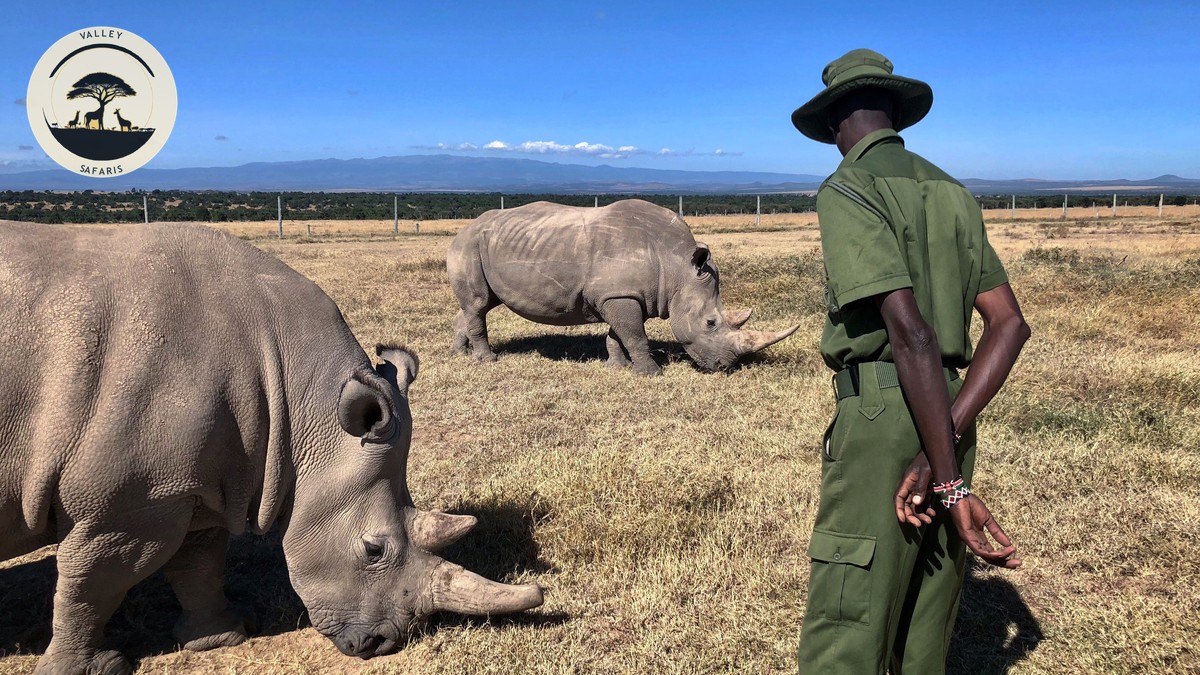
Ol Pejeta is Africa’s largest black rhino sanctuary, with over 160 black rhino and around 40 southern white rhino. It is also the last home of Najin and Fatu, the two remaining northern white rhinos on Earth, protected round the clock. Add a chimpanzee sanctuary at Sweetwaters, the only place in Kenya to see chimps, and Ol Pejeta wins on sheer density of headline wildlife.
Lewa focuses on black and white rhino too, with a population that has grown steadily since the conservancy began rhino protection in the 1980s. It also holds the largest population of endangered Grevy’s zebra anywhere, easily half of the world’s remaining wild population.
Borana had no resident rhino population until the fence came down. Since then, rhinos from Lewa roam across into Borana regularly, so sightings are strong without the crowding you sometimes get on Ol Pejeta’s busier rhino tracking routes.
Activities: self-drive vs guided, night drives, and horseback
This is where the three properties split hardest. Ol Pejeta is the only one of the three that allows self-drive. You pay a day fee, around $90 per adult, and explore on your own or with your driver-guide. Night game drives are also offered from partner camps.
Lewa and Borana are guided-safari-only, no self-drive permitted. That restriction protects the rhino population and keeps vehicle numbers low, but it means every game drive runs through your camp’s guides on a fixed schedule.
Borana is the horseback safari specialist of the three. Its rolling grassland terrain and lower predator density make it one of the better spots in Kenya for a proper multi-hour ride among giraffe and zebra. Lewa offers horseback options at certain camps too, though less consistently than Borana. None of the three beats a good walking safari for getting close to the bush on foot, and if that appeals to you, it is worth reading more on walking safaris in Laikipia’s conservancies before you book.
Accommodation and pricing tiers
Prices below are indicative per-person-per-night ranges in an all-inclusive rate, based on typical high season pricing. Always confirm current rates before booking, as camps adjust seasonally.
| Conservancy | Size | Fence status | Self-drive | Signature wildlife | Price band (pp/night, all-inclusive) |
|---|---|---|---|---|---|
| Ol Pejeta | ~90,000 acres | Fully fenced | Yes | Northern white rhino, black rhino, chimpanzees | $250 to $700 (Sweetwaters Serena to Kicheche Laikipia) |
| Lewa | ~62,000 acres | Unfenced on Borana side | No | Black and white rhino, Grevy’s zebra | $600 to $950 (Lewa Safari Camp to Lewa House) |
| Borana | ~32,000 acres | Unfenced, merged with Lewa | No | Horseback safaris, roaming rhino | $700 to $2,000+ (Borana Lodge to Arijiju) |
Ol Pejeta is the clear budget and mid-range winner, with camps like Sweetwaters Serena Camp starting well under $300 per person. Lewa and Borana sit in the luxury and ultra-luxury bracket, with fewer beds spread across larger private conservancies, which is exactly why guests pay more for the space and exclusivity.
Fenced vs unfenced: how it changes the feel
Ol Pejeta’s perimeter fence exists to protect its rhino and to manage the boundary with Mount Kenya’s forest elephants. It does not make the interior feel small. Ninety thousand acres is plenty of room, and the fence mostly means predictable wildlife movement and safer self-drive routes.
Lewa and Borana, joined into one open landscape, feel wilder. There is no boundary line breaking up the view, and animals genuinely wander between the two on their own schedule. If wide-open, uninterrupted wilderness is what you are chasing after a Mara trip full of other vehicles, this pairing delivers it.
Community impact and conservation funding
All three conservancies channel tourism revenue into conservation and neighboring communities, but the models differ slightly. Ol Pejeta runs school bursaries, a livestock program, and clinics funded partly through conservancy fees and partly through its own commercial cattle operation. Lewa’s model, refined over four decades, funds ranger salaries, schools, and water projects across northern Kenya through the Northern Rangelands Trust network. Borana is smaller and newer to full conservation status. It works closely with Lewa on shared security and grazing programs, so your conservancy fee there supports both properties’ rangers.
Laikipia Conservancies Compared Ol Pejeta Lewa Borana: Which Conservancy Suits Which Traveler
For families with kids, Ol Pejeta is the easiest choice. Self-drive flexibility means you can shorten a game drive if children get restless, and Sweetwaters Camp has a pool and open, low-key grounds.
For rhino purists chasing the full story, Ol Pejeta wins, from the last northern white rhinos to the largest black rhino population in East Africa. Still, Lewa’s decades of rhino protection work are just as compelling to hear about from a guide.
For honeymooners and luxury travelers, Borana and Lewa’s small camps, private conservancy feel, and horseback options make for a quieter, more romantic setting than Ol Pejeta’s larger visitor numbers.
For budget-conscious repeat visitors, Ol Pejeta again wins on price without sacrificing wildlife quality.
Combining conservancies or pairing with the Mara
You do not have to choose only one. Many of our guests split three or four nights between Ol Pejeta and Lewa or Borana, flying between them on short scheduled hops rather than driving. If you are working out logistics, our guide on how many nights to spend at each conservancy walks through realistic pacing for a Laikipia add-on.
Laikipia also pairs naturally with a Mara safari, since both regions are reachable by short domestic flights from Nairobi without long road transfers. If you want the full picture on stitching the two together, see our notes on pairing Laikipia with the Masai Mara on one trip.
The Valley Safaris Difference
We have walked guests through this exact decision more times than we can count, and the honest answer is rarely “just one.” We know which camps at Ol Pejeta suit a family with young kids, which room at Borana Lodge has the best sunset view, and when Lewa’s rhino tracking runs quieter than usual. We build the flight routing, the night counts, and the camp pairings around how you actually like to travel, not around a fixed package. That is the difference between a trip that looks good on paper and one that feels right once you are there.
Plan your Laikipia trip with us
Ready to work out your own Ol Pejeta, Lewa, or Borana combination? Visit our Laikipia safaris page and we will help you build an itinerary that fits your pace, your budget, and what you actually want to see.