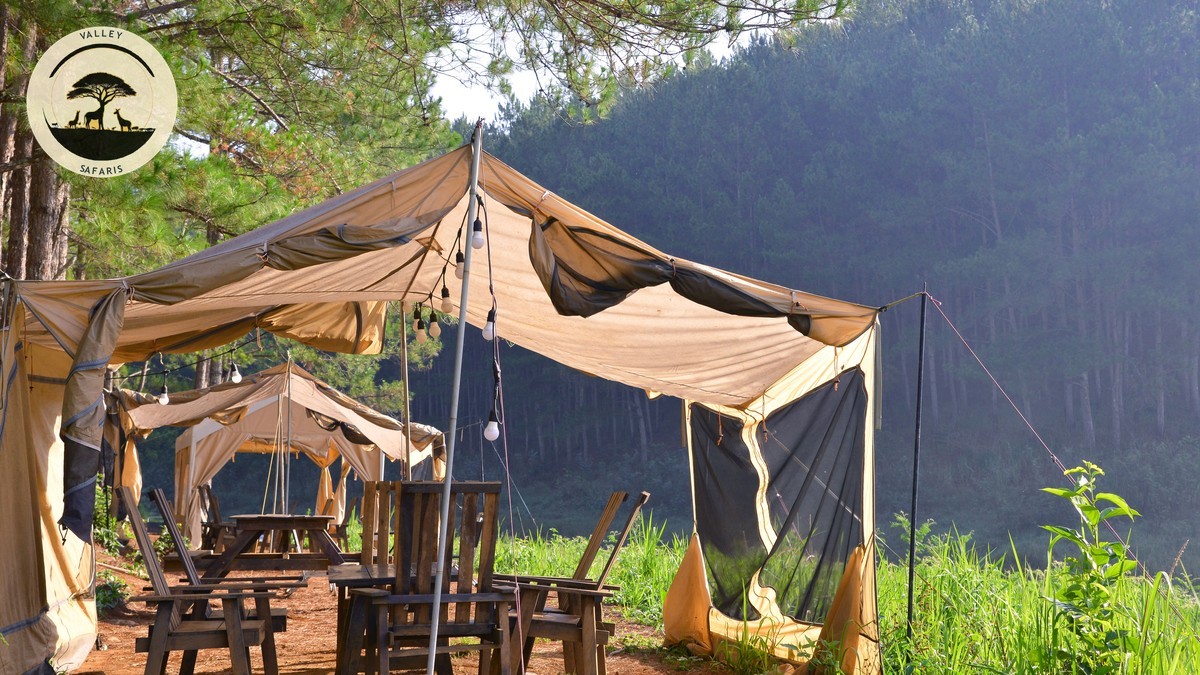
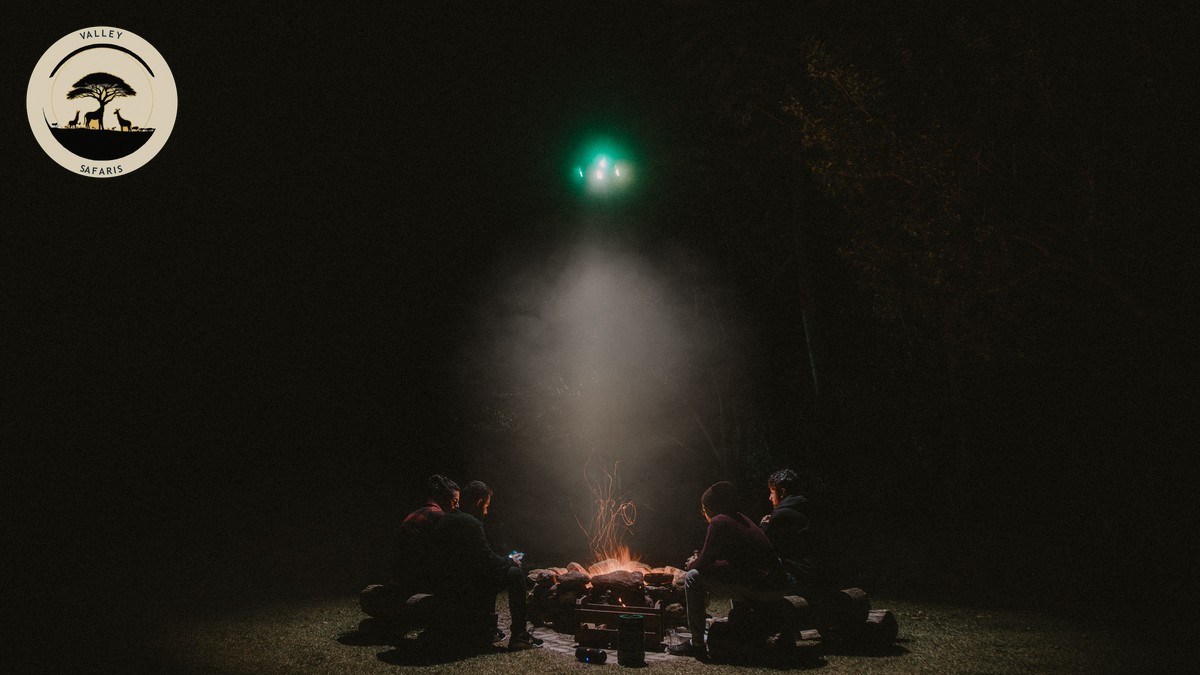
The first time we pulled a star bed out onto its deck at Basecamp Samburu, the guide switched off his torch before he walked away. We didn’t need it. The Milky Way was doing the lighting for us.
That’s the pitch behind the best safari camps for stargazing Kenya has to offer. You don’t need a telescope or a special app to feel it, though we’ll cover both later. You need a camp far enough from town lights, a clear dry season sky, and a bed that lets you fall asleep looking up. This guide compares the camps that actually deliver that, region by region, with real prices and the trade-offs nobody puts in the brochure.
Why Kenya’s Skies Are This Good
Kenya sits almost on the equator, which means you get a nearly full view of both the northern and southern night sky in one trip. That’s rare. Most stargazing destinations only show you half the sky.
The camps we recommend below sit in Bortle 1 or 2 territory, the darkest ratings on the nine-point Bortle scale that astronomers use to measure sky glow. For comparison, most Western cities sit at Bortle 7 or 8, where you’re lucky to see a dozen stars. At Bortle 1, you can read a book by starlight and see the Milky Way cast a shadow.
Low population density helps too. Samburu County has fewer than 20 people per square kilometer in the conservancy areas around the camps we mention, according to Kenya’s most recent census data. There’s simply no light pollution to compete with.
Best Safari Camps for Stargazing Kenya, Compared
Here’s how the main contenders stack up. Prices are per person per night, full board, in high season (indicative ranges, since rates shift with the exchange rate and season).
| Camp | Region | Stargazing Setup | Price Range (pp/night) | Nearest Airstrip | Conservancy/Park Fee |
|---|---|---|---|---|---|
| Basecamp Samburu | Samburu National Reserve | Star bed platform, extra charge | USD 450-600 | Samburu Airstrip (approx. 45 min flight from Wilson) | approx. USD 100/day reserve fee |
| Elephant Bedroom Camp | Samburu National Reserve | Open-fronted tents, deck stargazing | USD 500-650 | Samburu Airstrip | approx. USD 100/day |
| Saruni Samburu | Kalama Conservancy | Rooftop stargazing deck, guided cultural astronomy | USD 550-750 | Kalama Airstrip | approx. USD 60-80/day conservancy fee |
| Loisaba Star Beds | Loisaba Conservancy, Laikipia | Dedicated star bed, wheeled onto a platform | USD 600-850 | Loisaba Airstrip | approx. USD 100/day conservancy fee |
| Ol Malo Lodge | Laikipia | Open verandas, high plateau views | USD 500-700 | Ol Malo Airstrip | approx. USD 60-90/day |
| Saruni Mara (Leopard Hill) | Naboisho Conservancy, Maasai Mara | Hilltop suites, unobstructed sky views | USD 700-1000 | Ol Kiombo or Naboisho Airstrip | approx. USD 100/day conservancy fee |
Flight times above are approximate from Nairobi’s Wilson Airport and will vary by operator and routing.
Samburu: The Darkest Skies, The Hottest Days
Samburu sits at roughly 800 to 1,000 meters elevation, lower and hotter than Laikipia or the Mara. Daytime temperatures often hit 33 to 35°C in the dry months. That heat is part of why the air stays so clear at night, but it also means malaria prophylaxis is worth discussing with your doctor before you go, since Samburu sits in a higher-risk zone than the highland camps.
The payoff is real. Basecamp Samburu’s star beds and Elephant Bedroom Camp’s open tents both put you directly under the sky with almost zero ambient light. Saruni Samburu adds a cultural layer, with Samburu guides sharing star lore passed down through generations of herders who navigated by constellations long before GPS. If you’re weighing Samburu against other northern options, it’s worth reading about how Samburu compares to Meru as a base before you commit.
Laikipia: Cooler Nights, Pricier Conservancies
Laikipia sits higher, often 1,700 to 1,850 meters at camps like Loisaba and Ol Malo, so nights drop to a genuinely comfortable 12 to 15°C. You’ll want a light jacket for star bed nights here, which honestly makes lying under the stars more pleasant than sweating through it in Samburu.
The trade-off is cost. Conservancy fees in Laikipia tend to run higher than Samburu’s reserve fee, and the camps themselves lean toward the top end of the price range. Loisaba’s star bed is the single most photographed stargazing setup in Kenya, a wheeled platform that staff push out onto an open deck after dinner, but it comes at a premium of roughly USD 100 to 150 above a standard room.
Maasai Mara and Naboisho: Stars With a Side of Wildebeest
The Mara isn’t marketed for stargazing the way Samburu is, but Naboisho Conservancy holds its own. Saruni Mara’s Leopard Hill suites sit on a ridge with a clear 360-degree horizon, and conservancy rules cap vehicle density, which keeps light and noise pollution low even in high season.
The catch is price and crowding elsewhere in the wider Mara ecosystem. Naboisho itself is well managed, but if you’re comparing regions for a longer trip, pairing Laikipia’s dark skies with the Mara on a two-region circuit often makes more sense than trying to cram both experiences into one camp.
Best Time of Year and Moon Phase
Kenya’s dry seasons, roughly January to March and June to October, give you the clearest skies. Cloud cover during the April to May and November long and short rains can block a full week of viewing, though the green season does bring lower rates if stars aren’t your only priority.
Moon phase matters more than most travelers realize. A full moon washes out the Milky Way almost entirely. Book around the new moon, which falls on a different date each month, and check a lunar calendar before you lock your travel dates. A camp during a new moon week in dry season is the single best combination you can plan for.
Star Stories From Samburu and Maasai Guides
Part of what makes a Kenyan star safari different from a telescope tour anywhere else is the storytelling. Samburu guides often point out the Pleiades cluster, which their communities have traditionally used to time planting and grazing cycles. Maasai guides in Naboisho and the wider Mara share their own reading of the same sky, including stories tied to cattle movement and seasonal change.
Ask your guide about it directly. The best conversations happen lying flat on a star bed with no torch on, not during a formal briefing.
Meteor Showers and Planet Visibility
The Geminids in mid-December and the Perseids in August are the two most reliable meteor showers visible from Kenya, with the Geminids often producing the higher count under dark skies. Venus and Jupiter are frequently visible to the naked eye, and Saturn’s rings are a rewarding target if your camp keeps a telescope on hand, which Saruni Samburu and Loisaba both do.
Practical Tips for Your First Star Safari
You don’t need special gear, but a few things help. Give your eyes 20 minutes to adjust before you expect to see much. Skip your phone screen during that window, or use a red-light setting if you need it. A basic star app like Star Walk or SkySafari works fine offline once you’ve downloaded the local sky data. Bring a light jacket even in Samburu, since desert nights cool fast after sunset.
The Valley Safaris Difference
We’ve slept in most of these star beds ourselves, not just read about them. That matters when we’re building your itinerary, because we know which camps deliver on the marketing photos and which ones oversell a deck with a few too many acacia branches in the way.
We also plan around moon phase and season from the start, not as an afterthought. A honeymoon trip built around a new moon week in July looks different from one built around a full moon in April, and we’ll tell you that upfront rather than let you find out on night one. For couples weighing how long to stay, we can also help you work out how many nights to budget at a stargazing camp so you’re not rushing the best part of the trip.
Plan Your Star Safari With Us
A good star safari takes some planning around season, moon phase, and which region fits the rest of your Kenya trip. We’d love to help you work out the details. Have a look at our Kenya safari tours or get in touch through our contact page to start building your itinerary.