You have already done the Mara. Maybe twice. Now you want somewhere quieter, with a different feel and a different set of animals. This Samburu vs Meru National Park comparison is built for exactly that next step. Samburu and Meru both come up on every “second Kenya safari” list, and both sit in the north, within a few hours of each other. But they are not the same trip, and I get asked which one to pick almost every week.
I have guided guests through both parks more times than I can count. Samburu gives you dry, golden plains, big elephant herds, and a decent shot at a leopard by the river. Meru gives you green, wild scenery and a genuine rhino sanctuary, but it makes you work harder for your sightings. Here is the honest comparison, with real numbers, so you can decide which fits your trip.
Landscape and Terrain: Two Different Norths
Samburu National Reserve sits on the semi-arid plains north of the equator, split by the Ewaso Nyiro River. The land is dusty red, dotted with doum palms and acacia, and it looks like the classic dry-country Africa you picture from old safari photographs.
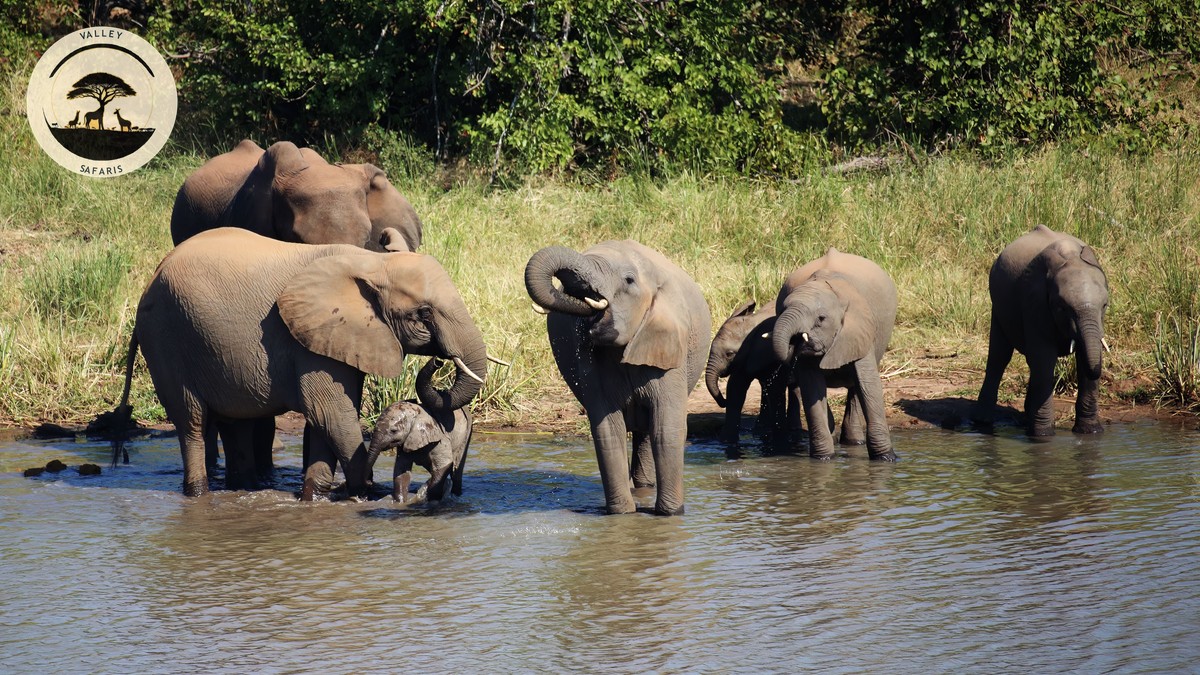
Meru National Park, about 90 minutes further east, is a different world. Rainfall is higher, so the grass grows tall and green for most of the year. Fifteen rivers and streams cross the park, including the Tana, Rojoweru, and Ura. It feels closer to a jungle river system than a dry savannah, which is part of why Meru was Joy Adamson’s setting for raising Elsa the lioness in Born Free.
If you want texture and contrast after the open grass of the Mara, Meru delivers it. If you want that classic dry-savannah look with mountains on the horizon (Mount Kenya to the south, the Matthews Range to the north), Samburu wins.
Wildlife: The Samburu Special Five vs Meru’s Rhinos
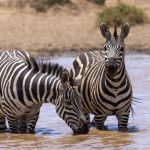
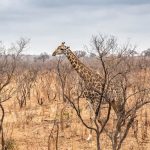
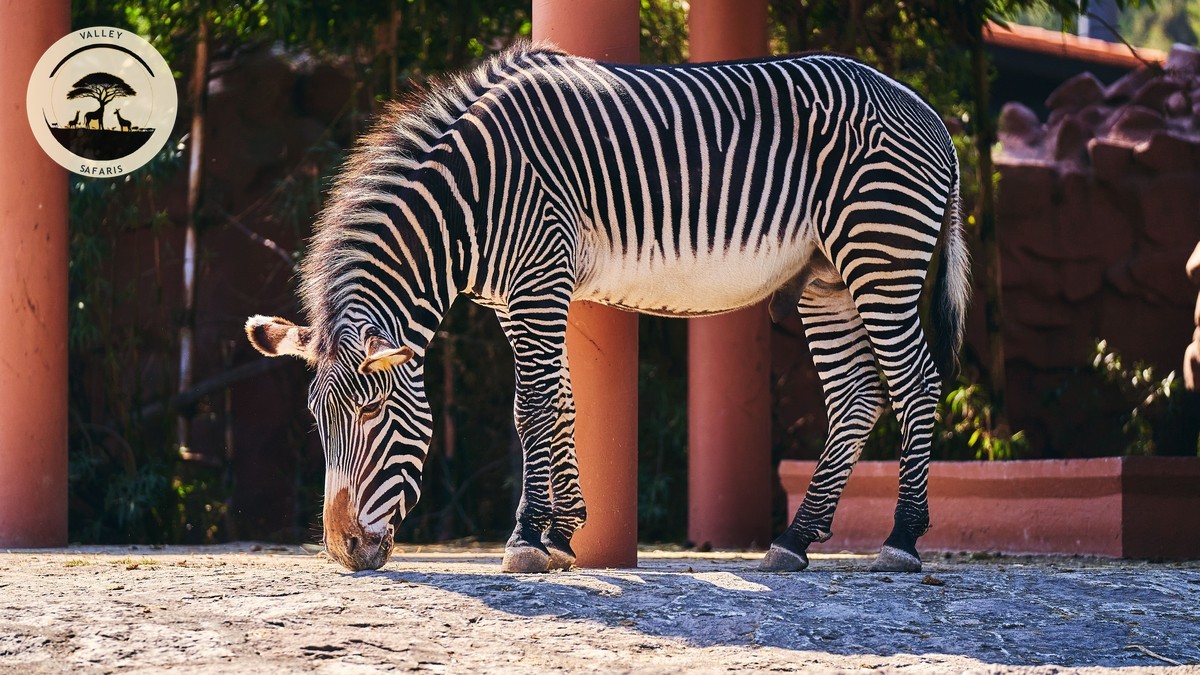
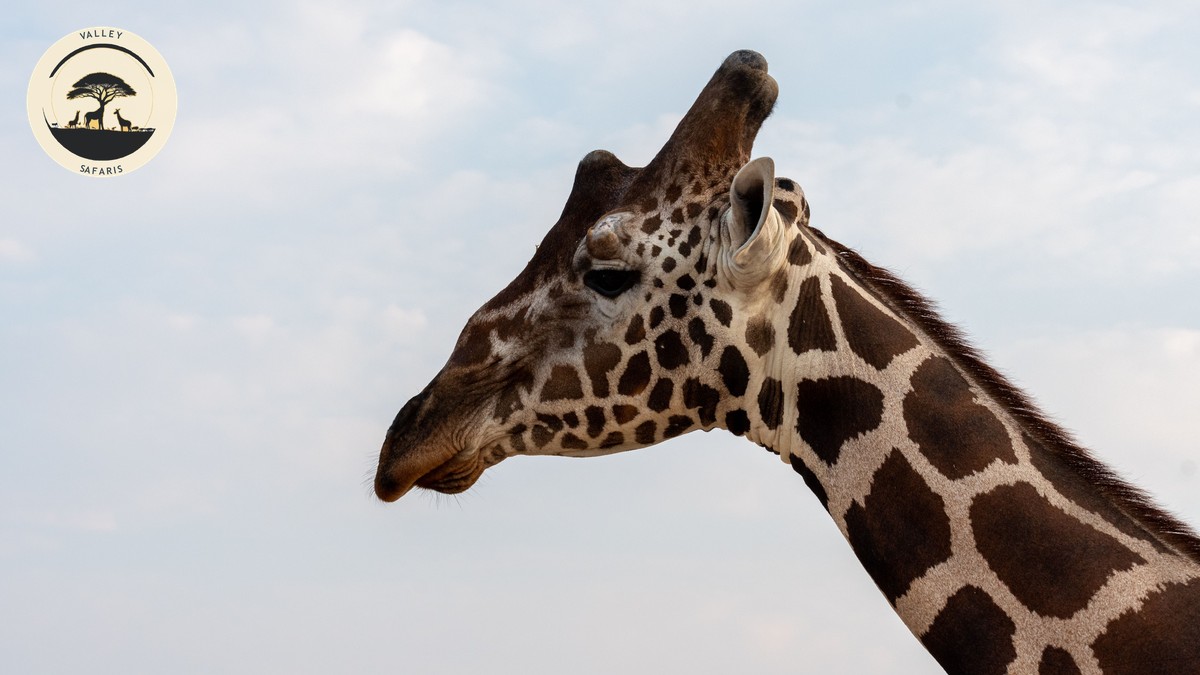
Samburu is famous for the “Samburu Special Five”, animals adapted to dry country that you rarely see further south: the Grevy’s zebra, reticulated giraffe, Beisa oryx, gerenuk, and Somali ostrich. Add healthy lion and elephant populations and reliable leopard sightings along the river, and Samburu earns its reputation as a photographer’s park. Wildlife here is used to vehicles, so animals sit still for a good shot.
Meru does carry the full Big Five, including rhino, but with a catch. The Meru Rhino Sanctuary, a fenced 48 square kilometre zone inside the park, is where you will find both black and white rhino under armed ranger protection. Outside the sanctuary, general game is present but more skittish and spread out across a much bigger, denser landscape. Sightings take patience, and a good guide who knows the park matters even more here than in Samburu.
For photographers specifically, Samburu usually wins on volume and ease. Meru rewards patience with scenes you will not get anywhere else, like a rhino grazing against a backdrop of riverine forest.
Crowds and Atmosphere
This is where Meru quietly wins. Samburu National Reserve gets a steady flow of vehicles, especially around the main river crossings and during July to September and the Christmas period. It is nowhere near as busy as the Mara, but you will share sightings.
Meru National Park covers 870 square kilometres and often feels almost empty. It receives a fraction of Samburu’s visitor numbers, largely because it takes more effort to reach and has fewer beds. If solitude matters to you as much as the animals, Meru is one of Kenya’s most underrated national parks.
Getting There from Nairobi
Both parks are reached through Isiolo, the northern gateway town. Here is how the logistics stack up.
| Route | Distance | Drive time | Flight option |
|---|---|---|---|
| Nairobi to Samburu | about 325 km | 5 to 6 hours by road | daily scheduled flights to Samburu airstrips, about 1 hour |
| Nairobi to Meru | about 350 km | 5 to 6 hours by road | scheduled and charter flights to Kina airstrip, about 1 hour |
| Samburu to Meru (linking the two) | roughly 150 to 180 km via Isiolo | approximately 3 hours, indicative, road quality varies | charter flight available, around 30 to 40 minutes |
Most repeat visitors fly at least one leg. The road between Samburu and Meru is passable but rough in places, so a light aircraft transfer saves real time if you are combining both parks in one trip.
Where to Stay: Camps and Lodges in Each Park
Both parks offer options from simple bandas to some of Kenya’s most distinctive camps. Prices below are indicative per person per night, sharing, full board or all-inclusive, and change with season and operator.
In Samburu, Elephant Watch Camp sits inside a research camp run by Save the Elephants, with rates around USD 900 to 1,200 in high season. Sasaab, a Moroccan-style camp above the river, runs roughly USD 700 to 950. For a mid-range stay, Samburu Intrepids or Elephant Bedroom Camp fall closer to USD 350 to 500, and Samburu Sopa Lodge offers a budget-friendly base from around USD 200 to 280.
In Meru, Elsa’s Kopje, built into a rocky kopje where Joy Adamson’s camp once stood, runs about USD 700 to 900. Ikweta Safari Camp and Rhino River Camp sit in the mid-range, roughly USD 200 to 300. KWS-run bandas at Murera Gate offer a genuinely budget option, often under USD 50 per person on a self-catering basis, useful for anyone planning how many nights to book per safari camp without overspending on accommodation.
Extending West into Laikipia
If Samburu is winning your vote, consider stretching the trip west into Laikipia. Conservancies like Ol Pejeta, Loisaba, and Sosian border the same dry-country ecosystem and add rhino tracking, horseback rides, and night drives, none of which are permitted inside Samburu itself. It is a natural add-on for a repeat visitor who has already covered the standard parks and wants a fuller northern circuit rather than a single stop.
Best Time to Visit and Park Fees
Both parks share Kenya’s two dry windows: late June through October, and January through February. These months bring firmer roads and better game visibility as vegetation thins out.
Samburu stays viable even in shoulder months because the terrain is naturally open. Meru is trickier in the long rains from March to May, when some tracks become difficult and river crossings can be an issue. If your trip falls in the rains, Samburu is the safer bet for reliable access.
Park fees are billed per person per 24 hours and are usually paid in USD. Samburu National Reserve charges non-resident adults roughly USD 100 per day, indicative, since community-run reserve fees are reviewed periodically. Meru National Park, run by Kenya Wildlife Service, charges closer to USD 75 per adult per day, indicative, following the standard KWS park fee bands. Children generally pay about half in both parks. Meru works out slightly cheaper on fees alone, though camp rates matter more for your total budget.
Can You Visit Both on One Trip
Yes, and if you have the days, I would encourage it rather than force a choice. The two parks complement each other well: dry plains and specialist species in Samburu, green river country and rhino tracking in Meru. A common pattern is three nights in Samburu followed by two or three in Meru, linked by a short charter flight or the road transfer through Isiolo.
This pairing also works well as part of a broader plan for the best parks for a second Kenya safari after the Mara, since neither park competes directly with Mara-style open plains game viewing. You get variety instead of repetition, which is usually what repeat visitors are chasing.
The Valley Safaris Difference
Most guides online compare these two parks in the abstract, without naming a single camp, price, or road condition. We plan trips here for a living, so we tell you what we would tell a friend. Meru’s wildlife is genuinely more skittish than Samburu’s, and if a guaranteed leopard sighting matters more to you than solitude, we will say so before you book.
We also build the logistics honestly. If the Samburu to Meru road is rough after rain, we route you by air instead of promising a smooth three-hour drive that will not happen. And because we work across all price tiers, we can put you at Elephant Watch Camp one week and a KWS banda the next, depending on what the trip actually needs, not what pays us the highest commission.
Samburu vs Meru National Park: The Bottom Line
If you want dependable sightings, dramatic dry-country photography, and easier access, choose Samburu. If you want green scenery, a real rhino encounter, and a park with almost no other vehicles, choose Meru. If it is your first time in Kenya, lean toward Samburu, since the combination of easier access and the Special Five gives a gentler introduction to the north.
If you can spare five or six days total, skip the either-or question and do both. That is usually the answer repeat visitors are happiest with once they have already ticked off the Mara.
Plan Your Trip with Valley Safaris
Ready to see which combination fits your dates and budget? Visit our contact page and tell us what you are after. We will build a route between Samburu and Meru that matches your pace, not a template.