I get this question almost every week from someone booking their first safari: is a Kenya safari or a South Africa safari the better choice? This Kenya safari vs South Africa safari comparison is built from real trips, not brochures. Both countries have lions, both have world-class lodges, and both will empty your bank account a little. They are not the same trip, though. Picking the wrong one for your style of travel is the most common regret I hear about afterward.
I have guided both, and I will not give you the flat “it depends” answer. Here is what actually separates them, with real numbers.
Wildlife and Big Cat Density
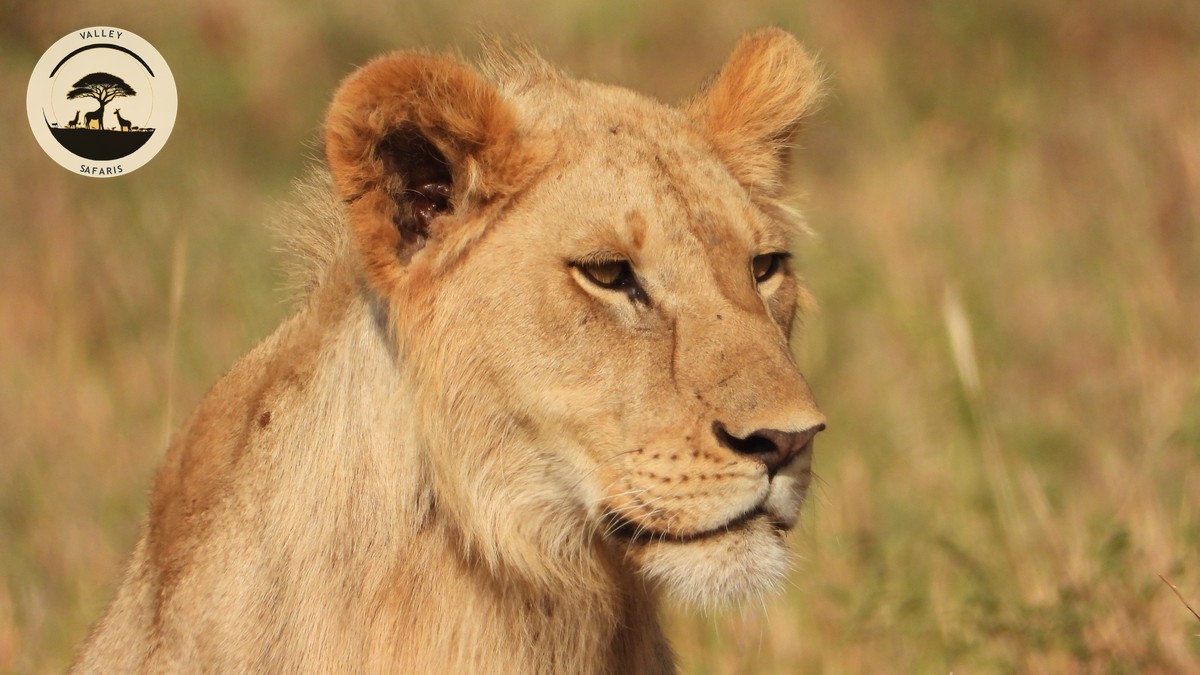
Kenya’s Maasai Mara has one of the highest lion densities in Africa, roughly one lion per 3 to 4 square kilometers in peak season. You will also find healthy leopard and cheetah populations, especially around the Mara Triangle and Naboisho Conservancy.
South Africa’s Sabi Sands, next to Kruger National Park, is arguably the best place on earth for close leopard sightings. Decades of habituation let vehicles approach within meters. Kruger itself is bigger, at 19,485 square kilometers, roughly the size of Wales. It holds all of the Big Five, but its bushveld terrain means longer stretches between sightings than Kenya’s open plains.
If ticking off the Big Five in dense bush with expert trackers is your goal, South Africa wins. If you want big cats visible from a distance across grassland, Kenya wins.
The Great Migration, Kenya’s Real Edge
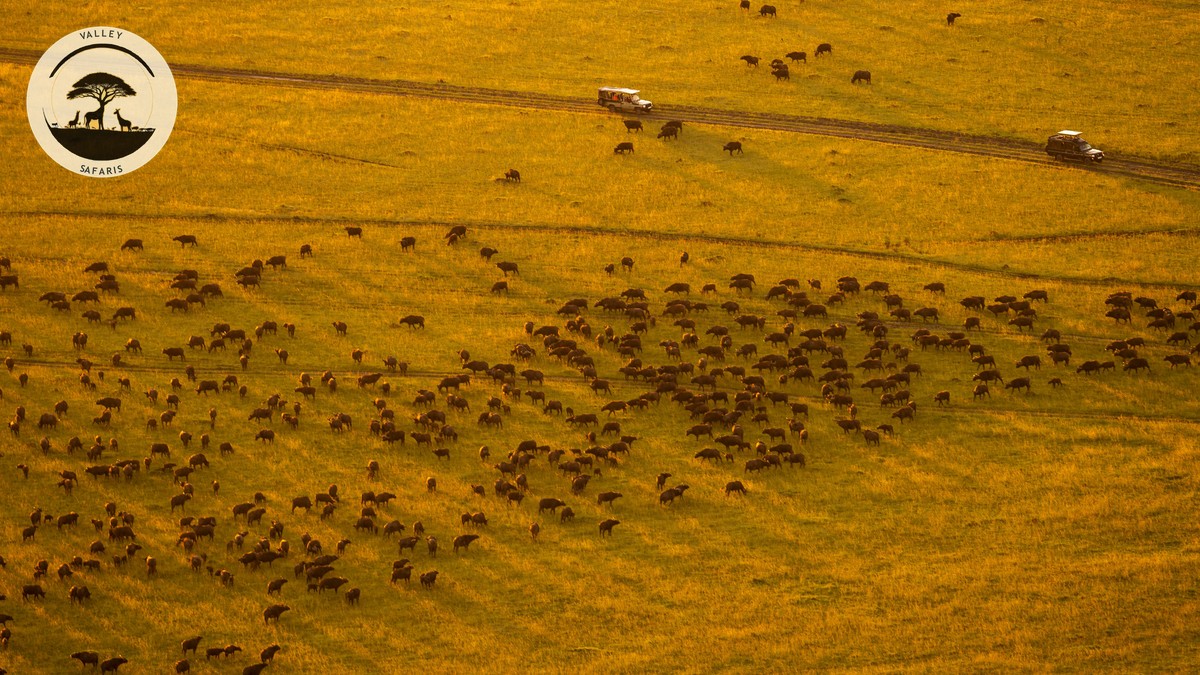
This is the one comparison South Africa cannot answer. Between roughly July and October, over 1.5 million wildebeest and 200,000 zebra cross from Tanzania’s Serengeti into Kenya’s Maasai Mara. The dramatic Mara River crossings near Lookout Hill and Purungat are the highlight.
South Africa has no equivalent event. If the migration is the reason you are dreaming of Africa, Kenya is the only choice. For context on the wider ecosystem it crosses, it helps to read how Kenya stacks up against Tanzania. Both countries share the same herds at different times of year.
Landscapes and Scenery
Kenya gives you the postcard image: rolling golden plains, acacia trees, Maasai herders, and Mount Kilimanjaro looming over Amboseli National Park. South Africa’s Kruger region is thicker bushveld and mopane woodland, with the Drakensberg escarpment nearby if you extend north to Mpumalanga.
Neither is better. Kenya feels more open and cinematic. South Africa feels more textured and varied, especially if you add the Cape Winelands or the coast afterward.
Kenya Safari vs South Africa Safari Comparison: Cost by the Day
Prices shift year to year, so treat these as 2026 planning ranges rather than fixed quotes.
| Item | Kenya | South Africa |
|---|---|---|
| Mid-range lodge safari (per person, per day) | USD 400-600 | USD 350-550 |
| Budget camping safari (per person, per day) | USD 150-250 | USD 100-180 (self-drive possible) |
| Luxury tented camp (per person, per day) | USD 800-1,500+ | USD 700-1,400+ |
| Maasai Mara National Reserve entry fee | USD 80-100/day (Narok County side) | n/a |
| Kruger National Park daily conservation fee | n/a | ZAR 560/day (approx. USD 31) for international visitors |
| Nairobi to Maasai Mara (road) | 270 km, 5-6 hours | n/a |
| Johannesburg to Skukuza, Kruger (road) | n/a | 430 km, 5 hours |
| Nairobi to Mara (flight) | 45 minutes from Wilson Airport | n/a |
South Africa’s Kruger is the cheapest way into a genuine Big Five safari anywhere in Africa, because you can self-drive and stay in SANParks rest camps like Skukuza or Lower Sabi for under USD 100 a night. Kenya has no real self-drive equivalent in its top reserves. Guided game drives are standard, and that pushes the average daily cost up. For a full breakdown, see real 2026 Kenya safari prices.
Getting There
Nairobi’s Jomo Kenyatta International Airport has direct flights from London (about 8.5 hours) and connects easily to Amsterdam, Doha, and Dubai. From Nairobi, most camps are a short bush flight away.
South Africa’s OR Tambo in Johannesburg or Cape Town International take around 11 hours direct from London, with strong connections from Amsterdam and Doha too. Once you land, Kruger is a short flight to Skukuza or Hoedspruit, or a manageable drive.
Kenya now requires an electronic travel authorization (eTA) for almost all visitors, costing about USD 34 and needing approval before departure. South Africa is visa-free for stays under 90 days for UK, US, EU, and many other passport holders, which makes last-minute planning easier. If you are applying for Kenya, it is worth reading about applying for a Kenya eTA before you book flights, since rejections do happen and usually come down to document mismatches.
Accommodation Style and Vehicles
Kenya’s camps range from canvas tented camps in conservancies like Olare Motorogi to permanent lodges inside the Mara reserve. Game drives typically use pop-top Land Cruisers or vans, and off-road driving is restricted in the main reserve, though conservancies allow more flexibility.
South Africa’s private reserves, like Sabi Sands and Madikwe, use open-sided 4×4 vehicles with tiered seating, which gives everyone a clear view. Off-road driving to follow animals is common in private reserves, less so inside Kruger itself.
Best Time to Visit
Kenya’s dry season runs January to March and June to October, with the migration river crossings peaking July through September. South Africa’s dry winter, May to September, is actually the best game viewing window, since thin vegetation and animals gathering at waterholes make sightings easier.
Both countries can be visited in the northern summer, which is convenient if you are traveling with kids during school holidays.
Safety
Both countries run safe, well-established safari industries with decades of experience hosting international travelers. Guided game drives in Kenya’s reserves and conservancies are low risk when you stay with a reputable operator.
South Africa’s safari areas are similarly safe. Its cities, especially parts of Johannesburg, need more street awareness than Nairobi or Cape Town’s tourist zones. If you self-drive in Kruger, stick to marked roads and stay in your vehicle, standard park rules that keep incidents rare.
Family Friendliness
South Africa often wins for families because malaria-free options exist, like Madikwe Game Reserve or Eastern Cape parks such as Addo Elephant Park. Many lodges also set minimum ages of 6 or 8 rather than 12, which is common in Kenya’s more remote camps.
Kenya can still work well for families, especially in conservancies with private vehicles and flexible schedules. You will want to plan around malaria precautions and longer flights to reach some camps.
Combining With Other Destinations
Kenya pairs naturally with a beach extension at Diani Beach or Watamu on the Indian Ocean coast, both under an hour’s flight from Nairobi. South Africa pairs with Cape Town’s Winelands, Table Mountain, and the Garden Route, or a short hop to Victoria Falls in Zimbabwe.
If you want two ecosystems in one trip, South Africa to Mozambique for beach time is popular too.
The Valley Safaris Difference
We are a Kenyan-based operator, so our deepest expertise is in the Maasai Mara, Amboseli, and Samburu. We do not just sell packages, we build itineraries around what you actually want, whether that is migration river crossings, a quiet conservancy with no crowds, or a family trip with a private vehicle throughout.
We also book trusted partner camps in South Africa’s Sabi Sands and Kruger area for clients who want to combine both countries. We are honest when Tanzania or a different season fits your goals better than what we sell. That honesty is why most of our bookings come from repeat clients and referrals, not ads.
Which Is Right for Your First Safari?
If you want the migration, open plains, and a shorter flight from Nairobi to camp, choose Kenya. If you want value self-drive options, malaria-free family lodges, and an easy add-on to Cape Town, choose South Africa.
If you cannot decide and have 12 days or more, combining both is possible. It means two sets of internal flights and a bigger budget, usually an extra USD 1,500-2,500 per person for the added country.
Quick FAQ
Is Kenya part of South Africa? No. They are separate countries roughly 2,900 km apart (Nairobi to Johannesburg), on opposite ends of the African continent.
Which is cheaper? South Africa, mainly because of self-drive options in Kruger. Guided Kenya safaris cost more per day on average.
Can I self-drive in Kenya like South Africa? Not really. Kenya’s top reserves expect guided vehicles, while Kruger has thousands of kilometers of self-drive roads.
Which is safer? Both are well-established safari destinations. Kenya’s cities feel calmer than parts of Johannesburg, but safari areas in both countries are low risk with a good operator.
Plan Your Trip With Us
Still weighing Kenya against South Africa? Tell us your dates, budget, and what matters most, migration, malaria-free, or value, and we will build an honest itinerary around it. Browse our Kenya safari tours or get in touch to start planning.