Every week someone tells me they are leaving their DSLR at home for their Kenya trip. They worry a phone will let them down when a leopard finally shows up. I get it. These smartphone photography safari Kenya tips come from years of watching guests shoot the Maasai Mara on nothing but an iPhone or a Pixel. The short answer is this: a smartphone can carry a safari, if you know its limits and work around them.
This guide is built for Kenya specifically. Not a generic safari guide written for Botswana camps, but real advice for Mara pop-top vans, corrugated roads to Amboseli, and the dust that gets into everything.
Smartphone Photography Safari Kenya Tips at a Glance
Before the details, here is the short version. Use burst mode for movement, lock your exposure before you shoot, and get physically closer instead of relying on digital zoom. Pack a bean bag or small tripod, keep your phone sealed against dust between stops, and ask for a pop-top vehicle in the Mara whenever you can. The rest of this guide walks through each tip in depth.
Can a Phone Really Replace a DSLR?
Mostly, yes. Modern phones handle light, color, and detail well enough for stunning safari shots, especially when animals are close. Where phones struggle is distance. A lion resting 80 meters away will look sharp through a 400mm DSLR lens. On a phone, even with 5x optical zoom, that same lion becomes a small, soft shape.
So the honest answer is this: phones are excellent for close encounters and landscapes, weaker for long-range action during the wildebeest migration. Know which shots you are chasing before you decide what gear to carry.
Camera Settings That Make the Difference
Learn these four before you fly out.
Burst mode catches the split second a cheetah breaks into a run. Hold the shutter button and let the phone fire off ten frames, then pick the sharpest one later.
HDR balances the bright Kenyan sky against a shaded riverbank. Most phones now apply it automatically, but check it is switched on in your camera settings.
Night mode helps with dawn game drives, when the light is still soft and low. It also captures the Milky Way over Amboseli on a clear night, when Mount Kilimanjaro sits dark against the stars.
Exposure lock stops your phone from constantly re-metering as an elephant moves between sun and shade. Tap and hold on the subject, then drag the sun icon to brighten or darken the shot before you fire.
If your phone shoots ProRAW or a similar raw format, use it for anything you plan to edit later. It keeps far more detail in shadows and highlights than a standard JPEG.
Why Zoom Is Your Phone’s Weak Point
Digital zoom is the number one reason safari photos come out grainy. It does not add detail, it just crops and stretches the image, so pixels turn to mush. Stick to your phone’s optical zoom range, usually 2x to 5x on newer models, and get physically closer instead. This is exactly why vehicle position matters so much in the Mara, which we cover below.
Composition Tips Worth Learning
Simple rules go a long way here.
Put your subject off center, roughly a third of the way into the frame, rather than dead in the middle. Use the horizon or a dirt track as a leading line pulling the eye toward the animal. Shoot low from the vehicle window when you can, since it puts you closer to eye level with lions and gives the image real weight.
Golden hour, the hour after sunrise and before sunset, gives Kenya’s grasslands a warm orange glow that flat midday light cannot match. Plan your best photo drives around it whenever your itinerary allows.
Accessories Worth Packing
A clip-on telephoto lens (roughly $30 to $80) can add 2x to 4x extra reach, though image quality drops compared to native zoom. A small tripod or flexible gorilla-pod steadies shots from camp at dusk. A bean bag, even a rice-filled pillowcase, rests your phone on the vehicle’s window frame for sharp, shake-free images. A rugged case and a spare battery pack round out the list, since cold mornings drain batteries fast.
Dust, Heat and Bumpy Roads
Kenya’s dirt roads, especially the corrugated stretches into the Mara conservancies, throw up fine red dust that finds its way into every pocket. Keep your phone in a sealed bag or dry box between stops. Wipe the lens with a microfiber cloth before every game drive, not after, since a single dust speck can ruin an otherwise sharp shot. Avoid changing lenses or opening cases mid drive when the vehicle is moving over rough ground.
Editing on the Go
Snapseed is free, fast, and handles exposure, cropping, and selective sharpening well. Lightroom Mobile is worth the subscription if you shot in raw format and want finer color control. Do a light edit each evening at camp rather than waiting until you get home, while the memory of the light and the moment is still fresh.
Vehicle Setup and Guide Logistics
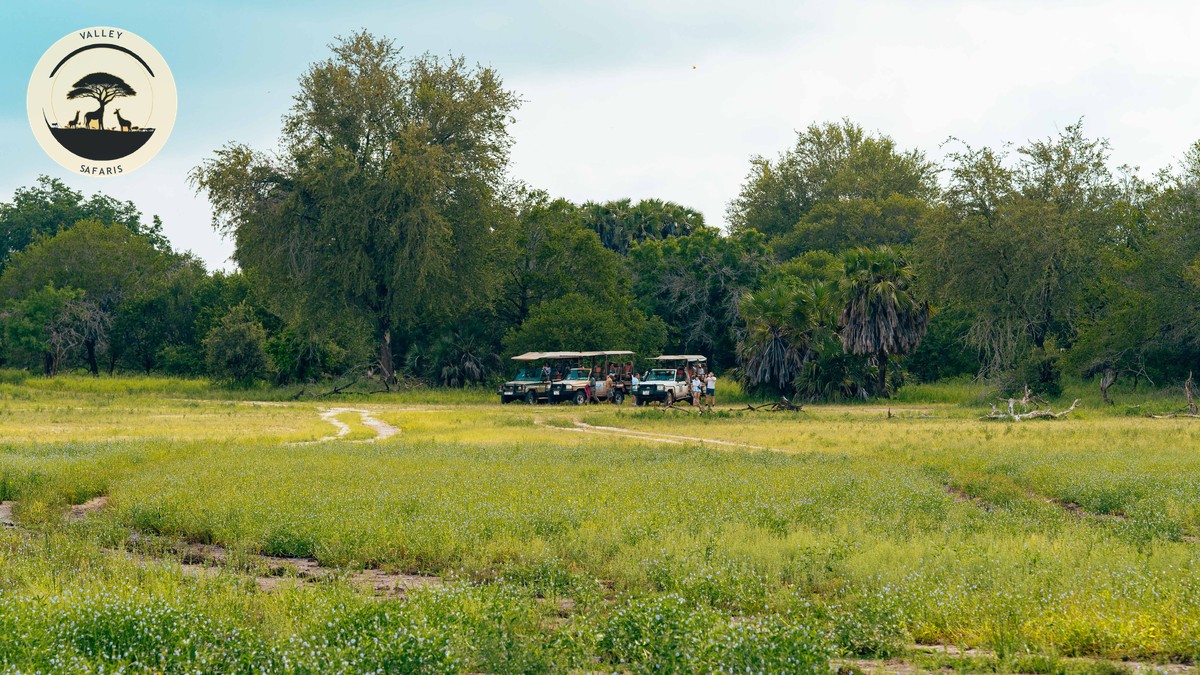
This is where Kenya-specific knowledge really pays off. Mara Land Cruisers with pop-top roofs let you stand and shoot over the vehicle at a much better angle than a closed minivan window. Ask for a pop-top vehicle when you book, and tell your guide up front that photography matters to you. A good guide will position the vehicle with the sun behind you and hold a respectful, legal distance, usually around 20 to 25 meters from big cats.
Where Your Phone Wins, and Where It Struggles
| Location | Distance from Nairobi | Drive Time | Approx. Fee (non-resident) | Smartphone Verdict |
|---|---|---|---|---|
| Maasai Mara National Reserve | 270 km | 5 to 6 hrs by road, or 45 min flight | $200/day Jul to Dec, $100/day Jan to Jun | Good for close sightings, tough for distant cats |
| Mara North / Naboisho Conservancies | around 280 km | 6 hrs by road, or 45 min flight plus transfer | conservancy fee set per conservancy, usually bundled into your camp rate | Vehicles can go off-road for closer angles |
| Amboseli National Park | 240 km | around 4 hrs | $90/day | Elephant herds up close, Kilimanjaro backdrop |
| Giraffe Manor, Nairobi | around 10 km from city center | 20 to 30 min | included in stay | Best for phones, giraffes at arm’s length |
Park fees above follow the KWS and Narok County schedules in force for 2026; conservancy fees change season to season, so ask for the current rate card when you book. If you want reliably close animals without fighting your phone’s zoom, Giraffe Manor’s close-up encounters are hard to beat, and Amboseli’s elephant herds often walk within a few meters of the vehicle. For genuinely distant, fast-moving action, especially river crossings, a phone alone starts to show its limits.
When a Smartphone Isn’t Enough
If your main goal is dramatic, tightly framed shots of predators mid-hunt, or you are chasing the great migration’s river crossings, a phone will leave you frustrated. That is when it makes sense to bring a proper zoom lens, hire one locally, or book a photography-guided safari with a vehicle set up for serious lenses and beanbag rests. It costs more, but it closes the gap a phone cannot.
The Valley Safaris Difference
We plan photography trips around light, not just wildlife sightings. That means starting game drives before sunrise, choosing pop-top vehicles for the Mara, and briefing guides on the shots our guests actually want. We also help you time your trip around the Mara’s own migration calendar. River crossings typically run from July through October, when herds gather at the Mara and Talek rivers and the action makes for dramatic smartphone stills and video alike.
Because we work with a small number of camps and conservancies, we know which ones give vehicles room to maneuver for a clean angle. We also know which ones get crowded at a sighting and box your shot in. That local knowledge matters as much as any lens.
Plan Your Photography Safari
A phone can carry you through most of a Kenya safari, as long as you understand where it shines and where it needs help. If you want a trip built around real photography opportunities, from Giraffe Manor to the Mara conservancies, get in touch with Valley Safaris and we will help you plan it.