If you’re traveling alone or on a tight budget, joining a group safari in Kenya is usually the cheapest honest way to see the Masai Mara without renting your own 4×4. But most operator websites just throw a price range at you and move on. Here’s what actually happens once you book a seat, what it costs, and where the trade-offs are.
What Joining a Group Safari in Kenya Actually Means
A group joining safari, sometimes called a shared or scheduled safari, is a fixed itinerary with fixed departure dates. You book one seat in a safari vehicle, not the whole vehicle. Other travelers, often strangers from different countries, fill the remaining seats. Everyone follows the same route, sleeps at the same camps, and eats at the same meal times.
This is different from a private safari, where you and your group set the pace and the vehicle is yours alone. Joining safaris exist because they split the cost of the vehicle, driver-guide, and fuel across six or seven people instead of one or two. That’s where the savings come from.
How a Shared Departure Works, Day to Day
Most joining safaris start with a pickup in Nairobi, often from a hotel in Westlands or the CBD, between 7:00 and 8:00 am. You’ll meet your driver-guide and the rest of your group that morning, sometimes for the first time.
From there, the day follows a set rhythm: a long drive with wildlife stops, lunch at a lodge or picnic spot, an afternoon game drive, then camp before dark. You don’t choose where to stop for that extra ten minutes watching a leopard, the guide manages that for the whole group. It’s a real trade-off. You get a lower price, but you lose control over pacing and detours.
Group Safari vs Private Safari: Who Each One Suits
| Factor | Group Joining Safari | Private Safari |
|---|---|---|
| Vehicle | Shared, 6-7 travelers | Just your party |
| Itinerary flexibility | Fixed, set by operator | Fully customizable |
| Typical cost per person (4 days, budget camping) | USD 550-750 | USD 900-1,400 |
| Solo traveler cost | Lower, but single supplement often applies to rooms | Higher, full vehicle cost |
| Best for | Solo travelers, backpackers, couples on a budget | Families, photographers, special occasions |
| Pace of game drives | Set by group consensus | Set by you |
If you want to see how those costs compare to booking as a couple, it’s worth checking before you decide which route fits your budget.
How Many People Actually Share the Vehicle
Most Kenyan operators cap group joining vehicles at 6 or 7 passengers, matched to the seating in a Toyota Land Cruiser or Land Cruiser Prado, so everyone gets a window seat with a clear pop-up roof view. Some budget operators push this to 8 in a minibus, which is worth asking about directly, since window access changes a lot when you’re trying to photograph a cheetah.
What a Group Safari Costs in Kenya
Prices depend on duration, season, and how much camping versus lodge time is built in. Here’s a sample breakdown for a 4-day, 3-night budget camping departure to the Masai Mara, based on typical 2026 shared-vehicle rates. Treat these as indicative figures, since park fees and fuel surcharges shift during the year.
| Item | Approximate Cost (per person, sharing) |
|---|---|
| Vehicle share (driver-guide, fuel, 4×4) | USD 180-220 |
| Camping accommodation, 3 nights | USD 90-150 |
| Masai Mara park fees (non-resident, per day) | USD 80 |
| Meals (full board) | USD 60-90 |
| Single supplement, if traveling alone and wanting a private tent | USD 60-100 |
| Typical package total, 4 days/3 nights | USD 550-750 |
Longer trips that add Lake Nakuru or Amboseli usually run USD 900 to 1,300 for 6 to 7 days. Prices climb in the July to October peak season and drop in the April to May low season.
What’s Included and What You’ll Pay Separately
Included in most package prices: transport in the shared 4×4, park entry fees, a driver-guide, camping or budget lodge accommodation, and full board meals. Not included, almost always: tips for the driver-guide (budget roughly USD 15-20 per day, shared or per traveler depending on the operator), drinks beyond water, laundry, and travel insurance. Some budget operators also charge extra for a sleeping bag rental, around USD 10-15 for the trip, if you don’t bring your own.
Ask specifically whether the price includes park fees. This is the most common hidden cost. A handful of sales pages quote a low headline price, then add USD 80 a day in Mara fees once you’re already committed.
Where Group Departures Actually Go
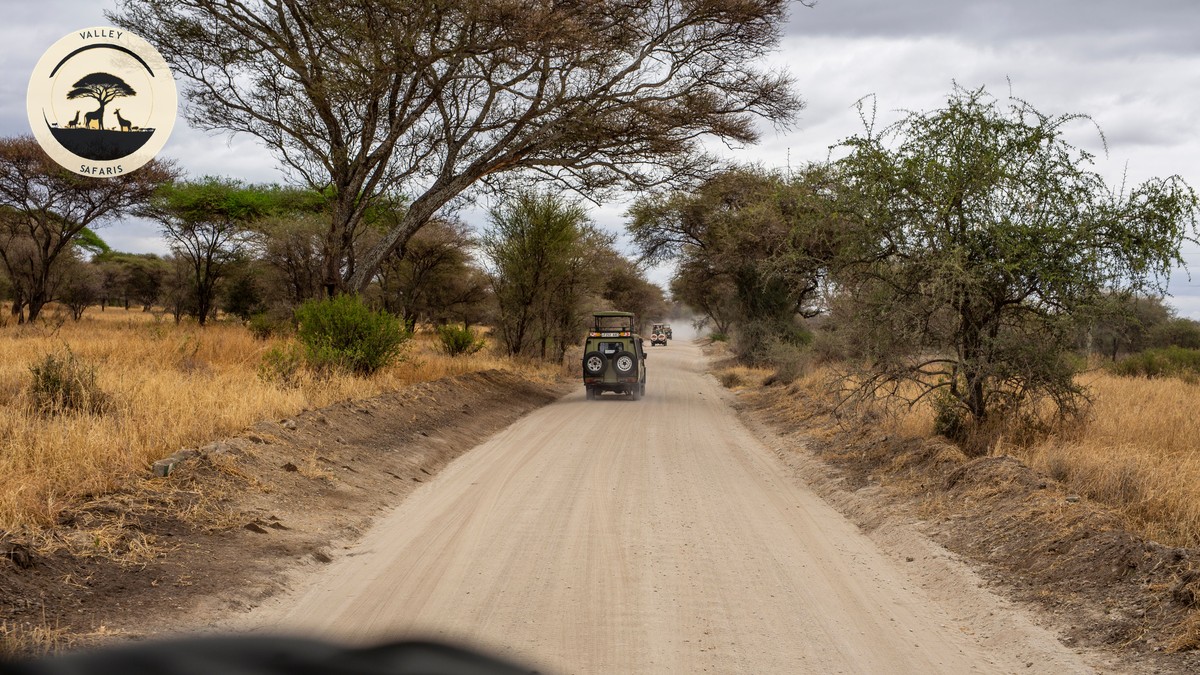
The four most common stops for Kenyan group joining safaris are Masai Mara National Reserve, Amboseli National Park, Lake Nakuru National Park, and Tsavo East and West. Masai Mara dominates shorter 3 and 4 day trips because it’s a manageable 270 km, roughly 5 to 6 hours, from Nairobi by road. Longer 6 to 7 day circuits usually combine the Mara with Lake Nakuru (about 3 hours from Nairobi) and Amboseli (around 4 hours, with views of Kilimanjaro on a clear morning).
If your departure starts in the Mara, it helps to plan getting from Nairobi to the Mara for your departure so you know the road transfer cost before you land.
Fixed Departure Dates and How to Hold a Seat
Because vehicles need a minimum number of travelers to run affordably, most operators publish a fixed departure calendar rather than daily start dates. Popular routes like Nairobi to Masai Mara often run 2 to 4 set departures a week in high season, fewer in the shoulder months. A deposit of 25 to 30 percent, paid at booking, typically secures your seat, with the balance due 30 days before departure. Booking at least 3 to 4 weeks ahead gives you a much better chance of a confirmed date, especially for July through September.
Accommodation on a Budget Group Itinerary
Budget joining safaris usually use permanent tented camps just outside the reserve boundaries, with twin-bed tents, shared bathroom blocks, and a communal dining tent. Near the Masai Mara, camps around Sekenani Gate and Talek are common bases for shared departures because they sit close to the reserve entrance without charging conservancy premiums. Expect simple, clean setups rather anything luxury. If you want a private tent instead of sharing with a stranger of the same gender, that’s where the single supplement applies.
Best Time of Year to Join a Group Safari
June through October covers the dry season and the Great Migration river crossings, so it’s the busiest and priciest stretch. December to March is warm and mostly dry, good for birding and calving season in the Mara. April and May bring the long rains, fewer travelers, and lower prices, worth considering for green season group departures at a lower price if your dates are flexible.
Questions to Ask Before You Book
Before paying a deposit, ask the operator: How many people are confirmed on this departure so far? Is the vehicle a Land Cruiser or a minibus? Are park fees included in the quoted price? What’s the single supplement if I don’t want to share a tent? And what happens if the minimum group size isn’t met by your date, will you be moved to another departure or refunded?
The Valley Safaris Difference
Most group safari listings online give you a vague price band and leave the rest vague on purpose. We publish our fixed departure calendar with real dates and real seat counts, so you know before you pay whether a trip is actually confirmed. Our quotes separate vehicle share, park fees, and accommodation line by line, and we tell solo travelers upfront what the single supplement costs rather than burying it in the fine print. We also name the actual camps you’ll stay in near Sekenani and Talek, not just “budget camping” on a brochure page. If a shared itinerary genuinely isn’t the best fit for your dates or your group, we’ll say so instead of pushing a booking.
Plan Your Group Safari With Us
If you’re ready to see real departure dates and a full cost breakdown for your travel window, take a look at our group joining safari packages or get in touch through our contact page and we’ll walk you through what’s confirmed right now.