A guest asked me last August, camera bag already packed, about her wildebeest river crossing chances. I told her the truth: on any single day at the Mara River, even in peak season, the odds are maybe 40 to 60 percent. Nobody puts that number on their website. I will.
This matters more if you shoot photos. A crossing that happens in flat midday light, with your vehicle boxed in behind six other trucks, is a different experience than one you watch alone at 7am with the sun low over the escarpment. Chances and quality of sighting are two separate questions. Let’s answer both honestly.
Why wildebeest river crossing chances are unpredictable
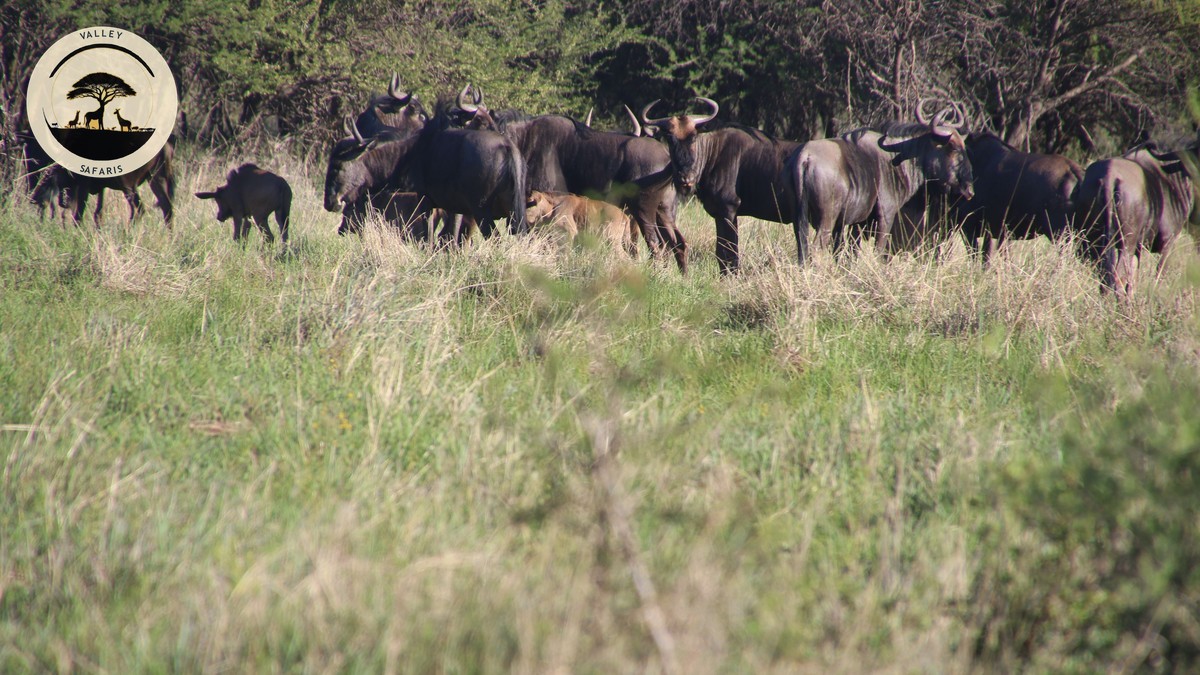
Wildebeest do not follow a schedule. They gather at the riverbank, sometimes for hours, sometimes for two days, before something (a lead animal, a lull in the current, sheer numbers pushing from behind) triggers the plunge. Guides call this “building.” You can watch 3,000 wildebeest stare at water and walk away without a single one crossing.
Rain changes everything too. Heavy rain upstream raises the water level and the current speed, which can delay a crossing by a day or push the herd to a different point entirely. Grass conditions on the Mara side versus the Serengeti side shift the herd’s direction week to week. No operator, however experienced, controls any of this.
Best months and weeks for crossings
The wildebeest migration follows grass and rain, not a calendar, but patterns hold most years:
- July to October: wildebeest are on the Kenyan side of the ecosystem, crossing back and forth across the Mara River and the Talek River.
- Mid-July to mid-August: this is the peak crossing window, when the bulk of roughly 1.5 million wildebeest first push north from the Serengeti.
- September: crossings continue, often smaller groups, still frequent.
- Late October to November: the herds turn south again, with a second wave of crossings as they head back toward the Serengeti.
- December to June: no Mara River crossings. The herd is in the southern Serengeti, calving between late January and March.
If your dates are flexible, mid-July to mid-August gives you the best statistical shot. It is also the busiest and most expensive stretch of the year, so book camps 9 to 12 months out.
Mara vs Serengeti: which side gives better odds
Both sides of the border see crossings, since the same river and the same herds move through both. The difference is logistics, not wildlife.
The Masai Mara is smaller and easier to cover in a day’s drive, so guides can reach a crossing point faster once word comes over the radio. The Serengeti’s northern sector (around Kogatende) is vast, with longer drive times between camps and crossing points, which can mean arriving after the action ends. If you’re still deciding, our guide to choosing between the Mara and the Serengeti breaks down cost and access in more detail.
For photographers specifically, the Mara Triangle side tends to offer better light in the morning, with the sun behind you as herds cross west to east. That is a real, practical reason to favor one bank over the other, not just marketing preference.
Named crossing points and what to expect at each
| Crossing point | Location | Typical drive time from nearby camps | Crowd levels | Notes for photographers |
|---|---|---|---|---|
| Mara Triangle (Lookout Hill area) | Western Mara, Mara Conservancy | 15-40 minutes from Serena, Mara Governors’ camps | Moderate | Best morning light, west bank gives clean backlit shots |
| Talek River | Eastern Mara, near Talek town | 10-25 minutes from Talek-area camps | High | Smaller river, more frequent but less dramatic crossings |
| Sand River | Southeastern Mara, near Tanzania border | 45-70 minutes from most Mara camps | Low | Fewer vehicles, but harder to reach in time |
| Serengeti Point 4 / Point 7 | Kogatende, northern Serengeti | 20-50 minutes from Lamai and Kogatende camps | Moderate to high | Wide river, dramatic crocodile action |
| Serengeti Point 10 | Further south of Kogatende | 40-60 minutes from most camps | Low | Quieter, but a long drive if radios call it late |
Park and conservancy fees vary. As an indicative range for 2026, expect around USD 100 per person per day for the Masai Mara National Reserve, and USD 70-100 per day for private conservancies like Mara North or Naboisho. Serengeti National Park fees run around USD 70-82 per person per day depending on season. Confirm current rates when you book, since these change year to year.
Tips that actually move your odds
Every safari blog tells you to “stay longer” and “visit both sides.” True, but vague. Here is what actually changes your numbers.
Trip length is the single biggest factor. One day at the river gives you maybe a 40-60 percent chance in peak season. Three days pushes that closer to 85-90 percent, because you get multiple attempts and your guide can adjust based on where herds are building. If you want the math spelled out by itinerary length, see our comparison on staying longer to improve your odds.
Camp proximity cuts your response time. A camp 15 minutes from the river beats one an hour away, every time a crossing starts. Herds rarely wait for you.
Guide radio and WhatsApp networks are the real edge. Mara guides share sightings constantly across camps and operators. A well-connected guide hears “herd building at Lookout Hill” within minutes and can reposition before the crossing starts. This is the single biggest difference between operators, and almost nobody talks about it publicly. It is also why we brief our guides to stay active on the shared networks every single game drive.
Vehicle positioning matters for photographers. Ask your operator for a 4×4 with a pop-up roof and room for tripods or beanbags, not a shared minibus. Fewer people per vehicle means more time at a good angle before you have to move for someone else’s shot.
What happens during a crossing
Once the herd commits, it is fast and chaotic. Wildebeest leap off eroded banks into fast-moving water, sometimes 3 to 4 meters down. Nile crocodiles, some over 4 meters long, wait in the deeper channels. Most wildebeest make it across. Drownings and crocodile kills happen, but they account for a small fraction of the herd on any given crossing, not the mass carnage some documentaries suggest.
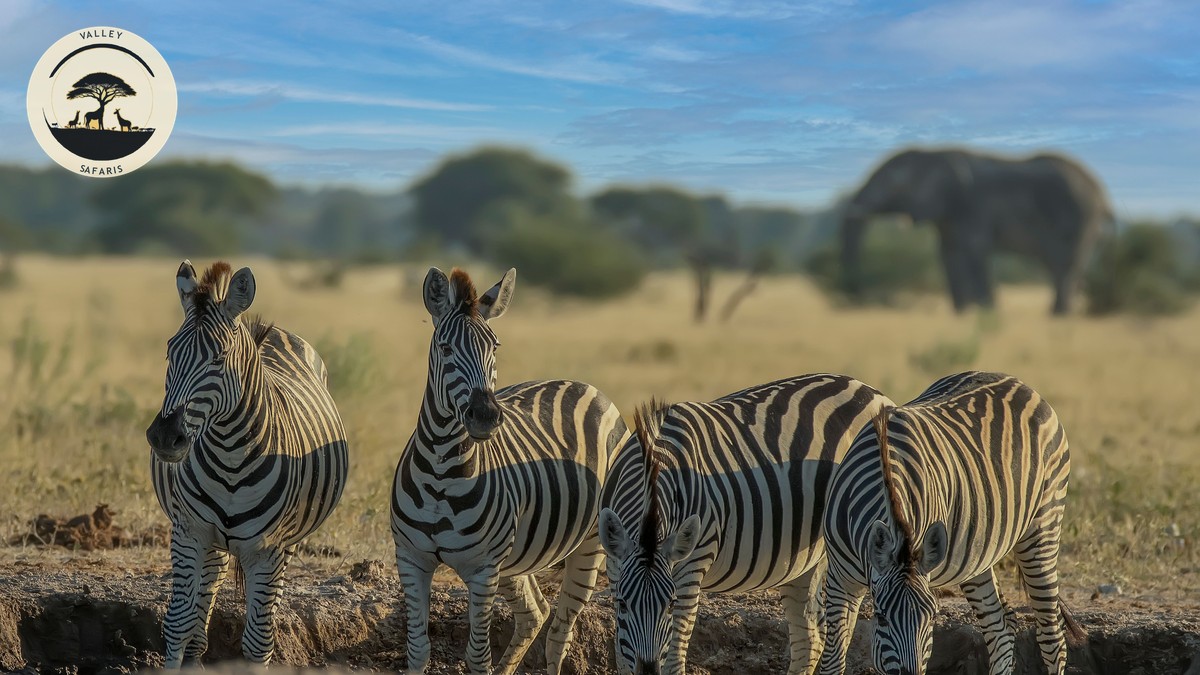
Zebra often cross alongside wildebeest, and lions and hyenas sometimes stake out the exit points on the far bank, since a tired, wet wildebeest is easy prey. If you’re photographing, expect five to twenty minutes of intense action, then a long quiet stretch as the herd regroups on the new side.
Where to stay near crossing points
For the Mara Triangle, camps like Mara Serena Safari Lodge and Governors’ Camp sit within 30 to 40 minutes of the main crossing points. On the Talek side, Angama Mara and camps around Talek town offer quicker access to that river’s frequent smaller crossings. In the Serengeti, Lamai Serengeti and camps near Kogatende put you closest to Points 4, 7, and 10.
Getting to any of these starts with getting to the Masai Mara from Nairobi, either by a 45-minute flight to a Mara airstrip or a 5 to 6 hour road transfer.
What if you don’t see a crossing?
No operator can honestly guarantee one. Anyone who promises a crossing is either lying or planning to reschedule your itinerary until you see one, which most travelers cannot afford to do. What we can promise is a plan built to maximize your odds: enough days at the river, a camp close to the action, and guides plugged into the radio network.
If a crossing does not happen on your trip, you still see the migration itself: hundreds of thousands of wildebeest and zebra grazing, calving, and moving across the plains. That is worth the trip on its own.
The Valley Safaris Difference
We build migration itineraries around the odds, not around a single hopeful day. That means at least three nights near a crossing point during peak season, guides who stay active on the cross-camp radio network, and vehicles configured for photographers who need space and a clear window, not a shared seat behind someone else’s shoulder. We also tell you upfront when a crossing is unlikely, so you can decide whether to add a day or adjust your dates before you fly out, not after.
Plan your migration trip with us
If you want an honest read on your own crossing odds based on your travel dates, camp budget, and how many days you can spend at the river, we’re happy to talk it through. Visit our Great Migration safari page to see itinerary options, or reach out through our contact page to start planning.