If you have searched “halal food safari lodges kenya” and found five articles that all mention the same five camps, you are not alone. Most guides treat Kenya as one paragraph inside a bigger Africa listicle. We run trips into the Masai Mara every month, so we wanted to write the guide we wish existed: which camps actually handle halal meals well, which ones need real advance notice, and where the coast makes life much easier.
This is not a brochure. Some camps do this brilliantly. Others will feed you well but lean on a vegetarian plate as a fallback. You deserve to know the difference before you book.
What “halal-friendly” actually means at a Kenyan lodge
Almost no safari lodge in Kenya holds formal halal certification. What you get instead is “halal-friendly”: kitchens that will source halal meat, cook it separately from pork and alcohol-based sauces, and adjust the menu on request.
That matters because Kenya’s coast, especially Mombasa and Lamu, has a large Muslim population and halal butchers on every corner. Inland, in places like the Masai Mara, most meat comes from Nairobi suppliers or nearby ranches, and halal sourcing depends entirely on what the camp arranges in advance.
In practice, “halal-friendly” covers three different setups:
- The camp has a regular halal butcher and cooks halal meals as a matter of course.
- The camp will fly or drive in halal meat specifically for your stay, given enough notice.
- The camp defaults to vegetarian, fish, or eggs for Muslim guests because sourcing halal meat on short notice is not realistic in a remote conservancy.
None of these are wrong. But you want to know which one you are booking, not find out on arrival day.
Prayer times and the game-drive schedule
Game drives run early morning and late afternoon, timed around when animals are most active, not around prayer schedules. The good news is that this usually works in your favor.
Dawn drives typically leave camp between 6:00 and 6:30 am, after Fajr. Afternoon drives run from around 4:00 pm and return near sunset, which leaves Maghrib easy to catch back at camp. Dhuhr and Asr fall during the midday break, when you are back at the lodge anyway, resting between drives.
Guides across the Mara conservancies are used to short stops. Ask your guide to pause the vehicle in a safe, open spot away from wildlife for a few minutes of prayer during a game drive, and most will do this without hesitation. It helps to mention this when you book, not when you arrive, so the guide assigned to you already knows.
Very few camps have a dedicated prayer room. Most guest tents and rooms have enough floor space for a mat, and staff will bring one on request at almost every property we work with. Bringing your own compact travel mat is still the safer bet, especially at smaller tented camps.
Alcohol, privacy, and modesty at camp
Alcohol is standard at the bar and dinner table in almost every Kenyan safari lodge. If you would rather not have it in your room, ask housekeeping to remove the minibar or in-room drinks on arrival. Every camp we work with will do this without any fuss.
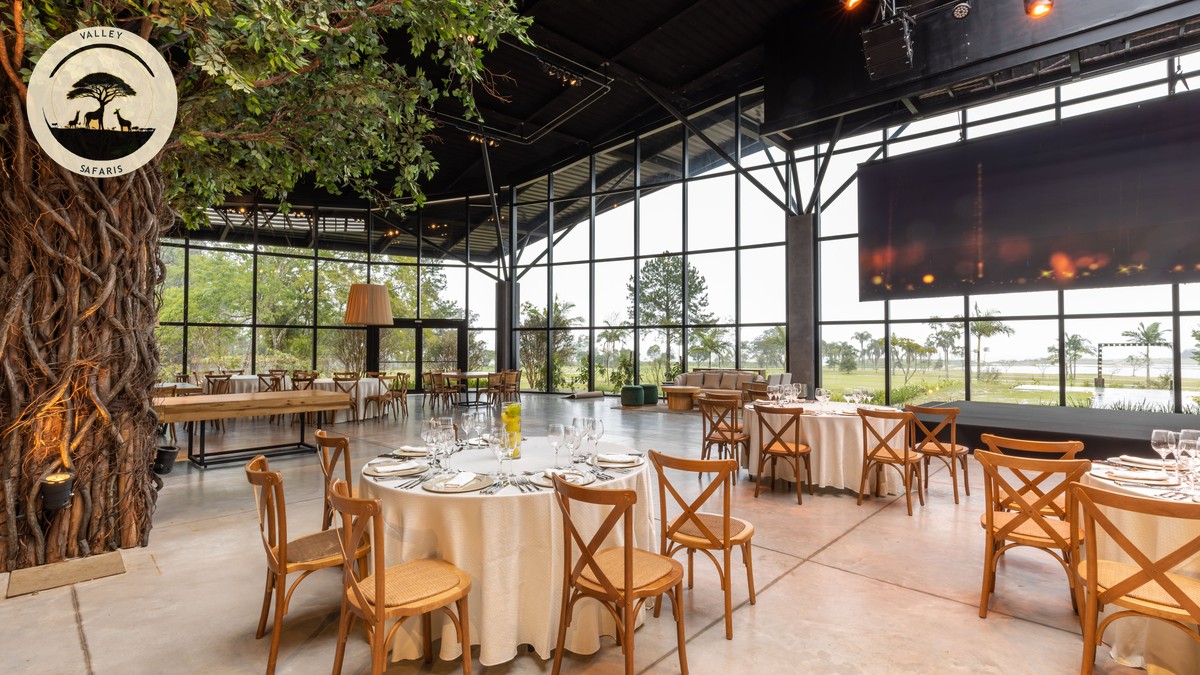
Shared dining is the norm at most mid-range camps, where guests eat together at set times. If you prefer more privacy, ask about in-room or private deck dining when you book. Higher-tier camps like Angama Mara and Mahali Mzuri offer this routinely. Mid-range camps can usually arrange it with a day’s notice.
Modesty around swimming pools and communal areas is rarely an issue since most camps are spread out, with private plunge pools or pools used at flexible times. If you want pool access without other guests around, ask for early morning or late afternoon slots.
For more on this, our Kenya safari cultural etiquette guide covers dress, greetings, and other day-to-day details worth knowing before you land.
How to plan and communicate halal requirements
Book early and be specific. “Halal meals” alone is not enough detail for a remote kitchen to act on. Tell the camp, or tell us and we will pass it on, whether you need:
- Halal meat specifically, not just no-pork
- No alcohol-based sauces or vanilla extract in desserts
- A same-fridge-separate-utensils setup if that matters to you
- Vegetarian or fish as an acceptable backup on the nights halal meat is not available
Remote Mara conservancies like Naboisho and Mara North need one to two weeks’ notice to source and transport halal meat reliably. Camps closer to Nairobi or on the coast can often manage with two to three days.
This is the same logic that applies to how camps handle other dietary needs like gluten-free requests: the further the camp, the earlier you need to ask.
Halal food safari lodges kenya: what we have seen firsthand
Here is our honest comparison of camps we book regularly, based on how they actually handle halal requests, not just what their brochures say.
| Lodge | Location | Halal meal approach | Notice needed | Price range (per person/night, indicative) |
|---|---|---|---|---|
| Angama Mara | Oloololo Escarpment, Mara Triangle | Flies in halal meat on request; strong track record | 10-14 days | USD 950-1,450 |
| Sarova Mara Game Camp | Masai Mara National Reserve | Sources halal meat from Narok/Nairobi suppliers | 5-7 days | USD 260-380 |
| Elewana Sand River Camp | Along the Mara River, near Kenya-Tanzania border | Halal on request, vegetarian fallback some nights | 10-14 days | USD 700-950 |
| Sanctuary Olonana | Mara Triangle, riverbank | Halal meat arranged via Nairobi supply chain | 7-10 days | USD 650-900 |
| Mahali Mzuri | Olare Motorogi Conservancy | Dedicated pre-arrival dietary consultation, reliable halal sourcing | 10-14 days | USD 1,100-1,600 |
| Basecamp Explorer Masai Mara | Talek, Masai Mara | Community-run kitchen, halal available with early notice | 7-10 days | USD 220-350 |
Prices are indicative, all-inclusive rates and shift with season. You can read our full Angama Mara review for more on what a stay there actually looks like day to day.
Kenya or Tanzania for an easier halal safari?
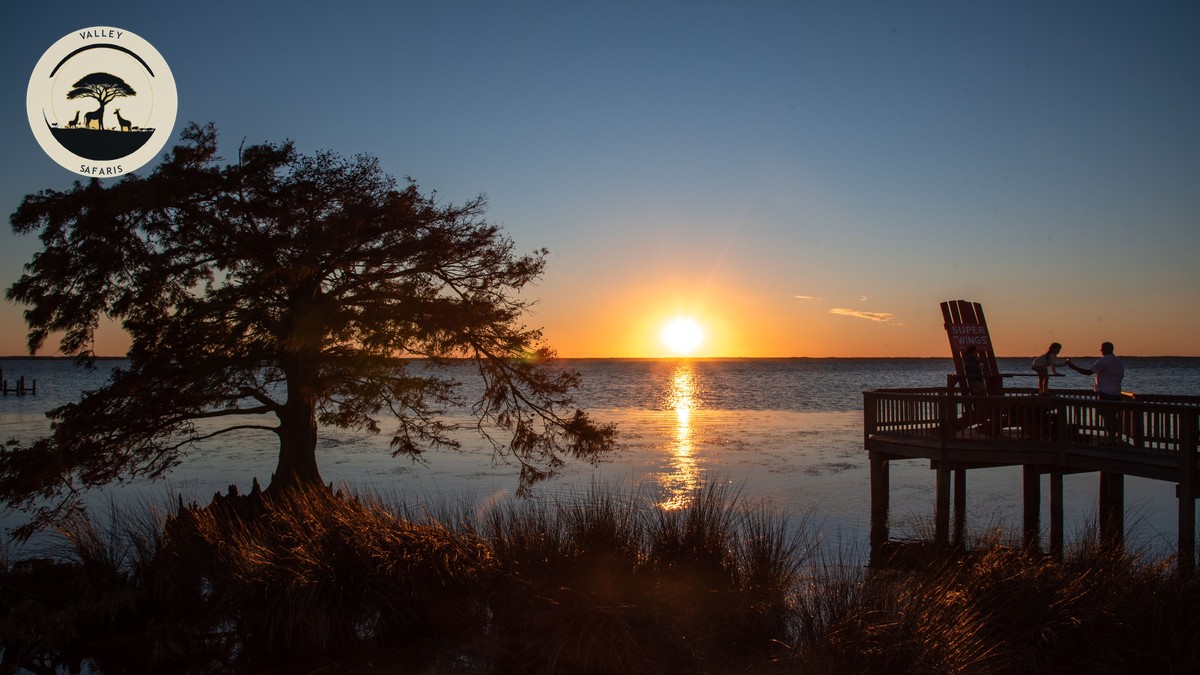
Both countries can do this well, but Kenya has one advantage: the coast. Combining a Mara safari with a stay in Mombasa or Lamu gives you the best of both, wildlife inland and effortless halal dining by the ocean.
Combining the Mara with a halal-easy coast stay
Nairobi to Mombasa is about 485 km, roughly an hour by air or eight hours by road. Mombasa’s Old Town alone has dozens of halal restaurants, and the wider coast, including Diani and Malindi, follows the same standard. Lamu, a further short flight of about an hour from Mombasa, is even more straightforward. Its Swahili food culture is halal by default in nearly every restaurant.
A common pattern for our guests: three to four nights in the Masai Mara, then fly back through Nairobi to Mombasa or Lamu for four or five nights of coast time. No halal planning required on that half of the trip, just good food wherever you stop.
Park fees are worth budgeting for too. The Masai Mara National Reserve conservation fee runs around USD 100 per adult per 24 hours for non-residents, while private conservancies bundle a similar fee into the nightly lodge rate.
The Valley Safaris Difference
We plan every halal request as a logistics problem, not an afterthought. Before you travel, we confirm directly with the camp kitchen what “halal-friendly” means for your specific dates, not just what their website claims. We build in the one to two weeks of notice remote camps need, brief your guide on prayer stops before you arrive, and flag any night where a fallback meal is likely so there are no surprises. We have sat in these dining tents ourselves and know which kitchens deliver.
FAQs about halal safaris in Kenya
Is halal food available at safari lodges in Kenya? Yes, at most established camps, though few hold formal halal certification. Coverage depends on advance notice.
Do I need to bring my own halal food? Not usually. Bringing a few halal snacks for long drive days is sensible, but full meals are not necessary if you book with enough lead time.
Is the meat served at Kenyan camps halal by default? No. Assume it is not halal unless the camp has confirmed halal sourcing for your stay.
Should I choose Kenya or Tanzania for an easier halal safari? Kenya’s edge is the coast. If you want a halal-simple trip end to end, pair the Mara with Mombasa or Lamu.
Plan your halal safari with us
If you want a Kenya trip where the halal logistics are sorted before you land, we would love to help you plan it. Take a look at our Masai Mara safari tours or get in touch through our contact page to start building your itinerary.