You’ve done the Mara. You’ve seen the wildebeest cross the Talek River and watched a lion pride sleep off a kill in the shade of a croton bush. Now you’re staring at two options: a gorilla permit in Rwanda, or a second Kenya trip that finally gets you to Samburu and Laikipia. The Kenya vs Rwanda safari gorillas question comes up in almost every one of these conversations, as if the two are fighting for the same slot on your calendar.
They don’t have to. But if you can only do one this year, the order matters more than most comparison pages admit.
Kenya vs Rwanda safari gorillas: what you’re actually comparing
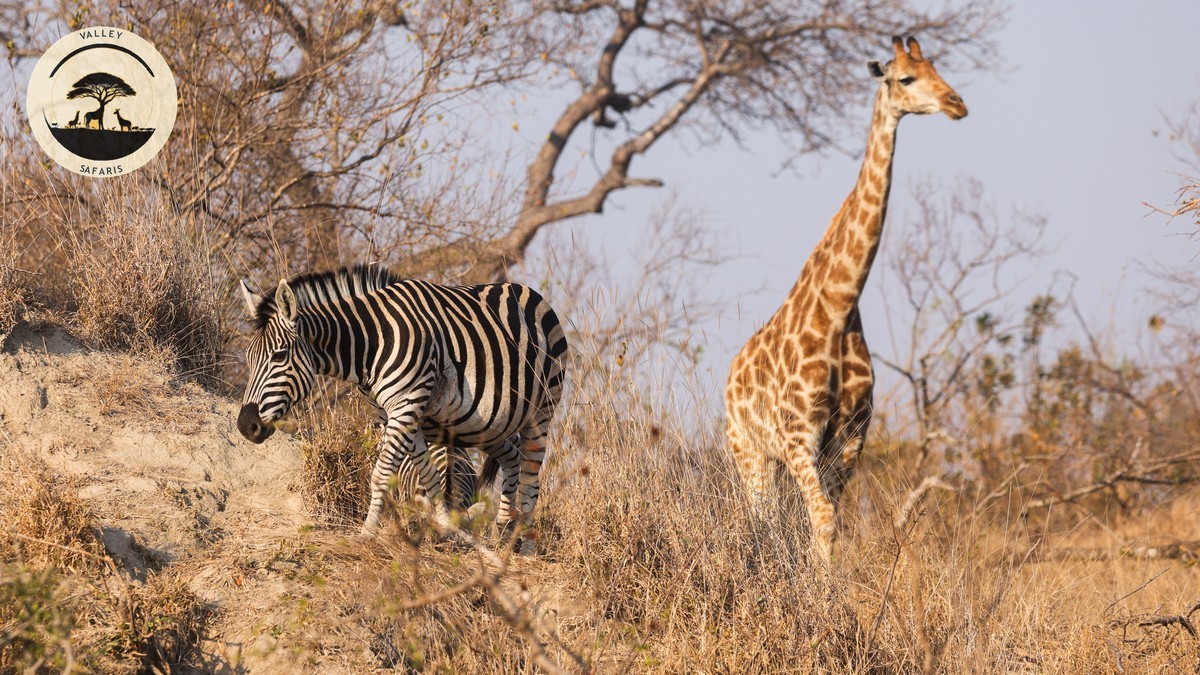
Rwanda sells you forty minutes with a gorilla family in Volcanoes National Park, an experience defined by proximity and quiet. Kenya sells you scale. Samburu’s dry, red-soiled hills hold species you won’t see in the Mara. Think reticulated giraffe, Grevy’s zebra, and the gerenuk standing on its hind legs to browse. Laikipia’s private conservancies add night drives and walking safaris that most national reserves don’t allow.
These aren’t really substitutes. One is a single, expensive, unrepeatable hour. The other is days of open landscape and variety. The question isn’t which is “better.” It’s which one fits where you are in your Africa journey right now, and what your budget can absorb this year.
The real numbers
| Factor | Kenya (Samburu / Laikipia) | Rwanda (Volcanoes NP) |
|---|---|---|
| Entry fee, per person/day | Samburu Reserve: USD 85; Laikipia conservancy fees: USD 80-100, often bundled into lodge rates | Gorilla permit: USD 1,500 (one trek, non-negotiable, set by Rwanda Development Board) |
| Distance/drive from main airport | Nairobi to Samburu: 325 km, 5-6 hrs by road, or a 70-min charter flight | Kigali to Musanze/Volcanoes NP: about 100 km, 2.5-3 hrs by road |
| Midrange lodge, per night (all-inclusive) | USD 250-450 (e.g. Elephant Bedroom Camp, Samburu) | USD 300-600 (e.g. Five Volcanoes Boutique Hotel, Musanze) |
| Luxury lodge, per night | USD 500-950 (e.g. Sasaab, Saruni Samburu) | USD 700-2,600+ (e.g. Sabyinyo Silverback Lodge, Bisate Lodge) |
| Best months | June-September and December-February for dry roads and easier game viewing | June-September and December-February, same dry windows, trekking is easier underfoot |
| Minimum days needed | 3-4 nights to make Samburu or Laikipia worth the flight | 1-2 nights near Volcanoes NP, plus travel days either side |
Those permit and lodge figures are current published rates as of mid-2026. Always confirm before booking, since Rwanda has revised gorilla permit pricing more than once in the past decade.
Is the $1,500 permit worth it
For a first-timer to Africa, maybe not yet. Spend that money on a longer Kenya circuit instead and save gorillas for a dedicated trip. For a repeat visitor who has already watched a leopard drag a kill up a sausage tree in the Mara, the calculation flips. You’re not paying for wildlife density anymore. You’re paying for a specific, finite experience: eight visitors, one habituated gorilla family, sixty minutes, no repeats. That scarcity is the product. If that kind of encounter genuinely excites you, it earns the price. If you’re chasing another big-cat moment, it won’t.
Which one goes first
Here’s the sequencing answer most comparison pages skip: do Kenya first, Rwanda second, in the same trip if you can manage nine or ten days total.
The logic is practical, not sentimental. Kenya’s parks reward multiple days: game patterns shift by morning and afternoon, and Samburu’s dry-country species take longer to locate than a Mara lion. Rwanda’s gorilla trek is a single fixed morning. It travels well as the shorter, climactic add-on at the end of a trip, not the anchor you build everything around.
Logistically, RwandAir and Kenya Airways both fly Nairobi to Kigali directly, a flight of roughly one hour forty minutes covering about 760 km (470 miles). Round-trip economy fares typically run USD 250-450 depending on season and how far ahead you book. Land in Kigali, and it’s a further 2.5 to 3 hour drive to Musanze, the town closest to Volcanoes National Park. Doing Rwanda last means your gorilla trek is the final big memory before you fly home. You’re not still processing it two days later while bouncing along Laikipia’s dirt tracks.
Combining both without wrecking your budget
A realistic combined itinerary looks like this: 4 nights in Samburu and Laikipia, 1 night transiting Nairobi, 1 flight to Kigali, and 2 nights in Musanze for a single gorilla trek. Add a buffer day for delays. That’s 8-9 days, and it lets you treat each leg properly instead of rushing both.
Budget travelers should know when to skip Rwanda entirely rather than squeeze it in. If your total trip budget is under USD 4,000 per person, be careful. The gorilla permit alone eats more than a third of that before lodges, flights, or a Kenya circuit even enter the picture. In that case, skip Rwanda and go deeper into Kenya instead. Pair Samburu with the Mara Triangle, or add a coastal detour to Kenya’s Kaya forests near Kilifi for something completely different from bush safari. Either option stretches your budget further and still delivers a trip worth remembering.
If you’re working out what a combined trip actually costs beyond the headline numbers, it helps to understand the hidden costs that Kenya safari packages skip. Think park entry on transit days, conservancy fees stacked per activity, and airstrip transfer charges that rarely make it into an advertised nightly rate.
Where to stay on each leg
In Samburu and Laikipia, your main decision is choosing between a tented camp and a lodge. Tented camps like Elephant Bedroom Camp sit closer to the Ewaso Nyiro River and lean into the sound of the bush at night. Lodges and lodge-style camps such as Sasaab or Saruni Samburu trade a little of that immersion for more design and comfort. That trade-off helps if you’re coming off a long-haul flight and want an easier landing.
In Rwanda, the split is sharper. Sabyinyo Silverback Lodge and Bisate Lodge sit at the ultra-luxury end, both right at the edge of the national park with volcano views from the room. Five Volcanoes Boutique Hotel and similar midrange options in Musanze town cost a third of that. You’re still within a short drive of the park gate for your morning trek briefing.
Safety, in plain terms
Both legs are safe for well-prepared travelers. Rwanda’s tourism sector runs tightly around the gorilla trekking industry, with rangers, trackers, and a permit system that limits daily visitor numbers per gorilla family. Kenya’s conservancies in Laikipia employ armed guides for walking safaris and night drives, standard practice rather than a red flag. The usual precautions apply on both sides. Use a reputable operator, don’t wander outside camp after dark without a guide, and check your government’s current travel advisory before departure, since conditions can shift.
The Valley Safaris Difference
We’ve routed clients through this exact Kenya-then-Rwanda sequence for years, and the details that matter are rarely in the brochure. We know which Samburu camps have generators that actually run all night. We know which Laikipia conservancy currently has the best leopard sightings, and which Kigali driver shows up early instead of on time. We build in a buffer day before the gorilla trek so a delayed flight never costs you the permit you already paid for.
We also believe in booking a combined trip direct vs. through a marketplace. A marketplace listing can’t tell you that the Musanze lodge just changed ownership, or that a Laikipia conservancy is closed for controlled burning in August. We can, because we check before every trip we plan.
Plan it with us
Weighing Samburu against Volcanoes National Park? Trying to work out whether nine days is enough for both? We’d rather talk it through than sell you a fixed package. Visit our Kenya and Rwanda safari tours page to see current itineraries. Or reach out through our contact page and we’ll help you sequence the trip properly.