Your first safari comes with a checklist already crowded with binoculars, malaria pills, and the right boots. What most travelers skip is a proper Kenya safari cultural etiquette guide, so the cultural side gets missed until someone is standing in a Maasai boma, camera raised, unsure what to do next.
I’ve watched guests get this wrong in small, forgivable ways. I’ve also watched a few get it right in ways that changed their whole trip. Guides suddenly opened up. Village elders invited them to sit rather than just pose for a photo. The difference usually comes down to a handful of habits, not a long list of rules.
What This Kenya Safari Cultural Etiquette Guide Covers
This guide walks through greetings, dress, tipping, village visits, and photography etiquette, the specifics that turn an awkward moment into a good one.
Greetings and Social Etiquette
Swahili greetings go a long way in Kenya, even if your accent is rough. “Jambo” works as a friendly hello, though it’s the version aimed at tourists. “Habari yako” (how are you) gets a warmer response from Kenyans who aren’t in tourism jobs, and the reply is usually “Nzuri” (good).
With Maasai and Samburu elders, a handshake is fine, but pay attention to how it’s offered. Many older men and women extend a soft handshake and a slight head bow rather than a firm grip. Some elders prefer that younger people, especially young women, lower their eyes slightly as a sign of respect rather than holding direct eye contact. Follow your guide’s lead here. Guides from Basecamp Explorer in the Mara or Sasaab in Samburu will usually cue you quietly before an introduction.
Dress Code and Modesty
On game drives, stick to neutral colors: khaki, olive, tan, muted green. Bright colors like red or blue can startle animals. In tsetse fly country around Samburu and the Mara conservancies, blue and black actually attract the flies. Save the bold prints for the lodge pool.
Near villages and rural towns, modesty matters more than camouflage. Cover your shoulders and knees, especially in Samburu and Maasai communities and in smaller towns like Narok or Kilgoris. You don’t need a headscarf, but a light long-sleeve shirt and knee-length shorts or trousers keep you comfortable in most settings. That includes mosques in coastal areas like Lamu if your itinerary extends there.
Game Drive and Wildlife Etiquette
Stay inside the vehicle unless your guide explicitly says it’s safe to step out, usually only at designated picnic spots or viewpoints. Kenya Wildlife Service rules ban standing on car seats or roofs in most parks, and rangers do enforce it in Amboseli and Nairobi National Park.
Keep voices low near animals. Elephants and lions habituate to vehicle noise, not shouting. Never feed wildlife, not even the vervet monkeys that raid breakfast tables at camps like Keekorok in the Mara. It trains them to associate humans with food, which ends badly for the animal.
Flash photography is discouraged at night, particularly for leopards and other nocturnal cats whose eyes are sensitive. Most guides will tell you to switch it off before you even ask.
Photography Etiquette With Local People
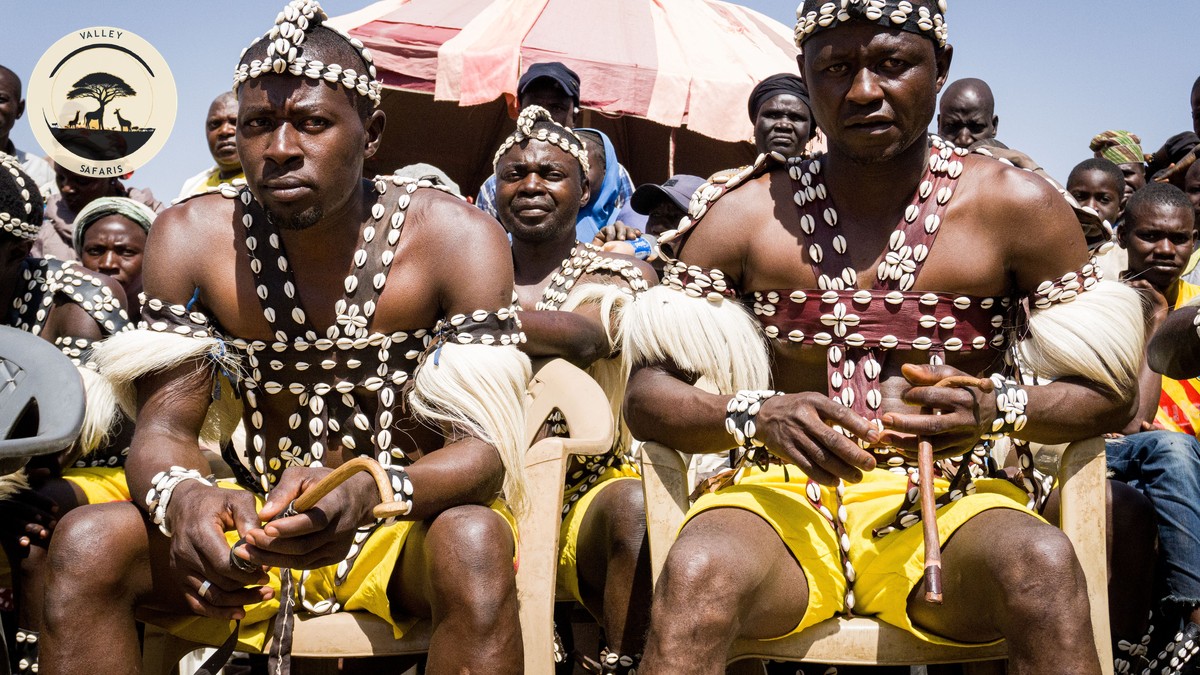
Ask before photographing anyone, always. This is the one rule every ranking guide gets right, but the nuance matters more than the rule itself.
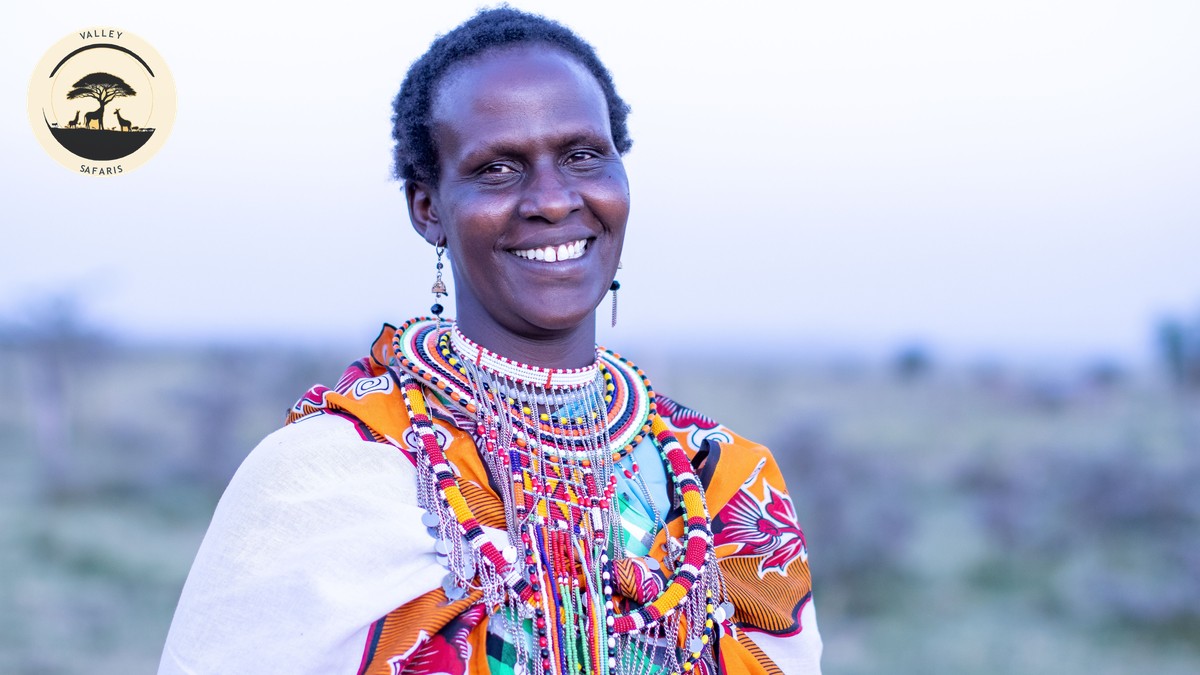
In heavily visited spots like the roadside Maasai markets near Narok or curio stalls outside Amboseli’s Kimana Gate, some sellers or performers expect a small payment for photos. It’s often 100 to 500 KES, roughly $1 to $4, per photo or group. That’s a normal transaction, not a scam, though it’s worth agreeing on the amount before you shoot. In genuine village settings, away from tourist routes, a simple ask and a smile is usually enough, and payment isn’t expected the same way.
Tipping Guidelines
Tipping in Kenya follows rough regional norms rather than a fixed rule, and they shift depending on group size and trip length. Here’s how it typically breaks down.
| Role | Typical Tip (per day) | Notes |
|---|---|---|
| Safari driver-guide (Mara, Amboseli, Samburu) | $15-20 USD | Pooled if traveling with a group; paid at trip end |
| Camp/lodge staff (general staff box) | $10-15 USD | Often a shared box at reception, not per person |
| Maasai or Samburu village guide | 500-1,000 KES ($4-8) | Separate from the village entrance fee |
| Balloon safari crew (Mara) | $10-15 USD per person | On top of the $450-500 balloon fee |
| Porters (airstrips, lodges) | 100-200 KES ($1-2) per bag | Small notes, cash only |
Carry small USD notes (post-2009 series) or Kenyan shillings, since most camps in the Mara, Samburu, and Amboseli don’t have change for large bills.
Dining and Hospitality Customs
If you’re offered food or a drink in a village or a Kenyan home, accept it, even a small taste. Refusing outright can read as rude, though most hosts understand a firm, polite “no thank you” if you have dietary restrictions.
Eating with your right hand is standard where communal dishes like ugali are served without cutlery. The left hand is traditionally considered less clean. At lodges and camps, standard Western cutlery is always provided, so this mostly applies in village or home settings.
Visiting Maasai and Samburu Villages
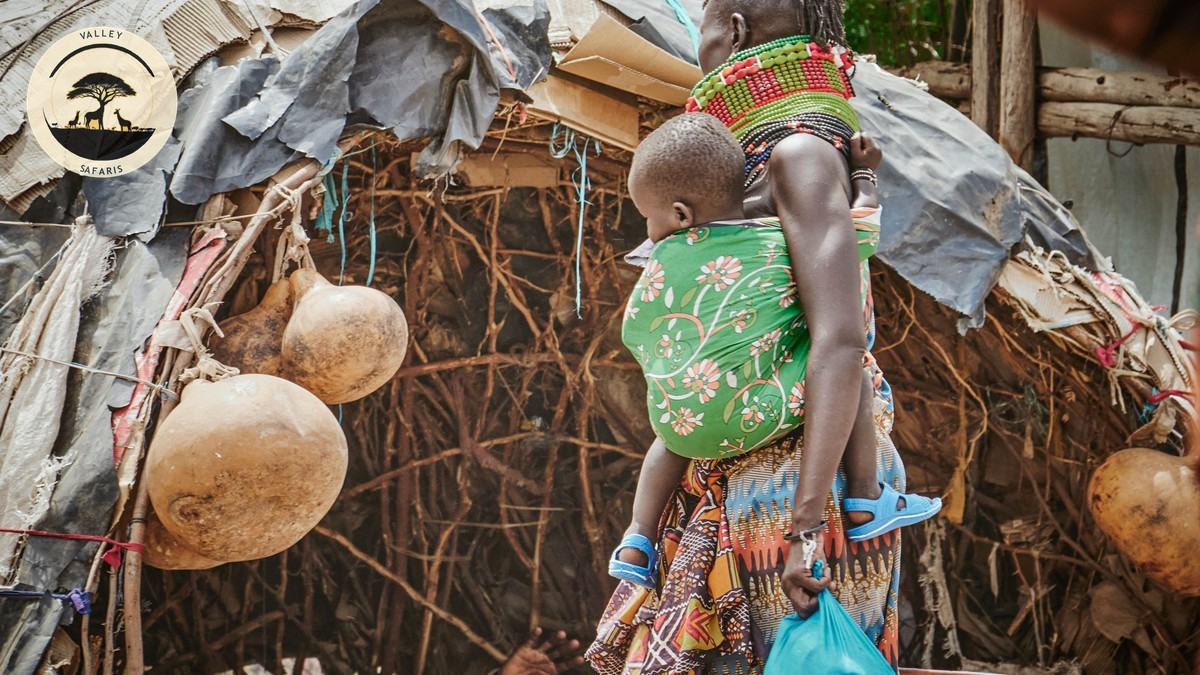
Village visits (bomas) usually cost 1,000 to 2,500 KES ($8-20) per person, sometimes bundled into your camp’s activity list, sometimes paid separately at the gate. Some are genuine community visits where you meet families and see daily life. Others, especially the bomas clustered right outside Sekenani Gate in the Mara, are set up almost entirely for tour buses, with dancing performances and craft stalls timed to coach arrivals.
Neither is wrong exactly, but it helps to know which you’re getting. Ask your guide directly: “Is this a working village or a cultural center built for visitors?” A good guide will tell you honestly. If you want a genuine visit, camps like Elephant Bedroom in Samburu or smaller Mara conservancies such as Naboisho tend to arrange visits through community partnerships rather than roadside stops. For more on telling the two apart, see our guide to how to spot staged or overpriced cultural village visits.
Language Basics
A few Swahili and Maa words open doors. “Asante” (thank you), “Karibu” (welcome), and “Pole pole” (slowly, slowly, Kenya’s unofficial safari motto) will carry you through most interactions. For a fuller list before you land, our post on 20 Swahili phrases every safari traveler should know covers greetings, market bargaining, and camp basics.
Religious and Cultural Sensitivities
Kenya is largely conservative on public displays of affection and LGBTQ+ visibility, and same-sex relations remain criminalized under Kenyan law, though enforcement against tourists is rare. Discretion is the practical approach: avoid public affection regardless of orientation, and save conversations about relationships for private settings. Coastal areas with larger Muslim populations, like Lamu and parts of Mombasa, call for extra modesty in dress and behavior.
Environmental and Conservation Etiquette
Never buy ivory, animal skins, teeth, or bone jewelry. It’s illegal to export from Kenya and illegal to import into the US, EU, and most other countries, with real prosecution risk on both ends. Carved wood, Maasai beadwork, and kiondo baskets make better souvenirs and support local artisans directly.
Pack out what you pack in. Parks like the Mara and Amboseli have limited waste infrastructure, and litter left on drives can end up in an elephant’s stomach or a hyena’s den.
Camp and Lodge Etiquette
Never walk between tents alone after dark. Camps like Governors’ Camp in the Mara or Elephant Bedroom in Samburu are unfenced, and hippos, buffalo, and elephants pass through at night. Staff will escort you with a torch, and that’s not overcaution, it’s a real safety measure.
Tip staff at the end of your stay through the communal box unless told otherwise, and greet kitchen and housekeeping staff by name if you learn it. Small gestures like this tend to get remembered by returning guests too.
Frequently Asked Questions
Is it rude to take photos of Maasai people in Kenya? Not if you ask first. Payment of 100-500 KES per photo is common at tourist-facing markets, less so in genuine village visits.
How much should you tip a safari guide in Kenya? Around $15-20 USD per day is standard across the Mara, Amboseli, and Samburu, usually pooled for group trips.
Can you buy ivory or animal-skin souvenirs in Kenya? No. It’s illegal to sell, export, or import, with real legal consequences.
What should you not wear on a Kenya safari? Avoid bright colors and dark blue or black, which attract tsetse flies in Samburu and Mara conservancy areas.
Is it safe to give sweets or money directly to children in villages? Avoid it. It encourages begging and disrupts local school attendance. Donate through a camp’s community fund instead.
If you’re weighing up your first trip and want the fuller list of rookie mistakes beyond etiquette, our roundup of other first-time Kenya safari mistakes to avoid is worth a read too.
The Valley Safaris Difference
Most operators hand you a printed dos-and-don’ts sheet at check-in. We’d rather brief you before you land, over a call or email, so you know exactly which camps near you handle village visits honestly. We’ll also tell you which guides speak Maa as well as Swahili. Our drivers grew up in Narok, Isiolo, and Kajiado counties, not just trained on scripts, and they’ll tell you straight when a “cultural village” is more gift shop than community.
That honesty extends to planning too. We’ll tell you if a balloon safari over the Mara is worth the $450, or if a sunset picnic arranged quietly at your camp will mean more to your trip.
Plan Your Trip With Us
Ready to see Kenya with guides who know the culture as well as the wildlife? Explore our Kenya safari tours or get in touch through our contact page to start planning your first trip.