Every guide to wildebeest calving season photography sends you to Ndutu. Fair enough. The Southern Serengeti and Ngorongoro Conservation Area host the big show, with roughly 500,000 calves born across the plains between January and March. But there is a second calving event, quieter and far less written about, that happens entirely inside Kenya. It belongs to the Loita wildebeest, a resident herd that calves on the Loita Plains in the eastern Maasai Mara during the November and December short rains.
This guide covers both, honestly. Ndutu is bigger and more concentrated. The Mara’s calving season is smaller, but it comes with lower rates, fewer vehicles, and no border crossing. For a wildlife photographer planning a trip around light, patience, and elbow room, that trade-off is worth knowing before you book.
What Is Wildebeest Calving Season, and When Does It Happen
Calving season is the window when the majority of a wildebeest population gives birth, almost always within a few weeks of each other. It is nature’s way of overwhelming predators with more calves than they can possibly eat, a survival strategy called predator swamping.
In Tanzania, the great migration’s main herd calves on the short-grass plains around Ndutu and Ngorongoro, peaking from late January through March. In Kenya, the Loita wildebeest, a population that does not migrate to the Serengeti, calves on the Loita Plains near the Mara’s Naboisho, Ol Kinyei, and Siana conservancies. Their season runs mainly through November and December, tied to the short rains that green up the grass.
Where to Witness It: Ndutu Versus the Mara
Ndutu draws thousands of vehicles because the herd is enormous and the plains are open and flat, ideal for photography. Ngorongoro’s short-grass plains and the kopjes scattered across them give predators natural ambush points, which makes for dramatic viewing.
The Loita Plains work differently. The herd is resident and far smaller, spread across a wider stretch of grassland east of the main Mara Triangle. You will not find 40 vehicles around one lioness here. You might find two. That is the whole appeal for a photographer who wants clean backgrounds and time to work a scene without a queue of Land Cruisers behind you.
| Feature | Ndutu / Southern Serengeti (Tanzania) | Loita Plains, Maasai Mara (Kenya) |
|---|---|---|
| Peak calving window | Late January to March | November to December |
| Herd type | Migratory, part of the 1.3-2 million wildebeest migration | Resident, non-migratory |
| Herd size (indicative) | Hundreds of thousands present on the plains at peak | Roughly 5,000-10,000, indicative and declining in recent years |
| Calves born per day at peak (indicative) | Up to around 8,000 | Dozens to a few hundred, spread over weeks |
| Nearest airstrip and transfer time | Ndutu airstrip, 10-20 minutes to camp | Ol Seki or Naboisho airstrip, 20-45 minutes to conservancy camps |
| Road distance and drive time | Arusha to Ndutu, about 180 km, 4-5 hours | Nairobi to the Mara, about 270 km, 5-6 hours |
| Vehicles per sighting at peak | Often 15-30 or more | Typically 2-6 |
| Indicative low-season lodge rate, per person/night | 250-450 USD | 150-300 USD |
| Park or conservancy fee | NCAA fee approx. 70.80 USD per 24 hours (2024 rate) | Conservancy fees approx. 80-100 USD per day, indicative, varies by conservancy |
The Scale of the Event, and the Drama That Follows
Ndutu’s numbers are the draw. When thousands of calves drop within days of each other, predators gorge and still cannot dent the herd. That is the spectacle everyone photographs, wobbly legged calves standing within minutes, and cheetahs, hyenas, and lions working the edges of the herd.
The Loita calving is quieter but the predator interest is just as real. Naboisho and Ol Kinyei hold healthy lion prides and a strong leopard population, and calving season pulls them toward the plains. Because the herd is more dispersed, you are more likely to watch one hunt unfold slowly rather than catch a chaotic scramble. If you want to understand how guides find these cats before the light gets good, it helps to know how Mara guides track predators using GPS collars. Several conservancies use them to monitor resident lion prides.
Essential Gear for Calving Season
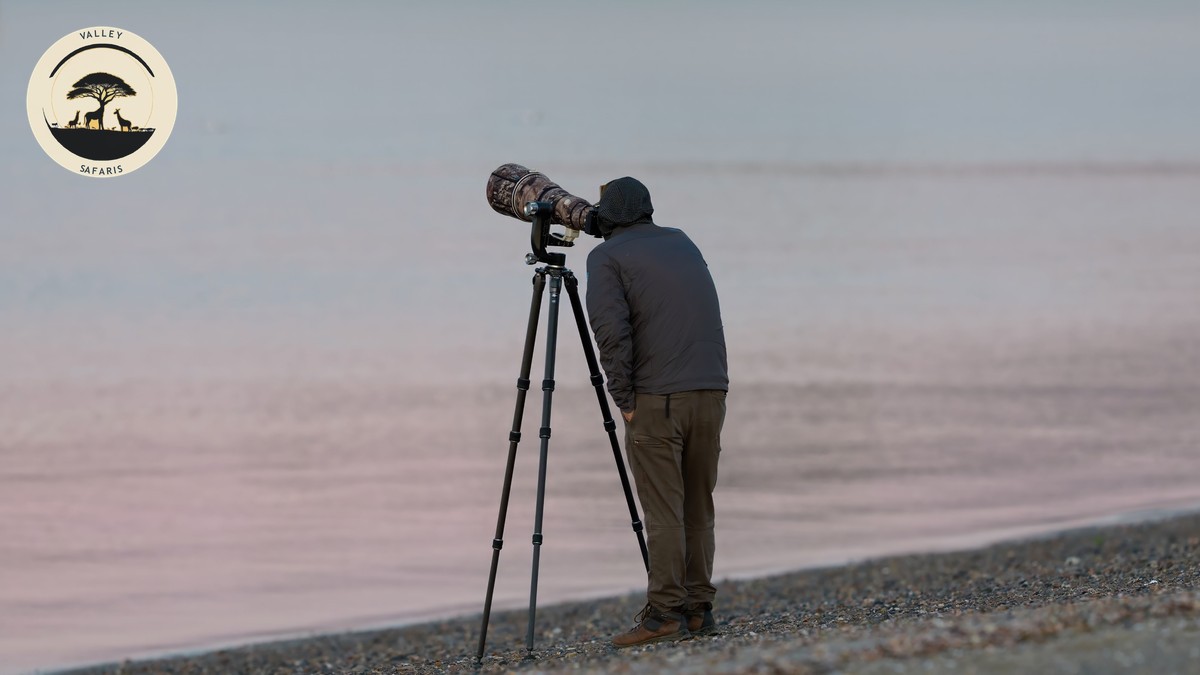
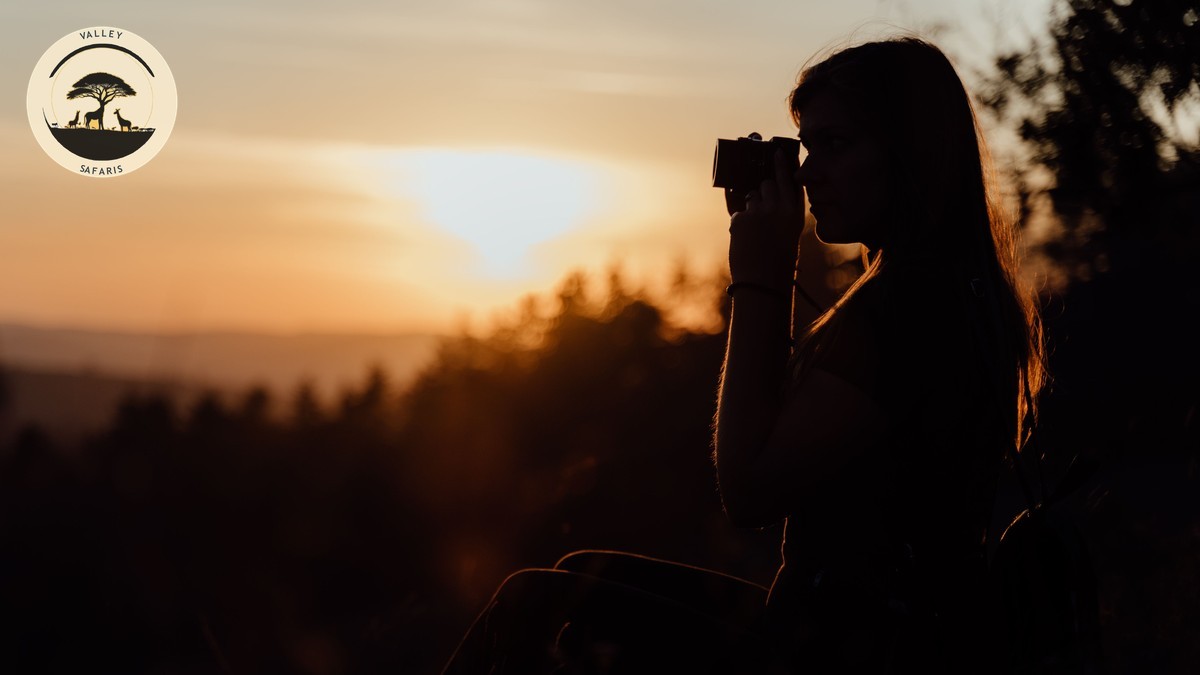
Pack for long lenses and low light. A 100-400mm or 200-600mm zoom covers most calving and predator action from a vehicle. A second body with a 24-70mm handles wide herd scenes and dramatic sky. Bring at least two batteries per body since cold mornings and constant shooting drain them fast, and a rain cover matters more than usual during the Mara’s short rains.
A beanbag still beats a tripod in most safari vehicles, since you shoot through open sides or a pop-up roof rather than a fixed window. Bring a rocket blower and lens cloths. Dust off the plains gets into everything, especially on windy afternoons at Loita.
Wildebeest Calving Season Photography: Light, Timing, and Patience
The first 90 minutes after sunrise give the best light for calving photography, low and warm, with long shadows across the grass. Newborn calves tend to appear in that window too, since many births happen overnight or at first light, when predator activity is lower.
Set your camera to continuous autofocus and a fast shutter, at least 1/1000 for chase sequences. But do not chase the action constantly. The best calving images often come from staying still at a respectful distance and waiting for a birth, a first stand, or a predator’s approach to play out naturally. Guides who know the plains well will position the vehicle early and let the scene come to you rather than crowding it.
Beyond the Camera: Behavior Worth Watching
Calving season is not only about the kill. Watch the mothers instead. A wildebeest cow will often stand guard over her calf for the first hour, nudging it to its feet and fending off jackals before it can walk properly. Watch the herd’s edges, where nervous females bunch together, and the center, where calves rest closer to safety.
At Loita, because the herd is smaller, you can often follow one family group across a full morning. That kind of continuity is hard to get at Ndutu, where the sheer number of animals makes it difficult to track an individual story.
Conservation and the Circle of Life
Calving season feeds the whole ecosystem, not just predators. Vultures, jackals, and hyenas clean up what lions and cheetahs leave behind, and the nutrients cycle back into the grass that the next generation of wildebeest will graze. It is a blunt, honest picture of how the Mara-Serengeti ecosystem sustains itself.
The Loita population is worth watching for another reason. Its numbers have declined over recent decades due to fencing and changing land use around the Loita Hills, and conservancy income from tourism is part of what keeps this specific herd’s grazing corridors open. A trip during Mara calving season supports that directly, since conservancy fees fund grazing plans and anti-poaching patrols in Naboisho and Ol Kinyei.
Trip Planning and Logistics
November and December fall in the Mara’s low season, between the July-October peak migration crowds and the short dry spell in January. That means better rates, more room in camps, and vehicles that are not stacked three deep at a sighting. It also means afternoon showers, so pack accordingly and expect some overcast skies, which many photographers actually prefer for softer, more even light.
Private vehicles matter more here than almost anywhere else on a Kenya safari. Off-road driving for photography is permitted in most Mara conservancies, including Naboisho and Ol Kinyei, but not inside the main Maasai Mara National Reserve. That is one more reason conservancy-based camps suit photographers better during calving season. Budgets matter more now that safari prices are climbing in 2026. A low season trip built around Loita calving is one of the more cost-effective ways to get serious photography time with a private vehicle.
The Valley Safaris Difference
We have been building Mara itineraries for over a decade, and we treat calving season as a photography trip first, not a general game drive with a long lens attached. That means private vehicles with a pop-up roof and beanbag setups ready to go, camps inside Naboisho or Ol Kinyei where off-road access is allowed, and guides who plan each day around light rather than a fixed drive schedule.
We also tell you plainly what to expect. The Loita calving is a smaller, more spread-out event than Ndutu’s. If you want the 8,000-calves-a-day spectacle, we will help you plan that trip into Tanzania instead. If you want fewer vehicles, lower rates, and the chance to sit with one family group for a whole morning, the Mara’s own calving season delivers that in a way most operators never mention.
Plan Your Trip
If the Mara’s November calving season sounds like the trip you have been picturing, we would love to help you plan it. Take a look at our Maasai Mara photography safari or get in touch through our contact page and we will start working out the details together.