The first time I watched a Grevy’s zebra step out of the acacia scrub near the Ewaso Ng’iro river, I almost missed it. It stood alone, ears swiveling, closer to a wild donkey in build than the striped horses I’d pictured. That’s the thing about this animal. It doesn’t gather in big showy herds like its plains cousin. You find it one or two at a time, and finding it takes some local knowledge.
This Grevy’s zebra spotting Samburu guide covers exactly where in Samburu National Reserve to look, how to tell a Grevy’s zebra from a plains zebra in the field, and when to go. I’ll also be honest about the trade-offs, because dry season sightings are best but they come with heat, dust, and grazing pressure that stresses the very animals you’re there to see.
What Is a Grevy’s Zebra?
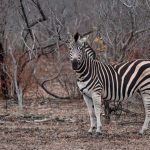
Grevy’s zebra (Equus grevyi) is the largest living wild equid, standing up to 1.5 meters at the shoulder and weighing as much as 450 kg. Its stripes are narrower and packed tighter than a plains zebra’s, running all the way down to the hooves, with a white belly left mostly unmarked. The ears are rounder and larger, almost mule-like.
Unlike plains zebra, which live in tight family herds, Grevy’s zebra males hold large territories, some over 10 square kilometers, and mark them rather than follow a herd. Females and young move through these territories more loosely. That’s why photographers need patience here. You’re tracking individuals, not waiting for a stampede to cross your windscreen.
Grevy’s Zebra Spotting Samburu Guide: Where to Look
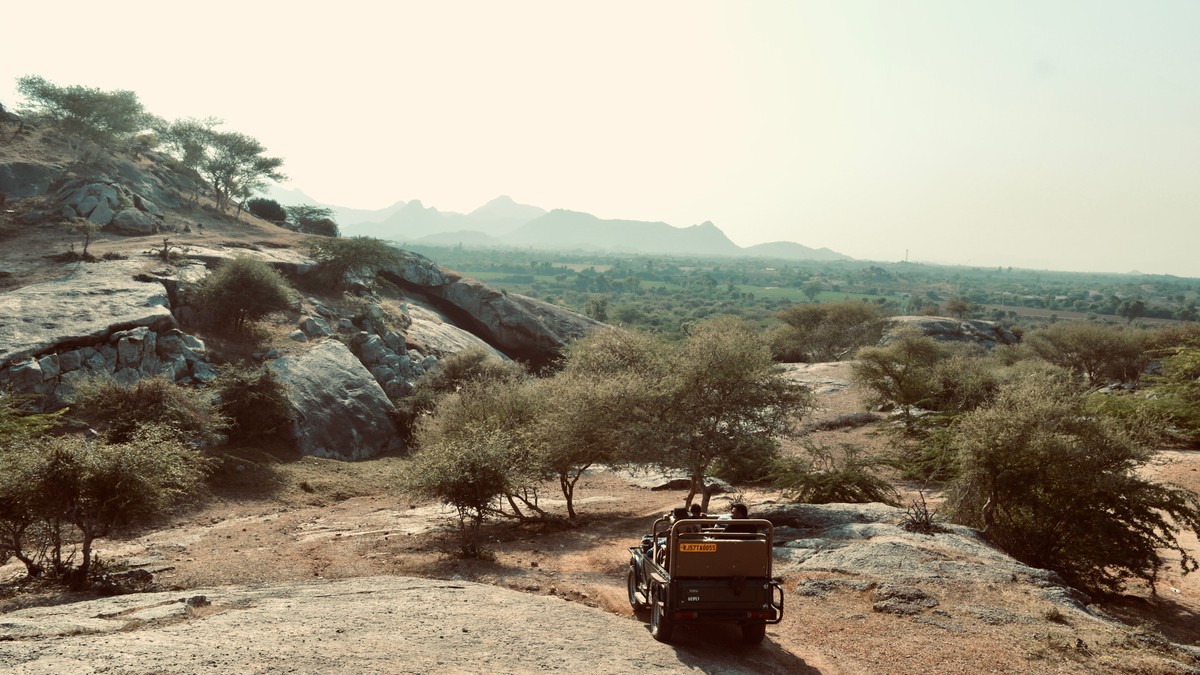
The most reliable stretch is the riverine belt along the Ewaso Ng’iro within Samburu National Reserve, particularly the stretch between Samburu Game Lodge and the Buffalo Springs river crossing. Grevy’s zebra come here to drink in early morning and late afternoon, and the open Acacia elatior woodland gives clear sightlines for a long lens.
A second dependable zone is the doum palm flats north of Samburu Game Lodge, where scattered males hold territory near permanent grass. Guides also watch the Ngeng Loop track and the plains around Koitogor Hill, especially from June through September when grazing there stays green longer than elsewhere in the reserve.
Because Grevy’s zebra are solitary and scattered, don’t expect a guaranteed sighting on your first drive. Budget at least two full game drives, morning and evening, to raise your odds. A good guide who tracks known territorial males day to day makes a real difference, and this is where local knowledge earns its keep.
Grevy’s Zebra vs Plains Zebra: Field Identification
Both species overlap in Samburu, so a fast, confident ID matters when the light is fading and the animal is 200 meters off.
| Feature | Grevy’s Zebra | Plains Zebra |
|---|---|---|
| Stripe width | Narrow, tightly packed | Broader, wider spacing |
| Stripes on belly | Absent, white underside | Present, stripes meet underneath |
| Ears | Large, rounded, mule-like | Smaller, more pointed |
| Social structure | Solitary or loose pairs, territorial males | Tight family herds of 5 to 20 |
| Shoulder height | Up to 1.5 m | Up to 1.3 m |
| Where to find in Samburu | Ewaso Ng’iro riverine strip, Koitogor plains | Almost anywhere in the reserve |
| Global population (approx.) | 2,000 to 2,500, IUCN Endangered | Several hundred thousand, Near Threatened |
The stripe pattern is the giveaway once you’re within camera range. From a distance, ear shape and body posture (Grevy’s stand more upright, almost horse-like) are the faster tells.
Best Time of Year for Sightings
June through October, the long dry season, is the strongest window. Grass thins out everywhere except along the river, so Grevy’s zebra concentrate near permanent water and become easier to predict. January and February, a shorter dry spell, also work well and bring fewer vehicles than the July-August peak.
The trade-off is real. Dry months mean dust, daytime temperatures above 33°C, and thinner grazing that puts stress on the zebra population you’ve come to photograph. The rains, from March to May and again in November, green up the reserve and scatter the animals further from the river, making sightings less predictable but the light softer for photography. For a broader look at how these patterns shift across the country, see our breakdown of Kenya’s dry season month-by-month.
The Samburu Special Five
Samburu markets itself around five species found here but rare or absent in Kenya’s more famous parks: Grevy’s zebra, the reticulated giraffe, Beisa oryx, gerenuk, and Somali ostrich. All five favor the same dry, acacia-scrub habitat, so a single game drive along the river and out onto the plains can realistically deliver all five in a day, though Grevy’s zebra usually takes the longest to find.
Most guests need three nights, or two full days of drives, to see all five species with confidence and still leave time for a slower, photography-focused session rather than a checklist chase.
Why Grevy’s Zebra Is Endangered
The population has fallen from an estimated 15,000 in the 1970s to somewhere between 2,000 and 2,500 today, a decline of more than 80 percent. The IUCN lists the species as Endangered.
Three pressures drive the drop. Poaching for skins was severe through the 1970s and 1980s, since Grevy’s zebra hides fetched high prices on international markets. Habitat loss from expanding settlement and farming has shrunk their range to northern Kenya and a small population in Ethiopia. Competition with livestock for grazing and water, especially during drought years, pushes zebra away from the boreholes and rivers they depend on.
Around 95 percent of the remaining wild population lives in Kenya, much of it outside formal national parks, on community land where conservation depends on local buy-in rather than fences.
Conservation Efforts Worth Knowing About
The Grevy’s Zebra Trust, founded in 2007 and based in Nanyuki, runs community scout programs across northern Kenya, employing local Samburu residents to monitor zebra populations and mediate grazing conflicts with herders. Their annual Great Grevy’s Rally, a citizen-science count using photo-ID, has become the main tool for tracking population trends.
Community conservancies bordering Samburu, including Namunyak and West Gate, set aside grazing reserves during dry months specifically to ease pressure on wildlife corridors. Staying at lodges that fund these conservancies through bed-night fees puts a portion of your trip directly into that work.
Where to Stay
Camps along the river put you closest to the best zebra territory and cut down on early morning drive time.
| Camp/Lodge | Location | Distance to river zebra zone | Indicative rate (per person/night, high season) |
|---|---|---|---|
| Elephant Bedroom Camp | Samburu National Reserve, riverside | 5 to 10 min drive | USD 450 to 550 |
| Larsens Camp | Samburu National Reserve, riverside | 10 min drive | USD 400 to 500 |
| Samburu Intrepids | Samburu National Reserve, riverside | 10 to 15 min drive | USD 350 to 450 |
| Saruni Samburu | Kalama Conservancy, hillside | 25 to 35 min drive | USD 500 to 650 |
| Ashnil Samburu | Samburu National Reserve, riverside | 5 min drive | USD 300 to 380 |
Rates are indicative and shift with season and currency, so treat them as a planning range rather than a quote. Park fees for Samburu National Reserve run around USD 80 to 85 per adult per 24 hours for non-residents, payable on entry or through your operator.
Samburu sits in a malaria risk zone, so anti-malarial medication and repellent are worth packing regardless of season.
Other Parks with Grevy’s Zebra
Buffalo Springs National Reserve, across the river from Samburu and covered by the same entry ticket in most itineraries, holds a smaller but reliable Grevy’s zebra population and tends to have fewer vehicles.
Lewa Wildlife Conservancy, about 90 km south of Samburu and roughly a two-hour drive, protects one of the largest single Grevy’s zebra populations in Kenya, estimated at over 350 individuals. Ol Pejeta Conservancy, near Nanyuki, also holds a smaller introduced population alongside its rhino sanctuary. Both make sensible add-ons if you’re building a longer northern circuit, and both compare interestingly with how Samburu compares to Amboseli if elephant density is also on your list.
If big cats matter as much as zebra to you, it’s worth weighing Samburu’s wildlife against the Masai Mara before you lock in an itinerary, since the two parks reward very different kinds of patience.
The Valley Safaris Difference
We don’t promise a guaranteed Grevy’s zebra sighting, because nobody honestly can. What we do is build your itinerary around the river stretches and plains where our guides have tracked known territorial males for years, and we schedule two dedicated drives rather than one rushed pass.
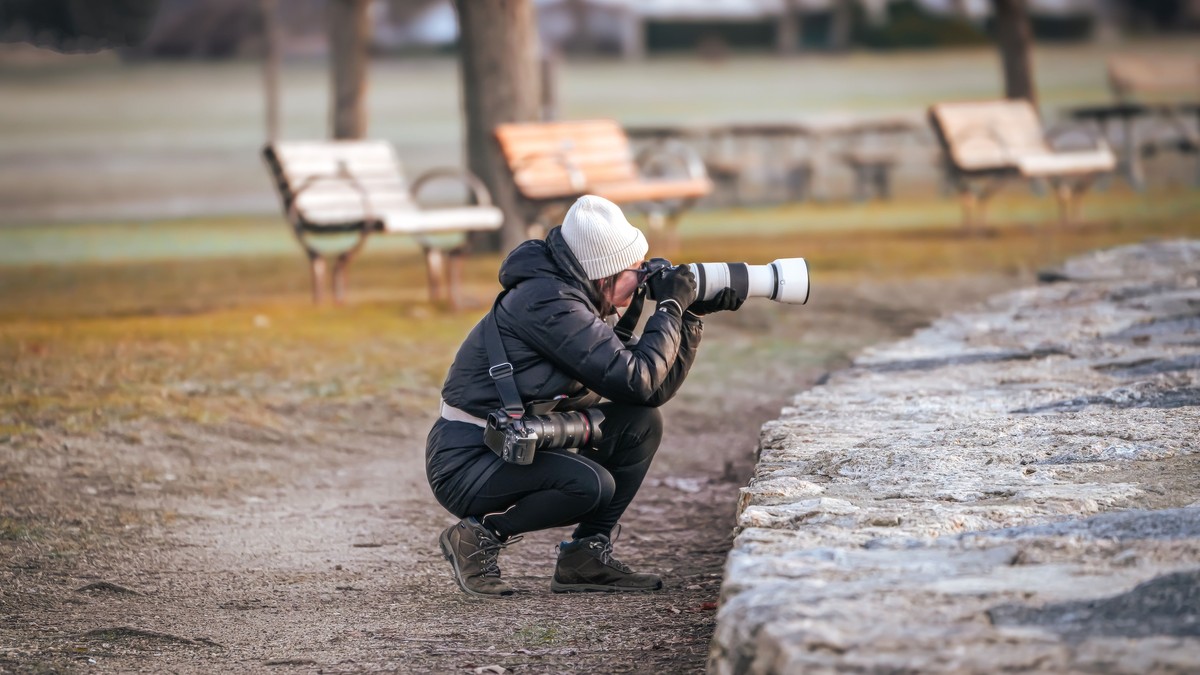
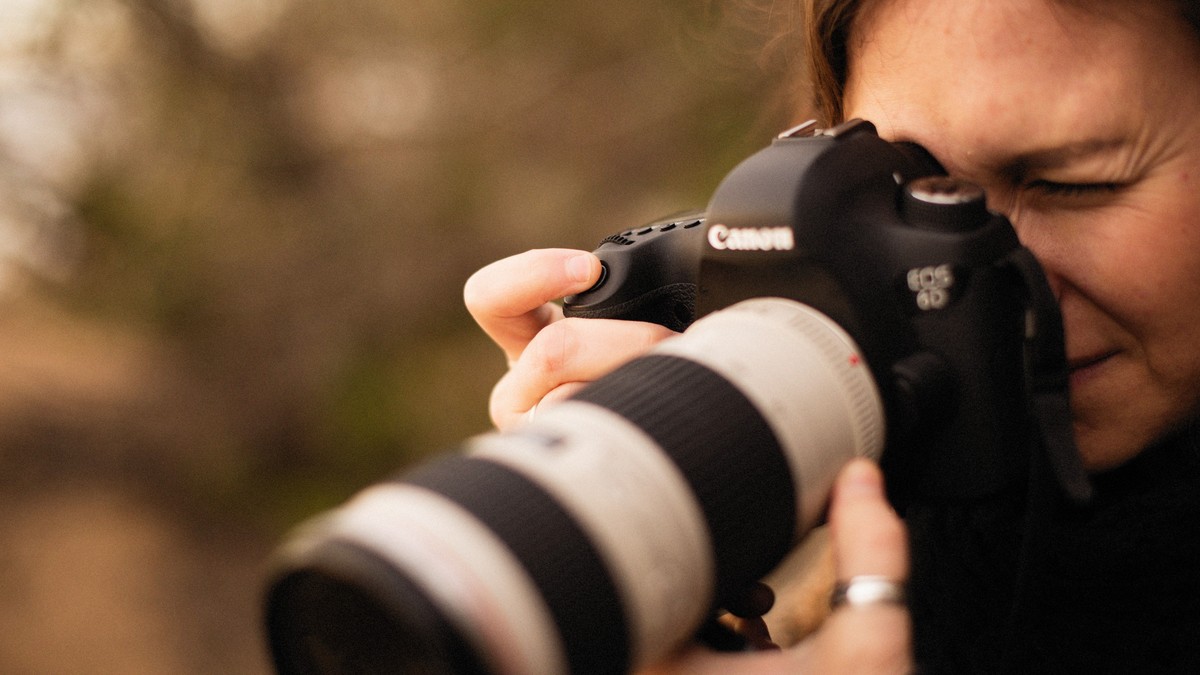
Our vehicles carry beanbag rests and open roof hatches as standard, useful for the long, steady shots a solitary zebra at 150 meters demands. We also keep our groups small, usually four guests per vehicle, so a photographer waiting an extra ten minutes for the light isn’t holding up someone else’s game count.
Plan Your Samburu Trip
If Grevy’s zebra is on your list this year, we’d like to help you find one. Take a look at our Samburu photography safari itinerary or get in touch through our contact page to start planning the details.