The first time guests see a Tsavo elephant, they usually ask the same question. Is that animal sick? Is it a different species? Why Tsavo elephants are red comes down to one simple habit: they cover themselves in red dust, on purpose, almost every day.
It is one of the most photographed sights in Kenya, and one of the least explained. Here is what is actually happening, where our guides take guests to see it, and the honest trade-off nobody mentions before you book.
Why Tsavo elephants are red
Tsavo sits on soil rich in iron oxide, the same compound that gives rust its color. Locally it is called laterite. When the ground dries out in the dry season, it turns to a fine, rust-colored powder that coats everything nearby, fences, safari vehicles, and elephants.
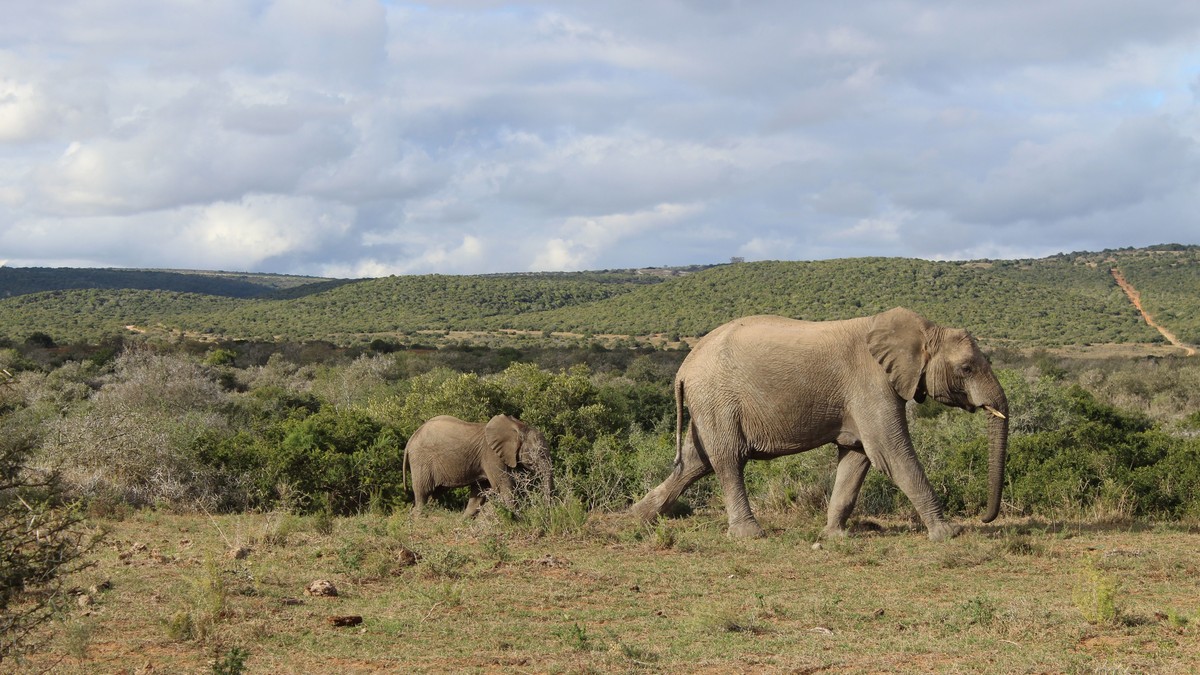
Elephants are grey underneath, the same grey you see on elephants in the Maasai Mara or Amboseli. The red is a coating, not a skin tone. It builds up layer by layer until an elephant looks like it was dipped in paint.
How dust bathing actually works
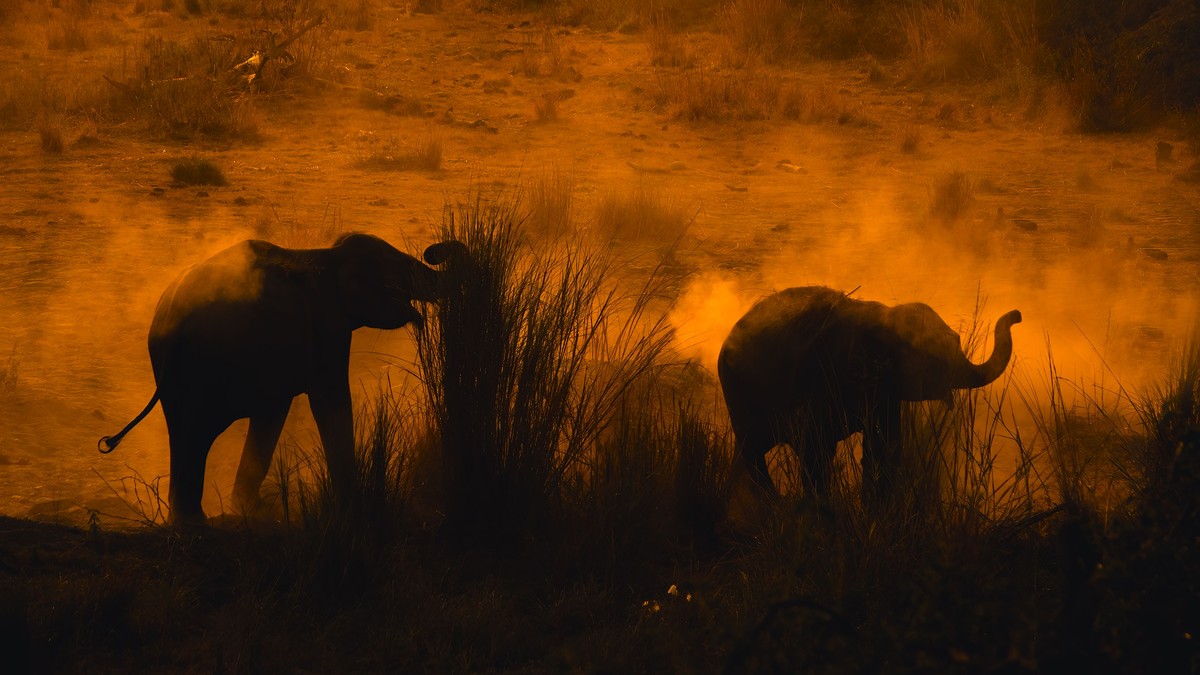
Elephants dust bathe with real technique. They spray water from a nearby hole or dam onto their skin using their trunk. Then they suck up dry soil and blow it over the wet patches. The dust sticks to the moisture and dries into a thick, even coat.
Calves learn this from their mothers within their first year. You will often see a whole family group doing it together at a waterhole, trunks going in a loop from mud to back to shoulders. It is not random. It is maintenance.
Why elephants dust bathe
There are three practical reasons behind the ritual, and none of them are about looking good for cameras.
Sunscreen is the biggest one. Elephant skin is thick but sensitive, and it sunburns in the same equatorial sun that reddens human skin. A dust layer blocks UV rays the way a mineral sunscreen does.
Bug protection comes second. Ticks, tsetse flies, and other biting insects struggle to reach skin through a hardened dust coat. Elephants in Tsavo deal with more insect pressure than elephants in cooler, higher-altitude parks, so the habit runs stronger here.
Cooling is the third reason. Elephants have no sweat glands. Wet mud against skin cools blood near the surface, and a dry dust layer afterward slows how fast that heat comes back.
It’s temporary, not genetic
This is the part most first-time visitors get wrong. Tsavo elephants are not a red subspecies. Move the same elephant to the black cotton soil near Amboseli or the grey volcanic soil of the Mara. Within a few weeks of rain and fresh coats of local dust, the red fades.
Rain also does the job faster. After a good storm, Tsavo’s elephants can look almost grey again within days, until the ground dries out and the cycle restarts. If you are chasing the reddest possible photos, timing your trip around dry weather matters more than anything else on this list. For a month-by-month breakdown, our guide to Kenya’s dry season month by month is worth reading before you pick dates.
Tsavo East vs Tsavo West
Tsavo splits into two parks separated by the Nairobi-Mombasa highway and railway. Both have red elephants, but the experience differs enough to matter when you are choosing where to spend your nights.
| Feature | Tsavo East | Tsavo West |
|---|---|---|
| Size | approx. 13,747 sq km | approx. 9,065 sq km |
| Landscape | Flat, open, semi-arid scrub | Hillier, more woodland, volcanic features |
| Signature elephant spot | Aruba Dam, Mudanda Rock | Ngulia waterholes |
| Non-resident park fee (indicative) | approx. USD 80 per adult, per 24 hrs | approx. USD 80 per adult, per 24 hrs |
| Distance from Nairobi | approx. 333 km via Mombasa Road, approx. 5 hr drive | approx. 233 km via Mombasa Road, approx. 3.5-4 hr drive |
| Distance from Mombasa | approx. 155 km, approx. 2.5-3 hr drive | approx. 260 km, approx. 4 hr drive |
| Best for | Open-plain elephant herds, red dust in big numbers | Rhino sanctuary, floodlit night waterhole viewing |
Prices and fees change with Kenya Wildlife Service updates, so treat the figures above as a planning range and confirm current rates when you book.
Best time to see the reddest elephants
The driest stretches of the year give you the deepest red. Think late June through October, and again in January and February. Rain falls mainly in November and from March through May, and it washes the color out fast.
June through October also lines up with the wider dry season across Kenya. If you are combining Tsavo with other parks for spotting all of Kenya’s Big Five, this window works for more than just elephants.
Where to actually watch it happen
This is the part most travel blogs skip. Knowing the science does not tell you where to point your vehicle.
In Tsavo East, Mudanda Rock is a 1.5 km outcrop that overlooks a natural dam below it. From July through October, herds gather here in numbers that regularly reach the hundreds, all dust bathing within view of the rock. Aruba Dam, a short drive further into the park, is a reliable waterhole stop most mornings and late afternoons.
In Tsavo West, Ngulia has two advantages. The waterhole near Ngulia Safari Lodge is floodlit at night. Guests staying there can watch elephants and other wildlife drink and bathe after dark without leaving the lodge grounds. The nearby Ngulia Rhino Sanctuary adds black rhino sightings to the same drive.
Here is the trade-off nobody puts in these guides plainly. The driest months that produce the reddest, most dramatic dust are also the hottest and dustiest months to be sitting in an open vehicle. Midday temperatures in Tsavo East regularly climb past 33°C in September. Roads get corrugated, and dust gets into everything, your camera bag included. If you want comfort over the deepest red, aim for the tail end of the dry spells. Late October or early February works well, when the ground is still dry but the heat has eased slightly.
Getting to Tsavo and what to pack
Most guests reach Tsavo one of two ways. Self-drive or transfer along the Nairobi-Mombasa highway takes you to gates at Voi, Mtito Andei, or Manyani, all clearly marked. Flying is faster. Scheduled flights from Nairobi’s Wilson Airport to airstrips like Kilaguni or Voi take around 45 minutes, useful if your trip is short on time.
Pack light, breathable clothing in neutral colors, a wide-brim hat, and sunscreen despite what the elephants are doing for themselves. Bring a dust cover or dry bag for camera gear, more water than you think you need, and a light jacket for early morning game drives. These start cool even in the dry season.
Where to stay
Tsavo East options near Aruba and Mudanda include Voi Safari Lodge, perched over its own waterhole, and Satao Camp, a tented camp close to Aruba Dam. Expect roughly USD 150 to 220 per person per night at Voi Safari Lodge, and USD 300 to 450 at Satao Camp, both full board. These are indicative ranges that shift by season.
In Tsavo West, Ngulia Safari Lodge sits right on its floodlit waterhole, generally USD 120 to 180 per person per night. Kilaguni Serena Safari Lodge, with views toward the Chyulu Hills, runs closer to USD 250 to 400.
Red elephants elsewhere, for comparison
Tsavo is not the only park with soil-colored elephants. In Namibia’s Etosha National Park, elephants dust bathe in pale, chalky soil and turn white or ghost-grey instead of red. In the Maasai Mara, volcanic soil keeps elephants closer to their natural dark grey. The behavior is universal. The color is just local geology at work.
Want an easier elephant fix before or after a Tsavo trip? An elephant encounter near Nairobi is a good way to see calves up close without the long drive.
The Valley Safaris Difference
We have been sending guests to Mudanda Rock and Aruba Dam for years, and we plan around the trade-off most guides leave out. If deep red dust and big herds matter more to you than cooler temperatures, we build your itinerary around September and October. If comfort matters more, we shift toward late January.
We also know which lodges put you closest to the action without an hour of driving each morning. We are honest when a cheaper option means a longer drive for the same sighting. That is the kind of detail that only comes from guides who have watched these elephants dust bathe themselves, season after season.
Plan your Tsavo trip with us
Ready to see Tsavo’s red elephants for yourself? Have a look at our Tsavo safari packages or get in touch through our contact page. We will help you pick the right dates, camps, and route for the trip you actually want.