You have already seen the Mara. Maybe you caught the migration crossing the Mara River, watched a pride of lions on a wildebeest carcass, and filled a memory card with cheetah photos. So what now?
This is the question we get most from returning guests weighing a Laikipia vs Masai Mara safari for their next trip. The honest answer is that Laikipia and the Masai Mara are not competing for the same trip. They are different experiences, and most repeat visitors end up wanting both. Here is how to decide what to add, how many nights to give each, and what it will actually cost.
Is Laikipia Part of the Masai Mara Ecosystem?
No, and this trips up a lot of travelers. The Masai Mara sits in southwestern Kenya, bordering Tanzania’s Serengeti. Laikipia is a plateau north of Mount Kenya, roughly 200 km north of Nairobi. They belong to entirely separate watersheds and wildlife systems, and driving between them directly takes most of a day, which is why almost nobody does that leg by road.
Laikipia connects instead to the Ewaso Ng’iro ecosystem, along with Samburu and Buffalo Springs further north. If you are weighing dry, arid-country wildlife against Laikipia’s greener highlands, it’s worth reading our comparison of Samburu vs Masai Mara for big cats before you commit to a routing.
Wildlife: Mara Density vs Laikipia Rarities
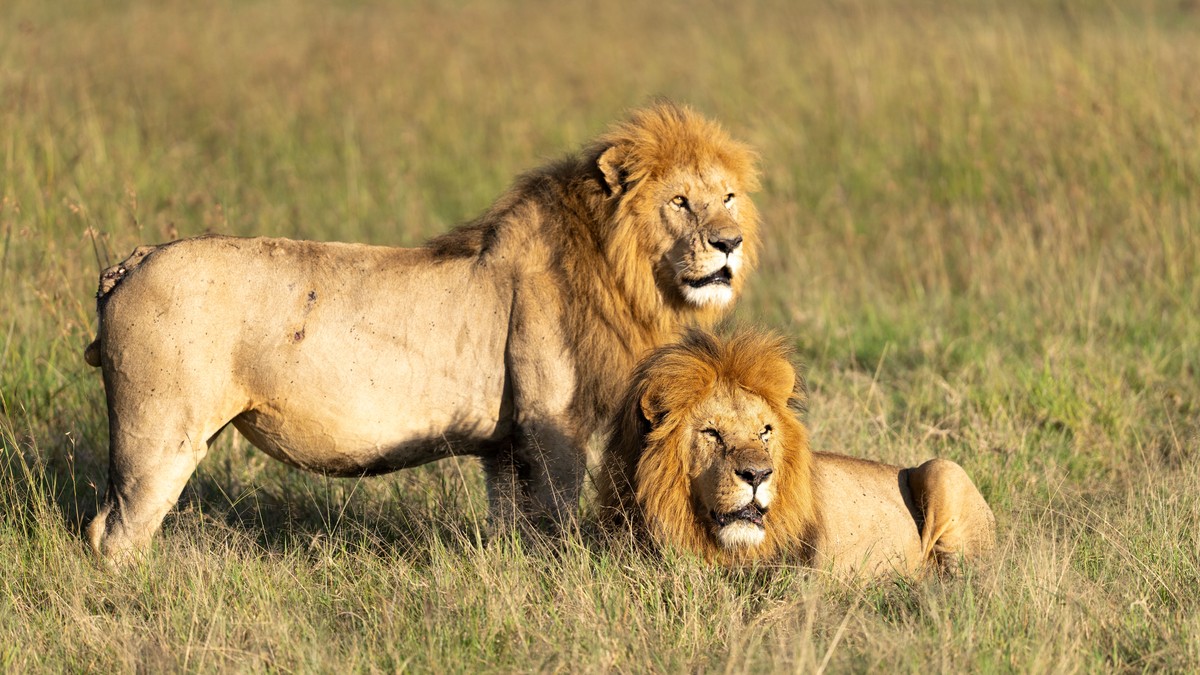
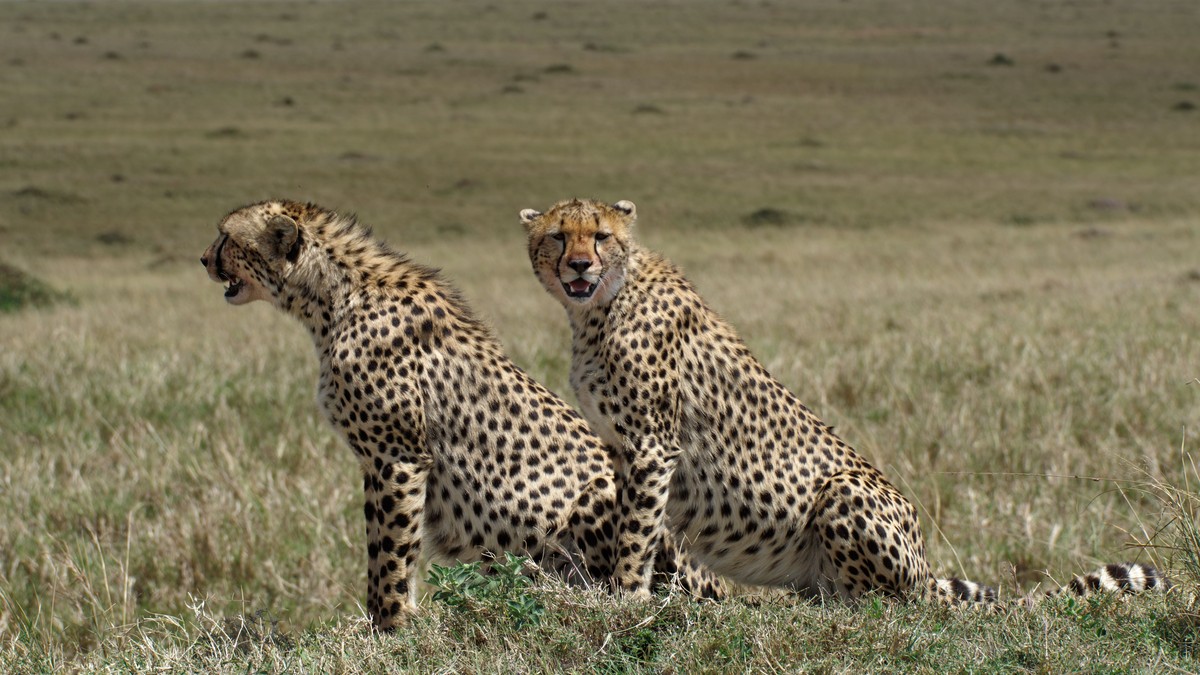
The Masai Mara wins on volume and predator density. It has one of the highest lion densities in Africa, reliable leopard sightings along the Talek and Mara rivers, and cheetah on the open plains near Naboisho and Olare Motorogi. On a good three-night stay, most guests see all three big cats at least once.
Laikipia plays a different game. It holds Kenya’s largest population of black rhino outside Nairobi National Park, most of it concentrated in Lewa Wildlife Conservancy and Ol Pejeta Conservancy. Laikipia is also one of the few places in East Africa where you can reliably track African wild dog. It has strong numbers of Grevy’s zebra too, a striped, big-eared species you will not see in the Mara at all.
If rhino tracking is the draw, read our breakdown of Ol Pejeta vs Solio for rhino tracking to see which sanctuary fits your itinerary and budget better.
Big Five seekers should note that Laikipia does have the Big Five, including elephant, buffalo, and leopard, but sightings take more patience than in the Mara’s denser reserve areas. Lion numbers in Laikipia are lower and prides are more spread out.
Landscape and Scenery
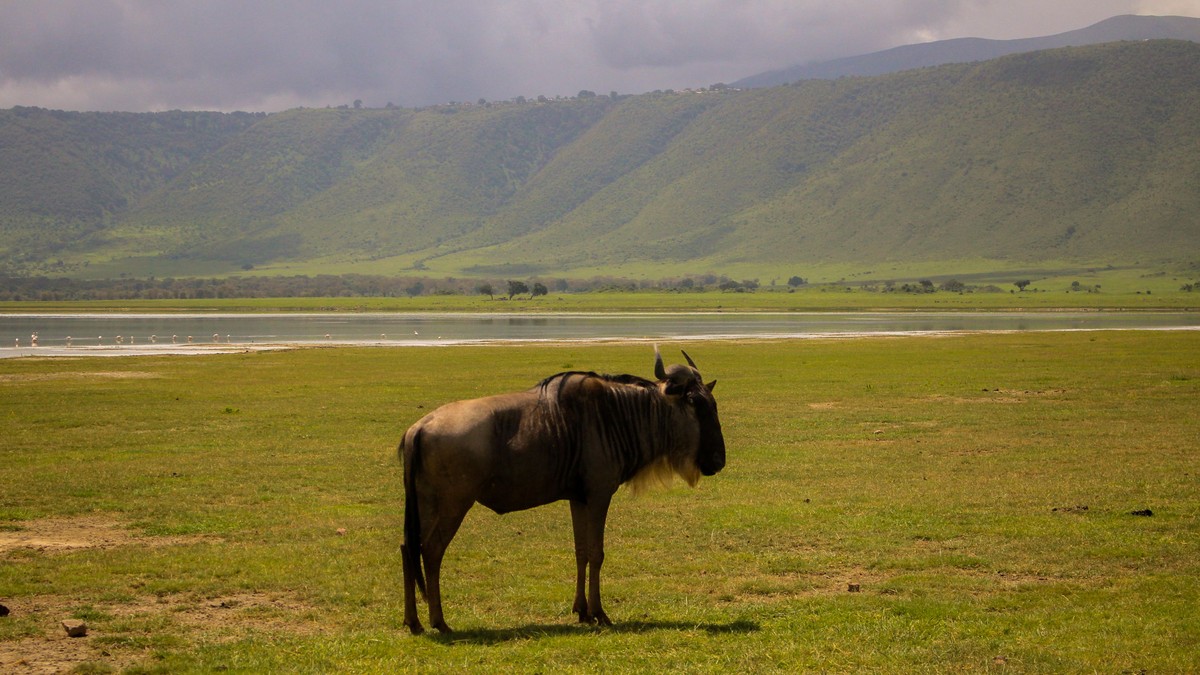
The Mara is what most people picture when they imagine Kenya: rolling gold grass to the horizon, scattered acacia, the Oloololo Escarpment as a backdrop. Laikipia is more varied. Expect volcanic plateau, patches of cedar forest, dry riverine woodland, and on a clear day, views of Mount Kenya’s snow-capped peak from camps like Borana and Ol Malo.
Repeat visitors often tell us the Mara’s scenery feels familiar by the second trip, while Laikipia feels like new terrain. That contrast is part of why it appeals so much to guests who already have a Mara trip behind them and want their photos to look different this time.
Crowds and Conservancy Rules
This is where Laikipia genuinely pulls ahead. The public Masai Mara National Reserve can get crowded at popular sightings during peak migration season, with a dozen or more vehicles at a single lion sighting in July and August.
The private conservancies bordering the reserve, such as Mara North, Naboisho, and Olare Motorogi, cap guest numbers and enforce strict vehicle limits, typically five vehicles per sighting. Laikipia’s conservancies, including Loisaba, Borana, and Lewa, run under similar low-density models but with even fewer camps per square kilometer of land. Our full guide to conservancy vehicle limit rules explains how these caps work and why they matter for the quality of your photos and your overall experience.
Practically, this means a game drive in Laikipia might involve just your vehicle at a sighting, even in high season, while a comparable Mara reserve sighting could have several other vans parked alongside you.
Activities Beyond the Game Drive
The Mara reserve itself restricts activity to day and night game drives within its boundaries, though some conservancies around it now permit walking safaris and night drives for guests staying in camps with the right permits.
Laikipia has built its reputation on this variety. Walking safaris with armed guides, camel treks at Ol Malo and Sabache, horseback safaris at Ol Pejeta and Borana, and night drives to spot aardvark, genet, and civet are standard offerings across most Laikipia camps. If you did nothing but vehicle-based game drives on your first Mara trip, Laikipia is where you diversify, and it tends to be the part of the trip guests remember most vividly.
The Wildebeest Migration Question
The migration is exclusive to the Mara-Serengeti ecosystem. You cannot see it in Laikipia, full stop. The Mara portion runs roughly July through October, with river crossings at the Mara and Talek rivers most dramatic from late July through September.
If migration timing is your main driver, plan your Mara nights around this window and treat Laikipia as a separate, non-seasonal add-on, since its rhino and wild dog sightings hold steady year-round regardless of when you travel.
Laikipia vs Masai Mara Safari Costs and Logistics
| Masai Mara | Laikipia | |
|---|---|---|
| Distance from Nairobi | 270 km road (5 to 6 hrs) or 45-min flight to airstrips like Musiara or Ol Kiombo | 200 km road (4 to 5 hrs) or 30 to 40-min flight to Nanyuki or Loisaba airstrip |
| Reserve/conservancy fee (indicative) | USD 80 to 100 per person per day (reserve); conservancy fees often bundled into camp rates | USD 75 to 100 per person per day at Lewa or Ol Pejeta; some Laikipia conservancies bundle fees into rates |
| Typical camp rate, mid-range | USD 400 to 700 per person per night, full board | USD 350 to 650 per person per night, full board |
| Typical camp rate, luxury | USD 800 to 1,500+ per person per night | USD 700 to 1,300 per person per night |
| Peak crowding risk | High at popular reserve sightings, July to September | Low, most conservancies cap vehicles at 5 per sighting |
| Signature experience | Wildebeest migration river crossings | Black rhino tracking, wild dog sightings, walking safaris |
Prices above are indicative ranges based on typical 2025 to 2026 rate cards and vary by camp, season, and how far in advance you book. Always confirm current rates with your operator before finalizing dates.
Best Time to Visit Each
The Mara rewards a specific window if migration is the goal: late July through September for river crossings, though resident wildlife viewing is strong year-round. The dry months of January and February also offer excellent big cat viewing with far fewer visitors than the peak crossing weeks.
Laikipia does not have a single best season in the same way. Rhino and wild dog are visible all year, since neither depends on rainfall patterns the way migratory herds do. The dry months, again January to March and July to October, make walking safaris more comfortable underfoot and give clearer views toward Mount Kenya. Rains fall mostly in April, May, and November, and some roads get harder to use during that stretch.
Is Laikipia More Expensive Than the Masai Mara?
Broadly, no. Laikipia camps often run slightly cheaper than comparable Mara conservancy camps, partly because Laikipia is less internationally known and demand is lower. You are more likely to find genuine value in the USD 350 to 500 per night range in Laikipia than in the Mara conservancies at the same comfort standard.
Who Should Go Where
First-time safari guests should prioritize the Mara. It delivers the classic safari image, strong predator odds, and the migration if timing allows. Laikipia rewards travelers who already have a wildlife baseline and want rarer species, quieter sightings, and more hands-on activities like walking and riding.
Families with older children and repeat visitors get the most out of Laikipia’s walking and riding options. Guests with very young children or limited mobility often do better sticking to vehicle-based Mara game drives, since Laikipia’s activities ask more of a young body.
Combining Both in One Trip
Most of our repeat guests do not choose one over the other. They combine both, and the routing works well because Nanyuki and the Mara airstrips connect by short scheduled flights through Nairobi’s Wilson Airport, usually under two hours total including the connection.
Our standard recommendation is a 3+3 night split. Spend three nights in a Laikipia conservancy for rhino tracking, walking safaris, and a night drive. Follow with three nights in a Mara conservancy for classic game drives and, if timing allows, a migration crossing. Extend to 4+4 nights if you want a real buffer for weather delays or a slow day to just rest at camp.
The Valley Safaris Difference
We have planned this exact Laikipia-to-Mara routing for dozens of returning guests, and we do not sell it as a default upsell. If your dates and budget point to one destination only, we will say so plainly, even if it means a shorter booking.
What we add that a generic itinerary page will not: we know which Laikipia conservancy has open rhino tracking permits this month. We know which Mara camps are holding conservancy allocations during peak crossing weeks, and where a private vehicle beats a shared game drive for your group size. Past guests have mentioned our surprise sunset picnics and guides who seem to know exactly where the animals will be. That comes from relationships we have built with conservancy rangers over years, not from a brochure or a template.
We also handle the unglamorous parts correctly. That means the connecting flight timing between Nanyuki and the Mara airstrips, the paperwork for conservancy entry, and making sure your park fees are paid in the right currency at the right gate. Nothing should hold up your morning game drive.
Plan Your Next Trip
If you are ready to figure out your own Laikipia and Mara split, have a look at our Laikipia and Masai Mara safari itineraries or get in touch through our contact page. We will build the routing around your dates, your budget, and what you have already seen.