You have already done the Mara. You have watched a wildebeest crossing, ticked off a leopard in a sausage tree, and eaten one too many buffet dinners at a big lodge. Now you want Laikipia, and somewhere in your planning you keep hitting the same question: Ol Pejeta vs Solio rhino sanctuary, which one wins?
Both sit in the same rough neighborhood north of Mount Kenya. Both are famous for rhinos. Almost every page you find online repeats the same line, that Solio is denser and Ol Pejeta is more varied. But few tell you what it actually costs, how you get in, or which one fits the day you have. Here is the honest comparison, with 2026 numbers.
Ol Pejeta vs Solio rhino sanctuary: rhino population and density
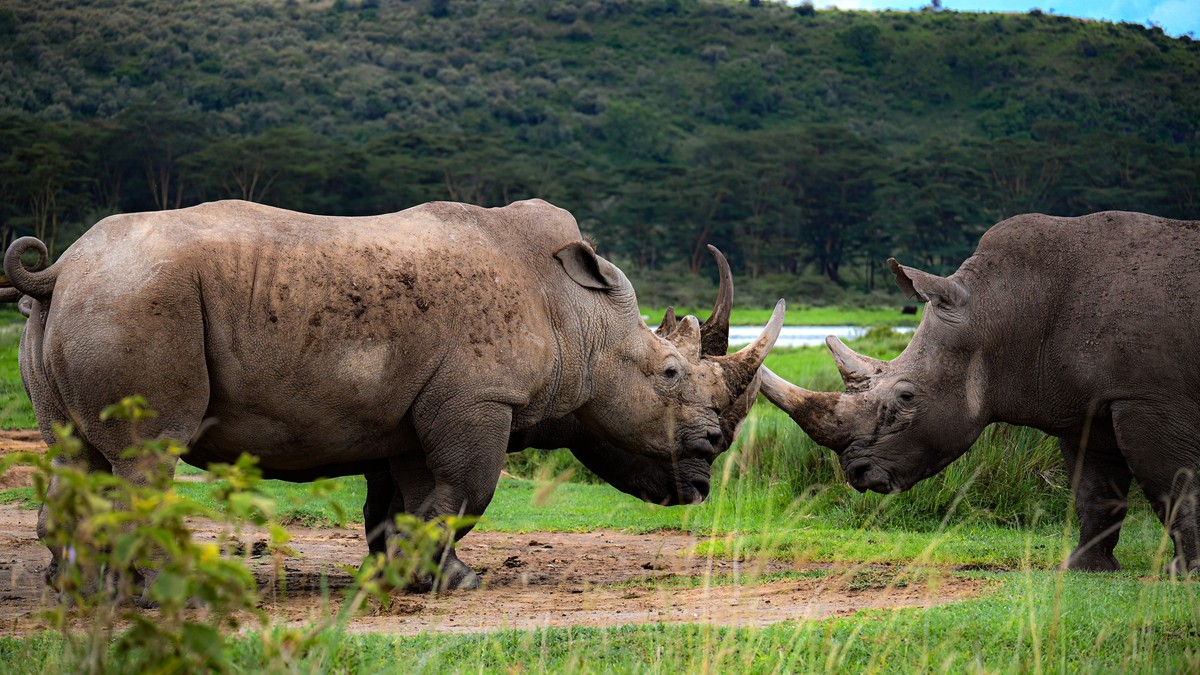
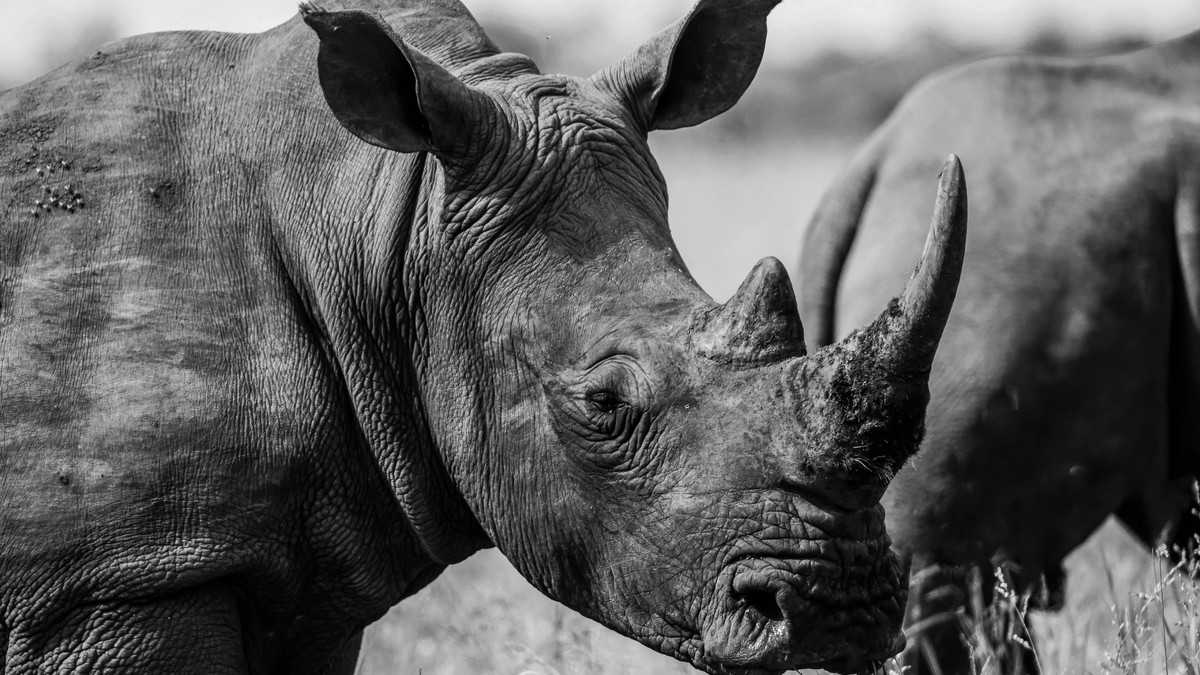
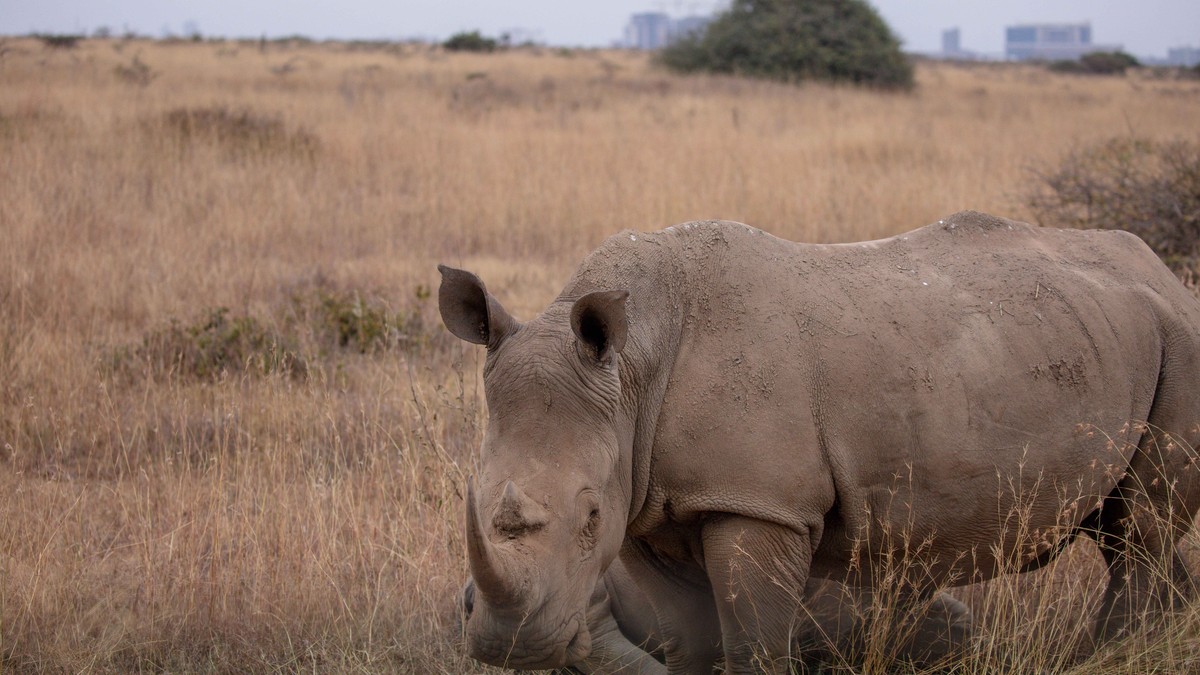
Ol Pejeta Conservancy covers about 364 square kilometers (90,000 acres) and holds East Africa’s largest black rhino sanctuary. Current figures put the population at roughly 160 black rhinos and around 40 southern white rhinos, plus the two remaining northern white rhinos, Najin and Fatu, kept under close protection. These are indicative figures since conservancy numbers shift with births, transfers, and natural mortality.
Solio Ranch is a fraction of the size, around 70 square kilometers (17,500 acres), but it consistently ranks among the highest rhino densities anywhere in Africa. Estimates put the combined black and white rhino population somewhere between 150 and 200 animals in that small area, a number that has made Solio the go-to breeding ground for restocking other Kenyan parks for decades.
Put simply, Ol Pejeta has more rhinos in total. Solio has more rhinos per square kilometer, so on a short game drive your odds of multiple close sightings are genuinely higher.
Conservation history and Solio’s breeding legacy
Solio Ranch started as a private cattle ranch owned by the Wilson family. In the 1970s, as poaching hammered Kenya’s black rhino numbers nationwide, the family and the Kenya Wildlife Service turned part of the ranch into a rhino sanctuary. It worked so well that Solio became the primary source for rhinos translocated to Lake Nakuru, Nairobi National Park, and conservancies well beyond Kenya’s borders, including projects in South Africa.
Ol Pejeta’s conservation story runs differently. It grew out of a cattle and wildlife ranch bought by Lonrho in the 1980s, then passed to the Sweetwaters Game Reserve concept before becoming the not-for-profit conservancy it is today. Its signature project is the northern white rhino program, a last-ditch effort using IVF science to try to save a subspecies down to its final two animals. Where Solio’s legacy is proven, repeatable breeding, Ol Pejeta’s is a very public, very unusual rescue mission.
Wildlife variety beyond rhinos
This is where the two sanctuaries really split. Ol Pejeta is a full Big Five destination. Lion, leopard, elephant, and buffalo all move through the conservancy alongside the rhinos, and it also runs Sweetwaters Chimpanzee Sanctuary, the only place in Kenya to see chimps, hosting animals rescued from conflict zones in West and Central Africa. If you want where to see the rest of the Big Five on the same drive as your rhino sighting, Ol Pejeta delivers that in one gate.
Solio is a rhino specialist. You will see plenty of plains game, zebra, buffalo, and the occasional cat, but the ranch was never built for a full Big Five day out. People come for the rhinos and the rhinos alone, and that focus is exactly the point.
Accommodation and camps
Ol Pejeta gives you real choice. Camps and lodges inside or bordering the conservancy range from around $380 a night for simpler tented options up to roughly $780 a night for the higher-end camps, depending on season and board basis. That spread means you can build a rhino stop into almost any safari budget.
Solio has one option: Solio Lodge, a small, six-cottage property that sits inside the ranch itself. Rates run around $880 a night, all-inclusive, reflecting both its exclusivity and the fact that it is the only bed on the property. If Solio Lodge is full or outside your budget, you visit as a day trip from a Laikipia camp elsewhere, which is how most guests actually experience it.
Entrance fees and pricing 2026
| Ol Pejeta Conservancy | Solio Ranch | |
|---|---|---|
| Adult non-resident entry | $110 | $92 |
| Child non-resident entry | $55 | $45 |
| Access type | Public conservancy, self-drive permitted | Private ranch, advance booking required |
| Approx. size | 364 sq km (90,000 acres) | 70 sq km (17,500 acres) |
| Rhino numbers (indicative) | 160+ black rhino, 40+ white rhino, 2 northern white rhino | 150-200 combined black and white rhino |
| Accommodation range | $380-$780/night across several camps | Solio Lodge only, around $880/night |
| Drive time from Nanyuki | approx. 20-30 minutes to main gate | approx. 60-75 minutes (indicative) |
| Drive time from Nairobi | approx. 3.5 hours | approx. 3-3.5 hours (indicative) |
Ol Pejeta is cheaper to enter and cheaper to sleep near. Solio costs more to stay at but less to enter, and gives you a tighter, denser rhino experience for the day.
Access and logistics
This is the part most comparison pages skip. Ol Pejeta operates like a proper conservancy. It has staffed gates, marked routes, and rules on vehicle numbers at any one sighting, similar to the conservancy vehicle limit rules you will find at other well-managed Kenyan reserves. You can self-drive in with a rental 4×4, or come with your own guide, and day visitors are welcome without a lodge booking.
Solio is a private ranch, not a public reserve. There is no drop-in gate. Access is arranged in advance, almost always through a lodge booking or a tour operator who holds the right permissions, and there is no self-drive game viewing infrastructure built for independent travelers. If you turn up at the gate without a booking, you will likely be turned away.
Best time to visit and gate hours
Ol Pejeta’s gates typically run from around 6:30am to 7pm, and rhino sightings hold up well year-round since the conservancy is compact enough to cover in a single day. The dry months from June to October and January to February give the clearest tracking conditions, since thinner grass makes rhinos easier to spot.
Solio’s best light and best game viewing tend to fall in the early morning hours, shortly after the ranch opens for the day’s pre-arranged drives. Because the property is smaller, morning drives before the heat sets in tend to produce the most sightings, particularly during the dry season when rhinos graze more in open ground rather than thicker bush.
Which one to choose based on traveler priorities
If you have one Laikipia day and want rhinos plus lion, elephant, and chimps in the same visit, choose Ol Pejeta. If you have a spare half day near Nyeri or Nanyuki and want the closest, densest rhino encounter in Kenya with nothing else competing for attention, choose Solio.
If you are chasing the northern white rhinos specifically, Ol Pejeta is your only option in the world, since Najin and Fatu live nowhere else. And if you are the kind of traveler who wonders whether sightings are ever guaranteed on any single game drive, know that Solio’s density gives you better odds in a shorter window than almost anywhere else in the country.
Can you visit or combine both on one trip
Yes, and many repeat visitors do exactly this. Solio and Ol Pejeta sit roughly 60 to 90 minutes apart by road, both accessible from a Laikipia base near Nanyuki. A common pattern is two nights at an Ol Pejeta camp for the Big Five and chimp sanctuary, then a half-day detour to Solio on the way toward Nyeri or Aberdare, timed with an early morning drive before the ranch’s midday quiet period.
It makes for a full, varied few days without backtracking to Nairobi in between, and it answers the “which one” question by simply doing both properly instead of rushing either.
The Valley Safaris Difference
We have driven both roads more times than we can count, and we plan them differently depending on who is in the car. For a family with two free days, we lean toward Ol Pejeta’s variety and easier logistics. For a photographer with one morning to spare between Samburu and the Aberdares, we book Solio and time the drive for first light.
What we do not do is send every client to the same “top rhino sanctuary” because it ranks well online. We look at your dates, your pace, and whether you have already ticked off the Big Five elsewhere, then build the Laikipia leg around what is actually left on your list. That is the difference between a generic itinerary and one built around your specific trip.
Plan Your Laikipia Rhino Safari
Whether it is Ol Pejeta, Solio, or both, we can build the logistics, permissions, and camps around your dates. Take a look at our Laikipia safari planning options, or get in touch and we will map out the rhino leg of your trip together.