If you’ve spent a week with fifteen browser tabs open, comparing the Masai Mara and the Serengeti, you’re not alone. Almost every first-time client who calls us starts with the same question: which one, or can we do both?
Here’s my honest masai mara vs serengeti comparison, straight up: there isn’t a flat winner. The Mara wins on ease of access, wildlife density, and rhino odds. The Serengeti wins on space, scale, and having a sighting almost to yourself in the right sector. Here’s how the two actually compare, with real numbers, so you can decide what matters most for your trip.
Geography and landscape differences
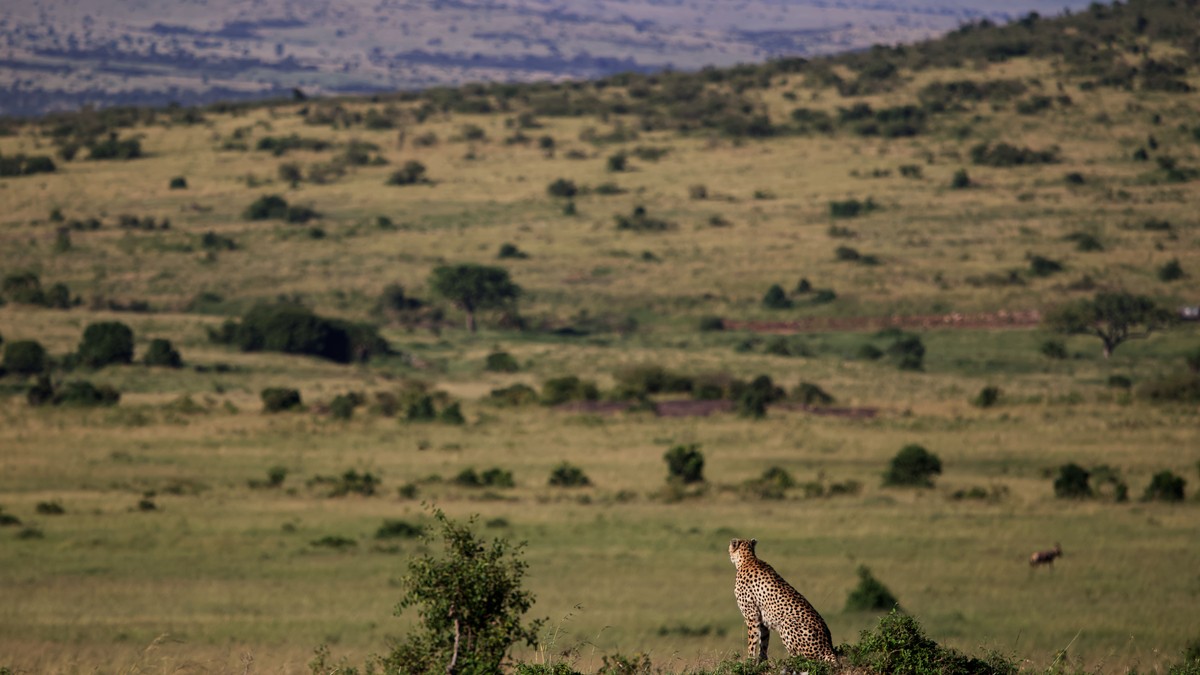
The Masai Mara National Reserve covers about 1,510 square kilometers in southwestern Kenya. Add the surrounding conservancies, like Mara North, Naboisho, and Olare Motorogi, and the wider Mara ecosystem stretches closer to 4,000 square kilometers of open grassland, riverine forest, and rolling hills.
The Serengeti is a different scale entirely. Serengeti National Park alone covers 14,750 square kilometers, nearly ten times the reserve itself. It stretches from the Ngorongoro highlands in the south to the Kenyan border in the north, where it becomes the Mara.
That’s the detail most first-timers miss. The Mara isn’t a separate ecosystem from the Serengeti. It’s the northern extension of the same plains, split by a national border. Same migration, same rivers, two countries, two sets of rules and fees.
Great Migration timing month by month
The wildebeest and zebra don’t care about borders, but their movements follow a fairly reliable annual pattern.
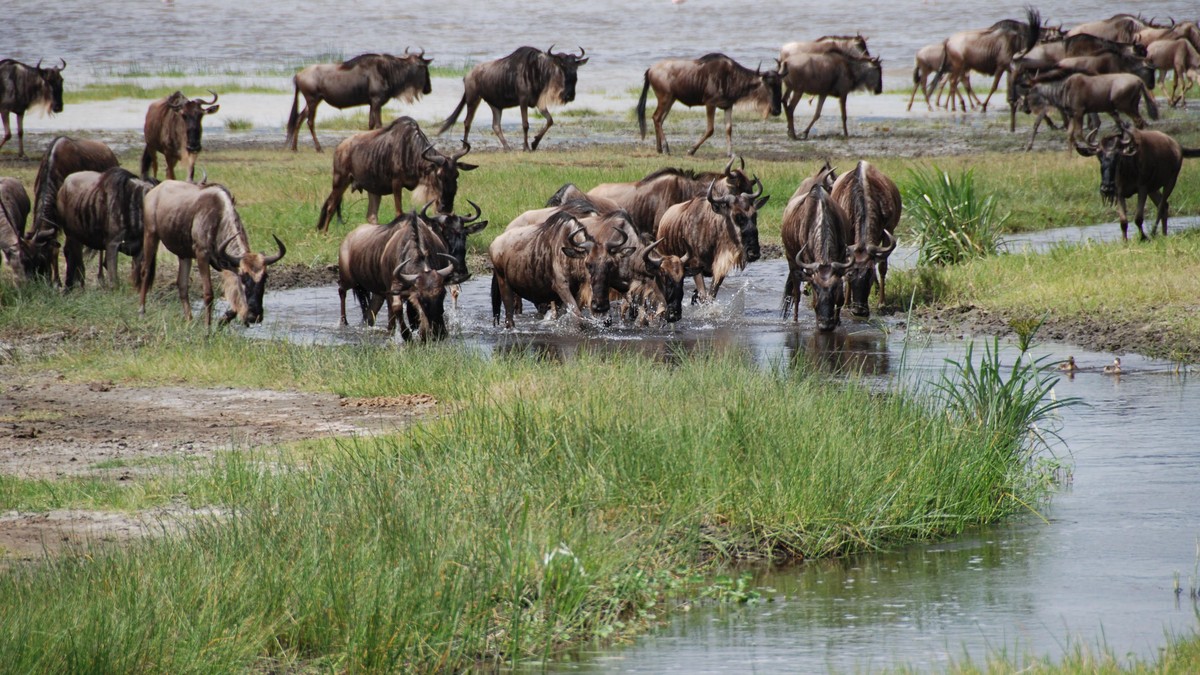
From December to March, herds calve on the southern Serengeti plains near Ndutu. From April to May, they push north through the central Serengeti. By July, they’re crossing the Grumeti River, and by late July through September, most of the herd is in the Masai Mara, crossing the Mara River at spots like Lookout Point and Purungat.
By late October, the herd starts drifting south again, back into the Serengeti’s Lobo and Loliondo areas ahead of the short rains.
So if your trip window is July through September, the Mara usually gives you the river-crossing spectacle. If you’re traveling January through March, the Serengeti’s Ndutu area is where the action is. Our Kenya safari season guide breaks this down further by month if you want the full year mapped out.
Wildlife density and Big Five viewing
This is where the Mara has a real edge. Its smaller size concentrates predators and grazers into a tighter space, which usually means shorter drives between sightings. Lion prides in the Mara Triangle and Naboisho Conservancy are some of the most reliably spotted in East Africa.
Rhinos are the exception worth calling out clearly. The Mara has a small but growing black rhino population, mostly in the Mara Triangle, managed under strict protection. The Serengeti’s rhinos are concentrated in the Moru Kopjes area and sightings are rarer simply because the park is so much bigger. If rhinos matter to you, the Mara gives better odds, though nothing is guaranteed. We’re upfront with clients about whether Big Five sightings are guaranteed in either park, because no honest operator can promise wildlife on demand.
For sheer volume during migration season, the Serengeti’s herds can number over a million wildebeest moving together, a scale the Mara never quite matches outside crossing weeks.
Masai Mara vs Serengeti comparison: cost and logistics at a glance
| Factor | Masai Mara (Kenya) | Serengeti (Tanzania) |
|---|---|---|
| Park size | ~1,510 km² (reserve only) | ~14,750 km² |
| Nearest gateway city | Nairobi | Arusha |
| Road distance/drive time | ~270 km, 5 to 6 hours | ~325 km, 6 to 7 hours (via Ngorongoro) |
| Flight time from gateway | ~45 minutes (Wilson Airport to Mara airstrips) | ~1 hour 15 minutes (Arusha to Seronera) |
| Park fee (non-resident, per 24 hrs, indicative 2026) | approx. $100 | approx. $70 to $82 |
| Typical mid-range lodge, per night, per person | $250 to $450 | $300 to $500 |
| Typical luxury camp, per night, per person | $600 to $1,200 | $700 to $1,400 |
| Peak migration months | Late July to September | December to March (calving), June to July (northward push) |
Fees shift year to year, so treat these as indicative planning ranges rather than fixed prices, and we always confirm current rates before booking.
Accommodation options and pricing
The Mara conservancies changed the game for accommodation. Because places like Mara North and Olare Motorogi cap the number of beds per acre, camps there tend to be smaller, more intimate, and priced accordingly, often $500 to $900 per person per night including game drives and conservancy fees.
Inside the reserve itself, options range from budget tented camps near Talek Gate to well known luxury properties along the Mara River. The Serengeti spreads its camps across distinct areas, Seronera for year-round game viewing, Ndutu for calving season, and the Grumeti and Lobo areas for the northern migration months. Because the park is so large, many Serengeti itineraries involve moving camp two or three times to follow the herds, which adds internal flight or transfer costs.
Getting there from Nairobi vs Arusha
Most Mara trips start in Nairobi. You can drive the roughly 270 km in five to six hours, much of it on tarmac with a rough final stretch, or fly 45 minutes from Wilson Airport into airstrips like Keekorok, Ol Kiombo, or Musiara.
Serengeti trips typically start in Arusha, Tanzania. The road route runs through Ngorongoro Conservation Area, about 325 km and six to seven hours with a stop at the crater rim. Flying from Arusha Airport to Seronera airstrip takes roughly an hour and fifteen minutes.
There’s no quick road crossing for tourists between the two. You’d need to exit through a border post like Isebania or Sirari, then re-enter, which most operators don’t recommend mid-safari. Flying via Nairobi or Kilimanjaro is the practical option, and yes, you’ll need separate visas, a Kenya eTA and a Tanzania visa, since they’re different countries even though the wildlife doesn’t know it.
Crowd levels and vehicle density
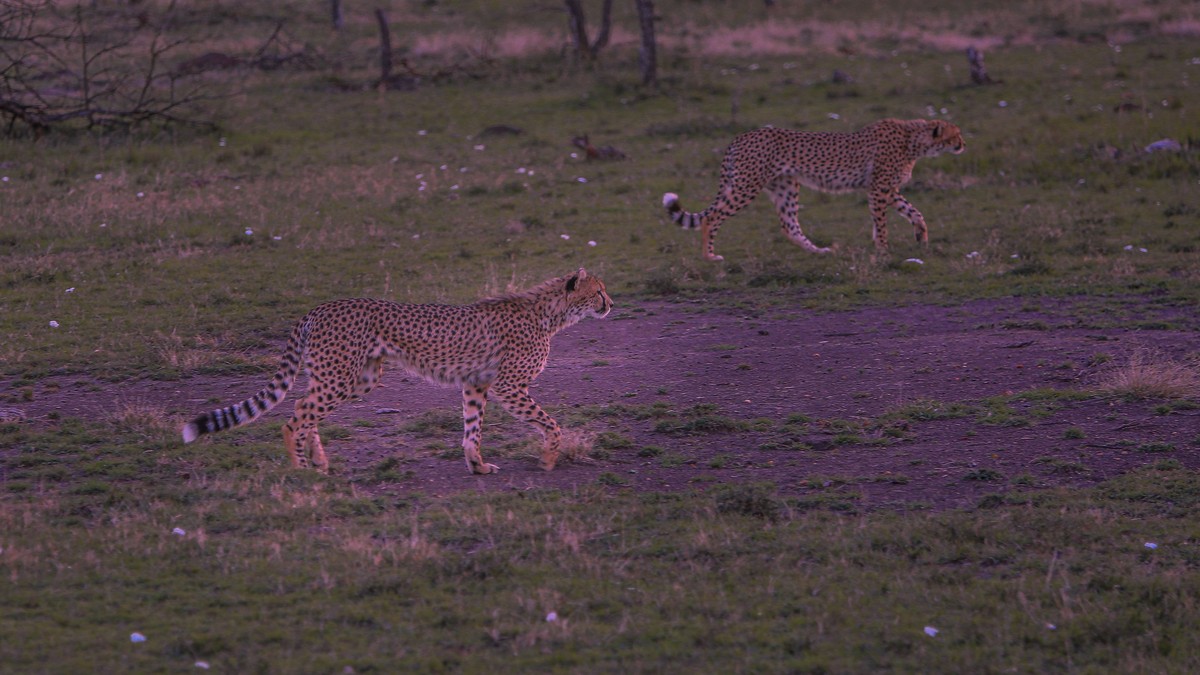
This is the Serengeti’s quiet advantage. Outside Seronera during peak months, you can go long stretches without seeing another vehicle. The Mara reserve itself can get busy at popular sightings during July and August, with a dozen or more vehicles at a single lion sighting.
The conservancies fix this within Kenya. Mara North, Naboisho, and similar conservancies enforce strict caps, often no more than five to seven vehicles per sighting. We always explain the Mara conservancy vehicle-limit rules to clients weighing reserve versus conservancy stays, since it changes the whole feel of a game drive.
Who each destination suits
If you have five to seven days, want shorter transfers, and are booking from Nairobi, the Mara is usually the simpler first safari. If you have ten days or more, want vast open plains and don’t mind longer drives between camps, the Serengeti rewards that extra time and space.
Families with young kids often prefer the Mara’s shorter flights and concentrated wildlife. Photographers chasing the Ndutu calving season or the Grumeti crossings lean Serengeti.
Combining Masai Mara and Serengeti in one trip
It’s absolutely possible, and we build these combination trips often. A typical route flies Nairobi to the Mara for three to four nights, then Nairobi to Kilimanjaro or Arusha, then on to the Serengeti for four to five nights. Budget ten to fourteen days total, plus the two visa costs and an extra one or two internal flights compared to a single-country trip.
The Valley Safaris Difference
We’re based in Nairobi, and most of our guides have worked the Mara conservancies for over a decade. That means we know which camps genuinely limit vehicle numbers versus which just advertise it, and we know the gate staff, the airstrip schedules, and which river crossing points are quiet on a given week.
We don’t push one park over the other because it’s easier to book. We ask about your dates, your budget, and what you actually want to see, then tell you honestly which side, or both, fits. If Ndutu’s calving season lines up with your travel window better than a Mara crossing, we’ll say so, even if it means routing you through a partner in Tanzania.
FAQ
Is Masai Mara or Serengeti better for a first-time safari? The Mara is usually simpler logistically, with shorter flights from Nairobi and dense wildlife in a compact area.
Which is cheaper, Masai Mara or Serengeti? Park fees run close, but Mara conservancy stays often cost more per night due to low vehicle caps. Serengeti’s larger camps sometimes offer lower per-night rates outside peak season.
Can you visit both in one trip? Yes. Plan ten to fourteen days and expect an extra flight leg and two visas.
Is the Masai Mara part of the Serengeti ecosystem? Yes, geographically. It’s the same plains system, split by the Kenya-Tanzania border.
Which park has more animals? The Serengeti holds more animals overall due to its size. The Mara has higher density in a smaller area, so sightings often feel more frequent.
Plan your Mara or Serengeti trip with us
If you’re still weighing the two, tell us your travel dates and what matters most, wildlife density, migration timing, or budget, and we’ll map out a route that fits. Take a look at our Masai Mara safari tours or reach out through our contact page to start planning.