I have watched clients step off a Mount Kenya trek still buzzing from Point Lenana. By their first afternoon game drive they wilt, because nobody told them their legs would feel like lead. A mount Kenya trekking safari combo is one of the best trips we plan out of Nanyuki, but it only works if you respect the order of operations. Trek first, rest a day, then go find the leopards.
This guide gives you the real routes, the real costs, and a straight answer on how to sequence the two halves so you land good photographs on both.
What Mount Kenya Is, and How It Differs from Kilimanjaro
Mount Kenya is Africa’s second highest peak at 5,199 metres, but almost nobody climbs to Batian, the technical summit. Trekkers aim for Point Lenana at 4,985 metres, reachable on foot without ropes or crampons in most conditions. Kilimanjaro is a longer walk on a wider trail with more trekkers around you. Mount Kenya feels wilder faster. You pass through bamboo forest, then heath and moorland studded with giant lobelias and groundsels, all within two days of the gate. For a photographer, that compressed change in vegetation and light is the appeal. Kilimanjaro takes five or six days to deliver the same range.
Routes Compared: Sirimon, Chogoria, Naro Moru
Three main routes lead up the mountain, and each suits a different kind of trip.
| Route | Approx. distance to Point Lenana | Typical days | Scenery | Huts used |
|---|---|---|---|---|
| Sirimon | 24 km one way | 4 days up and down | Dry moorland, wide skies, good sunrise light | Old Moses Camp (3,300m), Shipton’s Camp (4,200m) |
| Chogoria | 32 km one way | 5 days | Rainforest, the Gorges Valley, Lake Michaelson | Chogoria bandas at the gate, Minto’s Camp |
| Naro Moru | 18 km one way, the shortest | 3 to 4 days | Steep, includes the “vertical bog” | Met Station, Mackinder’s Camp |
For photographers we usually recommend going up Sirimon and down Chogoria. You get the open moorland light on the way up and the greener, more dramatic Gorges Valley on the descent, without repeating scenery. It adds a day, but it is worth it.
Wildlife and Light on the Mountain Itself
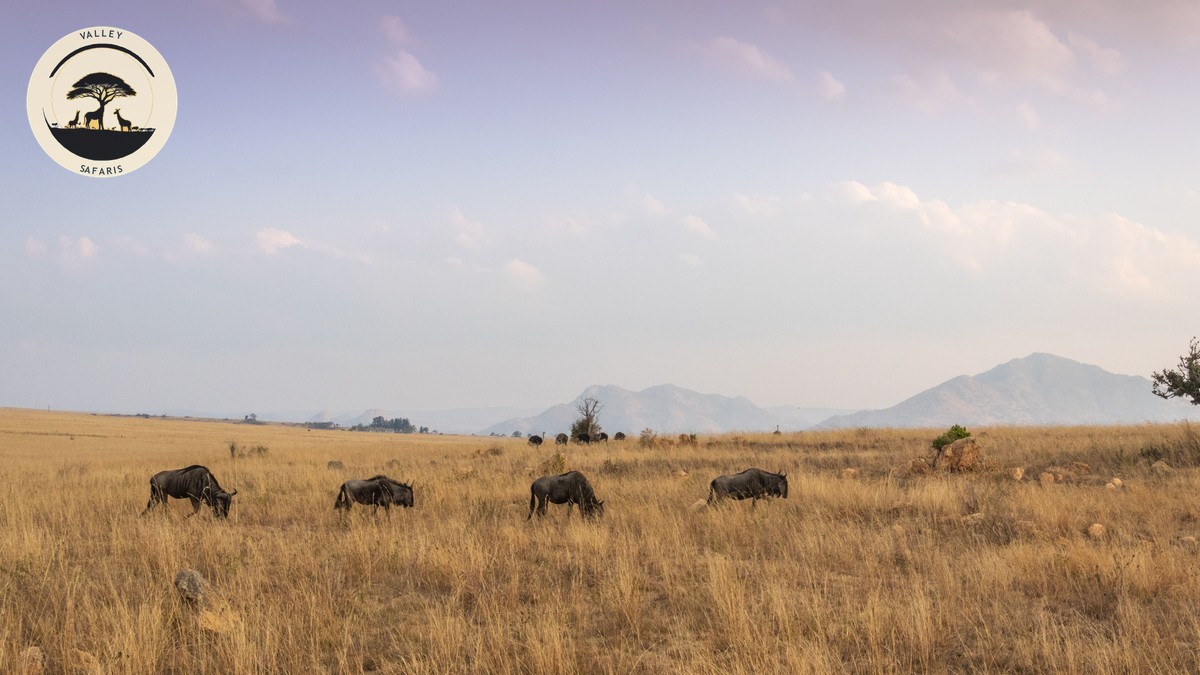
People forget Mount Kenya has its own wildlife before you ever reach a safari camp. The forest zone around Sirimon and Chogoria gates holds Colobus monkeys, elephants, and the occasional buffalo, so guides carry rifles on the lower trail sections. Higher up, in the moorland, you may spot rock hyrax sunning themselves and, with real patience near the boulders, the endemic Mount Kenya mole shrew (Surdisorex polulus). The real photographic reward is the light. Dawn over Shipton’s Camp, with mist sitting in the valleys below Batian and Nelion, is some of the clearest alpine light in East Africa. Bring a wide lens and expect temperatures near freezing before sunrise.
A Sample Combined Itinerary
Here is a structure that has worked well for our groups:
- Day 1: Fly or drive to Nanyuki, gear check, early night.
- Day 2: Drive to Sirimon Gate, trek to Old Moses Camp (3,300m).
- Day 3: Trek to Shipton’s Camp (4,200m), short acclimatisation walk.
- Day 4: Pre-dawn summit push to Point Lenana, descend to Chogoria bandas.
- Day 5: Descend to Chogoria Gate, drive to a lodge in Laikipia.
- Day 6: Buffer day. Rest, laundry, an easy afternoon drive with no pressure to shoot.
- Day 7 to 9: Full game drives in Ol Pejeta or a Laikipia conservancy.
That buffer day on Day 6 is the piece most itineraries skip. After four days at altitude and a 2am summit push, your balance and reaction time are off. That matters when you are leaning out of a vehicle with a 400mm lens. One quiet day fixes it. If you want to see a longer version of this trade-off, read our guide to combining a mountain climb with a safari. It covers the same principle for Kilimanjaro pairings.
Which Safari to Pair It With
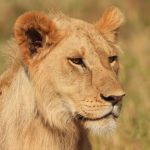
Nanyuki sits close to Laikipia, so Ol Pejeta Conservancy is the natural extension, just 15 to 25 minutes from Nanyuki town. Coming off the Chogoria side, budget about four hours to drive around the mountain first. Ol Pejeta gives you rhino, both black and white, plus a decent chance at lion and wild dog. The conservancy covers a compact 90,000 acres, and that suits photographers who want fewer vehicles per sighting. Lewa Conservancy and Loisaba, both nearby, offer similar low-density game viewing.
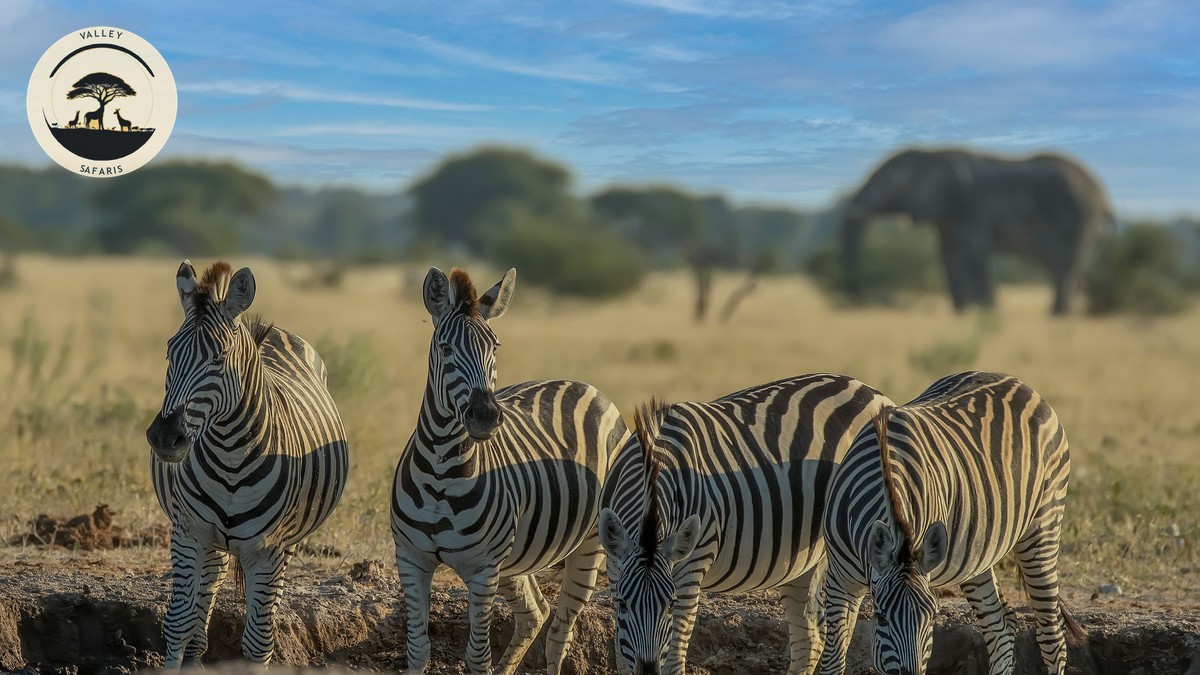
If you have more days, fly from Nanyuki Airstrip to the Masai Mara. It adds roughly 90 minutes of flight time and puts you in front of the wildebeest migration between July and October. Samburu National Reserve, three hours north of Nanyuki by road, is a strong pairing too. It has species you will not see in the Mara, like Grevy’s zebra and reticulated giraffe.
Best Time of Year
December to February and July to October are the driest windows on the mountain, with the clearest summit views and firmer trail conditions. The long rains fall roughly April to May, and Sirimon in particular gets muddy and cloud-bound then. For the safari side, June through September gives you dry roads in Laikipia and the migration in the Mara. Booking a mount Kenya trekking safari combo in late July or August lets you catch both at their best, though camps fill up early for that window.
Cost Breakdown
These are indicative 2026 ranges in USD per person, always confirm current rates before booking.
- Mount Kenya National Park entry: about $70 per day for non-residents at current KWS rates. Indicative, and KWS has revised fees recently, so confirm before booking.
- Guide fee: roughly $20 to $25 per day.
- Porter: about $15 to $20 per day.
- Cook (optional on shorter treks): around $20 per day.
- Hut or camping fees: approximately $10 to $15 per person per night.
- A 5-day Sirimon-Chogoria trek, all-in with guide, porter, and park fees, typically runs $1,000 to $1,450 per person. Park fees alone account for roughly $350 of that over 5 days.
- Four nights in Laikipia: the Day 5 arrival and buffer nights at a simpler Nanyuki-area lodge, then an Ol Pejeta tented camp. Full board with game drives runs $250 to $600 per person per night, depending on season and camp.
- Ol Pejeta conservancy fees: about $110 per person per day, sometimes billed on top of camp rates.
A 9-day combo, trek plus safari, usually lands between $2,500 and $4,500 per person, excluding international flights. That is the $1,000 to $1,450 trek, plus $1,000 to $2,400 for the four Laikipia nights, plus conservancy fees and road transfers.
Fitness, Altitude, and Managing the Risk
You do not need technical climbing skill to reach Point Lenana, but you do need decent cardiovascular fitness and a realistic pace. Altitude sickness is the real risk, not the terrain. Going up via Sirimon and down via Chogoria, rather than a rushed direct ascent, adds a day that helps your body adjust. Watch for headache, nausea, and poor sleep at Shipton’s Camp, and tell your guide immediately if symptoms worsen. Because evacuation from 4,200 metres is not simple, we always arrange medical evacuation cover for high-altitude trekking before clients set foot on the mountain.
Packing for Both Legs
Mountain nights at Shipton’s Camp drop below freezing, while afternoon game drives in Laikipia can hit 28°C. Layering is everything. We put together packing layers for both mountain and savannah temperatures. That way you are not carrying a full down jacket through a hot afternoon in Ol Pejeta, or shivering in a safari fleece at 4,200 metres. For photography gear, pack lens cloths for condensation on the mountain. Bring a dust-proof bag for the safari legs too, since Laikipia roads throw up fine red dust in the dry season.
The Valley Safaris Difference
We do not sell the trek and the safari as two separate bookings stitched together. We build in the buffer day as standard and brief every guide on both legs of your trip. Your safari vehicle is matched to your gear, with an extra beanbag mount. Your driver knows to cut the engine and wait rather than push in close. We also name the actual camps and huts you will use before you pay a deposit, not “similar accommodation.” That way you know exactly what four nights at 3,300 metres and three nights in Laikipia will feel like.
Plan Your Mount Kenya Trekking Safari Combo
If this itinerary sounds like the trip you have been picturing, we would love to help you build it properly. We will get the route right, the buffer day right, and camps that match your pace. Visit our Mount Kenya and safari combo tour page or get in touch through our contact page and we will start planning.