A guest of ours once bought a beaded bone necklace at a curio stall near the Mara for KES 800. If you have searched “customs rules safari souvenirs home,” this story is exactly why. It looked harmless, dyed beads, a leather cord, a small carved bead at the center. She wore it through three airports before a customs officer in Amsterdam pulled her aside and asked what the center bead was made from. It was bone. She lost it on the spot, receipt and all.
That story sums up the whole problem with safari souvenir shopping. The items that look risky, like a big dramatic wood mask, almost always clear customs fine. The items that look innocent, like a small bone pendant, are the ones that get confiscated. This guide breaks down what actually happens at the border, so you can shop the markets around Nairobi, the Mara, and Mombasa without a nasty surprise waiting for you at home.
What You Can Bring Home Duty-Free
Every country sets its own personal exemption for goods you bring back without paying import duty. As of 2026, returning US residents can bring in up to $800 worth of goods duty-free after a trip abroad. UK travelers get an allowance of £390. Travelers to the EU get €430 by air or sea, or €300 if arriving by land or river.
These limits apply to the total value of everything you bought, not just souvenirs. If you’re combining a few carvings from Utamaduni Craft Centre in Langata with jewelry from a Karen workshop, add up your receipts before you fly so you know where you stand.
The Wildlife Products That Get Confiscated, Even With a Receipt
This is the section that trips up the most first-time travelers. A shop owner telling you an item is “ethically sourced” or “legal to sell” does not mean it is legal to import into the United States, the UK, or the EU. Those are two separate legal systems, and a Kenyan sales receipt carries no weight with US Fish and Wildlife Service or European customs.
Items that regularly get seized:
- Bone, horn, or tooth jewelry, even from common livestock, because officers often cannot verify the species on sight
- Unfinished or raw animal skins, including zebra hide bags and antelope skin drums
- Coral, tortoiseshell, or seashell items bought at coastal markets in Mombasa or Diani
- Any product claiming to contain ivory, real or imitation, since imitation ivory is frequently mistaken for the real thing and inspected anyway
- Feathers from protected bird species, sometimes worked into masks or headdresses
If you see park fees on your safari itinerary and wonder where that money goes, it funds anti-poaching patrols and species monitoring, part of the conservation fees that fund protection for the same species behind export bans. The export rules exist for the same reason the fees do.
What Kenya Won’t Let You Export
Kenya’s own export law is stricter than most travelers expect. It is illegal to export any hunting trophy, raw ivory, rhino horn, or protected wildlife product without a permit from the Kenya Wildlife Service, and these permits are almost never issued for casual tourist purchases. Precious metals and uncut gemstones above certain quantities also require declaration and, in some cases, a licence from the Ministry of Mining.
Practicfally speaking, if a curio seller offers you something described as a genuine trophy piece, a real horn carving, or “old ivory,” walk away. Kenyan authorities can fine or prosecute for illegal export, and your home country’s customs service can seize the item and fine you separately on arrival.
Safe Souvenirs That Sail Through Customs
The good news is that most of what draws travelers to Kenyan markets is completely safe to buy and bring home. Here’s a quick comparison of common items, where our guests usually find them, and what to expect at the border.
| Souvenir | Where Guests Usually Buy It | Typical Price | Customs Risk at Home |
|---|---|---|---|
| Kikoi (cotton wrap) | Maasai Market (rotates around Nairobi), Mombasa Old Town | KES 1,500-2,500 ($12-19) | Low. Plain cotton, no permit needed |
| Maasai beaded jewelry | Maasai Market, Kazuri Beads workshop in Karen | KES 500-2,000 ($4-15) | Low. Glass beads and cotton or wire, no wildlife content |
| Ebony or olive wood carving | Utamaduni Craft Centre, Spinners Web in Karen | KES 2,000-8,000 ($15-60) | Low. Standard carvings clear fine, though a few countries restrict specific tropical wood species |
| Kisii soapstone sculpture | Maasai Market, roadside stalls near Kisii town | KES 1,000-5,000 ($8-38) | Low. Mineral stone, nothing to declare beyond value |
| Bone or horn jewelry | Curio stalls, some lodge gift shops | KES 500-3,000 ($4-23) | High. Frequently seized, receipts don’t help |
| Zebra or antelope skin item | Occasionally offered at curio markets | Price varies | Very high. Needs a CITES export permit from Kenya and a matching import permit, rarely granted for tourist purchases |
| Roasted or green coffee beans | Karen Blixen Coffee Garden shop, supermarkets | KES 800-1,200/kg ($6-9) | Low. Declare on your customs form, usually admitted |
If you’re building your suitcase around these safer buys, it helps to plan space for them alongside your packing list for your safari, since wood carvings and beadwork take up more room than you’d think.
Customs Rules Safari Souvenirs Home: Declaring Your Curios
Every country asks arriving travelers to declare goods bought abroad on a customs form, whether paper or digital. Declare your souvenirs honestly, even the inexpensive ones. Undervaluing or hiding purchases is what turns a simple import duty into a fine or a seized item.
If you’re over your duty-free allowance, you’ll typically pay a percentage of the value above that threshold, often between 3 and 7 percent depending on the item category and destination country. That’s usually far less painful than losing the item outright for failing to declare it.
If an officer finds an undeclared wildlife product, expect the item to be confiscated regardless of value, plus a possible fine. US Fish and Wildlife Service can pursue civil penalties that run into thousands of dollars for repeat or serious violations, even when the traveler claims they didn’t know the rules.
CITES Permits and Paperwork You Actually Need
CITES, the Convention on International Trade in Endangered Species, governs any item made from a protected plant or animal. For genuine antiques, certain exotic woods, or anything with real wildlife content, you need a CITES export permit from Kenya Wildlife Service before you leave, and often a matching import permit at your destination.
Here’s the honest trade-off: almost no curio shop or lodge gift store handles this paperwork for you. If a seller can’t hand you a CITES permit on the spot, assume the item cannot legally travel with you. Keep every receipt anyway. A receipt won’t override a missing permit, but it does help prove value and origin for the items that don’t need one.
Food, Spices, and Coffee: What Crosses the Border Fine
Dried spices, roasted coffee, and vacuum-sealed tea generally cross into the US, UK, and EU without trouble, as long as you declare them on your agriculture or customs form. Raw or green coffee beans are usually fine too, since Kenya is a major legal coffee exporter and customs officers see these constantly.
Avoid bringing home fresh fruit, raw seeds for planting, or soil-packed plants. These get flagged fast under agricultural biosecurity rules, and they’re the items most likely to be tossed straight into an airport bin.
Shipping Souvenirs Home vs. Packing Them In Your Luggage
For larger purchases, like a carved dining table from a Karen workshop or a set of soapstone chess pieces, shipping is often simpler than checked luggage. Reputable curio shops can arrange freight through established couriers, and you’ll get tracking and a customs invoice, which makes your home country’s import process smoother.
Shipping costs more upfront, often KES 3,000 to 15,000 ($23-115) depending on weight and destination, but it protects fragile items and keeps you within your airline’s baggage limits. For anything requiring a CITES permit, shipping through a registered exporter is close to the only realistic path, since airport customs checks on hand luggage are far less forgiving.
The Valley Safaris Difference
We brief every guest on souvenir rules before they set foot in a market, not after something goes wrong at the airport. Our guides know which stalls at the Maasai Market sell straightforward beadwork and which occasionally offer bone or horn pieces worth skipping. We point out the shops in Karen and Langata with a track record of honest labeling, and we tell you plainly when something needs a permit we cannot get for you.
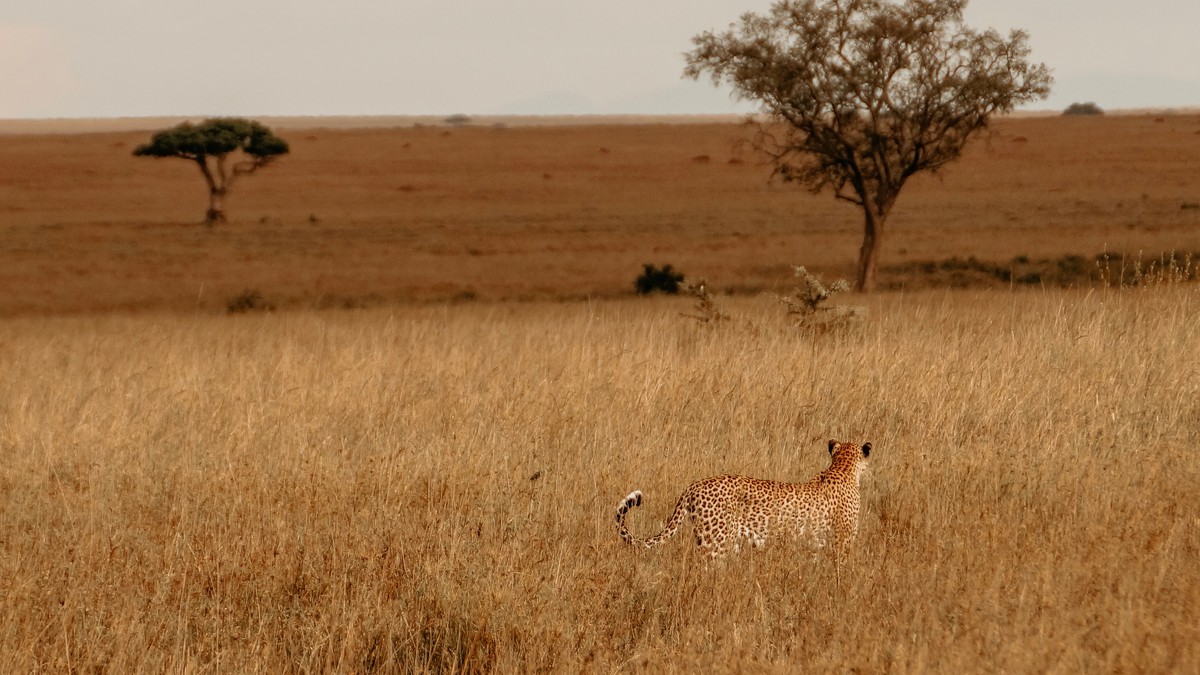
We’d rather you come home with a kikoi you’ll actually wear and a story about the guide who spotted a leopard at dusk, than with a confiscated souvenir and a fine. That’s the kind of specific, honest planning our guests come back for.
Ready to Plan Your Trip?
If you’re getting ready for your first safari and want the packing, shopping, and logistics sorted before you land in Nairobi, we’re happy to walk through it with you. Take a look at our safari tour options or get in touch to start planning your trip with Valley Safaris.