Every backpacker who lands in Nairobi asks us the same question. Is this really a Nakuru vs Naivasha day trip decision, and can I do both without draining my budget? We get it. You have a week, maybe less, and two lakes sitting an hour apart on the same road.
Here is the honest answer. They are not the same trip wearing different names. Nakuru is a fenced national park built around a game drive. Naivasha is an open lake town built around a boat ride. Picking wrong means paying for an experience that overlaps with something you already booked in the Maasai Mara.
Distance and Drive Time From Nairobi
Naivasha sits about 90 km from Nairobi on the A104, past Kikuyu and over the escarpment. A matatu from the Nairobi Railways stage costs roughly KES 300 to 400 and takes 1.5 to 2 hours, depending on traffic through Rironi.
Nakuru is another 80 km past Naivasha, so budget 160 km total from Nairobi and 2.5 to 3 hours by road. Easy Coach and Mololine buses run direct from Nairobi’s CBD to Nakuru town for about KES 500 to 700. You still need a taxi or tour vehicle to reach the park gate itself, since public transport does not enter Lake Nakuru National Park.
If you are joining a shared shuttle from a hostel in Nairobi, expect the whole vehicle to add an hour of pickups before you even hit the highway. Ask your hostel what time the driver actually leaves, not what time is printed on the voucher.
Core Experience: Game Drive vs Boat Safari
Lake Nakuru is a closed national park. You ride in a 4×4 with a guide, following dirt tracks past acacia woodland and open grassland, spotting animals from inside the vehicle. It is a proper game drive, the same format you will use later in the Mara.
Lake Naivasha is different. The lake itself sits outside any fenced park, so the main activity is a two-hour boat ride across open water, weaving close to pods of hippos and stopping near fish eagles perched on dead trees. You are not in a vehicle. You are on the water, low and close to wildlife you’d normally view from 30 meters away in a 4×4.
For a first-time visitor, Naivasha feels more interactive. Nakuru feels more like a classic safari. If you have never been on a game drive, Nakuru gives you the practice run before bigger parks. If you have already got a multi-day Mara or Amboseli trip booked, Naivasha’s boat ride gives you something genuinely different, not a repeat.
Wildlife and Birdlife Comparison
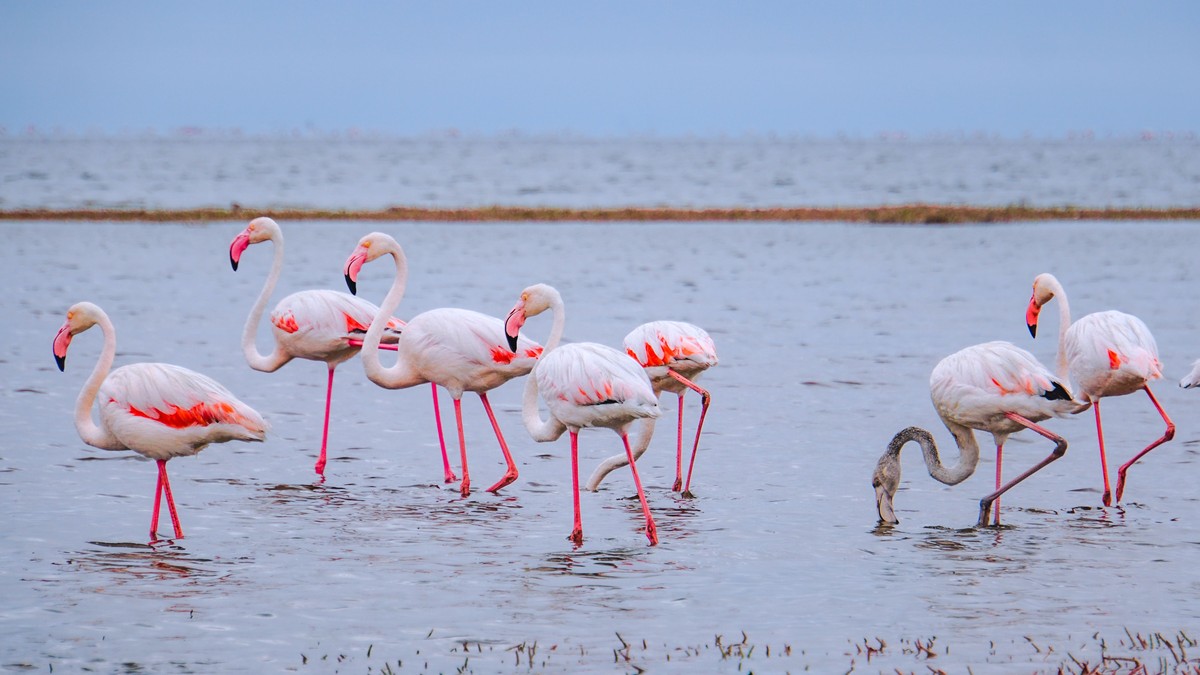
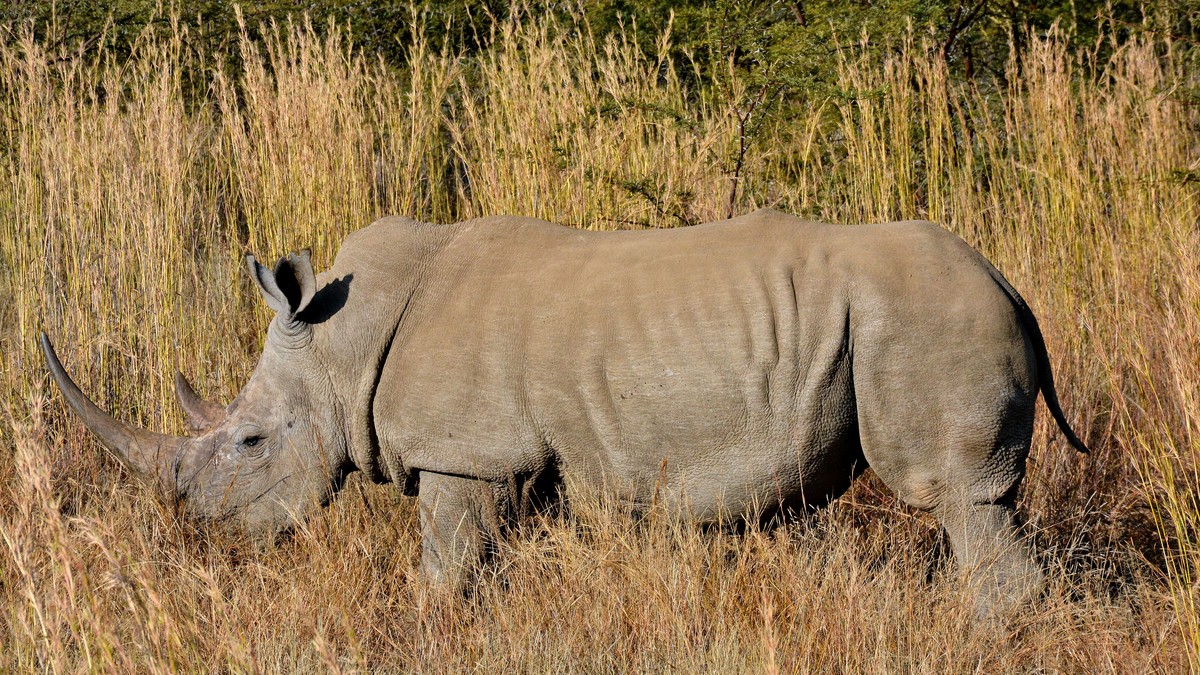
Lake Nakuru is famous for two things: flamingos and rhinos. The flamingo numbers swing year to year depending on water levels and algae, and honestly they have been unpredictable since the lake’s water level rose sharply after 2013. Some years you’ll see thousands lining the shore. Other years most have shifted to Lake Bogoria, about 70 km further north. The park is also one of Kenya’s most reliable spots to see both black and white rhino, plus healthy numbers of buffalo, giraffe, and lion.
Lake Naivasha’s headline animal is the hippo. Naivasha holds one of the highest hippo densities in East Africa, and your boat guide will get you close enough to hear them breathing. Fish eagles, pelicans, and kingfishers are common along the papyrus edges. For pure bird variety per hour spent, Naivasha edges it out, since you’re gliding along the shoreline rather than driving through open bush.
Nakuru vs Naivasha Day Trip: Cost and Entry Fee Comparison
This is where most tour-operator pages go vague. Here is the real breakdown, in 2026 rates.
| Item | Lake Nakuru National Park | Lake Naivasha |
|---|---|---|
| Distance from Nairobi | 160 km | 90 km |
| Drive time from Nairobi | 2.5 to 3 hours | 1.5 to 2 hours |
| Entry fee (non-resident adult) | USD 60 per day | No lake entry fee |
| Entry fee (non-resident child) | USD 35 per day | No lake entry fee |
| Boat ride cost | Not applicable | KES 2,500 to 3,500 per person (shared boat) |
| Crescent Island walking safari | Not applicable | KES 1,500 to 2,000 (roughly USD 12 to 16) |
| Budget camping | KES 1,500 to 2,000 per night inside the park | KES 500 to 800 per night at Fisherman’s Camp |
| Typical joined-group day trip price | USD 70 to 120 per person | USD 45 to 85 per person |
Prices shift with the exchange rate and season, so treat these as indicative ranges, not fixed quotes. Notice the gap. Nakuru’s park fee alone is close to what a full Naivasha day, boat ride included, costs a backpacker traveling on shared transport. That gap is the real decision point, not “which is prettier.”
Best Time to Visit
Both lakes are good year-round, but the dry seasons, from late June to October and again in January and February, give you clearer roads and easier wildlife spotting at Nakuru. Flamingo numbers at Nakuru are least predictable, so do not build your whole trip around seeing them. If flamingos are your priority, ask your operator about current conditions before booking, since water levels change month to month.
Naivasha’s boat rides run daily regardless of season, though early morning slots (7 to 9 am) have calmer water and better light for photos.
Where to Stay Near Each Lake
Budget travelers camping near Naivasha usually land at Fisherman’s Camp or Carnelley’s Camp, both on the lakeshore with tent pitches, cold beers, and matatu access back to Naivasha town. Elsamere, the old home of conservationist Joy Adamson, also allows day visits and overnight stays for a step up in comfort.
Near Nakuru, budget camping is inside the park itself at the public campsites close to the main gate, useful if you want an early game drive without a long drive in. Backpackers who prefer a proper bed usually base in Nakuru town, 10 to 15 minutes from the gate, where guesthouses run from KES 1,500 to 3,000 a night.
Combining Both Lakes: Crescent Island and Hell’s Gate
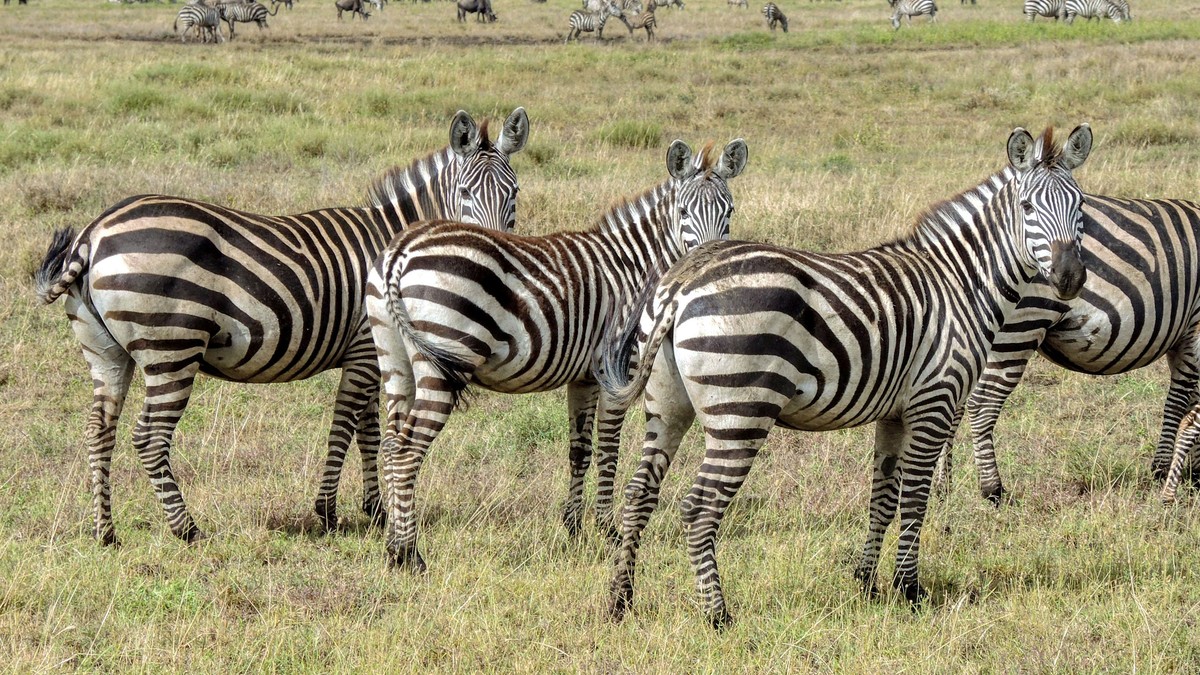
Doing both lakes properly in a single day is tight but possible if you start before 6 am. Most travelers instead pair Naivasha with Lake Naivasha hippo boat ride and Hell’s Gate guide, cycling or walking among zebra and giraffe at Hell’s Gate National Park right after the boat ride, since Hell’s Gate allows walking safaris without a vehicle. That combination alone fills a full day and costs less than adding Nakuru on top.
Crescent Island, a short boat hop from the Naivasha jetties, lets you walk freely among giraffe, zebra, and waterbuck with no predators present, no vehicle, no fence. It is worth the extra KES 1,500 to 2,000 if you want a walking safari feel without the Hell’s Gate cycling.
If you are curious why Nakuru charges USD 60 while Naivasha charges nothing at all, it comes down to designation. Read our piece on why Nakuru is a national park and Naivasha isn’t for the full explanation.
Should You Skip Nakuru Entirely?
Here is the trade-off nobody selling combined day trips wants to tell you. If you already have a Maasai Mara or Amboseli safari booked later in your trip, Nakuru’s game drive will feel repetitive. You will see lion, giraffe, and buffalo again, just from a different park. The one animal Nakuru offers that most Mara conservancies don’t guarantee is rhino, so if a rhino sighting matters to you specifically, keep Nakuru on the list. Otherwise, put that USD 60 toward Naivasha’s boat ride and Hell’s Gate entry instead, and use the time you save to visit nearby Lake Elmenteita and Soysambu Conservancy, a quieter alternative between the two lakes with its own flamingo populations and far fewer vehicles.
The Valley Safaris Difference
We don’t sell you a lake. We sell you a day that fits the rest of your trip. Before we book anything, we ask what else is on your itinerary, so you’re not paying twice to see the same lion pride from two different parks. We know which camps at Naivasha have hot water this month, which Nakuru gate has the shortest queue at 6 am, and which matatu saccos are reliable versus which ones overload the front seat. That local knowledge is the difference between a day trip that feels rushed and one that feels planned by someone who actually knows the road.
Plan Your Day Trip With Us
Not sure whether Nakuru, Naivasha, or both fit your route? Tell us what else is on your Kenya itinerary and we’ll build a day trip around it, budget and all. Visit our Naivasha and Nakuru tours page or reach out through our contact page to start planning.