When you start planning a Kenya safari, you’ll hit this wall fast. One camp is in a “national park.” Another is in a “national reserve.” A third calls itself a “conservancy.” They all show you lions. So why do the prices, rules, and even the daily schedule look so different?
This national park vs game reserve conservancy mix-up trips up almost every first-time safari planner. I get this question from almost every first-time traveler I work with. So let’s clear it up properly, using the actual places you’ll likely visit, not vague categories.
What is a national park (KWS ownership, public land, fixed rules)
National parks in Kenya are owned and run by the Kenya Wildlife Service, a government body. Think Amboseli National Park, Tsavo East, Tsavo West, Lake Nakuru National Park, and Nairobi National Park.
Because KWS manages these as public land, the rules are strict and apply everywhere inside the boundary. You stay on marked roads. No off-road driving. No night drives. No walking outside designated areas. No fires outside camp. These rules exist because a national park is meant to protect a wide public resource, and KWS enforces them uniformly.
Entrance fees go straight to KWS and fund conservation and anti-poaching work across the whole park network, not just the spot you’re visiting. As of 2026, a non-resident adult pays around $60 to $97 per day depending on the specific park (Amboseli sits at the higher end, Lake Nakuru is lower). These are indicative figures since KWS adjusts fees periodically, so always confirm before you travel.
Nairobi National Park is the odd one out: 30 minutes from the city center, with giraffe and rhino grazing against a skyline of office towers. It’s proof you don’t need to fly anywhere to see wildlife in Kenya.
What is a game reserve (private lease, hybrid rules)
Here’s where it gets interesting, and where a lot of blogs get sloppy. In Kenya, the most famous “reserve” isn’t private at all. The Masai Mara National Reserve is owned by the Narok County Government, not KWS, and not a private company. It’s managed more like a national park in terms of public access, but with more flexible rules on the ground because county authorities, not federal KWS, set policy.
In the Mara Reserve itself, off-road driving is technically restricted in most zones, though enforcement varies by season and area. Some sections, like the Mara Triangle, managed separately by the Mara Conservancy (a nonprofit), run tighter rules than others. Night drives are not permitted inside the reserve boundary.
Entrance fees for the Masai Mara National Reserve sit around $100 per day for non-residents in peak season (July to October), dropping slightly in low season. That’s higher than most KWS parks, which tells you something about demand alone. For the full breakdown, we keep a running page on current Masai Mara entrance fees.
What is a conservancy (community and conservation lease model)
Conservancies are the newest and, in my opinion, the most interesting layer of Kenya’s system. A conservancy is private or community land, usually owned by Maasai families or a cooperative of landowners, leased to safari camps and operators. The camps pay the landowners a monthly or annual lease fee, plus a per-guest conservancy fee, in exchange for exclusive or semi-exclusive access.
Around the Masai Mara alone, you’ll find conservancies like Naboisho, Mara North, Olare Motorogi, and Ol Kinyei, each bordering the main reserve. Near Lake Elmenteita in the Rift Valley, Soysambu Conservancy covers roughly 48,000 acres of private and community land, home to over 450 recorded bird species and healthy populations of buffalo, zebra, and the endangered Rothschild’s giraffe. If that region interests you, our Soysambu Conservancy safari guide goes into more depth on what a day there looks like.
Conservancies operate under agreements with the camps themselves, not one blanket government rulebook. That means activities vary by conservancy. Many permit off-road driving to follow a sighting, night drives with spotlights, guided walking safaris, and even fly camping under the stars. This flexibility is the main reason conservancy stays cost more.
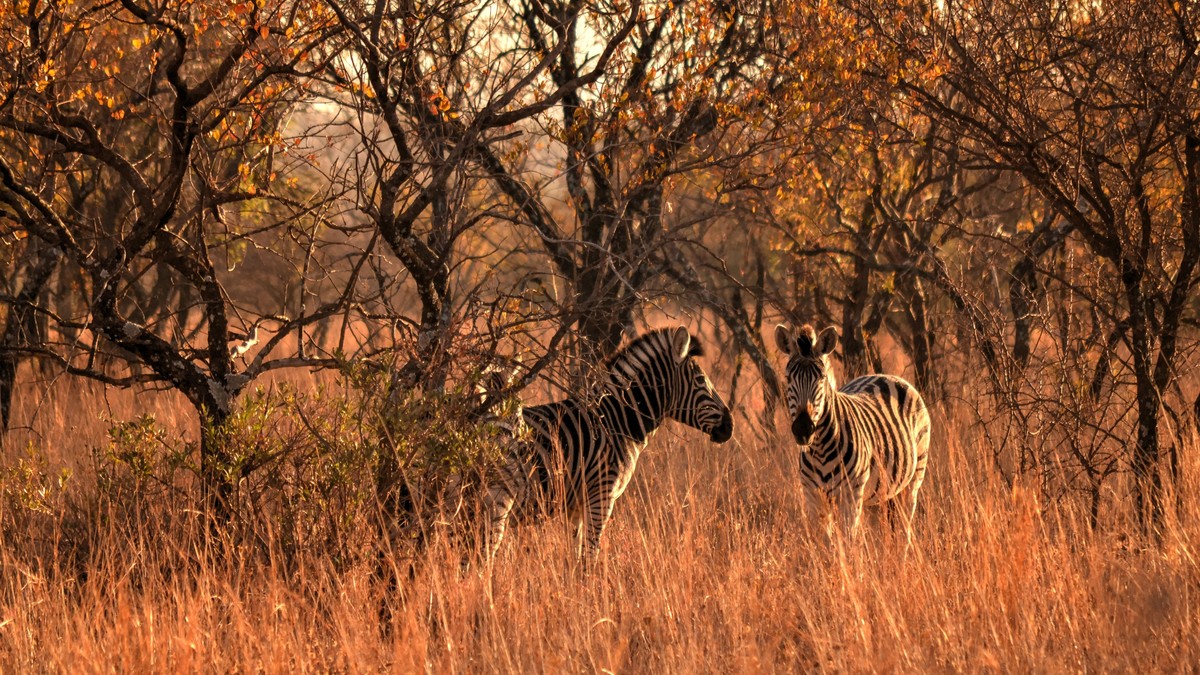
National Park vs Game Reserve Conservancy: Activities Allowed vs Restricted, Side by Side
| Feature | National Park (e.g. Amboseli) | National Reserve (Masai Mara) | Conservancy (e.g. Naboisho, Soysambu) |
|---|---|---|---|
| Managed by | Kenya Wildlife Service | Narok County Government | Community/private landowners + camps |
| Off-road driving | Not allowed | Restricted, varies by zone | Usually allowed |
| Night drives | Not allowed | Not allowed | Usually allowed |
| Walking safaris | Rare, permit-dependent | Not allowed | Common, guide-led |
| Typical daily entry fee (non-resident, 2026 indicative) | $60 to $97 | around $100 | Often bundled into nightly camp rate, $80 to $180 |
| Vehicle density at sightings | Moderate to high in peak months | High, especially July to October crossings | Low, often capped at 5 vehicles per sighting |
| Camps fenced? | Sometimes | Sometimes | Rarely, since wildlife moves freely across unfenced land |
That last row matters more than people expect. If you’ve wondered why safari camps have no fences in conservancy areas, it comes down to the whole point of the model: land stays open so animals move naturally between conservancy and reserve.
Vehicle limits and crowding at sightings
This is the part that actually affects your experience the most, more than the label on the map. During the wildebeest migration season, the Masai Mara National Reserve can have twenty or more vehicles circled around a single river crossing. It’s thrilling, but it’s not quiet.
Most conservancies cap vehicle numbers at sightings, often to five or six, and some go further with a strict one-vehicle-per-sighting rule at certain times. You trade a chance of seeing more animals in one sweep for a calmer, more personal encounter with fewer of them.
Cost comparison and why conservancies command a premium
A conservancy stay isn’t pricier just because someone decided to charge more. That extra fee funds lease payments to Maasai landowners and wildlife rangers hired directly by the conservancy. It also pays for infrastructure like access roads and boreholes for the local community. A national park fee, by contrast, feeds into a much larger, less visible KWS budget covering parks across the whole country.
Rough per-night added cost, on top of your accommodation:
- National park conservation fee: usually built into your daily park entry, $60 to $100
- Reserve fee (Masai Mara): around $100 per day, per person
- Conservancy fee: often $80 to $180 per person per night, charged by the camp directly
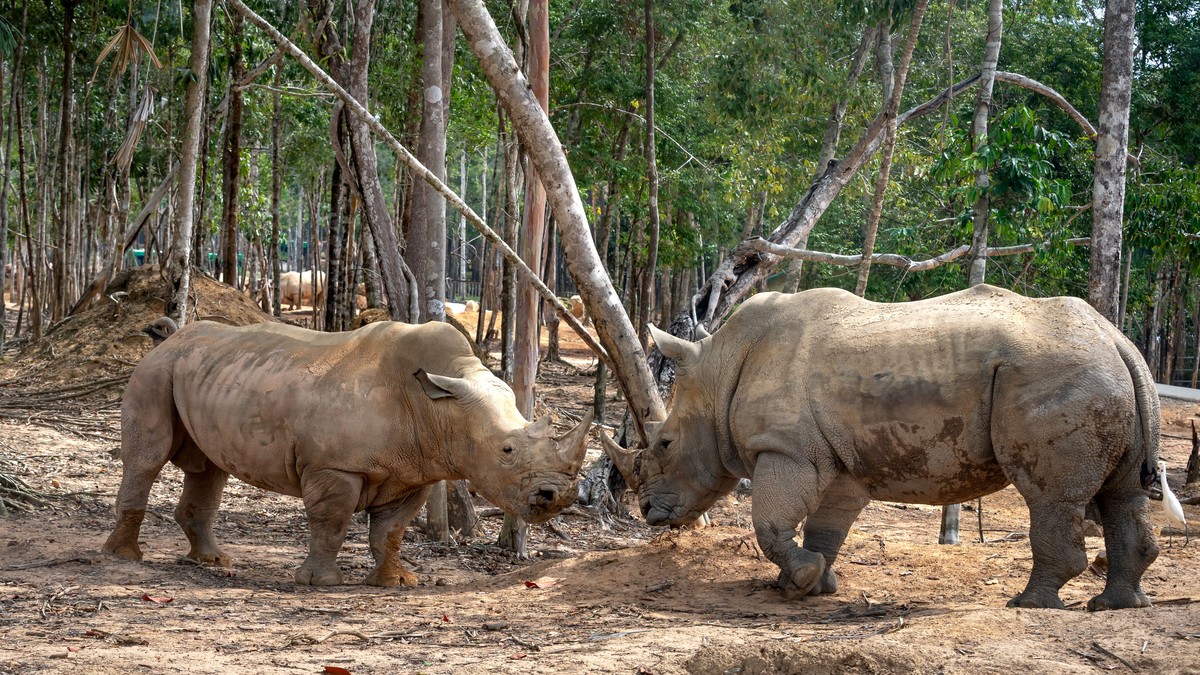
Community and conservation benefits
Here’s the honest answer to a question I hear constantly: do conservancy fees actually benefit local Maasai communities? In well-run conservancies, yes, directly. Landowners receive lease payments whether or not the land gets visited that month. That gives families steady income instead of relying only on cattle grazing. Many conservancies also fund local schools, water projects, and ranger salaries paid to residents of the same community.
It’s not automatic goodness though. Some conservancies handle this better than others, and it’s worth asking your operator how a specific conservancy shares its revenue before you book.
Which to choose for your trip
If your trip falls during the wildebeest crossing season (July to October), you’re chasing something specific: the raw drama of thousands of animals at the river. The Masai Mara National Reserve genuinely wins here, crowds and all. No conservancy river crossing view compares to the real thing.
If you’re traveling with young kids, want night drives, or prefer a calm, guided walking-safari experience, a conservancy like Naboisho or Soysambu suits you better.
If budget matters most, a KWS park like Amboseli is the pick. Mount Kilimanjaro is often visible in the background, and you still get excellent game viewing at a lower daily cost.
The Valley Safaris Difference
We don’t push conservancies just because they’re the fancier sell. When a client tells us they specifically want to see the crossing, we route them into the Masai Mara National Reserve itself, even knowing it means sharing the riverbank with other vehicles. When a family wants quiet mornings and a walk with a Maasai guide before breakfast, we book Naboisho or Soysambu instead.
Every itinerary we build names the actual park, reserve, or conservancy, with the actual fees, so you know exactly what you’re paying for and why. We’ve sat in enough vehicles at 6am, in both packed reserve corridors and empty conservancy plains, to tell you honestly which one fits your trip.
Plan it with us
If you’re still weighing a national park against a conservancy stay, we’d rather talk it through with you than have you guess. Have a look at our tour pages or reach out through our contact page and we’ll help you build an itinerary that matches what you actually want from this trip.