
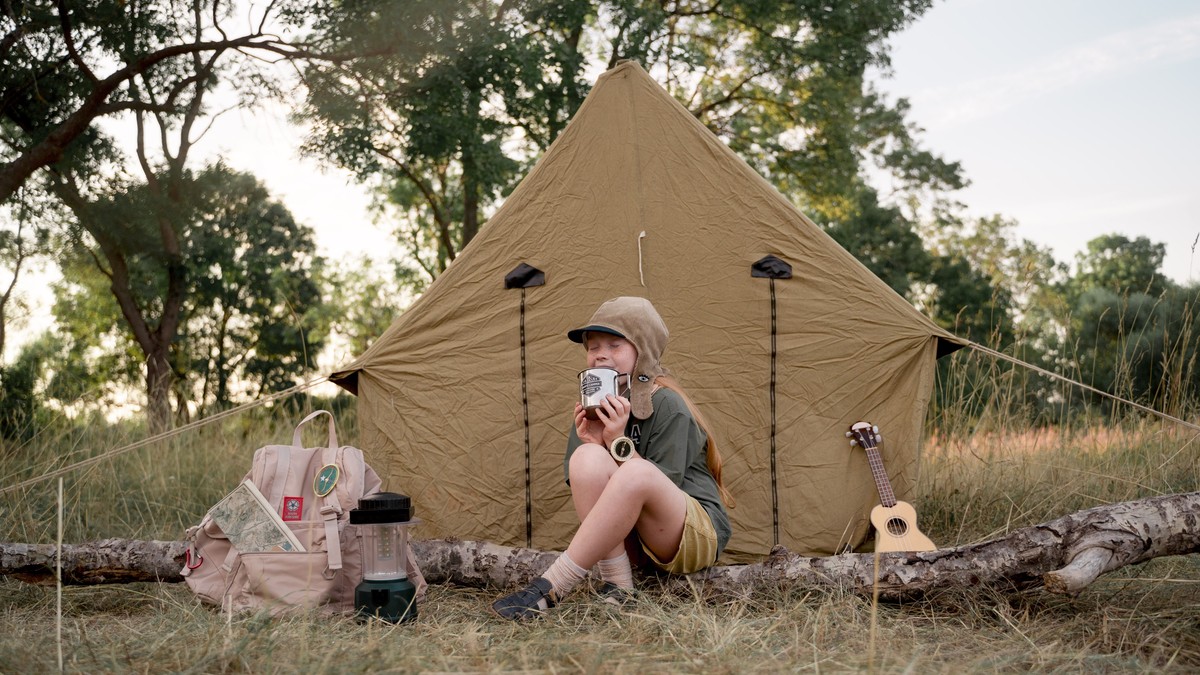
The first time our clients from Denver stood at the edge of their tent deck in Mara North Conservancy, watching a hyena trot past thirty meters away, the question came fast. “Wait, why isn’t there a fence?”
Why safari camps have no fences is the question almost every first-time safari family asks us. And it’s a fair one, especially if you’re bringing kids or an older parent who wants a clear answer before they hand over a deposit. So let’s answer it properly, camp by camp, without the vague reassurance you’ll find on most travel blogs.
Why Safari Camps Have No Fences: The Real Reasons
Most tented camps in the Masai Mara and its private conservancies skip fences on purpose. Wildlife in Kenya moves along ancient routes, following rain, grass, and the Great Migration between the Mara and Serengeti. A fence across a conservancy would block that movement and cut camps off from the very animals guests come to see.
There’s a business reason too. Camps in conservancies like Naboisho and Mara North operate under strict guest-density rules, often one tent per 350 acres or more, precisely so animals keep using the land as they always have.
Fenced properties aren’t wrong, they’re just built for a different kind of stay, usually inside busier public reserve areas where land use is more fixed. We’ll compare both below.
Fenced vs. Unfenced Camps Compared
Here’s how some well-known properties break down, with distances from Nairobi and indicative nightly rates per person, all-inclusive. Rates shift by season, so treat these as a planning range rather than a quote.
| Camp / Lodge | Location | Fenced? | Distance from Nairobi | Indicative rate (pp/night) |
|---|---|---|---|---|
| Governors’ Camp | Mara Triangle, Masai Mara | No | ~270 km road, 45 min flight | $450-700 |
| Angama Mara | Oloololo Escarpment, Masai Mara | No | ~275 km road, 45 min flight | $900-1,400 |
| Kicheche Bush Camp | Naboisho Conservancy | No | ~270 km road, 45 min flight | $500-750 |
| Keekorok Lodge | Masai Mara National Reserve | Partial (perimeter around lodge grounds) | ~260 km road | $250-400 |
| Tortilis Camp | Amboseli National Park area | No | ~245 km road, 45 min flight | $600-850 |
| Ol Tukai Lodge | Amboseli National Park | Yes (fenced grounds) | ~240 km road, 45 min flight | $300-450 |
Note the pattern. Conservancy camps around the Mara, where the whole point is exclusive access to open wildlife corridors, tend to stay unfenced. Lodges inside more heavily visited reserve sections, where land is already fixed and busier, are more likely to fence at least part of the grounds.
The Askari System, Explained
Every reputable unfenced camp runs an askari system, and it’s worth knowing exactly how it works before you arrive.
An askari is camp staff trained to escort guests after dark, armed usually with just a torch and a radio, sometimes a spear kept more from tradition than necessity. Here’s the actual routine at most camps we book:
- After dinner, you tell your waiter or the camp manager you’re ready to head to your tent.
- An askari meets you at the mess tent door with a torch.
- They walk you the full path back, watching for eyes reflecting in the grass and checking the route ahead.
- At your tent, they wait while you zip in, then call out a verbal check that you’re safely inside.
- In the morning, the same escort happens in reverse, usually triggered by a knock and a “good morning” at your tent flap.
This isn’t a gimmick. It’s the actual mechanism that makes unfenced camping work, and it’s why you’ll be asked never to walk alone after dark, no exceptions, even for confident teenagers.
What Wildlife Actually Wanders Through Camp
Most nights, it’s nothing dramatic. Impala and warthogs graze right through camp clearings. Elephants sometimes pass close enough that you’ll hear branches snapping outside your tent wall. Hippos, if you’re near the Mara River at Governors’ or Little Governors’, graze on camp lawns at night since they feed on land and rest in water by day.
Predators do pass through too, but camps are built along known animal paths specifically so staff can anticipate movement and route guests around it. A lion walking along a track behind the tents is far more common than a lion investigating a tent itself.
Nighttime Safety Rules
Every camp briefs guests on arrival, and the rules are simple:
- Never leave your tent after dark without an askari escort.
- Keep your tent fully zipped, even to use the en-suite bathroom inside.
- Use the torch left in your tent, and the emergency air horn or radio if one is provided.
- If an animal is near your tent, stay still and quiet. Don’t shine lights or step outside to look.
We repeat this to every family we send out, kids included. It sounds strict on paper, but in practice it becomes second nature by night two.
How Camps Stay Safe Without Fences
Beyond the askari system, camps rely on a few consistent habits. Staff walk the grounds at dawn checking for tracks near tents. Tents are spaced with clear sightlines, not tucked into thick bush. Radios connect every staff member to the main mess tent, so an askari spotting something unusual can call it in before a guest even leaves their tent.
Staff training matters more than any piece of equipment. Camps that have run for decades, like Governors’ Camp on the Mara River, have generations of staff who read animal behavior the way you’d read traffic patterns at home.
Is It Actually Safe?
Genuinely, yes, for the vast majority of guests. Serious incidents involving unfenced camps are rare enough that Kenya’s tourism industry has run on this model for over 60 years without it collapsing under insurance claims or bad press. The camps that get this wrong don’t stay in business long, guests talk.
That said, “rare” isn’t “zero.” This is wild Africa, not a theme park, and the honest answer is that some risk remains, managed carefully by trained people rather than eliminated by concrete and wire. If that trade-off makes you uneasy, that’s useful information, not a failure of nerve, and it should shape which camp you book.
Smart Fences and Partial Fencing
Some properties split the difference. A growing number of family-friendly lodges fence the core guest area, pool, and children’s play space, while leaving the wider grounds open so wildlife still passes through at a distance. Amboseli’s Ol Tukai Lodge takes this approach, as do several lodges around Lake Naivasha and Nakuru.
If you’ve got toddlers who wander, or a parent using a walker who can’t move quickly if an escort calls for it, this hybrid setup is often the more relaxed choice. It’s also worth reading our guide to solo safari safety in Kenya, since much of that same risk calculus applies to solo travelers weighing fenced against unfenced stays.
Is an Unfenced Camp Right for Your Family?
Honestly, it depends on your group. Confident older kids, around 8 and up, generally do fine with the askari routine and often love the excitement of it. Toddlers who might bolt from a tent, or grandparents who need extra time moving after dark, are often better served by a lodge with fenced central grounds and shorter walks to the dining area.
We talk this through with every family before booking, because getting it wrong means a stressed first night, not a disaster. If you’re mapping out the whole trip, our piece on planning a family safari in Kenya covers how camp choice affects your overall budget and pace.
How to Vet a Reputable Operator
Not every camp calling itself “luxury tented” runs a proper askari system. Before booking anywhere unfenced, ask directly: how many askaris are on duty at night, what’s the escort process after dinner, and has the camp had any serious wildlife incidents in the last five years. A good operator answers without hesitation.
We’ve put together a full list of questions to ask your safari operator before booking, and we’d genuinely encourage you to run through it, even if you’re booking through us.
The Valley Safaris Difference
We’ve walked the paths between the mess tent and the guest tents at most of the camps we recommend, at night, with the askaris, before we ever put a family there. We know which camps brief children properly, which have shorter walks for elderly guests, and which conservancies are quietest during calving season when predator activity rises.
When we build your itinerary, we match the camp type to your group, not the other way around. A family with a nervous 6-year-old gets a different Mara camp than a couple celebrating an anniversary, even if both trips cost the same.
Plan Your Trip With Us
If you’re weighing fenced against unfenced, or just want a Mara itinerary that fits your family’s pace, we’re happy to talk it through. Visit our Masai Mara safari tours page to see current options, or reach out through our contact page and we’ll help you build the right trip.