If you have already done the Maasai Mara and you are eyeing Samburu, Laikipia, or the Kaya forests for your next Kenya trip, let me put one more name on your map. A Mount Elgon National Park safari sits on the Kenya-Uganda border, a few hours north of Eldoret, and it does something no other Kenyan park does. Its elephants walk into pitch-black caves at night and mine salt from the rock walls with their tusks.
This is not a Big Five park. It is quiet, rustic, and a little bit of work to reach. That is exactly why I think it belongs on your list.
Where a Mount Elgon National Park Safari Fits on the Map
Mount Elgon is an extinct volcano straddling the Kenya-Uganda border, about 140 km northwest of Kisumu. Its caldera, one of the largest in the world, spans roughly 8 km across. The Kenyan side covers about 169 square kilometers of park land, with moorland, bamboo forest, and montane forest rising toward the peaks.
UNESCO lists Mount Elgon as a transboundary biosphere reserve, recognizing the ecosystem across both countries. On the Kenya side, the park is managed by Kenya Wildlife Service, and it stays refreshingly uncrowded compared to the Mara or Amboseli.
Kitum Cave and the Salt-Mining Elephants
Kitum Cave is the reason most people come. It runs about 200 meters into the mountainside, carved not by water but by elephants themselves over thousands of years, widening the tunnel as they scrape salt from the walls with their tusks.
Elephants, buffalo, and even leopards use the cave. Rangers will walk you in partway with torches, and if you visit in the late afternoon, you may catch a herd approaching the entrance at dusk. It feels less like a wildlife sighting and more like watching a very old habit play out.
The Other Caves Worth Knowing
Kitum gets the attention, but Mount Elgon has several more:
- Chepnyalil Cave, smaller and less visited, closer to Chorlim Gate.
- Makingeny Cave, with a waterfall dropping across its mouth, a good photo stop.
- Ngwarisha Cave, another salt-lick site used regularly by elephants and buffalo.
None require technical caving skill. A ranger guide, required for all cave visits, will set the pace and depth.
Kenya Side or Uganda Side?
This is the question I get most, and the honest answer depends on what kind of trip you want.
| Kenya Side (Chorlim Gate) | Uganda Side (Budadiri/Sipi) | |
|---|---|---|
| Nearest town | Kitale, about 14 km | Mbale, about 45 km |
| Drive from capital | Nairobi, about 420 km, 7-8 hours | Kampala, about 230 km, 4-5 hours |
| Main draw | Kitum Cave, salt-mining elephants | Sasa and Sipi trekking routes, Wagagai peak |
| Park fees, non-resident (indicative) | around $25 per adult per day | around $35-40 per adult per day |
| Accommodation style | KWS bandas, self-catering, rustic | Trekking lodges, guided multi-day treks |
| Road condition | Murram tracks, 4×4 strongly advised | Tarmac to Mbale, rougher beyond |
If you want cave elephants and a quiet add-on to a Kenya circuit, go Kenya side. If you want a serious multi-day summit trek to Wagagai Peak, the Uganda side is built for that.
Wildlife and Birdlife Beyond the Caves
Elephants and buffalo are the headline animals, but Mount Elgon also holds De Brazza’s monkeys, black and white colobus, blue monkeys, and forest duikers. Leopards live here too, though sightings are rare.
Birders should bring a good pair of binoculars. Over 300 species have been recorded, including the Jackson’s francolin and the Lammergeier, a bearded vulture sometimes seen circling the higher cliffs.
Hiking to Koitoboss Peak
Koitoboss, at 4,139 meters, is the highest point on the Kenyan side of the mountain. A return hike takes most fit walkers two to three days, camping en route, with the moorland and giant lobelia plants making the middle stretch feel almost otherworldly. A ranger guide is compulsory and costs roughly $20-30 per day, paid at the gate.
Entry Fees and Permits
KWS conservation fees change periodically, so treat these as an indicative range rather than a fixed number, and confirm before you travel.
| Category | Adult (per day) | Child (per day) |
|---|---|---|
| Non-resident | around $25 | around $15 |
| Resident (Kenyan) | around KES 300 | around KES 215 |
| East African citizen | around KES 500 | around KES 250 |
Camping fees and ranger guide fees are charged separately at the gate.
Getting There from Nairobi, Kitale, and Eldoret
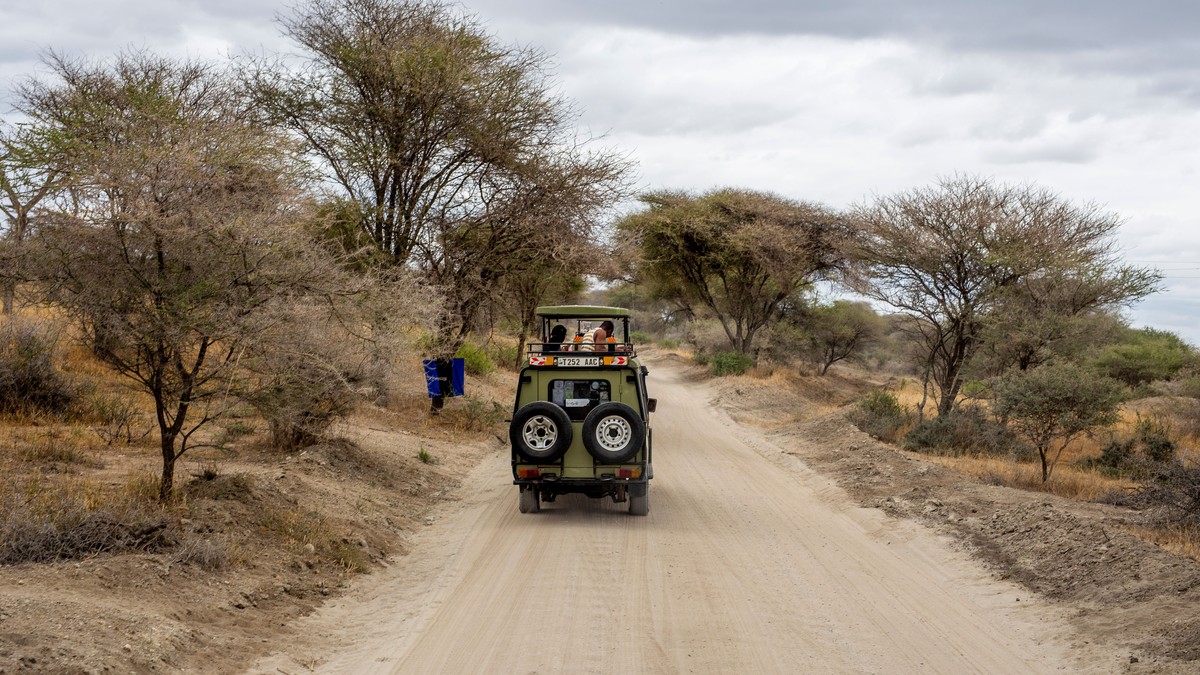
From Nairobi, expect about 420 km and 7-8 hours by road, via Nakuru and Eldoret to Kitale, then a final stretch to Chorlim Gate. From Eldoret it is roughly 65 km to Kitale, then another 20-30 minutes to the gate. The last section is murram and can turn slick after rain, so a 4×4 is not optional, it is necessary.
Given that drive, it is worth taking a moment to decide whether a long road transfer like this fits your trip, especially if you are also covering the Mara or Samburu on the same itinerary. Many of our clients pair Mount Elgon with a western Kenya loop through Kakamega Forest or Saiwa Swamp rather than treating it as a standalone stop.
Phone signal is patchy once you are past Kitale. Do not count on data coverage inside the park.
Where to Stay
Accommodation here is simple by design. KWS runs self-catering bandas near Chorlim Gate, sleeping four to six people, at roughly $30-50 per night. A few private tented camps operate just outside the park boundary with generator power and cooked meals. There are no luxury lodges on this side of the mountain, and that is part of its character.
If you loved that rustic feel, we also work with a few no-WiFi camps if you want to disconnect further on other legs of your Kenya trip.
Best Time to Visit
The driest months, January to March and June to September, give you the best hiking and cave access. April, May, and November bring heavier rain, which makes the murram roads difficult even for 4×4 vehicles. Mornings are cold at altitude year-round, so pack a warm layer regardless of season.
Kitum Cave Safety and the Marburg Question
Kitum Cave has a real history worth knowing calmly, not fearing. In 1980 and again in 1987, cases of Marburg virus, a hemorrhagic fever, were linked to visitors who had entered the cave, likely from contact with bat colonies living inside.
Since then, no new human cases have been tied to Kitum. KWS rangers monitor the cave and can restrict entry if bat populations or health advisories warrant it. Standard precautions include avoiding contact with bats or their droppings, not touching cave walls unnecessarily, and following your ranger guide’s lead on how far to walk in.
It is sensible, not paranoid, to check your vaccination requirements before a remote park like this, alongside general travel health advice for western Kenya.
A Sample 3-Day Add-On Itinerary
Day 1: Drive from Nairobi or transfer from Eldoret, arrive at Chorlim Gate by afternoon, settle into a banda, short walk near the gate at dusk.
Day 2: Morning visit to Kitum Cave with a ranger guide, afternoon at Chepnyalil or Makingeny Cave, birdwatching walk before dinner.
Day 3: Early moorland walk toward the lower slopes of Koitoboss, depart by midday for Kitale or onward to Kakamega Forest.
The Valley Safaris Difference
We will not sell you Mount Elgon as a Big Five substitute, because it is not one. What we will do is tell you honestly what the roads are like, what the bandas actually offer, and whether the cave visit fits the rest of your trip.
Our guides have driven the Chorlim Gate road in both dry and wet season, and we plan around that reality rather than around a brochure photo. We build Mount Elgon into western Kenya circuits that make geographic sense, so you are not backtracking across the country to fit in one cave visit.
Ready to Add Mount Elgon to Your Kenya Trip?
Mount Elgon rewards travelers who already know Africa and want something quieter than the Mara circuit. If salt-mining elephants and lava caves sound like the right kind of detour, we would love to help you plan the logistics properly. Visit our tours page to see how we pair Mount Elgon with the rest of western Kenya, or get in touch through our contact page to start planning.