I want to tell you the truth about Mzima Springs hippo underwater viewing before you build your whole Tsavo West itinerary around it. The chamber is real, the water is startlingly clear, and hippos do live there. But they do not pose for you on command. I have sat in that glass tank for twenty minutes with nothing but tilapia drifting past, and I have also had a hippo’s belly fill the whole window like a grey moon. Both are normal days at Mzima.
What Mzima Springs Is and Where It Sits in Tsavo West
Mzima Springs is a cluster of natural pools in the northern section of Tsavo West National Park, about 48 km from the Mtito Andei gate on the Nairobi-Mombasa highway. Four springs feed a series of pools and a stream lined with raffia palms and fig trees, an odd green ribbon in otherwise dry, red-soil country. It is one of the few places in Kenya where you leave your vehicle and walk, under ranger escort, right to the water’s edge.
How the Water Gets So Clear
The clarity is the whole reason the chamber works. Rain falling on the Chyulu Hills, roughly 48 km northwest, sinks into porous volcanic rock and travels underground for an estimated 25 years, filtering out sediment along the way, before it surfaces at Mzima at a steady 50 million litres a day. That filtration is why you can see fish from a metre away in water most rivers in Tsavo could never offer.
Mzima Springs Hippo Underwater Viewing: What You Actually See
A concrete and glass chamber sits partly submerged in the first main pool, built by Kenya’s national parks authority decades ago and still standing. Step down and you are looking through glass at eye level with the water. Most visits, what you actually see is barbel and tilapia circling, maybe a terrapin, and if you are patient, a crocodile gliding past. Hippos are the prize everyone wants, but they spend daylight hours resting in deeper channels away from the chamber more often than not. Guides here will tell you honestly that your best hippo photographs usually come from the surface trail, looking down into the pools, not through the glass. Set that expectation early and the chamber becomes a delightful bonus rather than a letdown.
Hippos and Crocodiles at Mzima Springs
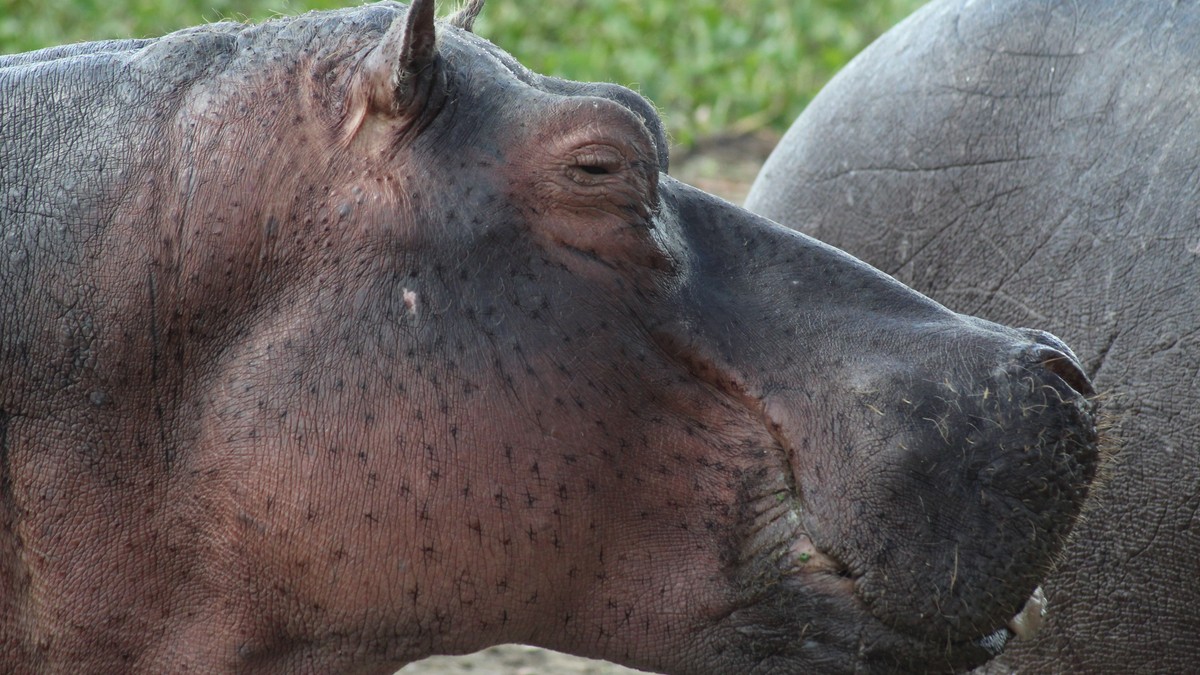
Mzima has supported a resident hippo population for generations, historically estimated at 60 to 100 animals across the pools. The 2009 drought hit hard. Water levels dropped, grazing disappeared for kilometres around, and Kenya Wildlife Service recorded a sharp die-off, with hippo numbers here falling by roughly half within that year. Numbers have recovered since, though slowly, and current estimates put the population in the range of 30 to 50 hippos, alongside a healthy crocodile population that took over more of the open water while hippo numbers were down.
Other Wildlife Worth Your Lens
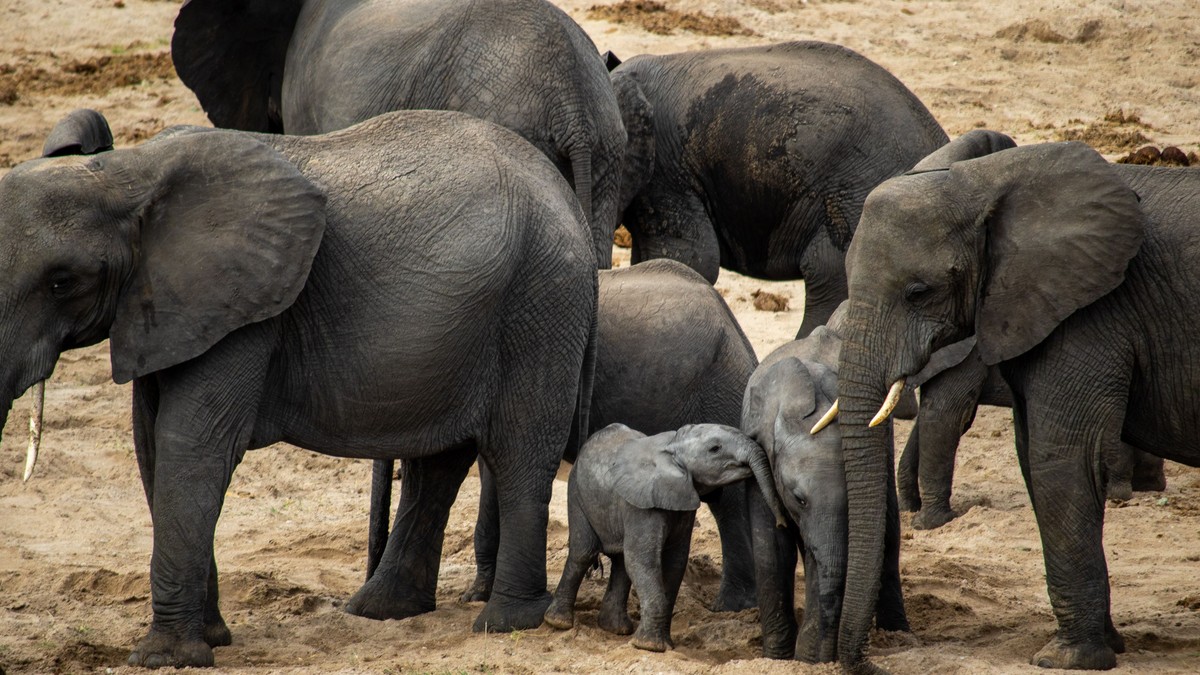
Beyond the headline animals, Mzima rewards a photographer who slows down. Vervet monkeys work the fig trees along the boardwalk. Fish eagles and kingfishers perch over the pools, and you will likely spot herons, cormorants, and the occasional African darter. Elephants come to drink at the springs’ edges in the early morning and late afternoon, often before the day’s vehicle traffic arrives. If you are serious about the birdlife and the distant elephant sightings, a good pair of binoculars for spotting wildlife at the springs earns its weight fast here.
Safety Rules and the Armed Ranger Escort
You cannot walk to Mzima Springs on your own. A Kenya Wildlife Service ranger, armed, walks every group from the car park to the pools and back. This is not theatre. Hippos and elephants use the same paths visitors do, and the raffia thickets limit sightlines. Stay on the marked boardwalk, keep your voice down, and follow the ranger’s pace. Groups are usually kept small, and the walk feels calm rather than tense if everyone follows the basic rules.
The Walking Trail and Distance from the Car Park
The trail from the car park to the main pool and viewing chamber is short, around 200 to 300 metres of packed path and a wooden boardwalk over the last stretch. Allow 30 to 45 minutes total for the walk in, time at the chamber, and the walk back. It is flat and manageable for most fitness levels, though the boardwalk gets slippery when wet.
Best Time of Day and Season to Visit
Early morning, shortly after the park gates open around 6 a.m., gives you the calmest water and the best chance of catching elephants at the pools before other vehicles arrive. Hippos are more likely to be moving, and visible from the surface trail, in the cooler hours of early morning and late afternoon. For season, the dry months of June through October and January to February bring lower water levels in the surrounding bush, which pushes more wildlife toward Mzima’s permanent water, often the single best argument for how Tsavo compares to Amboseli for a safari itinerary if you are choosing between parks for guaranteed water-based sightings.
Getting There
| Route | Distance | Typical drive time |
|---|---|---|
| Nairobi to Tsavo West (Mtito Andei gate) | approx. 240 km | 4 to 5 hours |
| Mombasa to Tsavo West (Tsavo Gate) | approx. 200 km | 3 to 4 hours |
| Mtito Andei gate to Mzima Springs | approx. 48 km | 1 to 1.5 hours on park roads |
| Chyulu Hills (water source) to Mzima Springs | approx. 48 km underground | roughly 25 years, geologically |
Tsavo West park entry for non-residents runs around USD 52 per adult per 24 hours, with reduced rates for Kenyan citizens and East African residents in KES, and Mzima Springs is included in that fee, not a separate ticket.
Where to Stay Nearby
| Lodge | Distance from Mzima Springs | Indicative price range (per person, per night, full board) |
|---|---|---|
| Kilaguni Serena Safari Lodge | approx. 10 km | USD 250 to 400 |
| Severin Safari Camp | approx. 25 km | USD 180 to 320 |
| Finch Hattons Luxury Camp | approx. 20 km | USD 400 to 700 |
Kilaguni Serena is the closest option and works well if you want an early start at Mzima before the day heats up. Severin sits further out but offers good value tented rooms. Finch Hattons is the splurge choice, with a waterhole view from camp itself.
Practical Tips for Your Visit
Wear closed shoes with grip, sandals do not hold up on the boardwalk. There is no restaurant or picnic area at Mzima Springs itself, so plan on packing a picnic lunch since there’s no restaurant on site if you want to eat nearby afterward. Swimming is not allowed anywhere in the pools, hippos and crocodiles make that an easy rule to respect. Bring a polarising filter if you shoot the chamber glass, it cuts reflections noticeably.
The Valley Safaris Difference
Most guides sell Mzima Springs as a guaranteed hippo photo. We would rather tell you what our drivers have seen over hundreds of visits: some mornings the chamber delivers, some mornings it is fish and quiet water, and the real hippo shots often come from the boardwalk above. Our Tsavo West itineraries build in enough time at Mzima to wait out a slow moment rather than rush you back to the vehicle after five minutes. We time the stop for early morning light, brief you on the ranger walk beforehand, and pair it with a lodge choice, usually Kilaguni Serena for the short transfer, that matches how the rest of your day is planned. That is the difference between ticking a box and actually getting the shot.
Plan Your Mzima Springs Morning With Us
If you want Mzima Springs built properly into a Tsavo West itinerary, with the timing, transfers, and lodge choice already sorted, have a look at our Tsavo West safari tours or get in touch through our contact page and we will plan it around you.