If you’re a man planning to travel alone, you’ve probably searched “solo male safari Kenya safety” and found a pile of articles written for women traveling solo, or generic checklists that treat every traveler the same. Neither answers the real question. Is it safe for you, specifically, and is it worth doing alone?
Short answer: yes, and yes. The bush itself is not where the risk lives. Your actual exposure comes from ordinary city crime in Nairobi, from bad self-drive decisions, and from skipping travel insurance. Once you understand that, the whole trip gets simpler to plan.
Solo Male Safari Kenya Safety: Is Kenya Safe for Solo Male Travelers?
Kenya sees over a million tourists a year, and most safari areas, from the Maasai Mara to Amboseli, report almost no violent crime against visitors. Wildlife areas are patrolled, fenced camps are common, and your guide is trained to keep you safe around animals.
The real risk sits in cities, especially parts of Nairobi at night, and on long solo drives on rural roads after dark. That’s a manageable risk, not a reason to skip the trip. Plan your first night carefully, and the rest of the trip follows a much calmer rhythm.
Before you fly, sort out your Kenya eTA before you fly so you’re not dealing with paperwork stress on top of jet lag.
Game Drive and Bush Safety Rules
Once you’re in a national park or conservancy, safety comes down to following simple rules, not being lucky.
- Stay inside the vehicle unless your guide says it’s fine to step out.
- Never approach animals on foot without an armed ranger, which some walking safaris in Laikipia and the Mara conservancies provide.
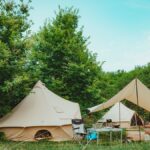
- Keep camp lights on and zip your tent fully at night. Camps near Amboseli and the Mara routinely get hyena and elephant visits after dark.
- Listen to your guide’s radio calls. Lion and buffalo sightings move fast, and so does the plan.
None of this is male-specific. Wildlife doesn’t care about your gender. What matters is following instructions, which every solo traveler, male or female, has to do the same way.
Nairobi and City Safety for Solo Men
This is where most of your actual risk sits, and it’s worth taking seriously without panicking.
Nairobi has real petty crime, mostly opportunistic theft, especially around bus stations, ATMs at night, and crowded matatu stops. Solo men are targeted less often than the guidebooks suggest, but complacency is the real danger. Keep valuables split between pockets, use registered taxi apps like Uber or Bolt rather than hailing cars on the street, and avoid walking with your phone out in areas like River Road after dark.
Mombasa’s Old Town and the beach strip are generally relaxed during the day. At night, stick to areas near your hotel and use a taxi for anything further.
If you’re landing at Jomo Kenyatta International Airport alone, read up on arriving alone at JKIA before you go. A pre-booked transfer removes the single biggest risk window of the entire trip: standing outside an airport at 11pm deciding who to trust for a ride.
Once you’re settled, getting a local SIM to stay reachable means you can call your driver, use maps offline, and stay in touch with home the whole trip.
Health and Medical Safety
Malaria is present in most safari areas below 2,000 meters, including the Mara, Amboseli, and Tsavo. Start antimalarials before you arrive and use repellent at dusk, when mosquitoes are most active. Nairobi itself, at around 1,700 meters, carries lower malaria risk but it’s still wise to take precautions.
Travel and medical evacuation insurance is not optional for a solo traveler. If something goes wrong 200 km from the nearest hospital, evacuation by light aircraft can cost several thousand US dollars without cover. Policies with evacuation included typically run $50 to $150 for a two-week trip, which is a small price against that risk.
Choosing a Reputable Operator
A solo traveler has no one else to double-check the plan, so the operator matters more, not less. Look for:
- A physical office and years of operating history in Kenya, not just a website.
- Membership in the Kenya Association of Tour Operators (KATO).
- Clear written pricing, including park fees, so nothing gets added later.
- Reviews that mention solo travelers specifically, not just couples and families.
Ask direct questions before booking: who else is on this departure, what vehicle will you use, and what happens if you’re the only solo guest on a group date.
Single Supplement Fees: What Solo Men Actually Pay
Here’s the part most safety guides skip entirely. Single supplement fees hit men exactly as hard as anyone else traveling alone, and they add up fast on a multi-night safari.
Most mid-range lodges and tented camps charge a single supplement of 20 to 40 percent above the per-person double rate. On a $250-per-night lodge, that can mean an extra $50 to $100 a night just for traveling alone.
The way around it is joining a scheduled group departure, where the tour price is quoted per person and there’s no single supplement at all, because you’re not paying for an empty second bed. Some smaller operators, Valley Safaris included on select group-joining dates, also waive the supplement on request when numbers allow it. Always ask directly rather than assuming.
Safari Options Compared for Solo Male Travelers
| Safari Style | Typical Cost per Day (USD) | Single Supplement? | Best For |
|---|---|---|---|
| Self-drive rental safari | $80-150 (car, fuel, camping fees) | No fee, but full risk of driving alone | Confident drivers, tight budgets |
| Group-joining safari (shared vehicle) | $120-220 all-in | Usually none | Solo travelers on any budget, social contact |
| Private guided safari, solo | $250-450 all-in | Yes, often 100% of a second seat | Travelers wanting full control of the itinerary |
| Overland camping safari | $70-130 all-in | Rarely charged | True budget backpackers, campsite comfort |
Note: prices are indicative ranges for 2026 and vary by season, park, and operator. Peak season (July to October, and December to January) runs higher across every category.
Group-Joining Safaris: The Budget Backpacker’s Best Option
For a budget backpacker, a group-joining safari solves two problems at once. It kills the single supplement, and it puts you in a shared 4×4 or overland truck with other travelers, which is honestly more fun than staring at zebras alone.
You won’t always land with other solo men. Small-group and honeymoon-style camps do skew toward couples and female solo groups, especially outside peak season. Overland camping trucks and budget group departures tend to have a more mixed, sociable mess-tent crowd, closer to a hostel dinner table than a resort restaurant. If that matters to you, ask about the typical group mix before booking.
Public transport can stretch your budget further between stops. Buses connect Nairobi to Naivasha, Nakuru, and Mombasa cheaply, though most parks themselves still require a 4×4 transfer for the final leg.
Best Parks and Destinations for Solo Travelers
| Park/Reserve | Distance from Nairobi | Drive Time | Non-Resident Park Fee (per day, indicative) | Why Solo Travelers Like It |
|---|---|---|---|---|
| Maasai Mara National Reserve | 270 km | 5-6 hours | ~$80 | Big cats, frequent group-joining departures |
| Amboseli National Park | 240 km | 4-5 hours | ~$60 | Elephants, Kilimanjaro backdrop, shorter drive |
| Lake Nakuru National Park | 160 km | 2.5-3 hours | ~$60 | Easy 2-day add-on for tighter budgets |
| Tsavo West National Park | 240 km | 4-5 hours | ~$52 | Fewer vehicles, quieter camping sites |
| Nairobi National Park | 10 km | 30-45 minutes | ~$52 | Half-day option right after landing |
Packing and Planning Tips
Pack layers. Mornings in the Mara can drop below 15°C, while midday sun pushes past 28°C. Bring a headlamp for camp at night, a dry bag for dusty road transfers, and copies of your passport and insurance stored separately from the originals.
Book your first and last night ahead of time. Everything in between can flex once you’re on the ground and talking to other travelers about where they’ve been.
FAQs
Is it safe to go on a safari alone as a man? Yes. The parks themselves carry low personal risk. Your main exposure is Nairobi street safety and self-drive fatigue, both manageable with basic precautions.
Do solo male travelers pay a single supplement on safari? Yes, on most lodge-based itineraries booked alone. Group-joining and overland departures usually remove the fee entirely.
Can I self-drive a safari alone in Kenya? Yes, with a 4×4 and experience on rough roads. Many solo men prefer a guided group vehicle instead, since local guides know road conditions and animal locations far better.
Will I be the only solo traveler on a group safari? Rarely, especially on overland and budget departures. Ask the operator for the current group mix before you book, since it does shift by season.
The Valley Safaris Difference
We’ve run safaris out of Nairobi for years. We’ve watched solo male travelers ask the same questions again and again. Will I feel out of place? Will I overpay? Will anyone actually look out for me? We built our group-joining departures to answer all three directly.
Our guides grew up near the parks they drive through, from the Mara to Amboseli. Route knowledge isn’t a script. It’s home ground. We quote every itinerary per person with the single supplement clearly flagged, and we tell you the group mix before you commit, not after. If you’re traveling on a tighter budget, we’ll also point you toward the camping and overland options that fit your plan honestly, even if that means a smaller invoice for us.
Plan Your Solo Safari With Us
Traveling alone in Kenya is safer, and more affordable, than most guides admit once you know where the real risks sit. If you’re ready to see the Mara, Amboseli, or Tsavo without paying a painful single supplement, take a look at our group-joining safari departures or reach out through our contact page and we’ll help you build the right trip.