Every first-time client asks us the same question. Amboseli or Tsavo, which one do we book?
This Amboseli vs Tsavo safari comparison gives you the real numbers, not a vague answer. We have run trips into both parks for years, so we will not tell you it depends and leave you there. We will give you the numbers, the trade-offs, and a straight answer for your situation.
Amboseli in short: elephants and Kilimanjaro
Amboseli National Park sits close to the Tanzania border, about 240 km southeast of Nairobi. It covers just 392 square kilometers, small by Kenyan standards, which is exactly why the wildlife feels so concentrated.
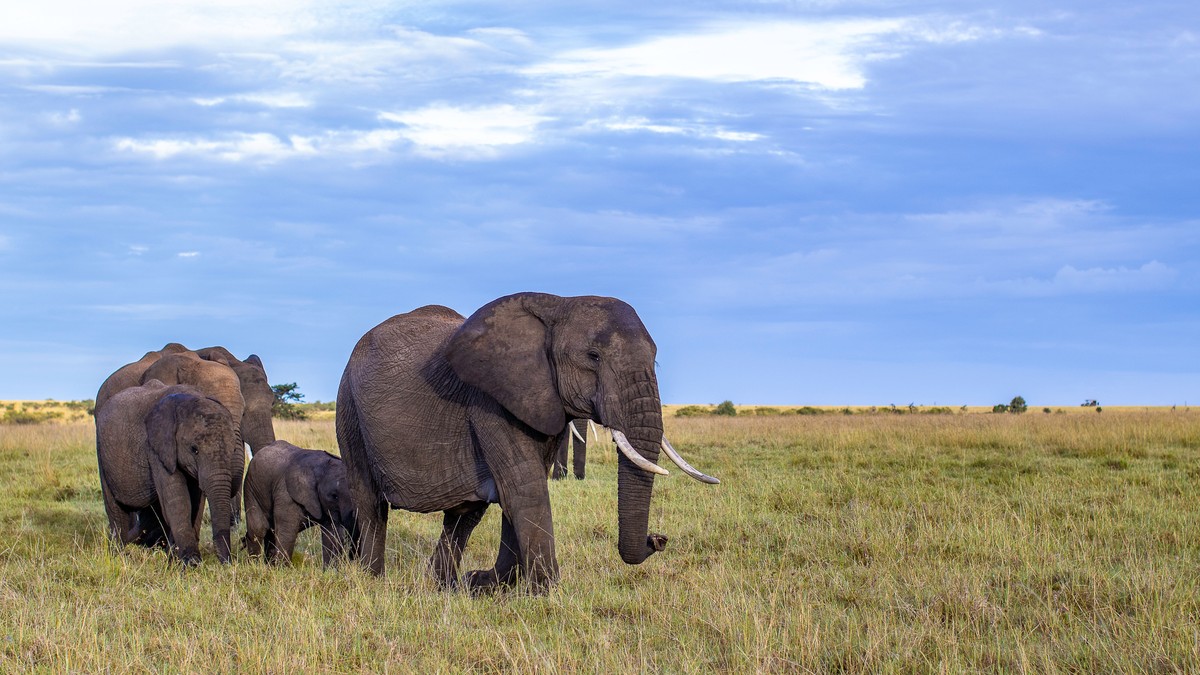
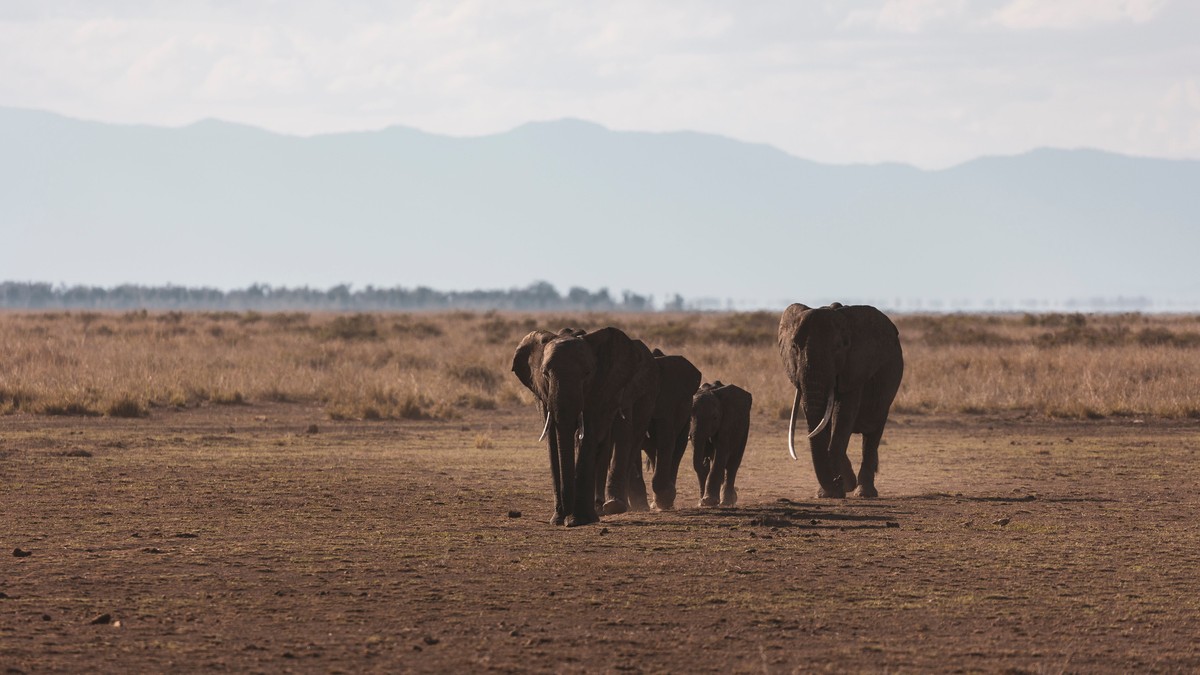
Amboseli is built around swamps fed by underground rivers off Kilimanjaro, mainly the Enkongo Narok and Longinye swamps. Elephants gather there year round, often with Mount Kilimanjaro rising behind them on a clear morning. That single image, a herd of elephants with Africa’s tallest peak in the background, is the reason most people put Amboseli on the list in the first place.
Tsavo in short: size, space, and red elephants
Tsavo is really two parks. Tsavo East covers about 11,747 square kilometers and Tsavo West about 9,065 square kilometers. Together they form one of the largest protected areas in the world, more than 50 times the size of Amboseli.
Tsavo East is flatter and drier, known for the Yatta Plateau and the Galana River. Tsavo West is greener and hillier, with the volcanic Chyulu Hills and the crystal-clear Mzima Springs, where hippos and crocodiles gather underwater. Tsavo’s elephants often look reddish orange because they dust themselves in the park’s red laterite soil, a look you will not see anywhere else in Kenya.
Wildlife viewing: guaranteed vs varied
Amboseli wins on certainty. Its small size and concentrated swamps mean elephant sightings within an hour of entering the gate are close to guaranteed, plus healthy numbers of zebra, wildebeest, and giraffe.
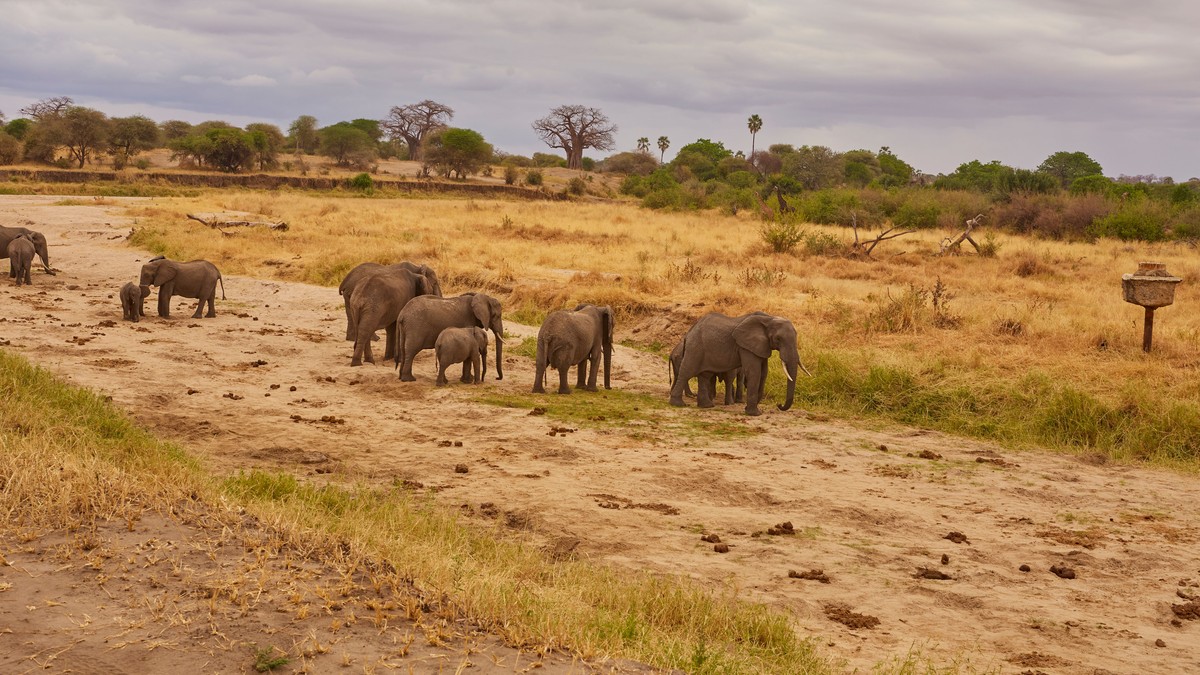
Tsavo wins on variety and space. It holds lions, the red elephants, buffalo, and some of Kenya’s last big tusker bulls, plus black rhino in the Ngulia Rhino Sanctuary inside Tsavo West. But animals are spread across thousands of square kilometers, so game drives take longer and sightings feel more like a discovery than a certainty.
Scenery and photography
For the classic Kilimanjaro shot, Amboseli has no real rival in Kenya. Early morning, before clouds build, is your best window.
Tsavo offers a different kind of photograph: red dust trails, wide open horizons, and the green Mzima Springs oasis. If you want to sharpen your technique before either trip, our golden hour game drive photography tips cover light, timing, and camera settings for both parks.
Best time to visit each park
Both parks are best during the dry seasons, June to October and January to February. In Amboseli, the dry months push more animals toward the swamps, so viewing actually improves. In Tsavo, the dry months make roads firmer and easier to drive, and thinner bush makes animals easier to spot.
Avoid late March through May in both parks. The long rains turn Amboseli’s black cotton soil into a mud trap and can wash out sections of Tsavo’s tracks.
Getting there: distance, roads, and cost
This is where most blog posts get vague. Here are the real numbers.
| Route | Distance | Drive time | Flight option | Approx. cost |
|---|---|---|---|---|
| Nairobi to Amboseli | 240 km via Namanga road | 4 to 4.5 hours | Scheduled flight, Nairobi Wilson to Amboseli | $150 to $220 one way |
| Nairobi to Tsavo West (Mtito Andei gate) | 230 km via Mombasa highway | 3.5 to 4 hours | Flight to Kilaguni or Finch Hattons airstrip | $180 to $250 one way |
| Nairobi to Tsavo East (Voi gate) | 330 km via Mombasa highway | 4.5 to 5 hours | Flight to Voi airstrip | $200 to $260 one way |
| Amboseli to Tsavo West (via Kimana and Chyulu Gate) | About 140 km | 3 to 4 hours, unpaved sections | Not direct, charter only | $250 to $400 charter |
Flight costs and schedules shift often, so treat these as indicative ranges rather than fixed quotes, and confirm with your operator before booking.
Amboseli vs Tsavo safari comparison: cost and park fees
Park entry fees change from time to time, so always check the current KWS park fees for Amboseli and Tsavo before you travel. As an indicative range for non-resident adults, expect roughly $60 per day for Amboseli and around $52 per park per day for Tsavo East or Tsavo West.
Because Tsavo is split into two parks, a longer stay there can mean paying two separate entry fees if you cross between Tsavo East and Tsavo West. Amboseli’s single fee, paired with its higher-end lodge rates, tends to even things out. On accommodation alone, expect $250 to $600 per person per night in Amboseli’s midrange to luxury camps, and $180 to $500 per night in Tsavo, where budget options are more common.
Crowds and the feel of the safari
Amboseli is popular, and it shows. During July, August, and December, vehicle numbers at the main swamp viewpoints can feel busy, especially around midday.
Tsavo, thanks to its size, rarely feels crowded. You can drive an hour and see no other vehicle. For travelers who want a quieter, slower pace, that space is worth a lot. For first-timers who want maximum sightings without much driving, Amboseli’s smaller size still wins on efficiency.
Accommodation: where to stay in each park
Amboseli’s well-known options include Ol Tukai Lodge, Amboseli Serena Safari Lodge, and Tortilis Camp, all positioned for Kilimanjaro views. Our own Valley Safaris Kibo Camp sits on the park’s eastern edge, chosen specifically for sunrise views of the mountain from your tent deck.
In Tsavo, Kilaguni Serena Safari Lodge and Severin Safari Camp anchor Tsavo West near Mzima Springs, while Voi Safari Lodge and Ashnil Aruba Lodge serve Tsavo East. Our Valley Safaris Sable Camp sits inside Tsavo West, close enough to the Chyulu Hills for a sundowner with a view most guests do not expect.
Can you combine both parks in one trip
Yes, and many of our clients do. The 140 km link road between Amboseli and Tsavo West takes 3 to 4 hours, with some unpaved stretches, so we usually recommend at least 5 to 6 days total to do both parks justice without feeling rushed.
If you want to add a third park to the mix, our guide to combining multiple parks in one itinerary walks through pairing Amboseli with the Maasai Mara instead, a popular alternative for travelers with more time than budget for internal flights.
The Valley Safaris Difference
We do not send every client to the same park. We ask what you actually want from your first safari, then match you to it.
If close-up elephants and a Kilimanjaro photo matter most, we build your trip around Amboseli, timed for early morning light and a route that avoids the busiest viewpoints. If you want space, quiet, and a wider range of terrain, we route you through Tsavo, with a guide who knows which waterholes are producing sightings that week, not last season.
Because we run camps in both parks, we also give you honest logistics. Real transfer times, real road conditions, and a straight answer about whether your dates suit the rains or the crowds. That is the part the guidebooks skip.
Final verdict: which park should you choose
For a first safari with limited time, choose Amboseli. It delivers reliable elephant sightings and the Kilimanjaro backdrop in as little as two days, which suits most first-timers well.
For travelers who want fewer crowds, more variety, and a sense of real wilderness, choose Tsavo. Give yourself at least three days there, since the park’s size rewards patience.
If you have five or six days, do both. The trade-off is real: Amboseli guarantees the photograph, Tsavo guarantees the solitude. You do not have to pick just one.
Plan your trip with Valley Safaris
Not sure which park fits your dates and budget? Talk to our team on the Amboseli and Tsavo safari page or reach out through our contact page, and we will help you build the right itinerary from here.