You have already done the Mara. You have watched a cheetah stalk a Thomson’s gazelle from a pop-up roof, ticked the wildebeest crossing off your list, and slept under canvas at Governor’s Camp. Now you want something with more texture, and Kenya has it: real conservation work, done in short stretches, folded into a proper safari through Samburu, Laikipia, and the Kaya forests near the coast.
This guide is for you: think of it as a wildlife conservation volunteer Kenya safari, not a volunteer placement with a safari bolted on. Not the university student with six weeks and a volunteer visa, but the traveler who wants two or three days of hands-on wildlife work inside a nine or ten day trip, without giving up good beds and good food at the end of the day.
What a Wildlife Conservation Volunteer Kenya Safari Actually Involves
Most short-term conservation activities in Kenya fall into three categories: monitoring, habitat work, and community-linked anti-poaching support.
Monitoring means tracking collared animals, most often lions, elephants, or rhinos, using radio telemetry or camera trap data. You ride with a research team, note GPS points, and log behavior. Habitat work is physical: clearing invasive Opuntia cactus in Laikipia, replanting indigenous trees, or removing snares left by poachers. Anti-poaching support, where it exists for visitors, is mostly observation and logistics, riding with scouts on patrol rather than confronting anyone.
Be honest with yourself about scale. A three-day add-on will not save a species. It will teach you how conservation science actually works, put you next to people who do it full time, and give you a far better story than another game drive. That is a fair trade if you go in with the right expectation.
Where It Happens: Real Conservancies, Not Brochure Names
Four places do this well for safari guests rather than long-stay volunteers.
Soysambu Conservancy, on the shores of Lake Elementaita near Nakuru, runs guided walks with researchers studying rhino and giraffe populations. It is a private conservancy, so access is by arrangement rather than a KWS gate.
Solio Ranch, in Laikipia between Nyeri and Nanyuki, holds one of the highest concentrations of black and white rhino in Kenya. Guests can join rangers for rhino ID monitoring, matching horn shape and ear notches against a photo database. Solio Ranch’s rhino conservation work in Laikipia pairs naturally with a Laikipia lodge stay.
Lake Nakuru National Park has KWS-run programs around its black rhino sanctuary, though access for hands-on work is more limited than at private conservancies.
Samburu National Reserve, north of the equator along the Ewaso Ng’iro river, is where Save the Elephants runs long-term collar research. Some camps can arrange a morning with the research team, subject to availability and season.
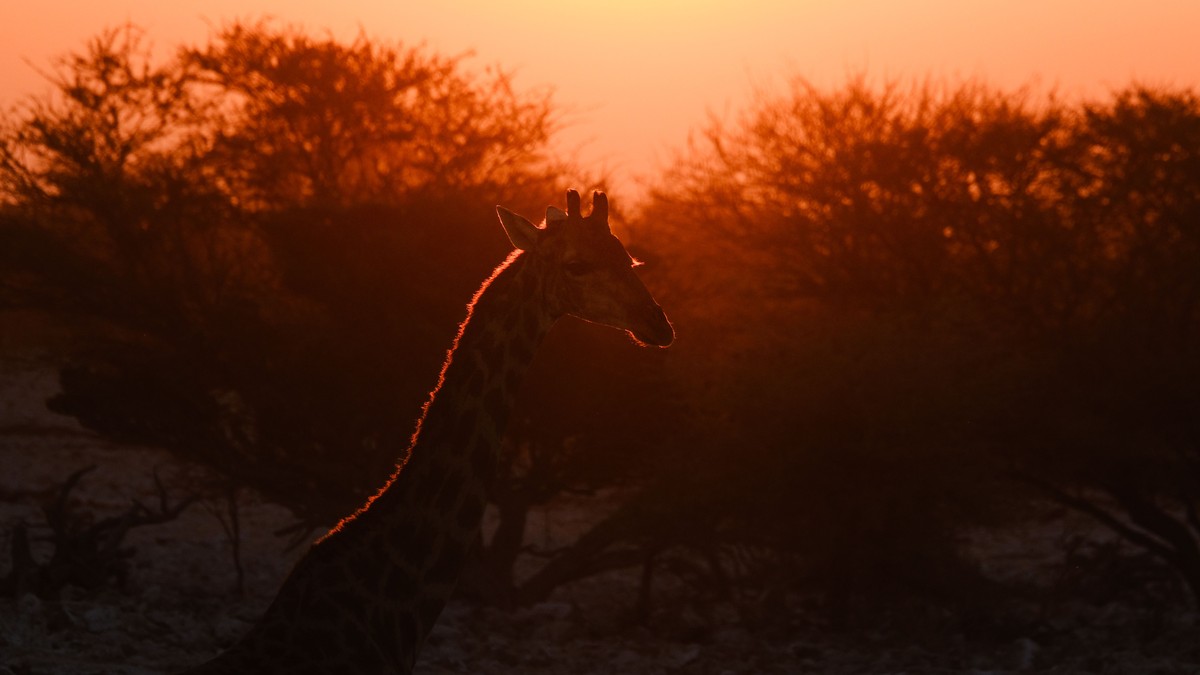
For repeat visitors, Samburu and Laikipia also deliver the landscape shift you are after: red oxide soil, doum palms, gerenuk and reticulated giraffe you will not see in the Mara.
Program Length and How the Days Actually Run
Dedicated volunteer organizations sell two to four week placements. A safari add-on works differently. Plan for one full day or two half-days per stop, built into your itinerary like a game drive with a different focus.
A typical day at Solio starts at 6:30am with tea, then two to three hours in the field with a ranger team, back at the lodge by 11am, free afternoon, and an evening game drive as usual. It is a taste, not a residency, and that is the honest way to sell it.
Costs and Fees: What You’re Actually Paying For
Conservation add-ons layer onto normal safari costs: park or conservancy fees, lodge rates, and a separate activity fee for the research access itself. Here is how the main options compare, using indicative figures gathered from current conservancy and park rate cards.
| Location | Distance from Nairobi | Drive time | Conservation activity | Indicative add-on cost |
|---|---|---|---|---|
| Soysambu Conservancy | ~120 km | 2 hours | Rhino and giraffe research walks | USD 20 to 40 per person, per activity |
| Solio Ranch, Laikipia | ~200 km | 4 hours (or fly to Nanyuki, 45 min) | Rhino ID monitoring with rangers | USD 50 to 100 per person, per day |
| Lake Nakuru National Park | ~160 km | 2.5 to 3 hours | Rhino sanctuary talks, limited fieldwork | KES 6,300 (~USD 60) park entry, activity fee varies |
| Samburu National Reserve | ~325 km | 6 hours (or fly, 1 hour) | Elephant research observation, subject to availability | USD 50 to 150 per person, when arranged |
These are indicative ranges, not fixed quotes. Fees change with season, group size, and which research body is operating that year. Always confirm current rates before you travel.
On top of this, budget your normal safari costs: Laikipia lodges typically run USD 300 to 700 per person per night on a full-board basis, and Samburu camps sit in a similar range. A conservation add-on rarely adds more than 10 to 15 percent to a day’s cost, which makes it one of the better value experiences on a repeat trip.
Accommodation and Living Arrangements
This is the biggest difference from a standard volunteer program. Dedicated placements often put you in shared volunteer housing, bunk rooms, or basic camps for the full stay. On a safari add-on, you sleep exactly where you would otherwise: a proper lodge or tented camp, with your own room, hot water, and a real dinner.
You are not roughing it to do the work. You are simply spending part of a normal safari day with people who do this professionally, then returning to comfort. That is the honest pitch, and it is the one competitors selling long placements rarely make because it undercuts their fee structure.
Eligibility: Age, Fitness, and Paperwork
Most conservancies set a minimum age of 12 to 15 for fieldwork activities, and some research programs, like elephant collaring observation, restrict access to adults only for safety reasons. Reasonable fitness helps, since some walks cover 3 to 5 km over uneven ground, but this is not an expedition. Wheelchair users and those with limited mobility should ask about vehicle-based monitoring options instead of walking activities.
Kenya requires a yellow fever vaccination certificate if you are arriving from a country with risk of transmission, and most doctors also recommend hepatitis A and typhoid coverage for rural travel. Check current NHS or CDC travel advice closer to your departure date, since recommendations shift.
Every visitor needs an approved Kenya eTA before arrival. Give yourself at least a week before travel when applying for your Kenya eTA visa, since processing times vary.
Safety and Health Considerations
Conservation activities carry more direct wildlife exposure than a vehicle-based game drive, so guides brief you carefully before any walking activity, and you stay with an armed ranger in areas with dangerous game. Malaria prophylaxis is worth discussing with your doctor, particularly for Samburu’s lower altitude and warmer climate. Bring proper closed shoes, not sandals, for any fieldwork day.
Combining Conservation Work with Traditional Game Drives
The strongest itineraries treat conservation as one chapter, not the whole book. A nine day trip might run: two nights in the Mara for the game drives you already love, three nights in Laikipia with a day at Solio, and two nights in Samburu for the landscape and, availability permitting, elephant research access. That structure gives you variety without turning your holiday into a work placement.
If you are traveling with a younger group or want a longer immersive version of this idea, gap year safari itineraries in Kenya show how the same conservancies work for multi-week stays.
The Valley Safaris Difference
Most operators ranking for this topic are volunteer-placement agencies selling multi-week programs, and they treat the safari itself as an afterthought. We do the opposite. We build the safari first, since that is what most of our guests actually want more of, and we slot in conservation days where the access genuinely exists and genuinely fits.
We have relationships with Solio Ranch’s ranger teams and Soysambu’s research staff, so we know which weeks have availability and which fees are current, rather than reciting figures from a program brochure written two years ago. We will also tell you plainly when a “volunteer experience” on offer elsewhere is really a paid tourist activity dressed up in bigger language. You deserve that honesty before you book, not after.
Ready to Plan Your Trip?
If a few days of hands-on conservation work sound like the right addition to your next Kenya trip, we would love to help you build it properly, lodge by lodge and day by day. Have a look at our Laikipia and Samburu safari itineraries or get in touch to start planning.