If you’ve already done the Maasai Mara, the crowds start to grate. You want somewhere quieter, with different animals and a different feel. That’s exactly why Shaba National Reserve keeps coming up in conversations with clients who’ve been to Kenya before.
Most people have never heard of it. The ones who have usually confuse it with Samburu, its more famous neighbor across the river. That confusion is actually part of the appeal. Shaba stays wild and empty while Samburu fills up with vehicles.
This Shaba National Reserve safari guide covers what Shaba actually is, how it compares to Samburu and Buffalo Springs, what it costs, and whether it deserves a spot on your itinerary.
What Is Shaba National Reserve?
Shaba National Reserve sits in Isiolo County in northern Kenya, roughly 340 km north of Nairobi. It covers about 239 square kilometers of rugged volcanic hills, doum palm groves, and open plains along the Ewaso Nyiro River.
The reserve takes its name from Mount Shaba, an extinct volcano that rises inside its boundaries. Springs feed several natural pools and swamps, which draw animals even in the dry months. That’s the main reason wildlife concentrates here despite the tough, rocky terrain.
Shaba is also where Joy Adamson, author of Born Free, spent her final years studying leopards. She was killed near her camp in 1980, and her story still shapes how guides here talk about the land.
Shaba vs Samburu vs Buffalo Springs: What’s the Difference?
These three reserves sit side by side along the Ewaso Nyiro River, and first-time visitors mix them up constantly. Samburu National Reserve sits on the river’s north bank. Buffalo Springs and Shaba sit on the south bank, separated from each other by a stretch of dry bush and a single bridge.
Shaba is not part of Samburu. It’s a separate reserve with its own management, its own gates, and its own entrance fee. The three are often sold together as one circuit, but each has a different character.
| Reserve | Size (sq km) | Distance from Nairobi | Drive time | Non-resident entry fee (indicative) | Known for |
|---|---|---|---|---|---|
| Samburu National Reserve | 165 | ~325 km | 5-6 hours | $70/day | Highest wildlife density, big cats, elephants |
| Buffalo Springs National Reserve | 131 | ~335 km | 5-6 hours | $70/day | Crystal springs, easy access from Isiolo |
| Shaba National Reserve | 239 | ~340 km | 5.5-6.5 hours | $60-70/day | Solitude, dramatic scenery, Joy Adamson history |
Fees shift year to year, so treat these as an indicative range rather than a fixed number. If you want the full breakdown of how these reserves handle ticketing, our guide to how Kenya’s park entrance fees and Safaricard system work covers it in detail.
The practical takeaway: Samburu gives you more animals per hour of game drive. Shaba gives you more space and fewer other vehicles. Most operators, us included, treat Shaba as an add-on to a Samburu stay rather than a stop on its own.
Wildlife: The Northern Five, and Why There’s No Rhino
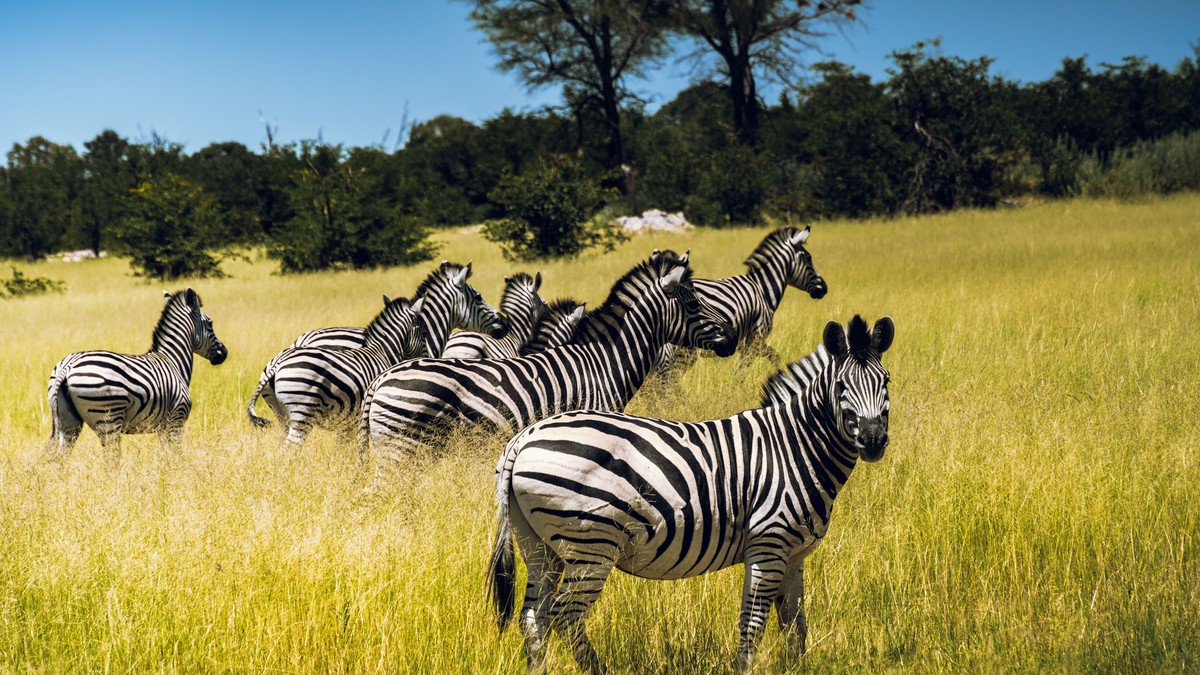
Shaba, Samburu, and Buffalo Springs share a set of species you won’t easily find further south. Guides call them the Northern Five: the gerenuk, the reticulated giraffe, the Grevy’s zebra, the Beisa oryx, and the Somali ostrich.
You’ll also find lion, leopard, elephant, and buffalo, which covers four of the traditional Big Five. There’s no resident rhino population in Shaba. If seeing a rhino matters to you, plan that sighting into a stop at Samburu’s neighboring conservancies or elsewhere on your itinerary instead.
Cheetah sightings happen regularly on Shaba’s open plains, and the springs and swamps attract crocodile too. Because vehicle numbers stay low, sightings here often feel unhurried. You might sit with a leopard for twenty minutes without another car in sight.
Shaba National Reserve Safari Guide: Best Time to Visit
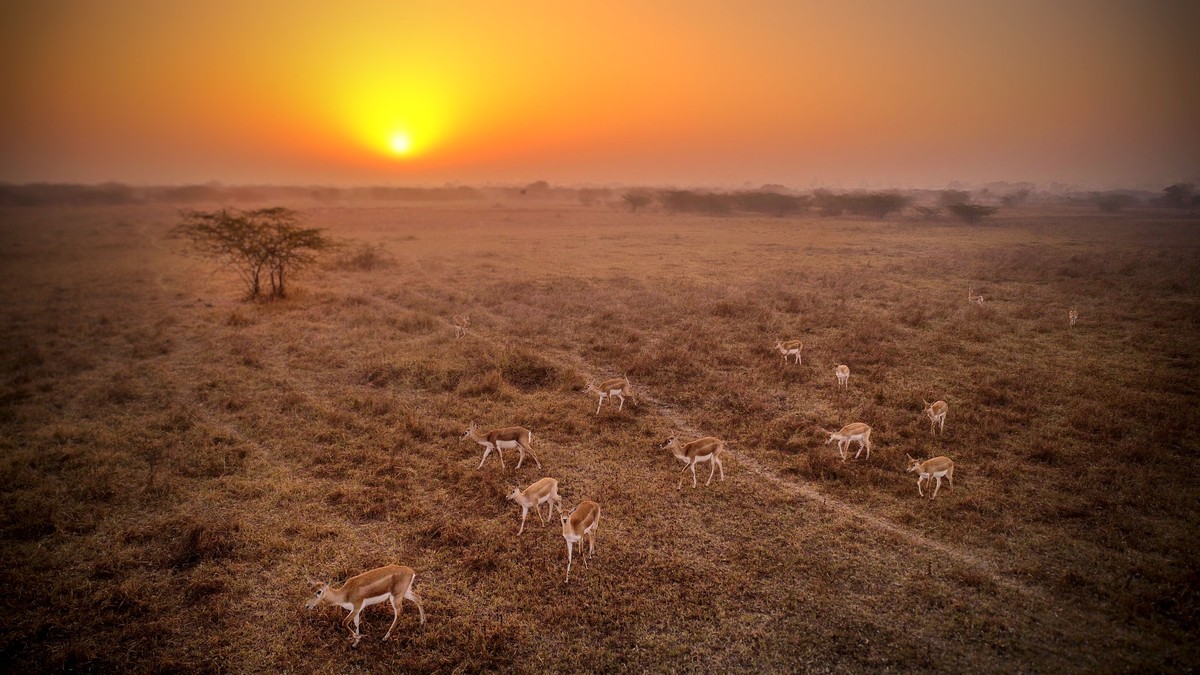
The dry seasons, from late June to October and from January to February, bring the best game viewing. Animals cluster around Shaba’s springs and the Ewaso Nyiro River when the surrounding bush dries out.
The long rains fall roughly from March to May, and short rains arrive around November. Roads can turn muddy and some low-lying tracks become impassable. Birdlife peaks during and just after the rains, when migrants pass through and the plains turn green.
Daytime temperatures in Shaba often reach 30 to 34 degrees Celsius, since this is genuinely northern, semi-arid Kenya. Mornings and evenings cool down enough for a fleece.
Things to Do in Shaba
Game drives are the main activity, run in open 4×4 vehicles morning and afternoon. The rocky terrain makes for slower, more deliberate driving than the flat grassland of the Mara.
Walking safaris are available with an armed ranger from the reserve, usually arranged through your camp. It’s a different way to read the landscape, tracking footprints and reading dung instead of scanning from a vehicle. If you haven’t done one before, our piece on what to expect on a ranger-led walking safari explains how these outings actually run.
Night drives can sometimes be arranged with camps operating on private conservancy-style access near the reserve boundary, since night drives aren’t permitted inside most Kenyan national reserves themselves. Ask your operator what’s actually on offer before you book, since rules do vary.
Photography benefits from Shaba’s volcanic backdrop and doum palms, which give images a different look from the classic Mara savanna shot. Birdwatching is strong year round, with over 350 species recorded across the wider Samburu-Buffalo Springs-Shaba ecosystem.
Where to Stay: Joy’s Camp or Sarova Shaba Game Lodge
Shaba only has two well known properties inside the reserve itself, which keeps things simple.
Joy’s Camp, run by the Elewana Collection, sits on the site where Joy Adamson once lived, built around a natural spring that draws animals close to camp. It’s a tented camp with around 10 rooms, priced at the higher end of the market, roughly $450-650 per person per night on a full-board basis.
Sarova Shaba Game Lodge sits along the Ewaso Nyiro River, built into volcanic rock with spring-fed swimming pools threading through the property. It has around 83 rooms, making it far larger than Joy’s Camp, and sits at a more moderate price point, generally $180-280 per person per night full board.
| Property | Rooms | Style | Price range (per person/night, full board, indicative) | Best for |
|---|---|---|---|---|
| Joy’s Camp | ~10 | Intimate tented camp, spring-fed pool | $450-650 | Honeymooners, small groups, history buffs |
| Sarova Shaba Game Lodge | ~83 | Larger lodge, river frontage, rock architecture | $180-280 | Families, groups, budget-conscious travelers |
Treat both price ranges as indicative, since rates change with season and currency swings. Joy’s Camp suits travelers who want quiet and story. Sarova suits those who want river views and a bit more infrastructure, including a larger pool area and conference facilities.
Getting to Shaba National Reserve
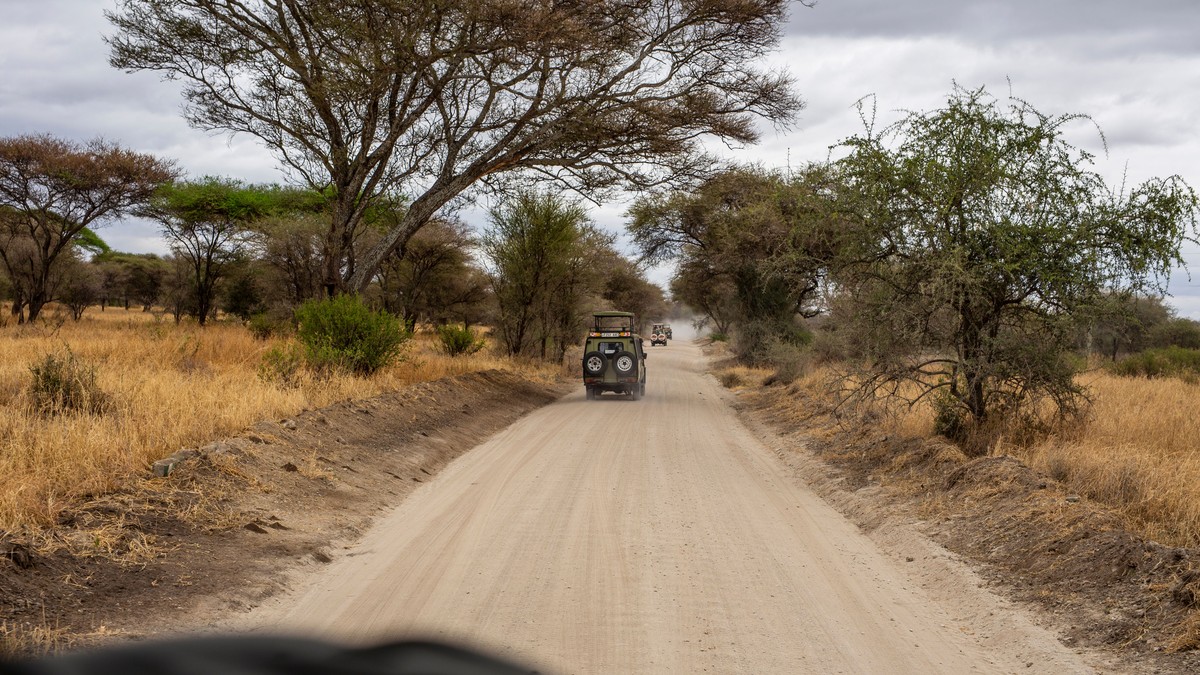
Most visitors drive from Nairobi, a journey of roughly 340 km that takes 5.5 to 6.5 hours depending on traffic through Nyeri and Nanyuki. The route runs on tarmac almost the whole way, turning to gravel only in the last stretch near the reserve gates.
Chartered flights are the faster option, landing at Kalama or Buffalo Springs airstrips in around 50 minutes to an hour from Nairobi’s Wilson Airport, followed by a road transfer of 30 to 60 minutes into Shaba. This suits travelers short on time or coming straight from another safari circuit.
Shaba has its own gates, separate from Samburu and Buffalo Springs, so confirm with your driver which entrance your camp uses.
Entrance Fees and Ticketing
Shaba’s entrance fees follow the same general Safaricard-style structure used across Kenya’s national reserves and parks, where cash payment at the gate has largely been phased out in favor of pre-loaded smart cards or eCitizen bookings.
As an indicative range, expect non-resident adult fees around $60-70 per 24-hour period, with lower rates for children and East African residents. Rates and payment systems change periodically, so always confirm current pricing with your operator or camp before travel.
How Many Days Do You Need?
Two nights is the sweet spot for most travelers. That gives you four game drives, enough time to settle into the rhythm of the place without feeling rushed.
One night works if Shaba is purely an add-on to a longer Samburu stay. Three nights suits photographers or birders who want to work specific locations repeatedly, like the springs near Joy’s Camp or the riverine forest along the Ewaso Nyiro.
Is Shaba National Reserve Worth Visiting?
Honestly, it depends on what you’re after. Shaba trades wildlife density for solitude and scenery. If you’ve never done a safari before, Samburu or the Mara will give you a higher hit rate on sightings.
If you’ve already ticked off the big-name parks and want somewhere that feels genuinely uncrowded, with volcanic hills, spring-fed pools, and a real story behind the landscape, Shaba delivers. We usually recommend it as a one to two night extension to a Samburu itinerary, not as a standalone destination.
The Valley Safaris Difference
We’ve been running trips through northern Kenya long enough to know which camps actually deliver and which ones oversell themselves in brochures. When we build a Shaba itinerary, we’re honest about what you’ll see and when.
We also know the small things that make a trip memorable. A guide who knows exactly where a leopard has been resting for the past three days. A picnic set up at the right spot as the sun drops behind Mount Shaba. Those details don’t show up in a fee schedule, but they’re what people remember years later.
We plan Shaba as part of a bigger picture too, weighing it against Samburu, Buffalo Springs, and the wider Laikipia conservancies so your days connect logically instead of feeling like a checklist.
Nearby Attractions and Combining Shaba with Other Reserves
Shaba pairs naturally with Samburu National Reserve and Buffalo Springs, just across the river. Many travelers also extend north or west into the Laikipia Plateau, where private conservancies like Loisaba and Ol Pejeta add rhino sightings and night drives that Shaba itself can’t offer.
For a fuller sense of how these pieces fit together, see our guide to combining Shaba with a wider Samburu circuit. It lays out realistic day-by-day options depending on how much time you have.
Plan Your Shaba Trip with Valley Safaris
Shaba rewards travelers who already know what they want from a safari and are ready for something quieter. If that sounds like you, we’d love to help you build the right route around it.
Get in touch through our contact page or take a look at our Samburu and Northern Kenya safari packages to see how Shaba could fit into your trip.