You have already done the Mara. You know the wildebeest crossings, the balloon rides, the crowded river bends where twelve vehicles jostle for one leopard sighting. So let’s talk about what comes next: a north Kenya safari circuit built around Samburu, Buffalo Springs and Shaba.
This is a different Kenya. The land is drier, the light is sharper, and the animals here are ones you have not photographed yet. It rewards visitors who want fewer vehicles per sighting and don’t mind trading some predator density for space and quiet.
The North Kenya Safari Circuit: Samburu, Buffalo Springs and Shaba
These three reserves sit along the Ewaso Nyiro river in northern Kenya, close enough to combine on one trip. Samburu National Reserve and Buffalo Springs National Reserve share a boundary, split only by the river itself. Shaba National Reserve lies just east, past Archer’s Post.
Together they cover just over 500 square kilometers of acacia woodland, doum palm groves and volcanic scrub. The river is the reason anything survives here. In the dry months, it is the only water source for miles, which pulls animals into view along its banks.
Samburu gets the most visitors and the most camps. Buffalo Springs is quieter and has real natural springs near its center. Shaba is the wildest of the three, with fewer tracks and fewer vehicles, and it once hosted Joy Adamson’s camp when she raised the leopard Penny.
The Samburu Special Five
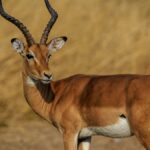
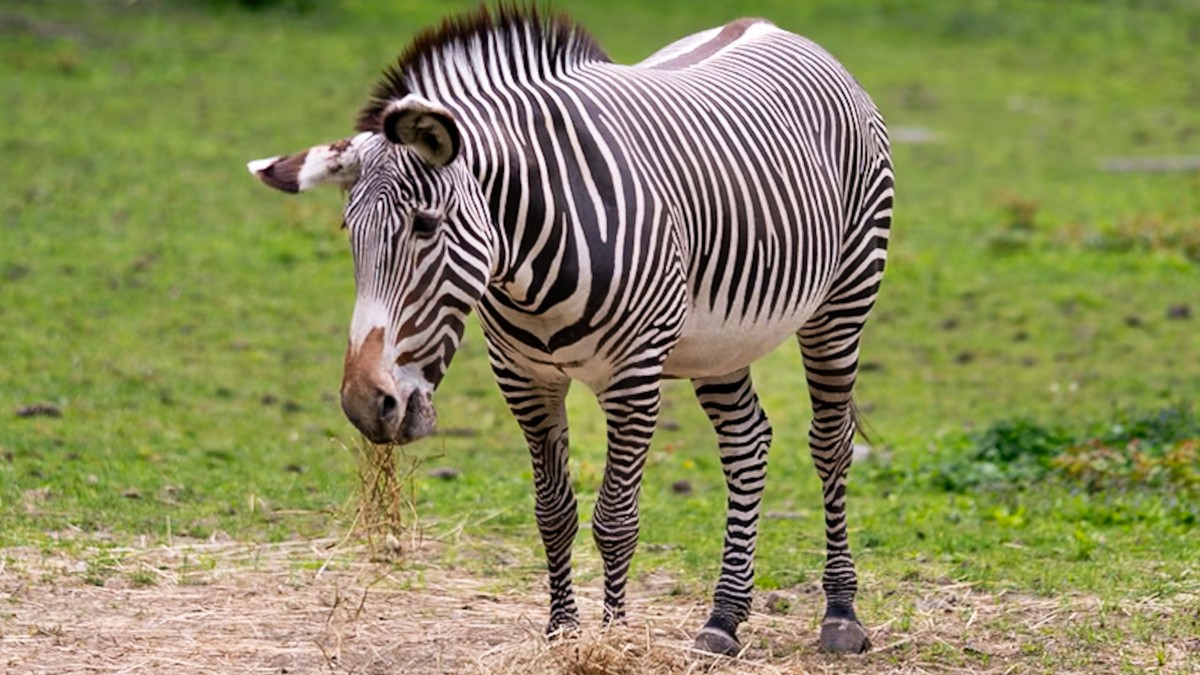
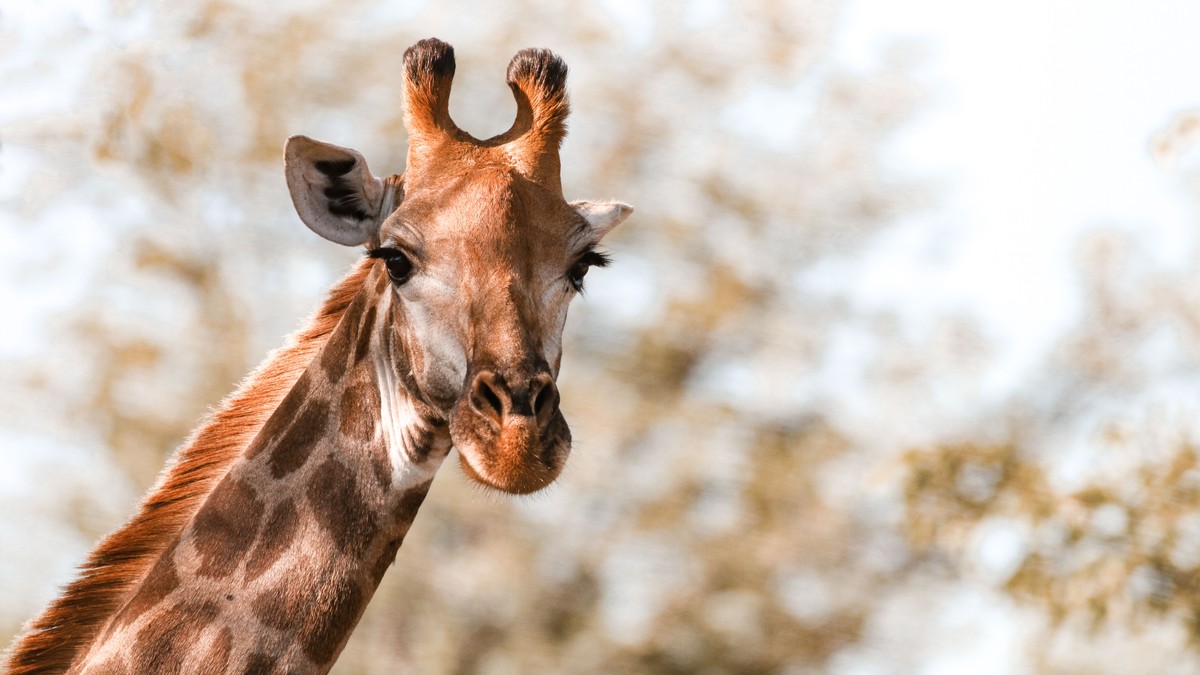
Southern Kenya has the Big Five. Up here, guides talk about the Samburu Special Five instead: Grevy’s zebra, reticulated giraffe, Beisa oryx, gerenuk and Somali ostrich. All five are adapted to arid country and rarely seen south of the equator.
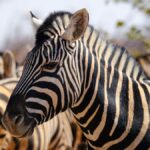
The gerenuk is the one guests remember longest. It stands on its hind legs to browse acacia leaves other antelope can’t reach. Grevy’s zebra, with its narrower stripes and mule-like ears, is one of the most endangered zebra species left, and Samburu is one of its last strongholds.
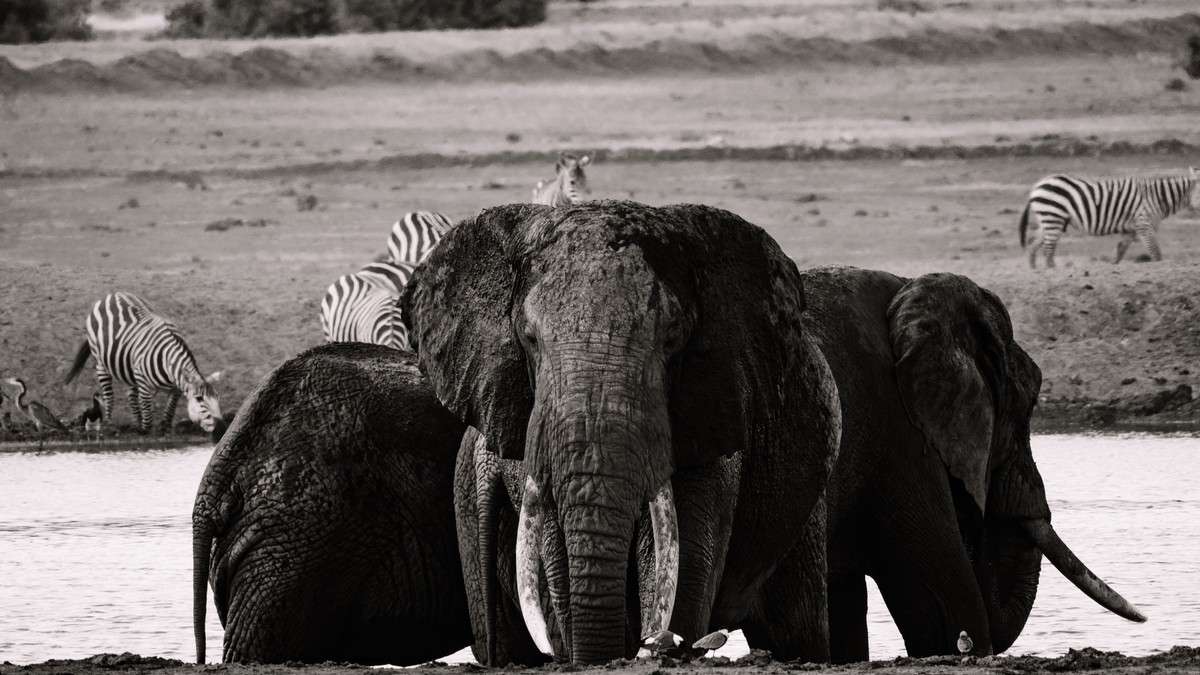
You will still see elephants, lions, leopards and the occasional cheetah. Densities are lower than the Mara, and that is worth saying plainly. What you gain instead is space, better light for photography on open ground, and sightings you don’t have to share with a dozen other trucks.
Getting There: Road or Fly-In
Most repeat visitors either self-drive or fly. The road route runs through Nanyuki and Isiolo to Archer’s Post, the gateway town for Samburu.
| Leg | Distance | Drive Time | Road Condition |
|---|---|---|---|
| Nairobi to Nanyuki | 200 km | 3 hours | Tarmac, good |
| Nanyuki to Isiolo | 55 km | 1 hour | Tarmac |
| Isiolo to Archer’s Post | 30 km | 30 minutes | Tarmac, some potholes |
| Archer’s Post to Samburu Gate | 12 km | 20 minutes | Gravel |
| Total | ~297 km | 5 to 6 hours |
A private vehicle with a guide handles this comfortably in a day, with a stop in Nanyuki for lunch. Self-driving is possible in a 4×4, but the last stretch inside the reserve needs high clearance, especially after rain.
Flying cuts the trip to about an hour. Safarilink and Air Kenya both run scheduled flights from Nairobi’s Wilson Airport to airstrips serving Samburu and Buffalo Springs, usually with a short transfer by road or vehicle pickup at the strip. Fly-in works well if you are combining this circuit with the Mara or Amboseli and don’t want to burn a travel day on tarmac.
Best Time to Visit
The dry seasons, from late June to October and again from January to February, are the easiest months. Vegetation thins out, and animals concentrate near the river, which makes sightings more predictable.
The wetter months, March to May and November, bring green landscapes and dramatic skies, plus fewer visitors and lower camp rates. Roads can get rough after heavy rain, so a 4×4 matters more in this window.
Where to Stay
Camps here span the same budget range as the Mara, just with far fewer beds overall. That scarcity is part of the appeal: even the mid-range camps feel private.
| Budget Tier | Example Camps | Reserve | Approx. Rate per Person/Night (indicative) |
|---|---|---|---|
| Budget | Buffalo Springs public campsites, Samburu Game Lodge | Buffalo Springs, Samburu | USD 80 to 150 |
| Mid-range | Samburu Intrepids, Larsens Camp | Samburu | USD 250 to 400, all-inclusive |
| Luxury | Elephant Bedroom Camp, Saruni Samburu, Sasaab | Samburu, Shaba | USD 500 to 900, all-inclusive |
Rates shift by season and change often, so treat these as a starting point and confirm current pricing before booking. All-inclusive typically covers meals, two game drives a day and house drinks.
Sample Itineraries: How Many Days
A short circuit works, but it shouldn’t be too short. Here is how we usually size it for repeat visitors.
4 days: Samburu and Buffalo Springs. Fly or drive in on day one, two full days of game drives split across both reserves, fly or drive out on day four. This suits guests adding Samburu onto a longer Kenya trip.
6 days: Samburu, Shaba and Laikipia. Add two nights in Shaba for its quieter tracks, then finish with two nights in Laikipia, at a conservancy like Ol Pejeta or Loisaba. This version gives you rhino tracking, wild dogs and a proper change of scenery on top of the Special Five.
If you only have four days, don’t try to squeeze in Shaba too. One rushed night at each reserve means long drives and short sightings. Pick depth over breadth.
Samburu Culture and Community Visits
The Samburu people are pastoralists, related to the Maasai, known for their striking beadwork and red shukas. Many camps arrange visits to nearby villages, where guests learn about livestock herding, age-set traditions and daily life in this dry landscape.
One stop worth asking about is Umoja, a village near Archer’s Post founded by Samburu women. It began as a refuge for survivors of gender violence and has grown into a self-sustaining community that sells beadwork to visitors. It is a more grounded alternative to a generic cultural stop, and proceeds go directly to the women who live there.
Activities Beyond Game Drives
Game drives are the core activity, but this circuit rewards guests who add variety. Walking safaris with an armed ranger get you close to smaller details, tracks, dung, birdlife, that a vehicle drives past. Night drives, permitted in some private conservancies bordering the reserves, reveal genets, aardwolves and other creatures rarely seen by day.
Birders find over 350 species recorded around the Ewaso Nyiro, including the vulturine guineafowl, a bird found almost nowhere else in Kenya. Fishing is even possible on stretches of the river, mainly for catfish.
Combining With Laikipia, Meru or Ol Pejeta
Samburu sits within striking distance of some of Kenya’s best conservancy country. Ol Pejeta Conservancy is about 3 hours south, near Nanyuki, and is one of the few places in Africa to see southern white rhino, northern white rhino and chimpanzees in the same area. Loisaba and Il Ngwesi, both in Laikipia, add horseback and camel safaris to the mix.
Meru National Park lies roughly 4 hours east and gets far fewer visitors than any reserve in this guide. It suits travelers who want one more layer of exclusivity after Samburu.
Entry Fees and Cost of Visiting
Samburu, Buffalo Springs and Shaba are run by county governments rather than Kenya Wildlife Service, and fees are billed per person per 24 hours. As of this writing, non-resident adult entry runs in the range of USD 60 to 80 per day, with lower rates for children and East African residents. These figures move, so confirm them with your operator before travel.
Budget for entry fees, park vehicle fees if self-driving, accommodation and a guide if you don’t already have one. A 4-day trip in a mid-range camp, including entry fees and a private guide, typically lands somewhere between USD 1,200 and 2,000 per person, though luxury camps push this well higher.
The Valley Safaris Difference
We have driven this route enough times to know where the light works best at 4pm, which waterhole the elephants favor in August, and which camp manager remembers your name from three years ago. We don’t sell Samburu as a Mara substitute. We sell it as its own trip, with its own rhythm.
That means we build itineraries around what you have already seen. If you have done the Mara twice, we won’t pad your days with generic game drives. We will tell you honestly when four days is enough and when you need six. We will get you to Umoja if that matters to you, and skip it if it doesn’t.
Plan Your Trip
If this circuit sounds like the next step after your Mara trips, we would like to help you build it. Have a look at our Samburu safari packages or reach out through our contact page and we will start putting your itinerary together.