Ask any photographer who has shot the Masai Mara at 6:15am what changed their trip, and most will say the same thing. It was not the lions. It was the light.
Golden hour turns a decent wildlife photo into the one you print and frame. But in Kenya, that light window is shorter than almost anywhere else on earth, and public reserves have gate hours that can eat into it before your camera even leaves its bag. If you want golden hour game drive photography that actually delivers, you need to plan around both.
What Golden Hour Actually Does to a Photo
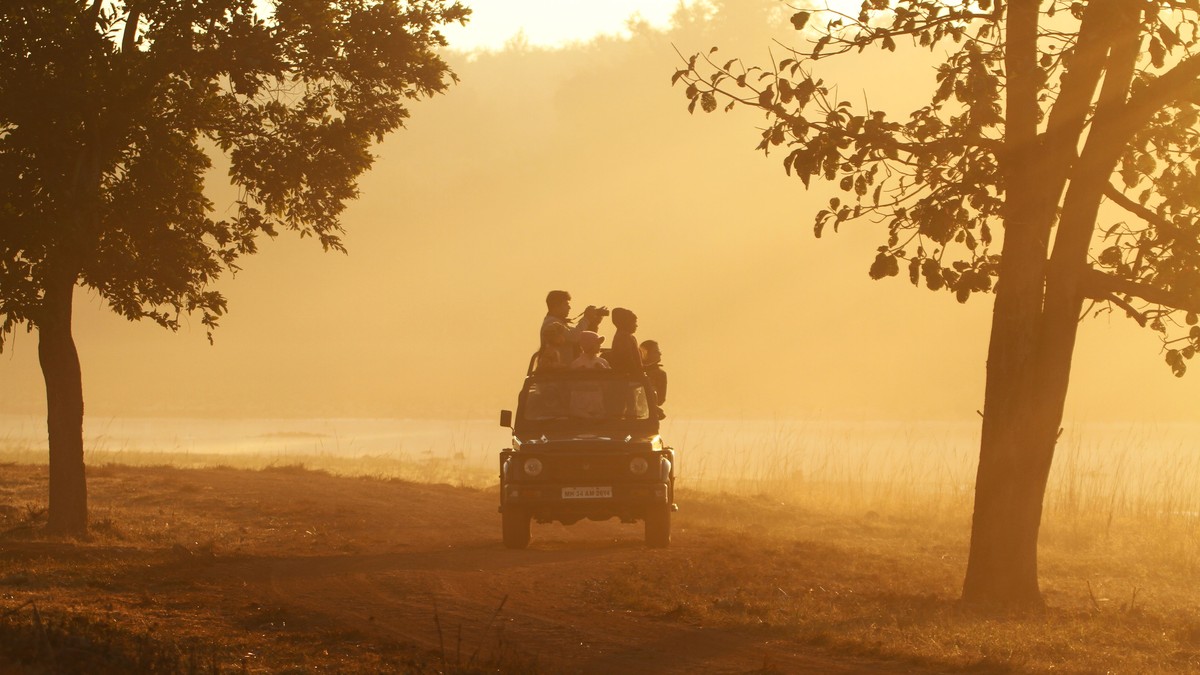
Golden hour is the stretch just after sunrise and just before sunset when the sun sits low on the horizon. Light travels through more atmosphere at that angle, so harsh white sunlight turns warm, soft, and directional.
For wildlife photography, this matters more than almost any camera setting. Flat midday light on a lion flattens its mane and washes out texture. The same lion at 6:30am, lit from the side, shows every strand of hair and throws a long shadow across the grass. Skin folds on an elephant, dust kicked up by a wildebeest herd, the steam off a buffalo’s breath in cold air, all of it reads better in warm, low-angle light.
There is also a color shift. Golden hour light sits closer to 2,000 to 3,000 Kelvin, giving everything an amber cast that midday light, sitting near 5,500 Kelvin, simply does not have.
Golden Hour Game Drive Photography: Kenya’s Window Is Short. Really Short.
Here is the part most photography guides gloss over. Because Kenya sits almost on the equator, the sun does not ease into the sky. It rises and sets at a steep angle, straight up and straight down. At latitudes like London or New York, golden hour can stretch 40 minutes or more. In the Masai Mara, the truly clean gold light, the kind with long shadows and warm tone before the sun climbs too high, lasts roughly 20 minutes.
Sunrise in the Mara in July runs around 6:35am, with sunset near 6:30pm. That gives you two short windows a day, one at each end, and both close fast.
This is where park rules quietly work against you. The Masai Mara National Reserve, managed jointly by Narok and Trans Mara County authorities, operates on fixed gate hours, generally 6:00am to 6:30pm. Game drives inside the reserve boundary cannot legally start before the gate opens or continue after it shuts. If you are staying at a camp inside the reserve itself, your vehicle physically cannot be out chasing that first sliver of light before 6am, by which point the very best few minutes may already be gone.
Private conservancies bordering the reserve, places like Mara North Conservancy, Naboisho Conservancy, and Olare Motorogi, set their own rules. Most allow departures before dawn and drives after dark, specifically because they are not bound by the reserve’s gate schedule. That difference sounds small until you are the photographer standing at a locked gate at 5:50am with the sky already turning pink.
Reserve Gates vs. Conservancy Access: What It Costs You in Light
| Location | Gate/Drive Hours | Approx. Park or Conservancy Fee (per adult, 24hrs) | Drive Time from Nairobi |
|---|---|---|---|
| Masai Mara National Reserve | 6:00am to 6:30pm (fixed) | approx. USD 100 (indicative, varies by season) | approx. 5 to 6 hours by road (about 270 km), or 45 min flight from Wilson Airport |
| Mara North Conservancy | No fixed gate hours, pre-dawn and night drives permitted | approx. USD 90 to 100 (indicative) | approx. 5 to 6 hours by road, or 45 min flight to Ol Kiombo or Musiara airstrip, then short transfer |
| Naboisho Conservancy | No fixed gate hours, pre-dawn and night drives permitted | approx. USD 80 to 100 (indicative) | approx. 5 to 6 hours by road, or short flight plus transfer |
Figures above are indicative and vary by season and operator. Always confirm current fees with your camp before booking.
If you want shooting the Mara without the crowds as part of your golden hour plan, a conservancy base often solves two problems at once. Fewer vehicles, and no gate clock working against you.
Camera Settings That Actually Work in Low, Warm Light
Golden hour light is beautiful, but it is also dim compared to midday, which means your settings need to adjust fast as the vehicle stops.
For a moving animal, start around 1/1000s shutter speed to freeze motion, aperture around f/5.6 to f/8 for enough depth of field to keep the whole animal sharp, and let ISO float, usually somewhere between 400 and 1600 depending on how low the sun sits. For a still subject, like a leopard resting on a branch, you can drop shutter speed to 1/250s and lower ISO for a cleaner file.
Shoot in RAW, always. Golden hour’s color shift is easy to fine tune afterward, but only if you have the full RAW file to work with, not a compressed JPEG that already baked in the camera’s guess at white balance.
Gear That Matches the Light
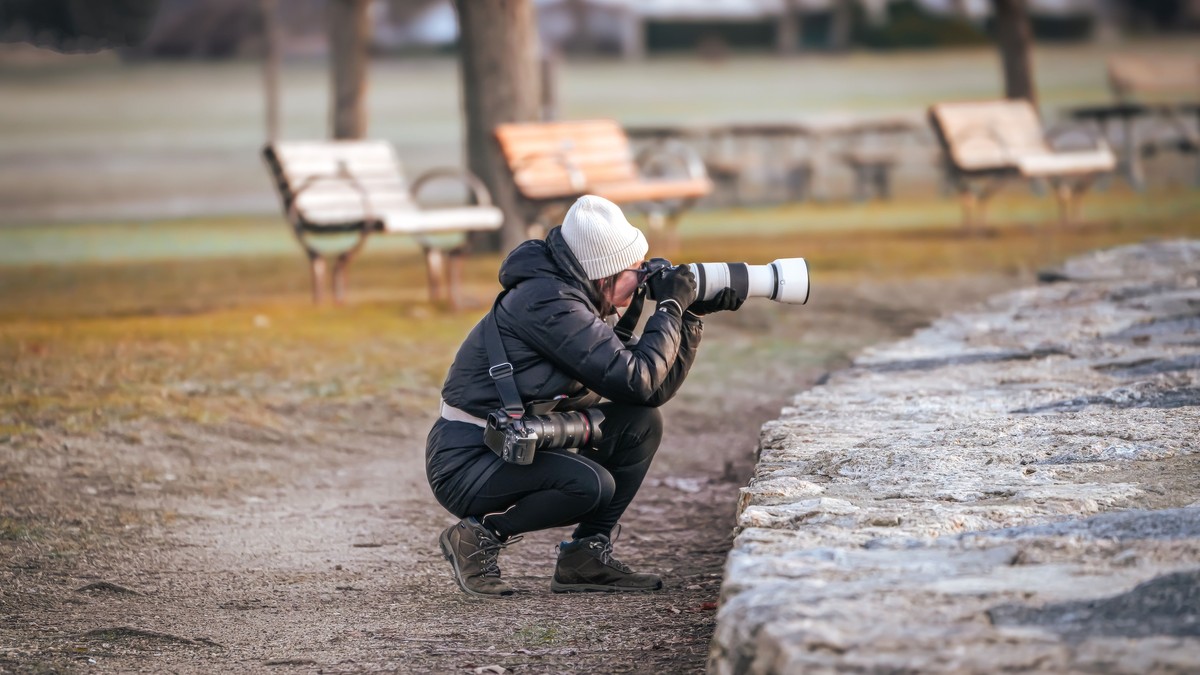
You do not need the most expensive setup on the market, but golden hour rewards specific choices. A telephoto zoom in the 100-400mm range covers most game drive distances. Photographers chasing tighter portraits or backlit rim shots often reach for something longer, in the 400-600mm range, especially for cats that keep their distance.
A monopod or bean bag mounted on the vehicle door steadies longer lenses without the bulk of a full tripod, which rarely fits in a safari vehicle anyway. If you are still deciding on your setup, packing the right lens for golden hour shots walks through budget, mid-range, and professional options in more depth.
Composition: Use the Light, Do Not Just Point at It
Golden hour opens up compositions that flat midday light cannot give you.
Backlighting, with the sun behind your subject, throws a glowing rim of light around fur or feathers, especially effective on animals with backlit ears, like elephants or foxes. Silhouettes work well against the sun itself, particularly with recognizable shapes like a giraffe’s long neck or an acacia tree on the horizon. Side lighting, with the sun roughly 90 degrees to your subject, is the most forgiving option and shows texture and depth without blowing out highlights.
Eye contact still matters more than lighting angle. A perfectly lit lion looking away from the camera is a good photo. The same lion catching your lens in golden light is the one people stop scrolling for.
Wildlife Behavior Follows the Light Too
Golden hour is not only good light, it is good timing for behavior. Predators like lions and cheetahs are most active at dawn and dusk, when temperatures are cooler and hunting is easier. Herds often move toward water sources in the last hour before dark, and elephants frequently cross open plains at first light before the heat sets in.
This is why photographers who plan around golden hour tend to come home with more than well-lit photos. They come home with action, because the animals are moving when the light is at its best.
Common Mistakes and Basic Field Etiquette
The biggest mistake is chasing every animal instead of staying with one and waiting for the light and behavior to align. A lioness lying still at 6:40am might stand, stretch, and walk toward better light by 6:55am, but only if your vehicle stays put.
Basic etiquette matters too. Keep voices low, avoid flash on animals, and never ask your guide to drive off-track chasing a shot, since it damages habitat and breaks conservancy rules. Good guides know this already. Good clients let them lead.
Vehicle Positioning Is Half the Photograph
A skilled driver-guide reads the light the way a photographer reads a viewfinder. Positioning the vehicle so the sun sits behind an elephant for a silhouette, or angled for a rim-lit lion, takes communication and a guide who has done this before.
Tell your guide what you are after early in the drive, not after the animal has already moved. “Can we get the sun behind him for a silhouette?” is a completely normal request on a photography-focused drive, and most experienced Mara guides will already be thinking about it. For photographers who want to work from a fixed, low angle without vehicle movement or noise at all, ground-level photographic hides offer another way to catch that same light from water level.
The Valley Safaris Difference
We build our photography-focused itineraries around the light, not around a standard breakfast time. That means camps based in conservancies like Mara North or Naboisho, where our guides can start drives before the public reserve gate even opens, and stay out past sunset if the shot calls for it.
Our driver-guides are trained to read light the way they read tracks. They know which ridge catches the last clean gold before sunset and which waterhole draws elephants at first light. We will also give you the honest version of the trade-off. A 5am wake-up for the last clean light before the sun climbs, or a slower start that trades a few minutes of gold for two extra hours of sleep. Both are valid. We just want you choosing with full information, not guessing.
Plan Your Golden Hour Safari
If you are ready to build a trip around light, behavior, and a guide who will actually chase the shot with you, we would love to help. Have a look at our Masai Mara photography safaris or reach out through our contact page to start planning your dates.