A single parent safari Kenya with kids trip brings a specific kind of worry. It is not just “will they see a lion.” It is “who watches the toddler when I need the bathroom at a game drive stop.” We plan trips for solo parents every season. This guide answers the questions that actually come up, not the generic packing list every site repeats.
Is a Single Parent Safari Kenya With Kids Safe?
Yes, and safari areas are some of the calmer parts of the country to travel with children. Lodges and camps run controlled environments. Askaris (camp guards) escort guests after dark, gates are staffed, and vehicles are driven by trained guides who know the terrain.
The real risks for a solo parent are practical, not criminal. Think fatigue, dehydration, a child wandering near a waterhole, or being outnumbered by luggage and small hands at Jomo Kenyatta International Airport. Camps with extra staff support solve most of this. That is why the lodge-versus-tent question below matters more than the safety question itself.
Parental Consent Letters and Documents for Solo Travel
This is the part most family safari guides skip, and it is the one that can stop you at check-in.
If you are traveling with a child and the other parent is not present, Kenyan immigration and airlines can ask for proof. They want to see you have the right to travel with that child. Practically, you should carry:
- The child’s full, unabridged birth certificate showing both parents’ names
- A notarized consent letter from the non-traveling parent, or a death certificate or sole custody order if that parent is not in the picture
- Your own passport and the child’s passport, matching the surname on the birth certificate where possible
- A copy of your travel itinerary and return flights
Requirements shift depending on your home country and the airline you fly, so confirm exact wording with your embassy or airline about six weeks before departure. Kenyan immigration officers have, in past years, asked for this documentation more often for arrivals from South Africa, the UK, and the US. Do not assume you will be waved through. Print everything. Do not rely on a phone screenshot at a border desk with no wifi.
Lodge or Tented Camp: The Real Trade-off for One Adult
Every generic guide tells you tented camps are “romantic” and lodges are “convenient.” For a solo parent, the real question is who helps you when you are one adult managing two jobs at once: watching the child and dealing with your own needs.
Lodges with brick rooms, connecting family suites, and on-site nannies or kids’ clubs give you built-in backup. Somewhere like Sweetwaters Serena Camp on Ol Pejeta Conservancy has family rooms and a supervised pool area, which means a staff member can watch your child for twenty minutes while you shower or nap. Tented camps, even luxury ones like Naibor Camp in the Maasai Mara, put you a short guarded walk from the main tent, which is beautiful but means more solo logistics after dark with a young child.
Our honest take: choose a lodge or a camp with a dedicated family wing for your first two nights, then move to a tented camp once you and your child have found a rhythm. For more on which properties do this well, see our roundup of family-friendly lodges with kids’ clubs.
A Private Vehicle Is Your Extra Pair of Hands
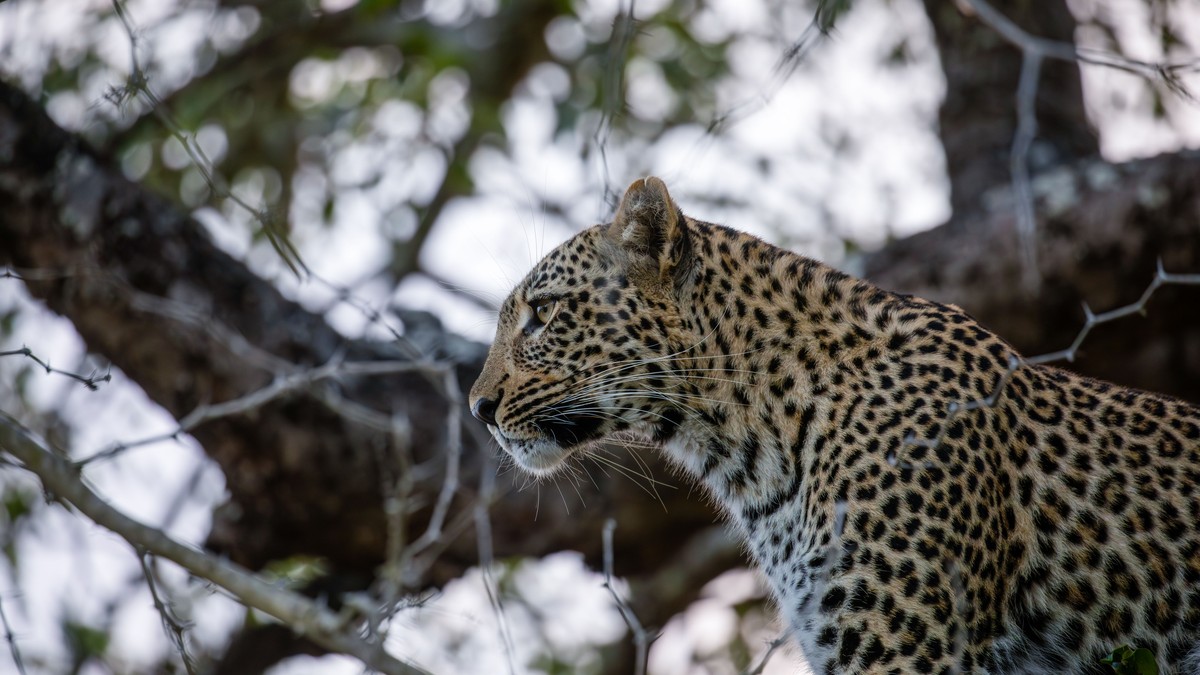
Group safari vehicles are cheaper, often $50 to $80 per person per day less than a private vehicle, but they leave you managing a fussy five-year-old in front of strangers who paid to see a leopard, not a meltdown.
A private vehicle with your own guide changes the equation. Your guide can stop for a bathroom break without negotiating with other passengers, adjust the pace when your child is tired, and act as a second set of eyes at rest stops. Many solo parents tell us the guide becomes the “second adult” they did not have, spotting a wandering toddler near the vehicle or holding a hand while you sort out camera gear.
Age Limits and the Right Age Range for Kids on Safari
Most camps set a minimum age of 5 to 6 years for game drives, and some, including several in the Maasai Mara’s exclusive conservancies, ask for 8 and up on walking safaris. Ol Pejeta and several Amboseli lodges are more relaxed, with family-friendly game drives suited to children as young as 2, plus shorter drive times built into the itinerary.
Realistically, ages 6 to 12 are the easiest range for a solo parent. Kids in this bracket can sit through a two-hour game drive, understand basic safety rules, and get genuinely excited rather than overwhelmed. For toddlers, read our breakdown of Kenya’s safari age limit rules for toddlers before you book, since it affects which camps will even take a reservation.
Best Parks and Camps for a Solo Parent With Kids
| Park or Conservancy | Distance from Nairobi | Drive Time | Park Fee (adult, indicative) | Why It Works for Solo Parents |
|---|---|---|---|---|
| Ol Pejeta Conservancy | 200 km | 3.5 hrs | ~$90/day | Flat terrain, rhino sanctuary, family rooms at Sweetwaters Serena |
| Maasai Mara (Mara Triangle) | 270 km | 5.5 hrs, or 45-min flight | ~$100/day | Naibor Camp and Angama Mara offer nanny support on request |
| Amboseli National Park | 240 km | 4 hrs | ~$60/day | Tortilis Camp has connecting family tents, calm elephant herds |
| Lake Nakuru National Park | 160 km | 2.5 hrs | ~$60/day | Short drive-in loop, good for a first, low-fatigue day trip |
| Tsavo East National Park | 240 km | 4 hrs | ~$60/day | Wide open plains, easy sightings without long off-road chasing |
Fees shift with park authority updates, so confirm current rates when booking. Flying between Nairobi and the Mara on a light aircraft, often around $150 to $200 per adult one way, can save a solo parent an exhausting road day.
Managing Game Drive Length When You Are the Only Adult
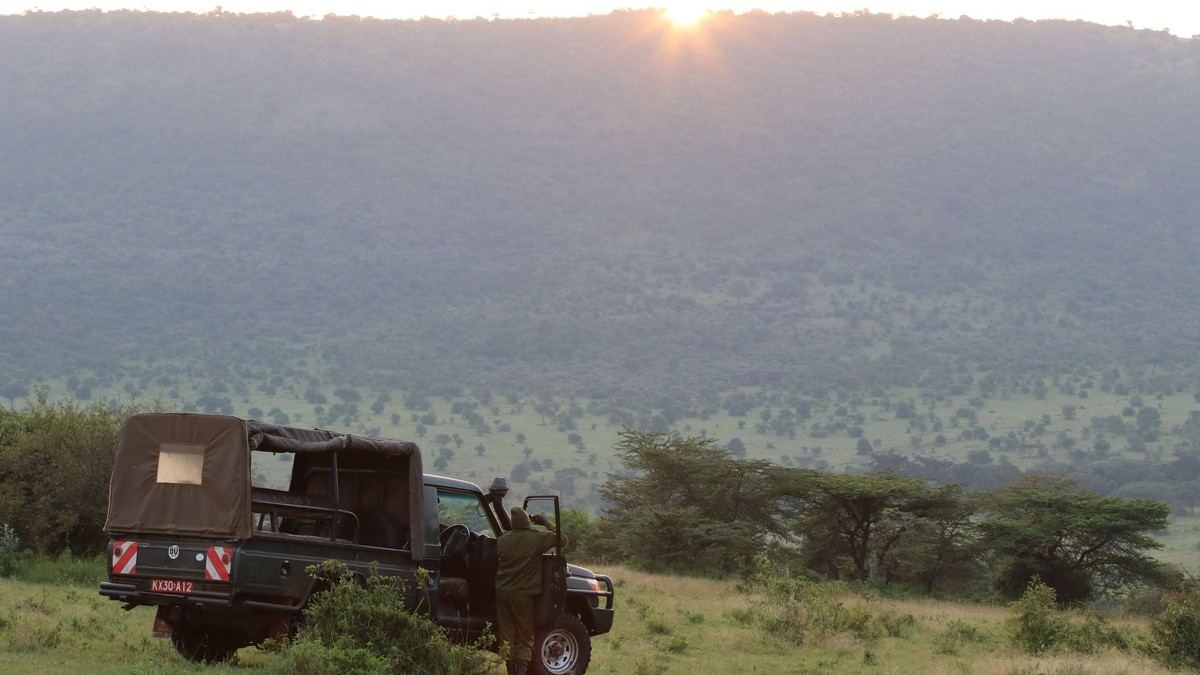
A full-day drive sounds efficient until your child is asleep on your lap at hour four and you still need binoculars in one hand. Split drives into two shorter sessions, morning and late afternoon, with a proper rest and lunch break at the lodge in between.
Ask your guide to build in a stop every 90 minutes, even just to stretch legs at a designated point. Bring snacks that do not need refrigeration and a battery pack for tablets, since a bored, tired child is harder to manage alone than a hungry one. We cover more tactics in our guide to managing game drive fatigue in kids.
Cost and Budgeting for One Adult Plus Children
Kenya safaris are usually priced per person, with kids under 12 often getting 25 to 50 percent off accommodation, though park fees for kids are typically a smaller flat reduction, not a percentage.
As a rough range, a mid-range lodge safari for one adult and one child, five nights, runs $2,200 to $3,500 all-in, including park fees, meals, and a private vehicle. Budget camping safaris can drop this to $1,200 to $1,800, but expect shared facilities and less built-in support for solo supervision. Luxury lodges with dedicated family suites and kids’ programs start around $4,500 for the same length of stay.
Solo parents often save more by cutting nights than by cutting comfort. Four nights at a well-staffed lodge beats seven nights somewhere with no help at all.
Health, Vaccinations, and Packing for Solo Trips
Most of Kenya’s safari circuit, including the Maasai Mara, Amboseli, and Tsavo, sits in a malaria zone, so pack a pediatric-dose antimalarial approved by your child’s doctor and use repellent from dusk onward. Ol Pejeta and the highlands around Nakuru carry lower risk due to altitude, but precautions are still worth taking.
Pack a basic first aid kit, oral rehydration salts, and any regular medication in carry-on luggage, never checked bags. A solo parent cannot easily leave a sick child to search for a pharmacy, so over-prepare here rather than assume the lodge will have what you need.
Timing Your Trip Around School Holidays and Crowds
Kenyan and international school holidays, especially August and the December to early January window, bring the most other families and the highest prices. If your child’s school allows it, traveling in late January to March or June avoids both the crowds and the long rains, while keeping predictable weather.
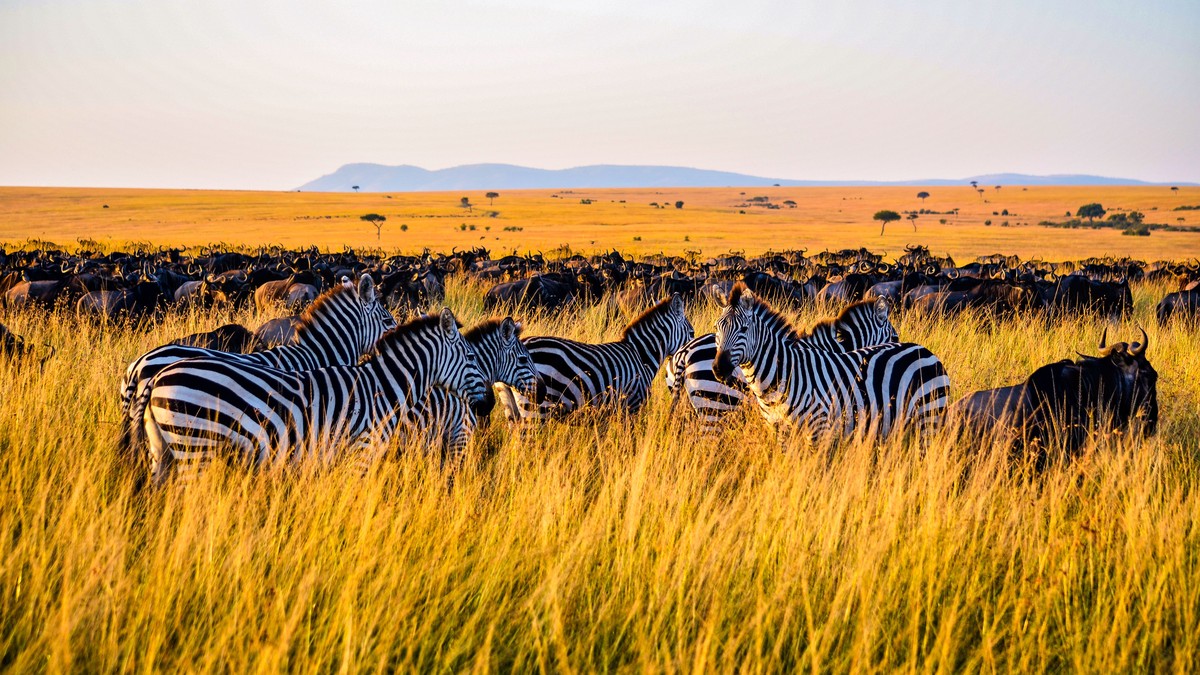
The Mara’s wildebeest migration, typically July through October, is spectacular but also the busiest and most expensive stretch. A solo parent managing luggage and a child through a packed airstrip may prefer the calmer shoulder months instead.
The Valley Safaris Difference
We build every solo-parent itinerary around one question: who is your extra pair of hands today. That might mean a guide who doubles as a steady presence at rest stops, a lodge we know keeps real nannies on staff, or a pace that leaves room for a nap without losing the day’s sightings.
We are based in Nairobi and have sat in the vehicles we recommend, with our own kids in tow more than once. We will tell you honestly if a camp is not right for your child’s age, even if it costs us the booking. That kind of straight talk is what solo parents tell us they needed most.
Plan Your Trip With Us
If you are ready to talk through dates, ages, and budget for your own single parent safari Kenya trip, we would love to help you build it. Reach out through our contact page and we will start with the questions that matter for your family, not a template.