Every week we get the same question from guests booking a Masai Mara trip. “What lens should I bring?” It is a fair question, and most of the answers online come from bloggers who have never flown Safarilink into Ol Kiombo airstrip with a camera bag on their lap, hoping it does not get weighed twice.
We have watched hundreds of photographers step off vehicles in Mara North and Naboisho, some overloaded with gear they never touched, others kicking themselves for leaving the right lens at home. Here is our take on the best camera lens for a Kenya safari, based on what our guides see in the field, not a generic checklist for Africa.
Why telephoto reach matters for safari wildlife distance
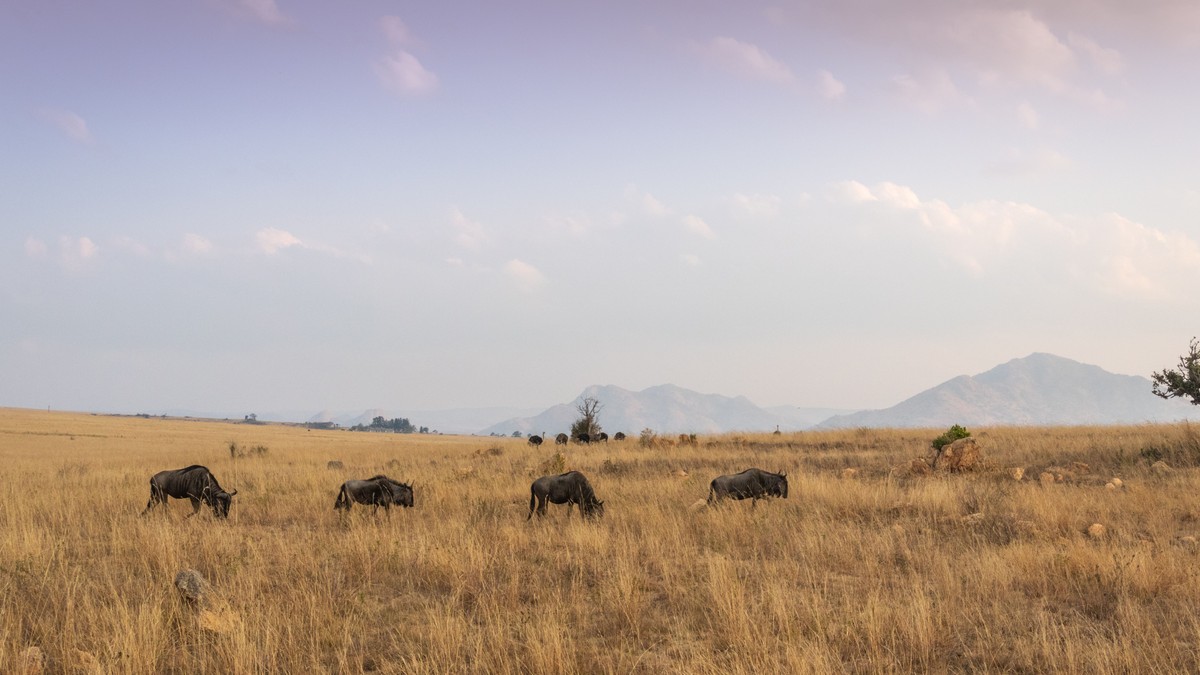
Lions rest 30 to 80 meters from the track most mornings. Leopards in Naboisho Conservancy often sit even closer, but cheetahs on the Mara plains can be 100 meters out or more when they are scanning for prey. Without reach, you get a nice shot of the vehicle in front of you and a small tawny blob in the grass.
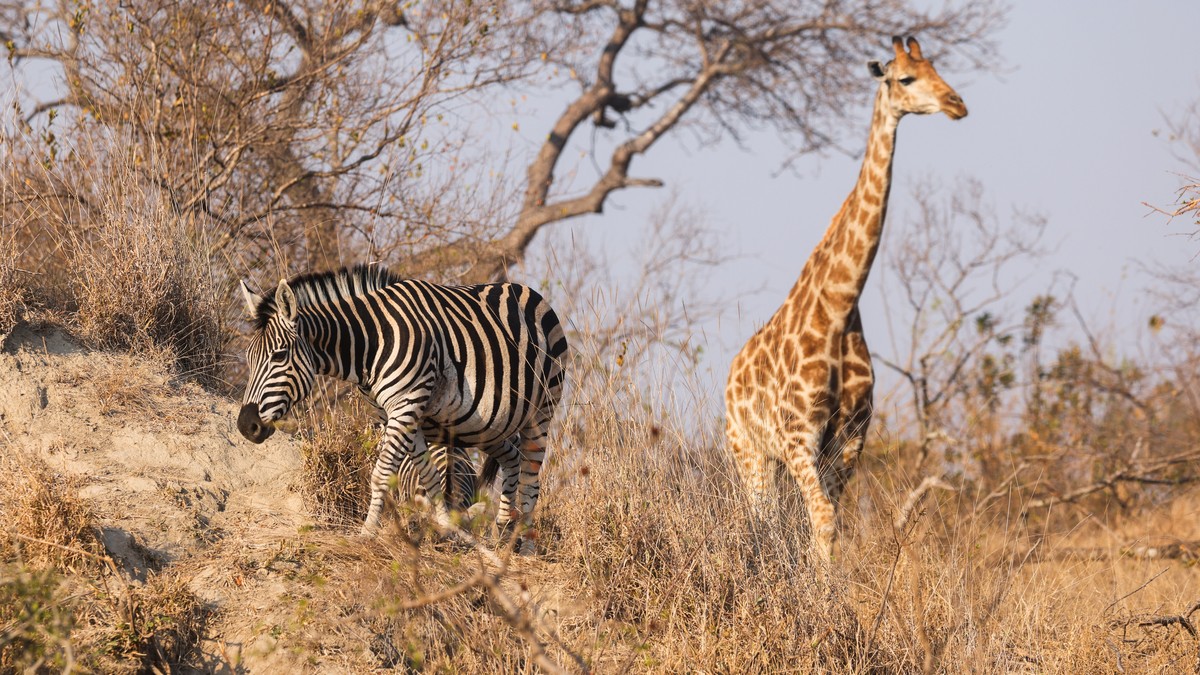
A wide lens is great for landscapes and vehicles at golden hour. It is not enough on its own. Most keeper shots from a Kenya safari come from somewhere between 300mm and 600mm, depending on the animal, the light, and how close your driver-guide can safely get.
Best camera lens focal length ranges for a Kenya safari
There is no single perfect focal length. It depends on your budget, your arm strength, and whether you are chasing birds in Lake Naivasha or lions in the Mara. Here is how the common ranges stack up in the field.
| Focal length | Typical price range (new) | Best for | Trade-off |
|---|---|---|---|
| 70-300mm | USD 200-800 | Wide scenes, close encounters, first safari | Not enough reach for distant big cats |
| 100-400mm | USD 700-2,600 | Mara North, Naboisho, most general game viewing | Sweet spot for weight versus reach |
| 150-600mm | USD 900-2,000 | Cheetah on open plains, birds at Lake Nakuru | Heavier, slower to hand-hold all day |
| 200-600mm | USD 1,800-2,000 | Serious wildlife photographers wanting both ends | Bulkier for domestic flight carry-on limits |
If we had to pick one range for a first Kenya safari, it is 100-400mm. It handles close leopard sightings in Naboisho and still reaches distant cheetahs on the Mara plains. For conservancies best suited for cheetah and leopard photography, that flexibility matters more than raw millimeters.
Budget, mid-range, and pro lens picks by brand
Every major brand covers this range now, so you do not need to switch systems for a Kenya trip.
Canon shooters do well with the RF 100-400mm or the older EF 100-400mm on an adapter. Nikon users often bring the Z 100-400mm or the budget-friendly 200-500mm f5.6. Sony’s 200-600mm is a favorite with our repeat guests because it covers two ranges in one lens.
Tamron and Sigma make the most sense for photographers on a tighter budget. The Tamron 150-500mm and Sigma 100-400mm both cost less than half of their Canon or Nikon equivalents and perform well in the strong midday and golden hour light Kenya offers most of the year.
None of these brands is “better” for safari. What matters more is whether you can hand-hold the lens for a six-hour game drive without your arms giving out by 10am.
Camera body pairing
A crop-sensor body, like a Canon R7 or Nikon Z50, stretches your lens reach further because of the crop factor. A 400mm lens behaves more like 600mm on these bodies. That is a real advantage for weight-conscious travelers.
Full-frame bodies give you better low light performance for dawn departures and dusk leopard sightings, when the Mara can still be quite dark at 6:15am in July. Burst speed matters too. Anything above 8 frames per second helps with action, like a cheetah chase near Naboisho or a river crossing at the Mara River during migration season, roughly late July through October.
You do not need the newest body on the market. A five-year-old model with a sharp lens outperforms a brand-new body with a soft one every time.
Renting versus buying a safari lens
Buying a 200-600mm lens for one trip rarely makes sense unless you already shoot wildlife regularly. Renting is often the smarter move, and you have two real options.
Renting before you fly, through your home country’s camera shops, gives you time to test the lens. Renting once you land in Nairobi is cheaper and skips the extra checked bag entirely. A handful of camera shops around Nairobi rent telephoto lenses to safari travelers, with day rates for a 100-400mm or 200-600mm typically running in the range of USD 25 to 50 per day, though this varies by shop and season, so treat it as an indicative range rather than a fixed price.
Pickup is usually the day before your flight to the Mara, so you can test the lens around your Nairobi hotel first. Ask your operator to help coordinate pickup and drop-off, since most rental shops keep normal Nairobi business hours and do not open for early morning safari departures.
Accessories: bean bags, monopods, and tripods
Tripods are close to useless inside a safari vehicle. There is no floor space, and most parks do not allow you to step outside the vehicle to set one up near wildlife anyway.
A bean bag draped over the vehicle’s window frame or roll bar is the standard fix, and it works well. Many lodges and camps keep a stack of them on hand, but pack a collapsible one just in case, since supply varies by camp.
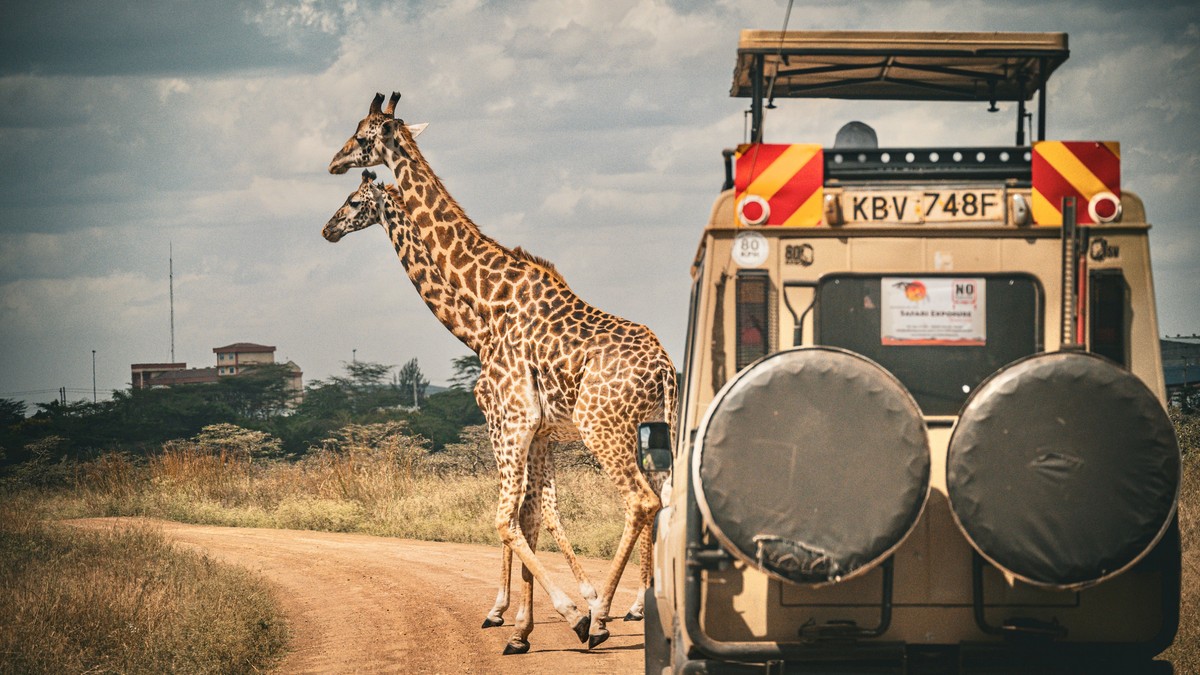
Monopods work for photographers who prefer to stand through the vehicle’s pop-up roof. That brings up one of the most underrated pieces of Kenya-specific gear: the vehicle itself. Pop-up roof vehicles for steadier long-lens shots give you a stable shooting platform at chest height, which beats hand-holding through a side window every time.
Weight, packing, and travel logistics
This is where most gear guides fall short, because they never mention Kenya’s actual domestic flight rules. If your Mara safari includes a bush flight from Nairobi’s Wilson Airport on Safarilink or AirKenya, expect a strict baggage limit of around 15kg total, including your carry-on camera bag. That flight covers roughly 250km and takes about 45 minutes, compared to a 270km, five to six hour road transfer.
That 15kg limit forces real choices. A 200-600mm lens alone can weigh 2kg, and a second camera body adds another kilogram or more. Pack one main body, one backup body if you truly need it, and one versatile telephoto rather than three lenses you will barely switch between in a moving vehicle.
Soft-sided camera bags fit better in small aircraft holds than hard cases. Keep your gear list realistic, and weigh your full kit at home before you fly to avoid a surprise at the Wilson Airport check-in counter.
Frequently asked questions
What is the best lens for a Kenya safari? For most travelers, a 100-400mm lens balances reach and weight better than anything else on this list.
Is a 70-200mm lens enough for safari photography? It works for close sightings and vehicles at sunset, but it falls short on distant cats and birds.
Do I need a 600mm lens for safari? Only if you are chasing cheetahs and birds at long range regularly. Most guests are happier with 400mm and cropping in later.
Is it worth renting a camera lens for safari in Kenya? Yes, especially for a one-time trip. Renting in Nairobi also avoids extra airline baggage weight.
How much does it cost to rent a safari lens? Expect roughly USD 25 to 50 per day in Nairobi, though rates vary by shop and lens type.
Can I bring a tripod on a Kenya safari game drive? You can pack one, but most vehicles have no room for it, and rangers rarely allow you to set one up outside the vehicle.
What is the baggage weight limit for camera gear on Kenya domestic flights? Around 15kg total on most Safarilink and AirKenya routes, camera bag included.
Is a bridge camera or superzoom good enough for safari? For casual travelers, yes. Serious wildlife photographers will notice the difference in low light and autofocus speed.
Canon or Nikon: which is better for safari photography? Both perform well. Choose the system you already know rather than switching for one trip.
What camera settings work best for safari photography? Fast shutter speeds, at least 1/1000s for action, and continuous autofocus tracking cover most situations.
Do I need two camera bodies for safari? It helps if you shoot both wide scenes and tight wildlife shots, but it is not essential.
How do I stabilize a long lens from a safari vehicle? A bean bag on the window frame or roof, paired with a steady vehicle and patient driver, works better than any tripod.
The Valley Safaris Difference
We plan camera-friendly itineraries, not just scenic ones. That means building in slower mornings for shooting the Mara without the crowds, choosing vehicles with pop-up roofs when photography is the priority, and briefing our drivers on positioning for light and angle, not just proximity.
Our guides know which conservancies are quiet in July and August, which airstrips keep flight schedules realistic for early departures, and how to help you plan gear around the 15kg baggage reality instead of ignoring it. We would rather tell you honestly that you do not need a 600mm lens than sell you on gear you will regret carrying.
Ready to plan your Kenya photography safari?
If you are weighing lens choices, flight routes, or which conservancy suits your photography goals, we are happy to talk it through. Visit our Masai Mara safari page to see itineraries built with photographers in mind, or reach out through our contact page to start planning.