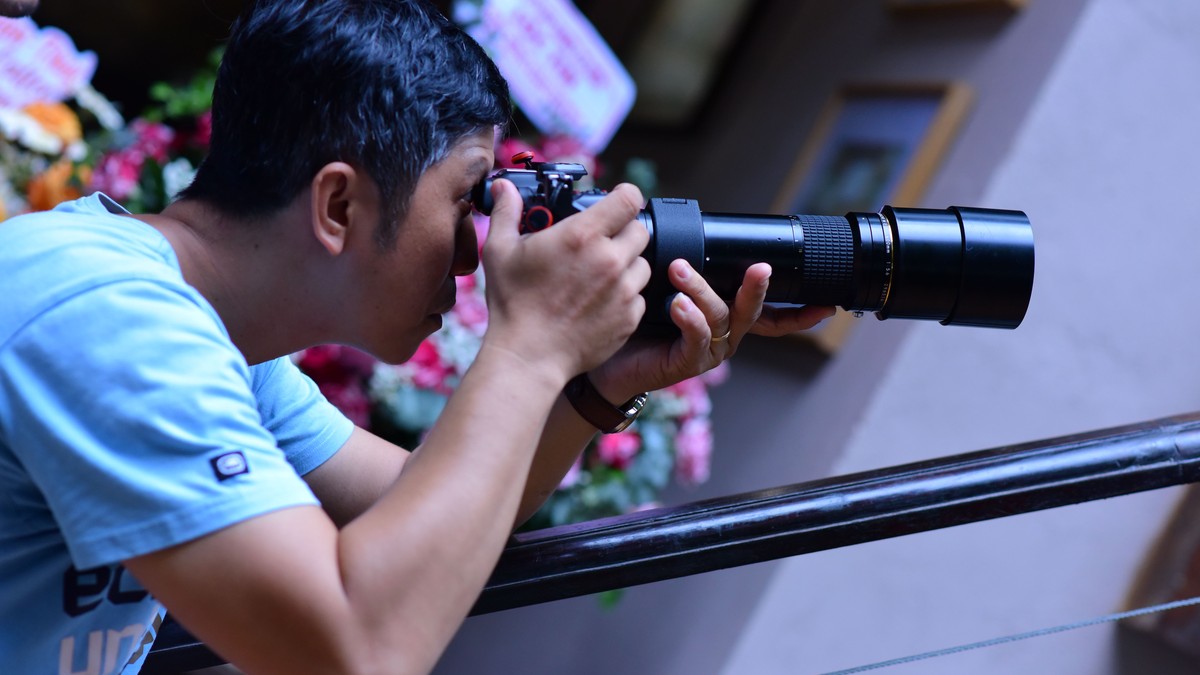
I once watched fourteen vehicles box in a single female leopard near Talek River. She had a fresh kill in a sausage tree and nowhere to move without crossing an engine. That was five years ago, and it still bothers me. This post is about how to avoid being vehicle number fifteen.
Big cats photography ethics safari trips in Kenya are not really about your lens or your camera body. It is about restraint, and about knowing the actual rules, not just the vague ones repeated on every travel blog. Most guides tell you to “give animals space” without saying how much space, or which authority enforces it. Let’s fix that.
What Ethical Wildlife Photography Actually Means
Ethical photography puts the animal’s welfare ahead of the frame. A lioness that stops grooming and stares at your vehicle is telling you something. A cheetah that abandons a hunt because three Land Cruisers cut off her line of sight has failed. That can mean a missed meal for her cubs.
The core rule is simple: your presence should change nothing about the animal’s behavior. If it does, you are too close, too loud, or too many vehicles deep.
Big Cats Photography Ethics Safari Rules: Vehicles and Distance
Kenya’s safari operators generally follow a 25 meter minimum distance from predators. That figure comes from Kenya Wildlife Service and Narok County guidelines for vehicle conduct around big cats. At a sighting inside the Masai Mara National Reserve, the widely cited cap is five vehicles at once. In practice, on a busy July morning near Paradise Plain, that cap gets ignored more often than it gets enforced.
These numbers should be treated as guidelines rather than laws with a fixed fine schedule. Enforcement depends on which ranger is on duty and how full the Reserve is that week. Peak wildebeest migration season runs from roughly late July through October. During that window, a single cheetah sighting near the Mara River can draw twenty or more vehicles within minutes.
That gap between the rule on paper and the reality on the ground is exactly why the conservancies exist.
Off-Road Driving: National Reserve vs. Conservancy
Inside the Masai Mara National Reserve, off-road driving is not allowed. Vehicles stay on track, which means your angle on a resting lion pride is whatever the road gives you.
Step across the boundary into Mara North Conservancy, Naboisho Conservancy, or Olare Motorogi Conservancy, and the rules change. These conservancies permit limited off-road positioning for photography, usually under a guide trained specifically in slow, low-stress approach. Fewer beds are allowed per acre in these conservancies. That caps the number of vehicles that can ever reach a sighting in the first place.
That is the real trade-off, and it is worth naming honestly.
| Area | Off-road driving | Vehicles per sighting (typical) | Approx. conservation fee (per person/night, indicative) | Best suited for |
|---|---|---|---|---|
| Masai Mara National Reserve | Not permitted | Up to 5 (guideline, often exceeded) | USD 80 (Narok County park fee, indicative, check current rate) | First-time visitors, tighter budgets |
| Mara North Conservancy | Permitted for photography | 3 (indicative) | USD 100-120 (indicative) | Photographers wanting off-road angles |
| Naboisho Conservancy | Permitted for photography | 3 (indicative) | USD 100 (indicative) | Low vehicle density, strong cat population |
| Olare Motorogi Conservancy | Permitted for photography | 3 (indicative) | USD 130-150 (indicative) | Premium lodges, high leopard and lion density |
Fees shift year to year, so treat these as a planning range, not a quote. We check current conservancy and Narok County rates before every trip we book.
These conservancies also tend to enforce stricter wildlife-viewing rules. One is a cool-down period, where a sighting is left undisturbed for a set number of minutes before another vehicle can approach. That single rule does more for stress reduction than any distance number.
If your main goal is the photograph, not just the checklist sighting, conservancies usually win. See why a conservancy stay suits photographers better than a Reserve-only itinerary.
Reading Stress Signals in Lions, Leopards, and Cheetahs
Each cat gives different warnings. Learn them before you go.
A lion showing stress will flatten its ears, swish its tail hard, or stand and walk away stiffly. A relaxed lion yawns, rolls, or ignores you entirely.
Leopards are more private by nature. A leopard that stops feeding and freezes mid-chew, eyes locked on your vehicle, wants distance. Give it.
Cheetahs are the most vulnerable of the three. They hunt in daylight using bursts of speed that leave them exhausted and briefly unable to defend a kill from hyenas. A cheetah that scans constantly between bites, rather than eating steadily, is nervous about competition or crowding. Back off and let it finish.
No Baiting, No Calls, No Spotlights
Baiting a leopard down from a tree is not ethical, no matter how good the photo looks. Neither is playing recorded distress calls to draw in a lion, or using a spotlight to keep a hunting cheetah illuminated after dark. These techniques interrupt natural hunting, feeding, and denning behavior, and reputable operators in Kenya do not use them.
Spotlighting deserves a specific mention. Night drives are only permitted in a handful of private conservancies, never inside the Masai Mara National Reserve itself. Where they are allowed, guides use red-filtered lights at a distance, never a direct white beam on a hunting animal’s eyes. A blinded predator can lose a kill, or worse, misjudge a charge.
Choosing a Guide Who Puts the Cat First
Your guide sets the tone for the whole sighting. Before booking, ask directly: does this operator hold back when a sighting gets crowded, or does it push in for the shot? A good guide will reverse away from a tense cheetah rather than inch closer for your benefit.
Ask about radio etiquette too. Guides who share a cat’s exact location over an open channel to twenty other vehicles are part of the crowding problem. That is true even if their own vehicle behaves well.
Gear for Ethical Big Cat Photography
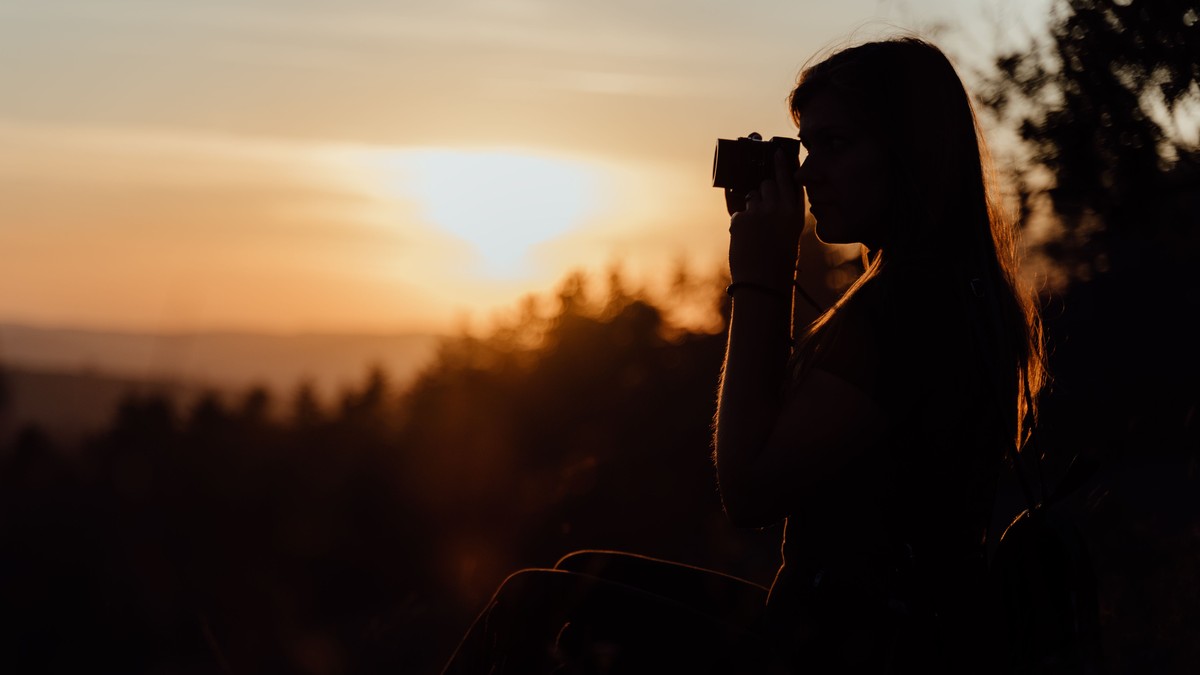
The single best tool for ethical big cat photography is a long lens, not a closer vehicle. A 400mm to 600mm telephoto, or a 100-400mm with a teleconverter, lets you fill the frame from 40 or 50 meters instead of 15.
Low light matters too. Big cats are most active at dawn and dusk, when the light is soft but the ISO needs to work harder. A camera body that handles ISO 3200 or higher cleanly will save far more images than an extra 100mm of reach. If northern Kenya is part of your route, check the best month for wildlife photography in Samburu before you pack. Light and cat activity there shift with the seasons differently than in the Mara.
Permits Required for Professional and Drone Photography
Casual photography for personal use needs no special permit beyond your standard park or conservancy entry fee. Professional shoots involving models, film crews, or commercial licensing generally require a separate permit. Apply through Kenya Wildlife Service or the relevant county authority well in advance.
Drones are effectively banned across Kenya’s parks and reserves, including the Masai Mara. Flying one requires prior written permission from the Kenya Civil Aviation Authority and Kenya Wildlife Service. That permission is rarely granted for wildlife filming near active predators. Beyond the legal risk, a drone’s noise can flush a resting lion pride or spook a hunting cheetah off a real chance at prey. Leave it at the lodge.
Responsible Sharing on Social Media
What you post after the trip matters almost as much as how you behaved during it. Geotagging the exact den site of a leopard can send a wave of vehicles to that spot within days. The same goes for naming the precise conservancy block where a cheetah with cubs is denning.
Share the region, not the coordinates. “Somewhere in Naboisho Conservancy” tells your followers plenty without inviting a crowd to one den tree.
The Valley Safaris Difference
We plan every big cat itinerary around fewer vehicles, not more sightings. That usually means splitting time between a conservancy and the Reserve. Our guides position off-road under proper training in the conservancy, then use a Reserve morning for the density of wildlife near the Mara River.
Our guides carry radios, but we cap how much location detail gets shared. We walk away from crowded sightings even when the photo opportunity is tempting. We would rather you get one clean, uncrowded image of a resting lioness than a rushed shot from vehicle number twelve.
We brief every guest before the first game drive. That covers distance guidelines, stress signals, and what to expect from our drivers when a sighting gets busy. It is a small conversation that changes how the whole trip feels.
Plan Your Trip
If you are ready to plan a photography-focused safari built around ethical, low-crowd sightings, take a look at our Masai Mara photography safari. Or get in touch through our contact page. We will help you choose the right mix of Reserve and conservancy time for the shots you actually want.