

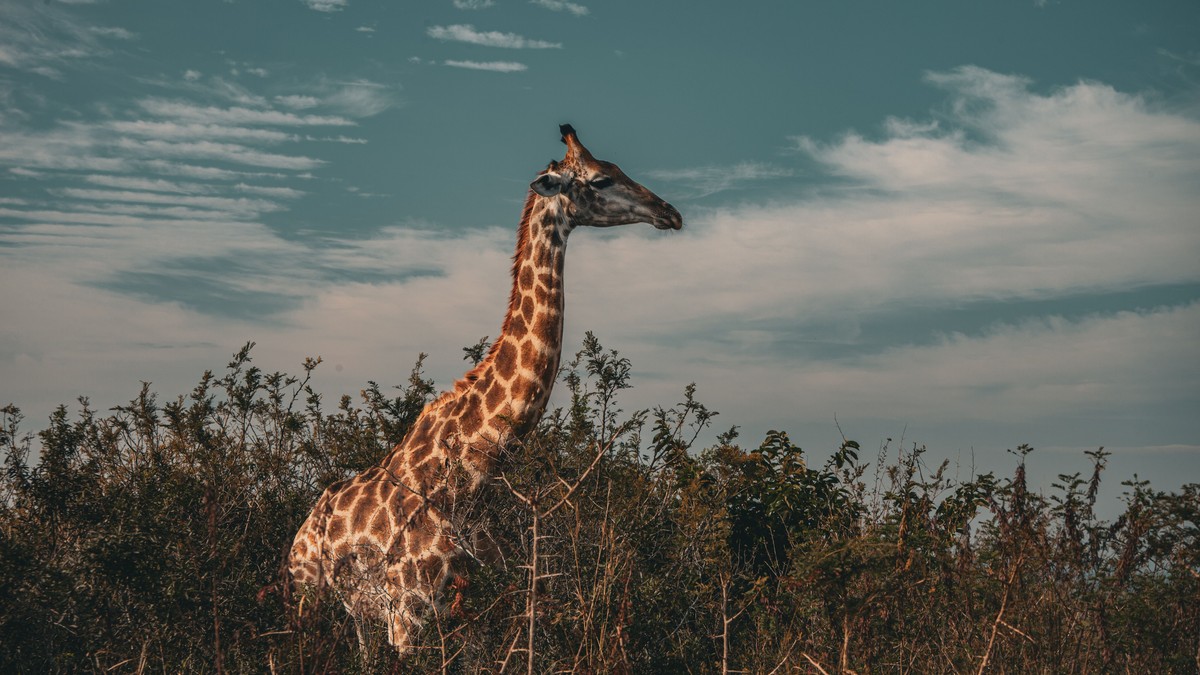
You have done the Mara. You have watched a leopard drag a kill up a sausage tree and you have ticked off all Big Five without breaking a sweat. So what does a second, third, or fourth Kenya trip look like? For a lot of our repeat guests, it means trading game drives for something quieter: Samburu’s dry-country wildlife, Laikipia’s private conservancies, and a few days unwinding on the coast near Diani Beach.
That coast leg is where a kaya forests Kenya coast safari add-on comes in. They are not a wildlife stop. They are a short, humbling detour into Mijikenda culture, and they pair well with a beach stay after weeks of early wake-up calls and dust.
What is a Kaya forest and who are the Mijikenda
A kaya is a fortified village site built deep inside coastal forest by the Mijikenda, a group of nine related Bantu-speaking communities who settled along Kenya’s coast between the 16th and 18th centuries. The word “Mijikenda” itself means “nine homesteads,” referring to the nine kaya-building groups: Giriama, Digo, Duruma, Rabai, Kambe, Ribe, Kauma, Chonyi, and Jibana.
Each kaya was originally a defended settlement, ringed by dense forest that doubled as camouflage and as a source of medicine, timber, and food. Over time people moved out of the kayas and into open villages, but the forests stayed sacred. Elders still use them for prayer, council meetings, and burial rites. Cutting a tree inside a kaya without permission is treated as a serious offense, not just an environmental one.
UNESCO status and the ten sacred sites
In 2008, UNESCO inscribed the “Sacred Mijikenda Kaya Forests” as a World Heritage Site, covering ten separate forest patches scattered along the coast between Kwale and Kilifi counties. The listing recognizes both the surviving forest ecology and the traditional governance system that has protected it for centuries, run by councils of elders known as kambi.
Most of these ten kayas are closed to outsiders. They remain active spiritual sites, not open-air museums, and the Mijikenda have been clear that tourism access has to be limited and controlled.
Kaya Kinondo: the only kaya open to visitors
Kaya Kinondo, near Galu on the south coast close to Diani Beach, is the one exception. Local elders set it up deliberately as a community eco-tourism project, so visitors get a supervised walk through a genuine kaya forest with a trained guide, and entrance fees go back into the community rather than a private operator.
This is the answer to the most common question we get: no, you cannot wander into any patch of coastal forest and call it a kaya visit. Kaya Kinondo is the one, and only the one, that welcomes tourists in an organized way.
Entrance fees, guide costs, and what’s included
Pricing at Kaya Kinondo has been reported inconsistently online, anywhere from 400 KES to $40 depending on the source and how old the listing is. Based on what our guides have paid on recent visits, budget for the following as an indicative range, and confirm on arrival since community-run sites adjust fees periodically.
| Item | Indicative cost | Notes |
|---|---|---|
| Entrance fee (foreign visitor) | KES 600-1,000 (approx. $4-$7) | Community conservation fee |
| Local guide fee | KES 500-800 (approx. $3.50-$5.50) | Compulsory, included in most tour packages |
| Round-trip transport from Diani Beach | KES 1,500-3,000 (approx. $10-$20) | Tuk-tuk or private taxi, negotiate before departure |
| Typical half-day package via a tour operator | $25-$45 per person | Usually includes transport, guide, and fee |
Cash in Kenyan shillings is the safest bet. Small denominations help since change can be limited at the gate.
Cultural etiquette and dress code
This is a working sacred site, not a resort attraction, so dress and behavior matter more than at most coast stops. Cover shoulders and knees. Women are usually asked to wear a kanga or wrap over shorts, which the site can sometimes lend. Loud conversation, alcohol, and public affection inside the forest are considered disrespectful.
If you are packing for a longer Kenya trip and want to sort this out before you land, our guide on what to pack for modest, forest-appropriate dress covers exactly this kind of stop, alongside the usual safari kit.
Photography is generally allowed in the outer forest but restricted or forbidden at specific shrine areas. Always ask your guide before pointing a camera at anything that looks like a burial site or shrine clearing. It is a small ask that avoids a real cultural misstep, in the same spirit as the common first-time safari mistakes we tell every guest to avoid, whether that is tipping wrong or getting too close to wildlife.
What you will actually see
Kaya Kinondo covers roughly 30 hectares of coastal forest, one of the last patches of its type left on this stretch of coast. Walking the marked trail with a guide, expect:
- Centuries-old indigenous trees, some believed to mark ancestral burial spots
- Medicinal plants still used by local healers, pointed out along the path
- Remnants of old coral-rag house foundations from the original kaya settlement
- A resident colony of Sykes’ monkeys and the odd sighting of the endangered Zanj elephant shrew
It is not a wildlife-dense walk. If you are coming from Samburu or the Mara expecting big sightings, reset that expectation. This is closer to a slow cultural walk than a nature safari.

How to get there from Diani, Mombasa, or Ukunda
Kaya Kinondo sits inland from Galu Beach, a few kilometers south of the main Diani strip. From most Diani Beach hotels, it is a 15 to 20 minute drive, roughly 8 to 10 km depending on your exact location.
From Ukunda town, it is closer still, about 10 to 12 minutes by tuk-tuk or taxi. From Mombasa, factor in the Likoni ferry crossing or the Likoni floating bridge, then the coast road south. Total travel time from central Mombasa runs 60 to 90 minutes depending on ferry queues and traffic through Ukunda.
Most hotels and tour desks in Diani can arrange a taxi or tuk-tuk directly to the kaya gate, where a community guide meets you.
How long the visit takes and best time to go
Plan for 60 to 90 minutes at the site itself, plus travel time. The forest walk is shaded and cool most of the day, so unlike a game drive there is no strict early-morning requirement. Mid-morning, around 9 to 11am, tends to be quieter and cooler than midday.
Avoid the heaviest rains in April, May, and November, when trail paths can get muddy and slippery underfoot.
Kaya forests Kenya coast safari: combining Kaya Kinondo with a wider trip
This is where Kaya Kinondo earns its place on an itinerary rather than sitting as an isolated curiosity. Pair it with a Diani or Tiwi Beach stay after an inland safari circuit through Samburu or Laikipia, and use it as a half-day cultural break between beach days.
It also works as a stop on the way to or from Shimba Hills National Reserve, about 33 km northwest of Diani, where you can see elephants and the rare sable antelope. A full day could look like: morning at Kaya Kinondo, lunch in Ukunda, afternoon game drive at Shimba Hills.
If you are weighing whether a short cultural detour like this is worth the time against just relaxing on the sand, it is worth thinking about it the same way we frame whether a short add-on day trip is worth it for guests with a Nairobi layover. The logic is the same: a modest time cost for a genuinely different experience, not a filler activity.
Conservation threats and why the forests are shrinking
The ten kaya forests have shrunk significantly since the mid-20th century, squeezed by logging, land pressure from a growing coastal population, and some encroachment for agriculture and settlement. UNESCO and Kenyan heritage authorities have flagged ongoing degradation as a real risk to the sites’ long-term survival.
Community-led protection, like the model at Kaya Kinondo, has proven more durable than top-down enforcement, mainly because local elders have both the authority and the motivation to defend it. Entrance fees from tourism form part of that funding, which is one honest reason to visit beyond curiosity.
Is it worth visiting: honest pros and cons
Pros: a genuinely rare cultural experience, a UNESCO-listed site, a low-cost easy add-on to a Diani stay, and direct support for community conservation.
Cons: it is a short visit, not a full day out, wildlife sightings are minimal, and dress and behavior rules mean it is not a casual beach-clothes stop. If you want big animals, this will not deliver them.
For repeat visitors who have already done the marquee wildlife circuits, that trade-off usually lands well. It is a change of pace, not a replacement for the Mara or Samburu.
The Valley Safaris Difference
We do not sell Kaya Kinondo as a headline attraction, because it is not one. We build it in as a well-timed cultural pause within a bigger coast-and-bush itinerary, timed around your flight schedule, tide times for Diani, and whichever inland parks you are combining it with. Our guides brief you on etiquette before you arrive, so there is no fumbling with a kanga at the gate or awkward questions about photography once you are inside.
We also keep our fee estimates current by checking with the Kaya Kinondo community committee directly, rather than repeating numbers from an old blog post. That is a small thing, but it saves guests the annoyance of arriving with the wrong currency or the wrong amount in hand.
Plan Your Coast and Culture Add-On
If a slower, cultural side of the coast sounds like the right note to end a Kenya trip on, we would love to help you build it in. Have a look at our Kenya coast safari itineraries or get in touch through our contact page to start planning.